
length
1 Day
difficulty
Moderate - Challenging
trip cost
from A$200 pp
Nature Immersion
Cultural Interest
Overview
Walk the Camino your way
Create your perfect Camino de Santiago walking holiday with RAW Travel
Why follow a set itinerary when you can create your own?
With RAW Travel’s Build Your Own Camino, you can tailor your journey to suit your timeframe, walking ability and interests. Choose where you’d like to start and finish, add rest days, adjust daily distances or combine sections. Simply share your ideas with our Camino experts and we’ll help bring your plans to life.
Your Camino includes handpicked accommodation, luggage transfers, expert advice, our RAW Travel navigation app and local on-the-ground support.
Whether you’re walking a shorter section or tackling a longer stretch, enjoy flexible itineraries and transparent per-night pricing.
Minimum trip length: All Build Your Own Camino itineraries require a minimum of 6 days / 5 nights.
How does Build Your Own Camino work?
- Explore the trail – View distances and typical walking times between stages.
- Choose your section – Browse our existing itineraries as a starting point. These can be tailored to suit your plans.
- Share your ideas – Fill out the form below telling us your preferred dates, walking distances and rest days and our Camino experts will design a personalised itinerary around your timeframe, walking ability and interests.
- Leave it to RAW Travel – We’ll organise your accommodation, luggage transfers and trip logistics.
- Enjoy the journey – Experience the freedom of self-guided walking with RAW Travel’s expertise and local support.
Your Camino Starts Here!


REVIEWS
WHAT OUR CLIENTS SAY


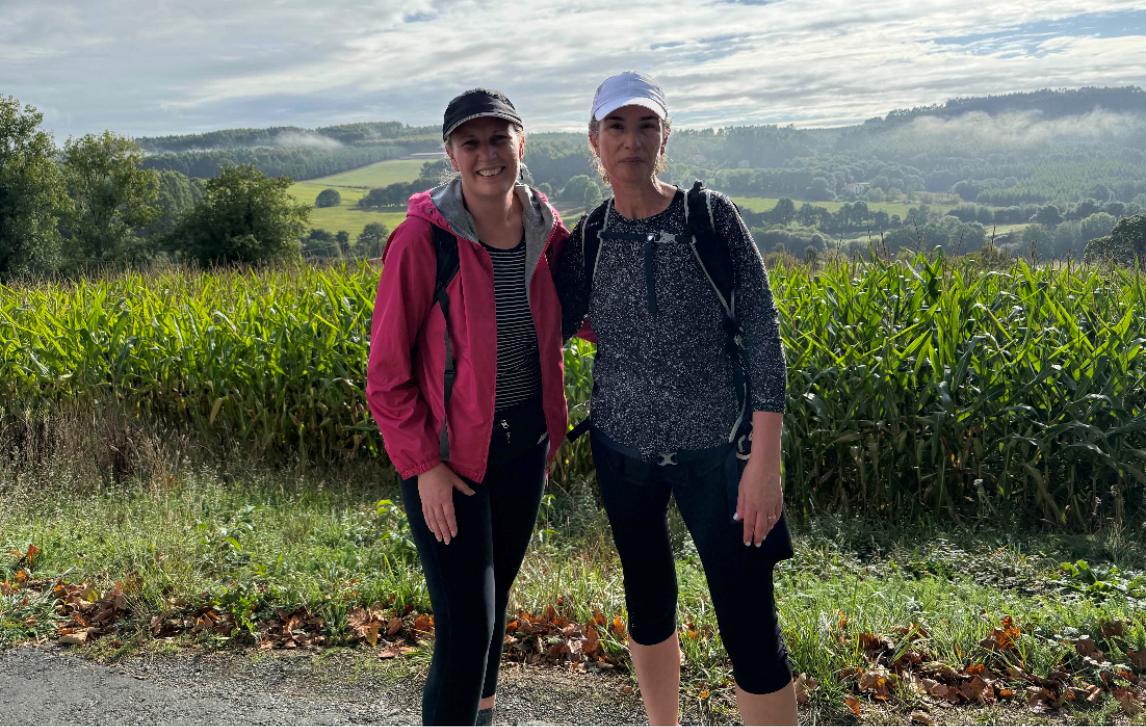

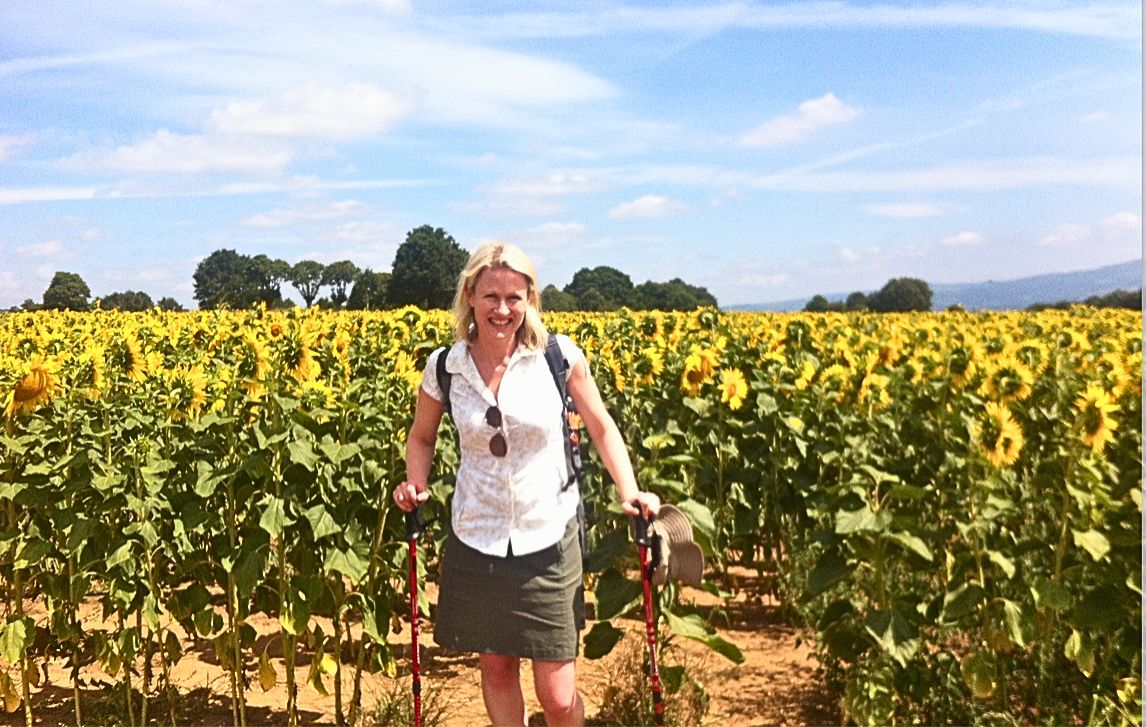
An incredible experience, helped made possible by RAW Travel. Loved all of it – walking, friendships, country. Lilia was a great listener! We added additional days for our trip due to our age (65), and she knocked it out of the park on knowing where to insert the time we needed to have shorter daily walks. Couldn’t have done it any better! It was the most amazing experience we have ever had, and we mentioned your company often to people who asked. The fact that we never had to wonder where our luggage was was fantastic! Each accommodation was unique, and we could tell that you put effort in finding unique places to stay. We also got to know other people who were on the same journey to Santiago because we were staying at the same locations, and became very close with many of them. A blessing we did not anticipate, but made the trip so much more memorable.
Steve Schwefel, Wisconsin (USA) – November 2025
A great experience with fantastic support from RAW Travel. The experience of unfurling landscapes, revealing history, culture, stories and random engagements, along with the variation in accommodation, which provided differing experiences, made it truly memorable.
Andrew Morton, Hawthorn East (VIC) - August 2026
Fabulous mixture of amazing well located accommodation and itinerary was perfect!
Majella Fowler, Mount Martha (VIC) - September 2026
Great experience! Great hotels and great local support. I loved being outdoors and walking for six weeks, without having to arrange accommodation or carry a heavy backpack.
Peter Lotz, Templestowe (VIC) - April 2026
Accommodation was as expected and organisation from RAW was excellent. I most enjoyed being out in nature, with nothing to distract us, and talking to people we wouldn’t normally come across.
Michael Caruana, Castle Hill (NSW) - April 2026
Itinerary
Your Journey
SECTION 1: ST JEAN PIED DE PORT TO PAMPLONA
Distance: Approx. 67 km | Typical walking time: 3–4 days
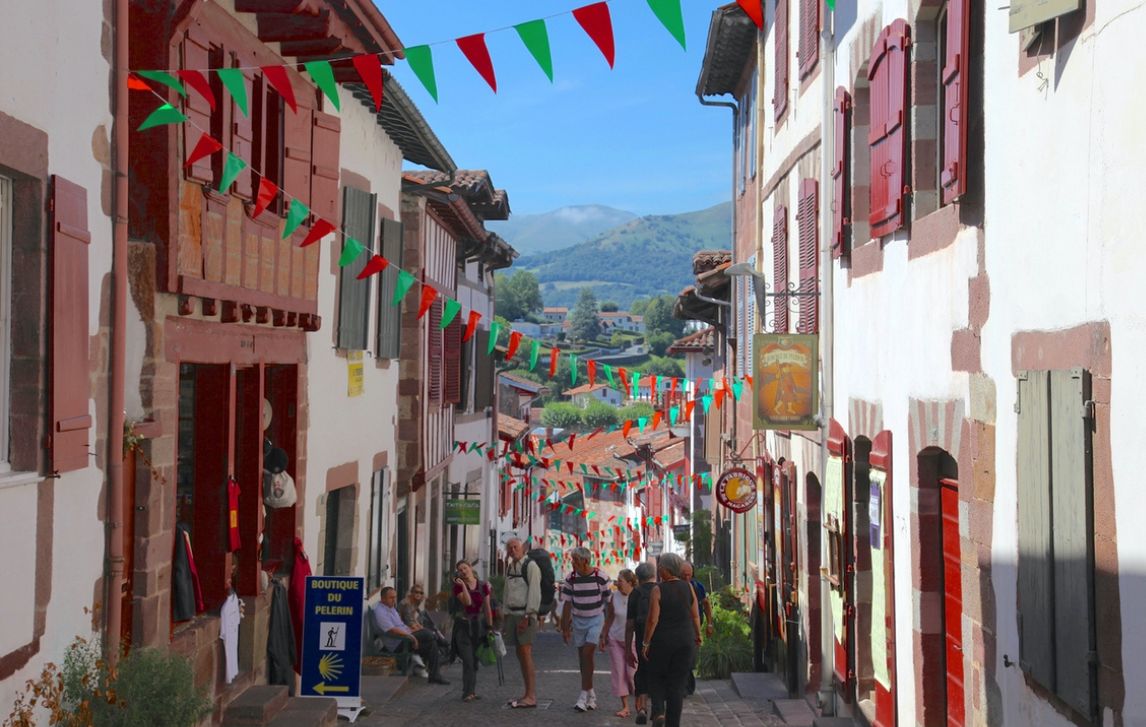
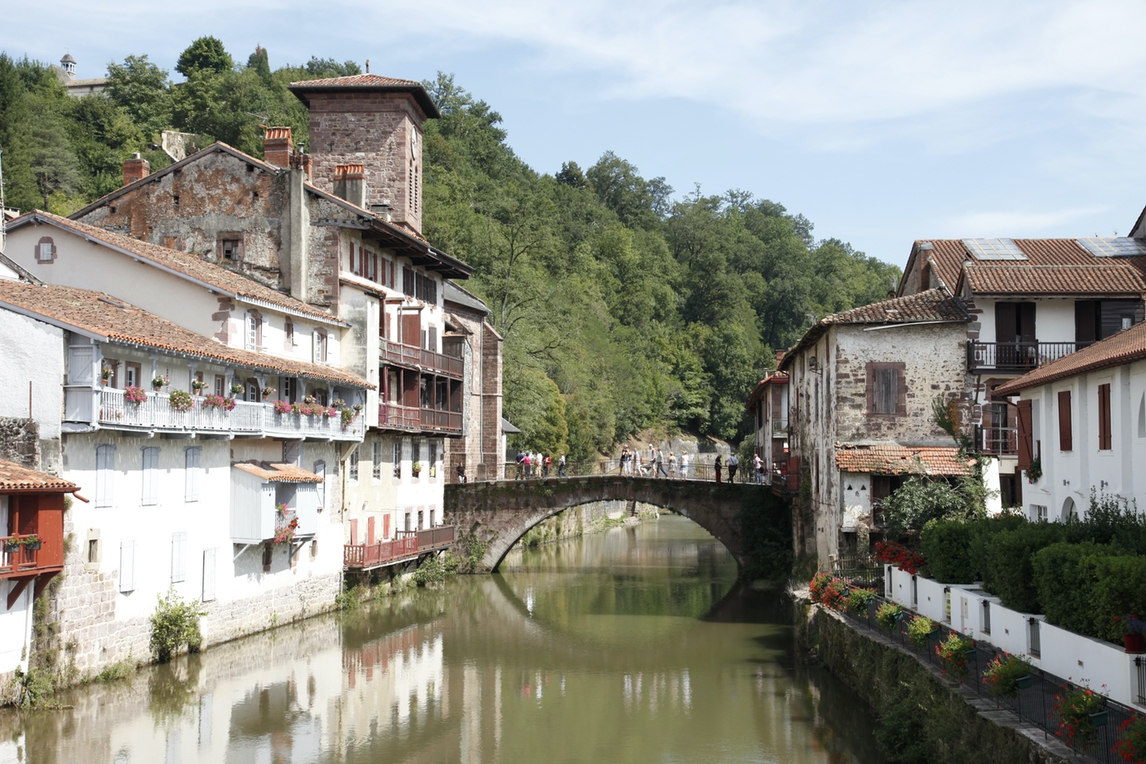
Begin your Camino Francés in the French Basque town of Saint-Jean-Pied-de-Port, the traditional starting point for this section of the Camino. From here, cross the Pyrenees into Spain on one of the most memorable stages of the route. This opening section offers a rewarding introduction to the Camino, with mountain landscapes, traditional villages and a strong sense of pilgrimage history. The crossing into Spain is a challenging start, particularly for those new to long-distance walking, but reaching Roncesvalles is a highlight for many pilgrims. From here, the trail continues towards Pamplona, where you can enjoy the energy and character of one of northern Spain’s most celebrated cities.
Build your own trip or explore our existing individual itineraries below, all starting in Saint-Jean-Pied-de-Port. Choose an itinerary that suits you or get in touch with our Camino experts to tailor your journey around your preferred travel dates, hiking ability and interests.
SECTION 2: PAMPLONA TO BURGOS
Distance: Approx. 218 km | Typical walking time: 9–12 days
Leaving Pamplona, this section takes you through the varied landscapes of Navarra and La Rioja before entering Castilla y León. Along the way, you’ll experience the changing character of the Camino, from rolling countryside and vineyard landscapes to historic towns and quieter rural stretches. It’s a rewarding section for walkers who enjoy a combination of cultural interest, open landscapes and the everyday rhythm of life along the trail. With a mix of terrain and some steady climbs, it offers a good balance of challenge and discovery as you make your way towards Burgos.
Build your own trip or explore our existing individual itineraries below, all starting in Pamplona. Choose an itinerary that suits you or get in touch with our Camino experts to tailor your journey around your preferred travel dates, hiking ability and interests.
SECTION 3: BURGOS TO LEON
Distance: Approx. 180 km | Typical walking time: 8-9 days
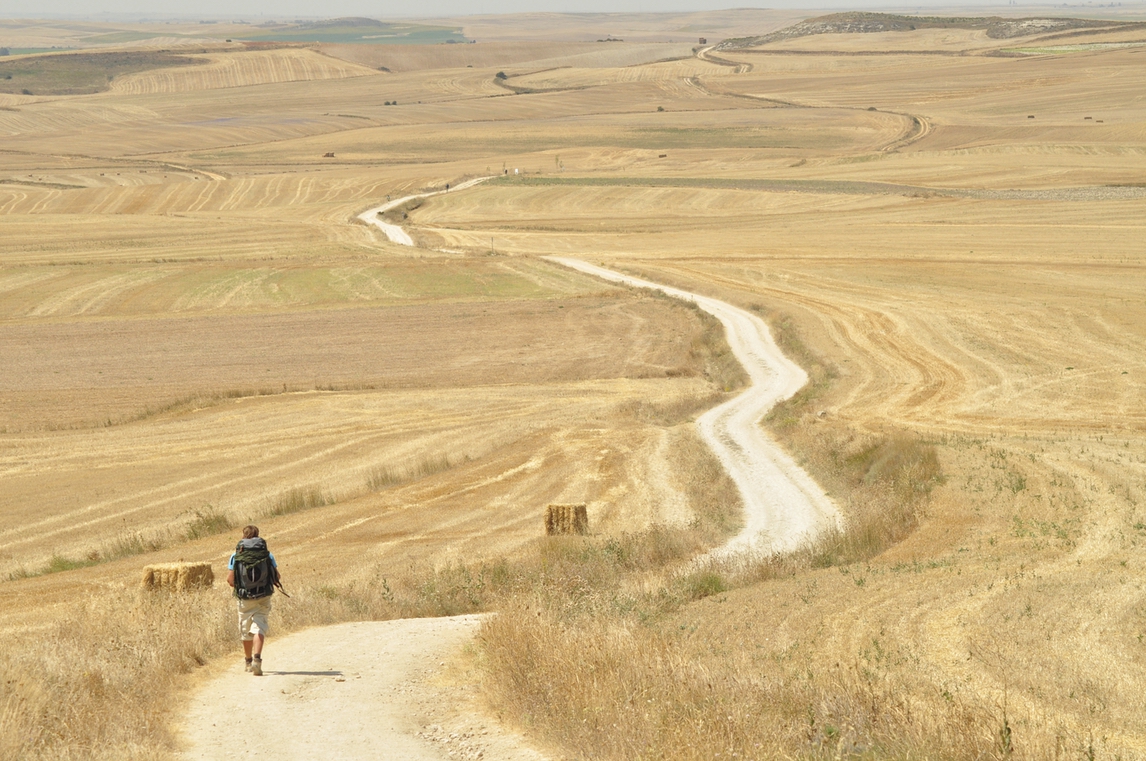
Cross the expansive Meseta, the vast central plateau of Spain, on a section of the Camino that offers a very different experience from the mountainous stages. The landscape is characterised by open horizons, agricultural plains and traditional villages, with long walking days that invite you to settle into the rhythm of the trail. While the scenery is more understated, many walkers find this section particularly rewarding, offering time and space to reflect and enjoy the simplicity of the journey. Your arrival in León provides a welcome change of pace, with its impressive architecture, lively atmosphere and rich cultural heritage.
SECTION 4: LEON TO SARRIA
Distance: Approx. 190-200 km | Typical walking time: 9–11 days
For many walkers, this is one of the most rewarding sections of the Camino Francés. Leaving León, the route gradually transitions from the open landscapes of Castilla y León towards the greener, more mountainous scenery of Galicia. Along the way, you’ll pass through historic towns, traditional villages and some of the Camino’s most memorable landmarks. This section combines cultural interest with more challenging walking, including mountain ascents and rewarding views. It’s an excellent choice for those wanting a varied Camino experience, with plenty of opportunities to enjoy the character and traditions of northern Spain.
Build your own trip or explore our existing individual itineraries below, all starting in Leon. Choose an itinerary that suits you or get in touch with our Camino experts to tailor your journey around your preferred travel dates, hiking ability and interests.
SECTION 5: SARRIA TO SANTIAGO
Distance: Approx. 115 km | Typical walking time: 5–10 days
Walk the final section of the Camino Francés, joining pilgrims from around the world as you make your way towards Santiago de Compostela. This popular stretch offers a wonderful introduction to the Camino, with a mix of countryside paths, small villages and welcoming places to stop along the way. The walking is generally more manageable than some earlier sections, making it a popular choice for those with limited time or experiencing the Camino for the first time. Reaching Santiago and arriving at the cathedral is a memorable way to complete your journey.
Build your own trip or explore our existing Individual itineraries below, all starting in Sarria and finishing in Santiago. All Sarria to Santiago individual itineraries cover the same stretch of trail, but vary in the number of walking days and daily distances. Choose the option that best suits your preferred pace, hiking ability and travel dates.
SECTION 6: SANTIAGO TO FINISTERRE
Distance: Approx. 90 km | Typical walking time: 4 days
Continue your journey beyond Santiago and walk towards the Atlantic coast on the Camino Finisterre. This optional extension offers a different perspective on the Camino, taking you away from the busier pilgrimage route and into the quieter landscapes of rural Galicia. Follow country paths and woodland trails through traditional villages before reaching the rugged coastline and the historic town of Finisterre. For many walkers, continuing to the coast provides a fitting conclusion to their Camino, offering extra time to reflect on the journey and enjoy a different side of Galicia.
Build your own trip or explore our existing individual itinerary below. This section can be walked on its own or combined with other stages to create a longer Camino journey.
MAP
CAMINO DE SANTIAGO ROUTE MAP
Saint-Jean-Pied-de-Port
This delightful mountain town in the foothills of the Pyrenees is the traditional starting point for the route most pilgrims take to walk the Camino Francés. You will see many people arriving and preparing for the challenging crossing. Decide if you will take the Napoleon route (very scenic but more difficult) or the Valcarlos route (for bad weather).
CLICK ON A PIN TO REVEAL INFORMATION ABOUT THAT LOCATION
Roncesvalles
Roncesvalles (‘the valley of thorns’) is a beautiful spot still cloaked in a medieval atmosphere. Make sure you visit the beautiful 12th-century church, cloisters and museum.
Akerreta
In the small village of Akerreta, about 6km past Zubiri and 17km before Pamplona, there is a beautiful converted country house (casa rurale) that featured in the movie ‘The Way’.
Pamplona
This vibrant Spanish city is bursting with artistic, historical and gastronomical highlights! We recommend dining in the city’s award-winning restaurants that specialise in elaborately prepared ‘pinchos’ (finger foods) and doing a foodie tour.
Puenta de la Reina
The small town of Puenta de la Reina (translated as ‘Bridge of the Queen) is famous for its perfectly balanced 11th century stone bridge; it’s one of the most famous photos of the Camino. It is the point where the Camino Francés meets the Aragonese Route. As a result of the two paths crossing, Puente la Reina has been a major meeting point along the Camino for hundreds of years.
Estella
Estella is a lovely small town split in two by the Ega River and surrounded by conic, wooded hills topped with castles (or their ruins) and churches attesting to its long history as a crucial centre of commerce. Just outside of Estella you will find the famous Irache fountain that dispenses free red wine to thirsty pilgrims (courtesy of the Bodegas)!
Los Arcos
Los Arcos is another charming village situated along the Camino. It is a classical pilgrim halt that is known for its old town, with cobbled streets and well-preserved buildings. The village offers a range of services for pilgrims, including restaurants, grocery stores, pharmacies and medical facilities.
Logroño
The capital of the La Rioja region is home to some of Spain’s most celebrated red wines. It has one of the most distinguished culinary traditions in Spain. There are over 50 taperías (tapas restaurants) located within a four-block area close to the town centre. The traditional tapas restaurants often serve only one tapa (such as mushroom), served as pincho (pintxo in Basque), meaning one serving. Many pilgrims also elect to include a rest day here.
Nájera
Historically important, Nájera was used by Navarran kings during medieval times after King Garcia Sanchez chose it as his base. The town is built on the banks of the river Najerilla and along its banks, you will find the Monasterio and Iglesia de Santa María La Real built in 1032. You enter this town via the modern eastern quarter and the old town sandwiched between the river Najerila and the towering rock face that acts as a spectacular backdrop with its ancient Castillo.
Santo Domingo de la Calzada
This town owes its inspiration to Saint Dominic of the Road who dedicated his life to improving the physical route for the pilgrims and built a pilgrim’s hospital (now the Parador) and a church which has now evolved into the Cathedral. Both buildings are located in the historic town square Plaza del Santo where you will find a good variety of places to eat and shop.
San Juan de Ortega
This small village in the province of Burgos is home to the Monastery of San Juan de Ortega, a Romanesque architectural gem. Setamidst beautiful forests and fields, it is peaceful and tranquil.
Burgos
Burgos is sometimes known as the Gothic capital of Spain. The Burgos Cathedral is one of the most iconic landmarks in the city. This UNESCO World Heritage Site is often considered one of the most beautiful cathedrals in Spain. The city’s dining scene offers a taste of Castilian gastronomy. Pilgrims often have a rest day here.
Hornillos del Camino
In this classic pilgrim village, little has changed over the centuries. It is a great place to immerse yourself in the ancient atmosphere of ‘the way’. Once you leave Hornillos del Camino you are again travelling along the Meseta. There are few towns en route to Castrojeriz, so make sure you are well stocked with any water and supplies you may need.
Castrojeriz
Castrojeriz is the perfect place to rest for the night as it is a small sleepy town with an obsession for siestas. If you still have enough energy it is well worth the walk to the hilltop castle Castillo where you enjoy lovely views over the town and countryside. If not, relax with a beer in one of the local bars.
Frómista
Frómista is best known for the beautiful 11th century Iglesia de San Martin which was built with gorgeous mellow stone. With over 300 external corbels each carved with a different human, animal or mythical motif, this is a must-see site.
Carrión de los Condes
This fascinating town retains its medieval atmosphere with its quiet side streets. At one time it was home to no less than 14 pilgrim hospitals! The town has a variety of shops, bars and restaurants.
Terradillos de los Templarios
This small humble village of just 80 residents is the approximate halfway point of the full length Camino.
Calzadilla de los Hermanillos
This small village in the province of León is set amidst the beautiful Castilian landscapes, characterised by open plains, farmland, and the distant peaks of the Cantabrian Mountains. The scenery adds to the tranquil and rural ambiance of the place.
Mansilla de las Mulas
As you head towards the walled town of Mansilla de las Mulas the landscape becomes a little hillier with wine storage cellars and bodegas set into the hills. The town’s name is derived from the Latin ‘mansio’, which means ‘stopping place’. Notable landmarks include the Puerta del Sol, a medieval gate that was part of the town’s defensive walls, and the Church of Santa María, which is a beautiful example of Gothic architecture.
León
León is a beautiful city with an incredible Gothic cathedral, renowned for its marvelous stained-glass windows. In the evening the narrow streets and plazas come alive when locals flood the local bodegas, cafes and restaurants. León is surrounded by picturesque natural landscapes, such as the Picos de Europa mountain range and the green, hilly countryside of Castile and León. Pilgrims often have a rest day here.
Hospital de Órbigo
The small town of Hospital de Órbigo is famous for its remarkable medieval bridge, the Puente de Órbigo. This bridge, also known as the “Passo Honroso” (the Passage of Honor), was the site of a medieval jousting tournament where knights vied for the affection of a lady. The bridge and its history are significant for pilgrims on the Camino.
Astorga
Astorga has a rich history dating back to Roman times and remnants of Roman walls and mosaics can still be seen in the town. The cathedral is a Gothic and Renaissance masterpiece and a must-visit. Astorga is also famous for the Episcopal Palace designed by the renowned architect Antoni Gaudí. This modernist building is a distinctive architectural gem and now houses the Gaudí Museum.
Rabanal del Camino
This village has a long history related to the Camino de Santiago. It was historically known for its hospitality to pilgrims and many pilgrims find it to be a spiritually significant place.
Molinaseca
This picturesque village offers a charming atmosphere with its cobbled streets and a medieval bridge over the Meruelo River.
Villafranca del Bierzo
This charming town is nestled in the hills that mark the border into Galicia. Both Molinaseca or Villafranca del Bierzo are great places to consider an additional rest day.
O’Cebreiro
The atmospheric hilltop hamlet of O’Cebreiro feels vaguely Irish. It’s known for its straw roof houses (pallozas) and is located on the Galicia border, about 150km from Santiago.
Triacastela
Triacastela is a charming village located in the province of Lugo. It is surrounded by beautiful Galician landscapes, including rolling green hills, lush forests, and serene rivers.
Sarria
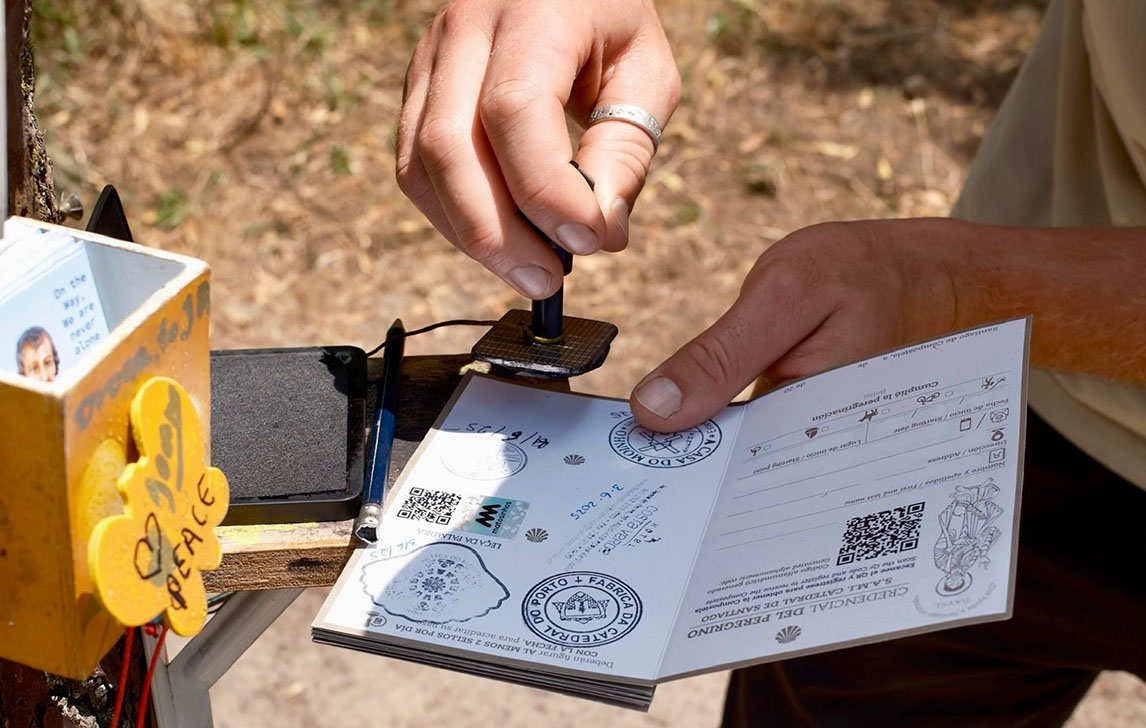
Sarria is a busy, modern town with plenty of shops, hotels, restaurants and bars. It is bustling with pilgrims – those who began their Camino hundreds of kilometres back as well as the large number that walk the final 100 km to Santiago de Compostela to qualify for their Compostela.
Portomarin
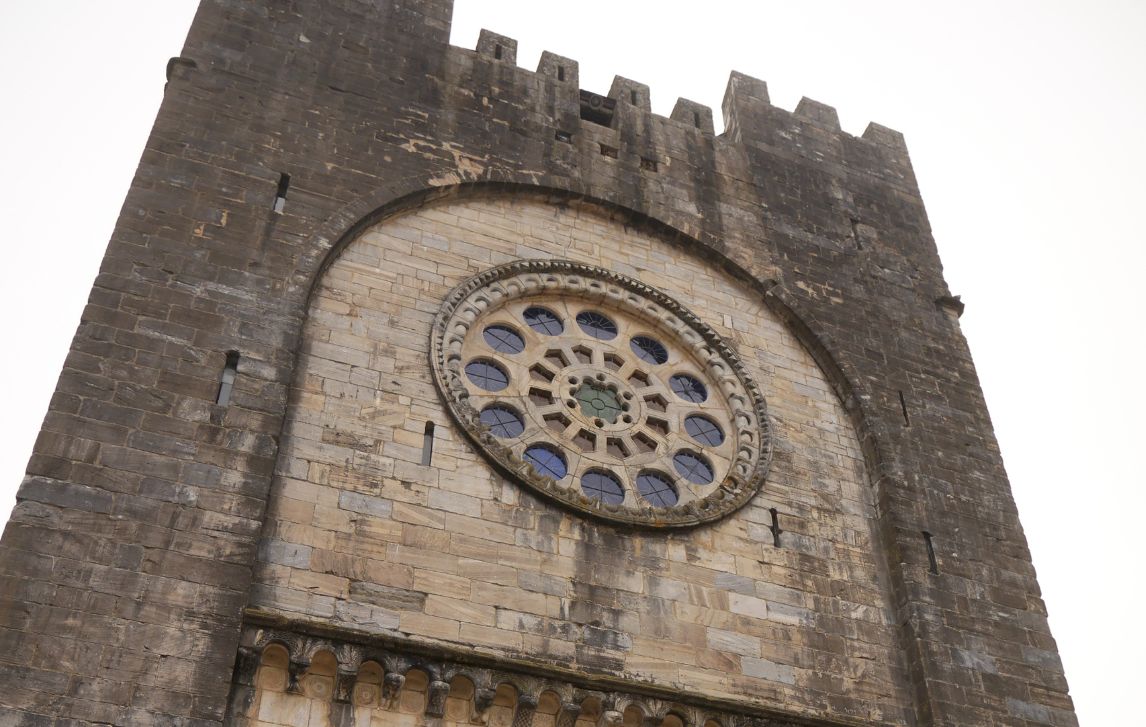
Portomarin has been inhabited for thousands of years and its importance grew with the popularity of the Camino in the middle ages. At one time it had three orders of Knights: the Knights Templar, the Knights of St John and the Knights of Jerusalem, which may go some way to explaining the castle-like edifice of the 12th century Romanesque Iglesia San Nicolas church which still stands in the square at the centre of town.
Palas de Rei
This town was a favourite place of residence of the Galician nobility and the importance of the Jacobean pilgrimage in this village goes back to time immemorial.
Arzúa
This is the last large town before you reach Santiago. It has plenty of restaurants bars and cafes and a few ATMs. The 14th century Capilla de la Magdelena is the town’s main monument. Arzúa is most famous for its local cheese, Queixo, a smooth creamy cheese made from cow’s milk which most restaurants feature in some way and is definitely worth trying.
O Pedrouzo
This small busy town has plenty of shops, restaurants and bars. It is the last stage of the Camino before entering Santiago de Compostela.
Santiago de Compostela
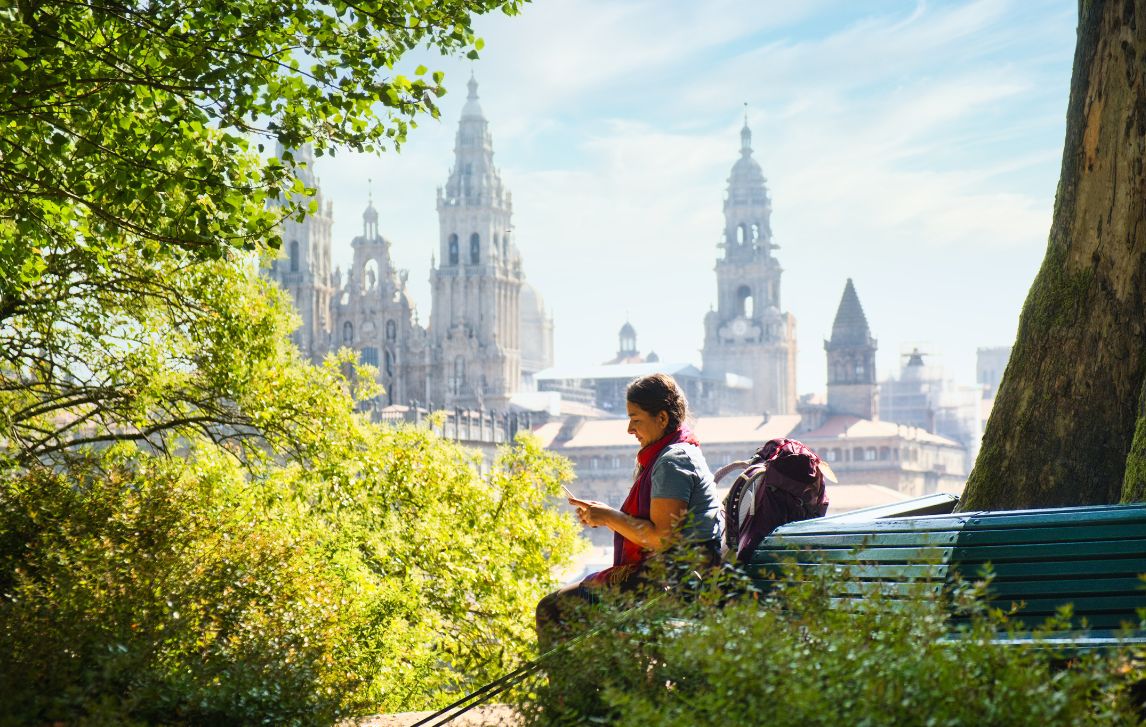
The wonderful and historic city of Santiago is the end of the Camino journey for most pilgrims. Praza do Obradoiro and the wonderful ancient Cathedral form the city’s heart. Attend the midday pilgrims mass and watch the steady stream of pilgrims arriving into the square as they finish their epic journey. There are many enticing tapas bars and restaurants in which to celebrate your journey.
Inclusions
What's included
INCLUDED
- Excellent accommodation including historic hotels and country houses
- Private en suite rooms on a twin share basis
- Daily breakfast
- Luggage transfer each day from hotel to hotel (1 x 20kg bag per person)
- RAW Travel navigation APP with maps of your hotel locations and emergency contact numbers
- Local emergency contact numbers
- Pre-trip Camino guidance and planning
- Dedicated local support person in Spain for reassurance
- Your completed trip counts towards RAW Traveller Rewards
Excluded
- Single supplement (subject to availability and itinerary)
- Solo traveller surcharge (subject to itinerary length)
- Lunches and dinners
- Travel insurance
- Flights
Extras
With our Individual Trips, you have the freedom to choose your own departure date and we’ll tailor the itinerary to suit your hiking preferences, subject to availability along the trail. Request an itinerary from our Destination Experts, and they’ll provide notes on days where walking distances can be adjusted, suggestions for adding rest days, and options for additional luggage transfers or upgraded accommodation.
For an extra indulgence, upgrade your stay in Santiago to the Parador, when booked six months in advance (subject to availability). Speak with our Destination Experts to find out more.
For itineraries finishing in Santiago, add a full-day guided tour of Galicia’s spectacular coastline, visiting Finisterre, Muxía and other highlights. Speak with our Destination Experts for details. We recommend adding an extra night in Santiago to enjoy this full day excursion.
For any part of your trip that falls between 31 October and 31 March, an out-of-season luggage transfer surcharge of $30 per person, per day applies.
Accommodation
WHERE YOU STAY
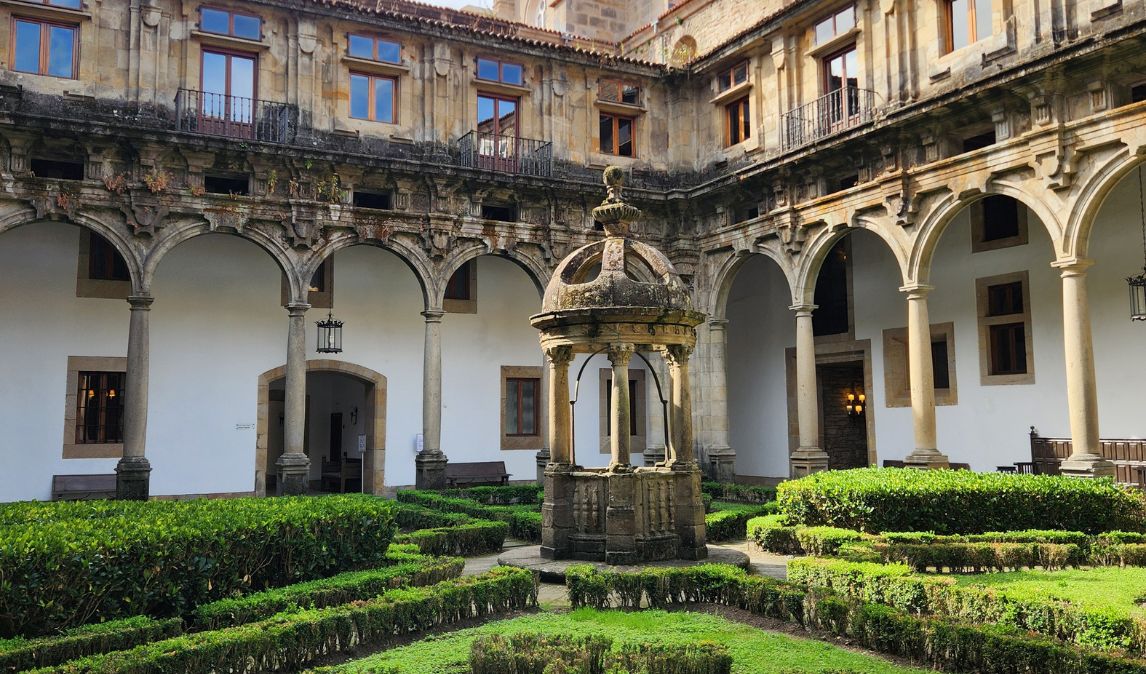
Accommodation on the Camino de Santiago offers travellers a diverse experience, from well-located approx. 3 to 3+ star hotels in cities and larger towns, to comfortable boutique stays and restored historical properties. In smaller villages and hamlets, we often use casa rurales – traditional rural homes that have been lovingly transformed into welcoming B&B-style stays, often run by local families. These provide a wonderfully authentic experience, full of character and warm Spanish hospitality. As the Camino passes through rural areas, not all accommodation is directly on the trail. If this is the case, your hosts will arrange pick-up and drop-off transfers, so you can enjoy a seamless walking experience.
on the trail
What its like underfoot
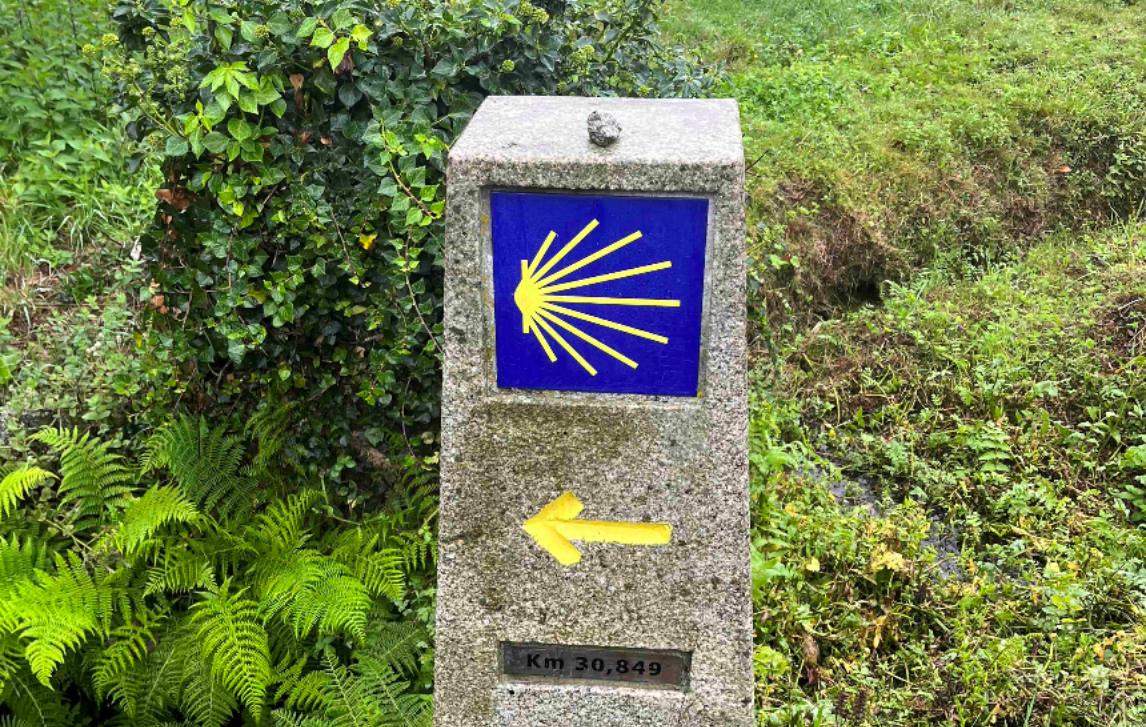
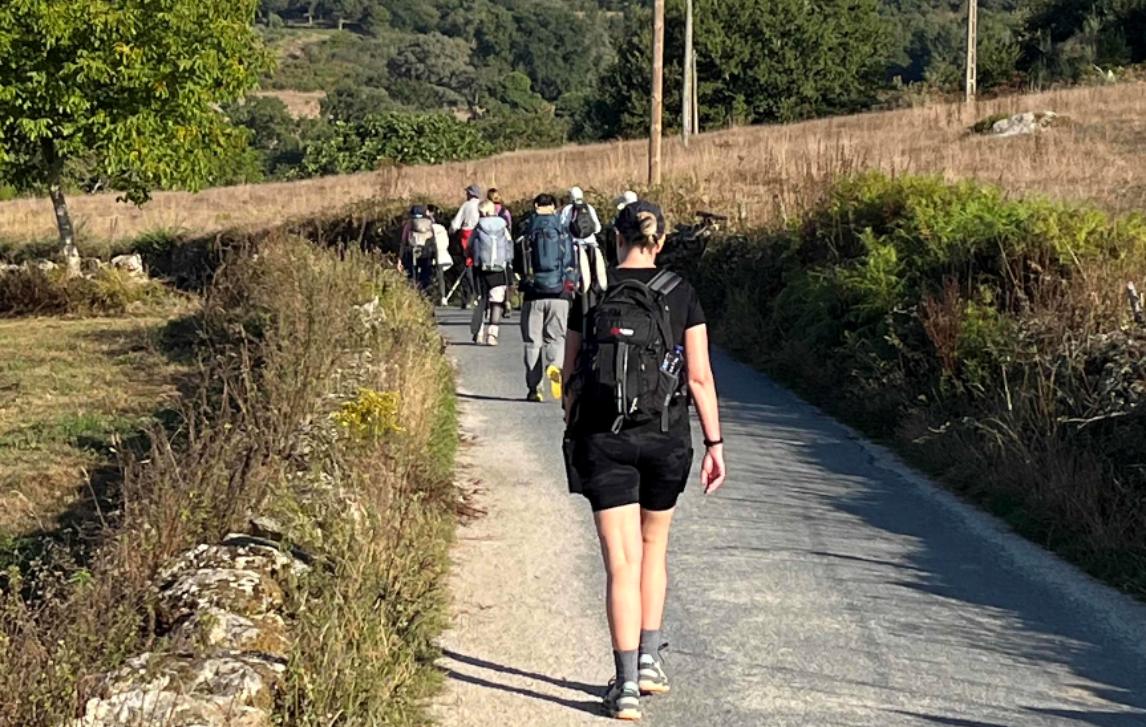
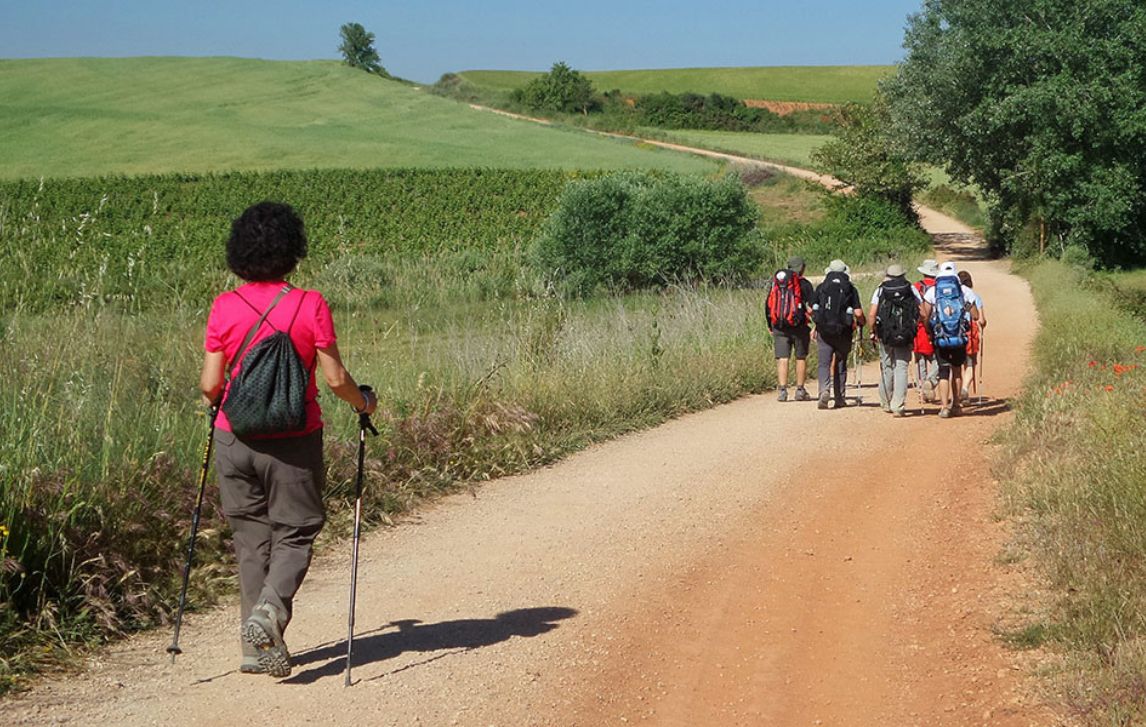
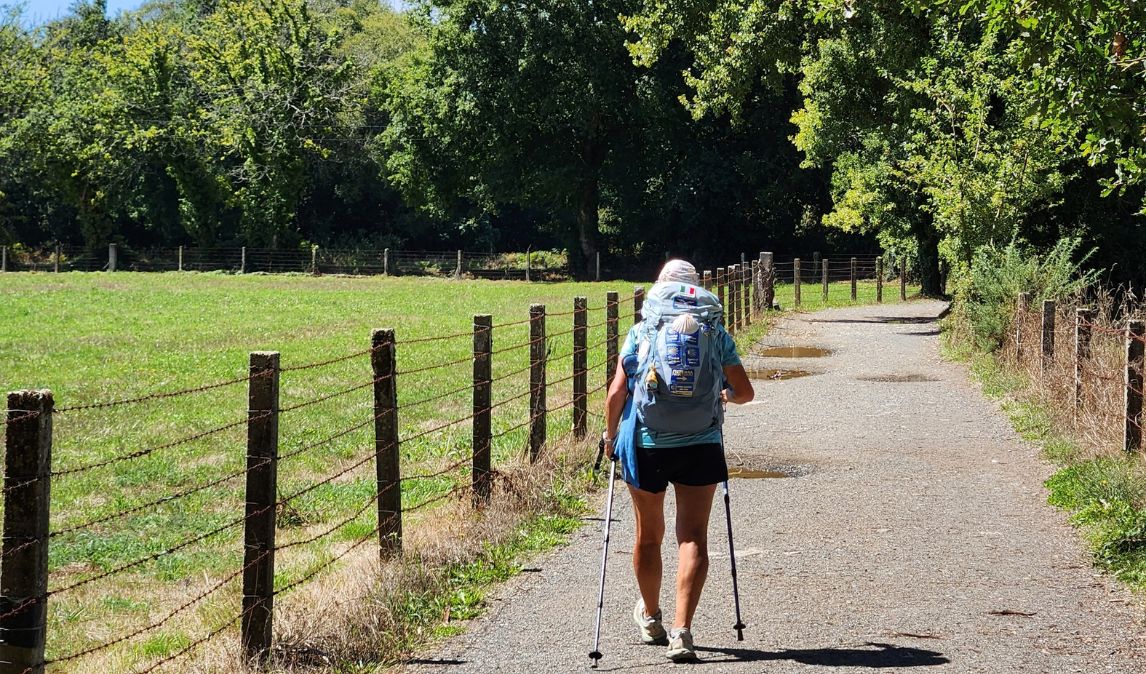
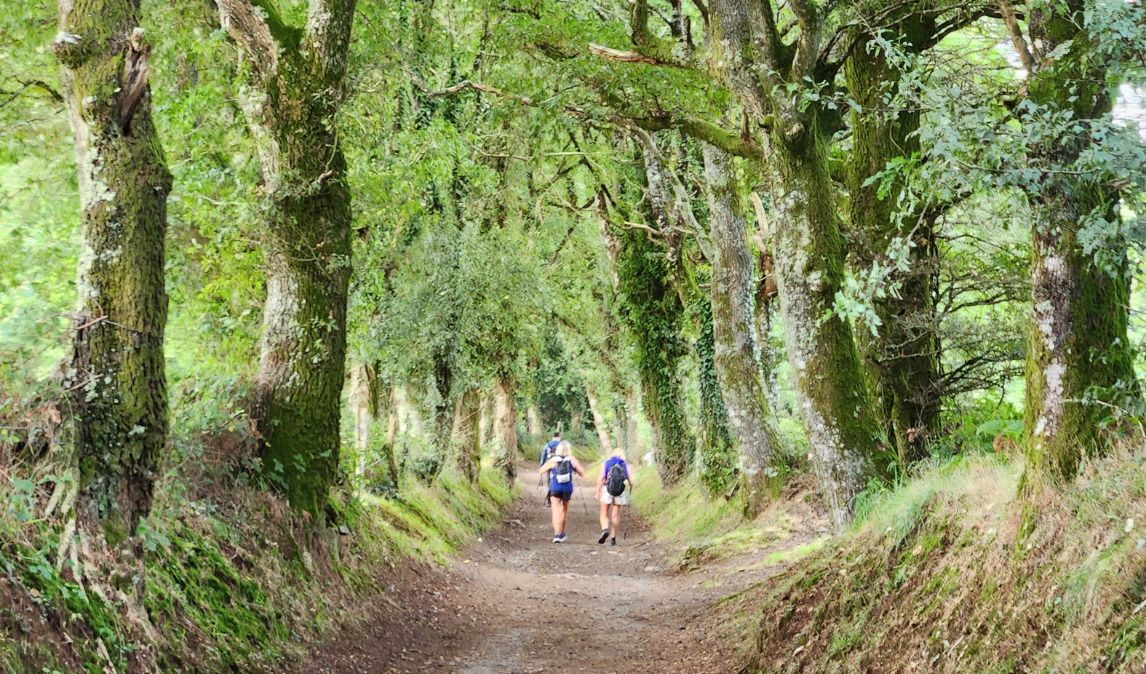
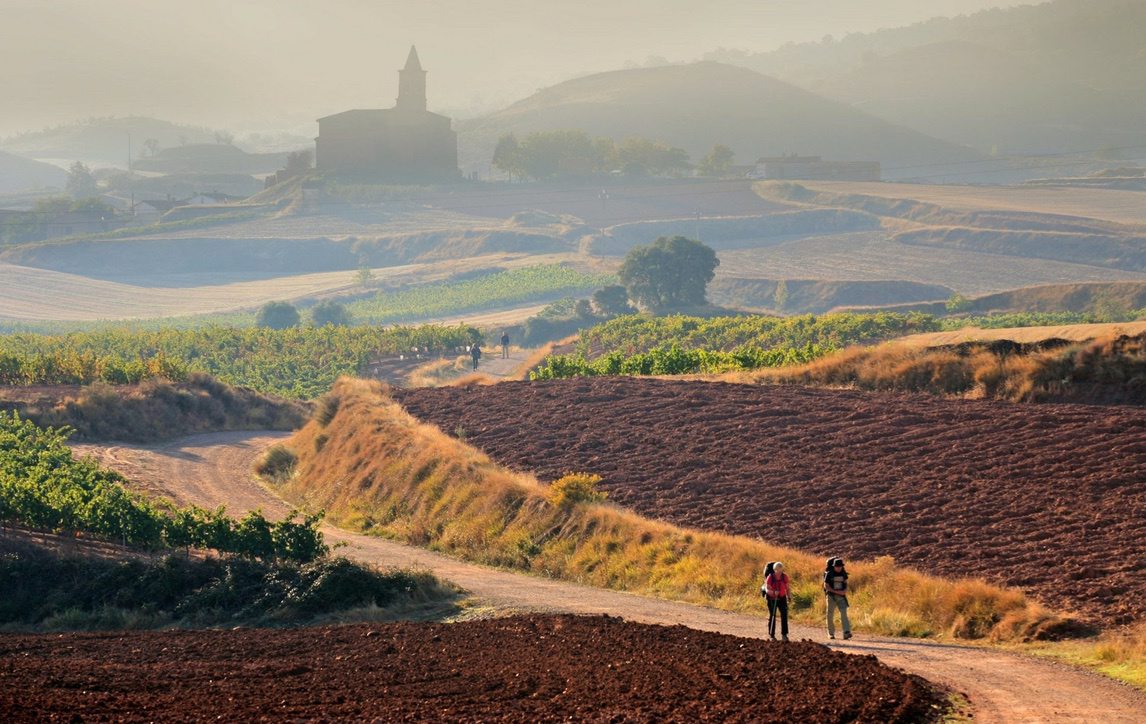
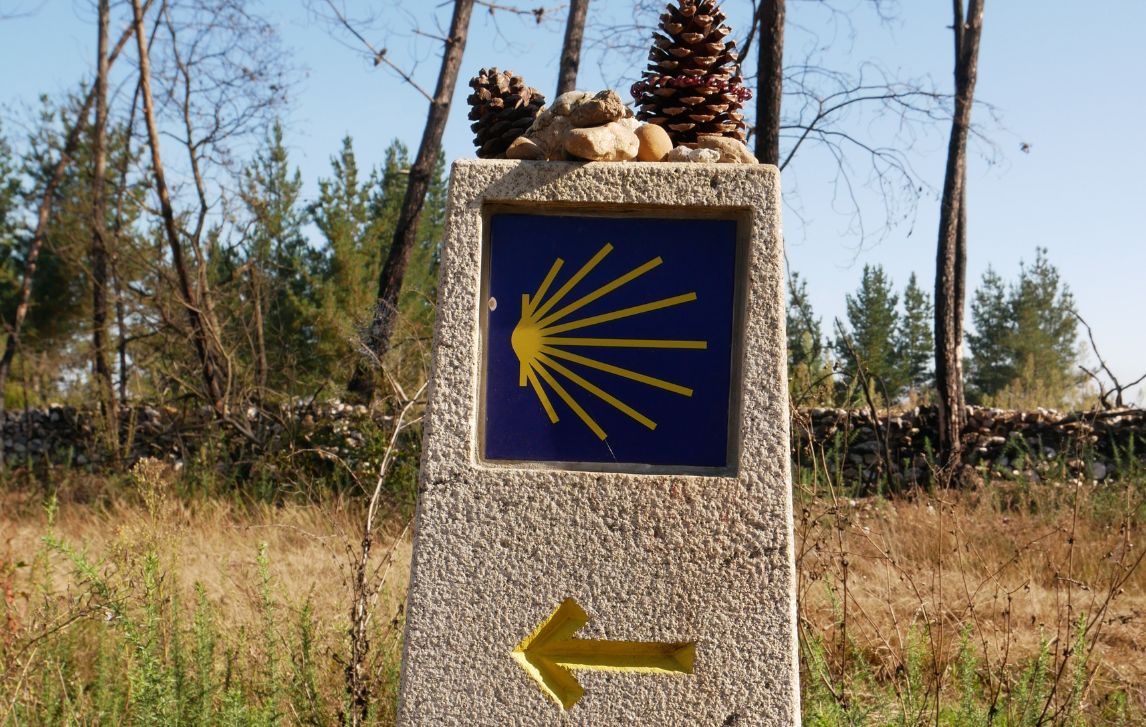
The Camino Frances covers a lot of different terrain over its full length. Sometimes you will walk on shepherd’s tracks through mountains, dirt paths through a forest or more commonly gravel tracks and roads. As you approach towns and cities, you will follow roads more and footpaths in the cities. There are three significant sets of mountains to cross with passes up to 1500m, and the great open expanse of the Meseta in the middle of the route. Often it is through rolling hills, particularly at the end in Galicia. This Camino is a standout for its famous camaraderie and suits all walkers. Whether you want to fully embrace the social pilgrim experience or enjoy solitude when needed, this walk strikes the perfect balance.
GASTRONOMY
FOOD & WINE
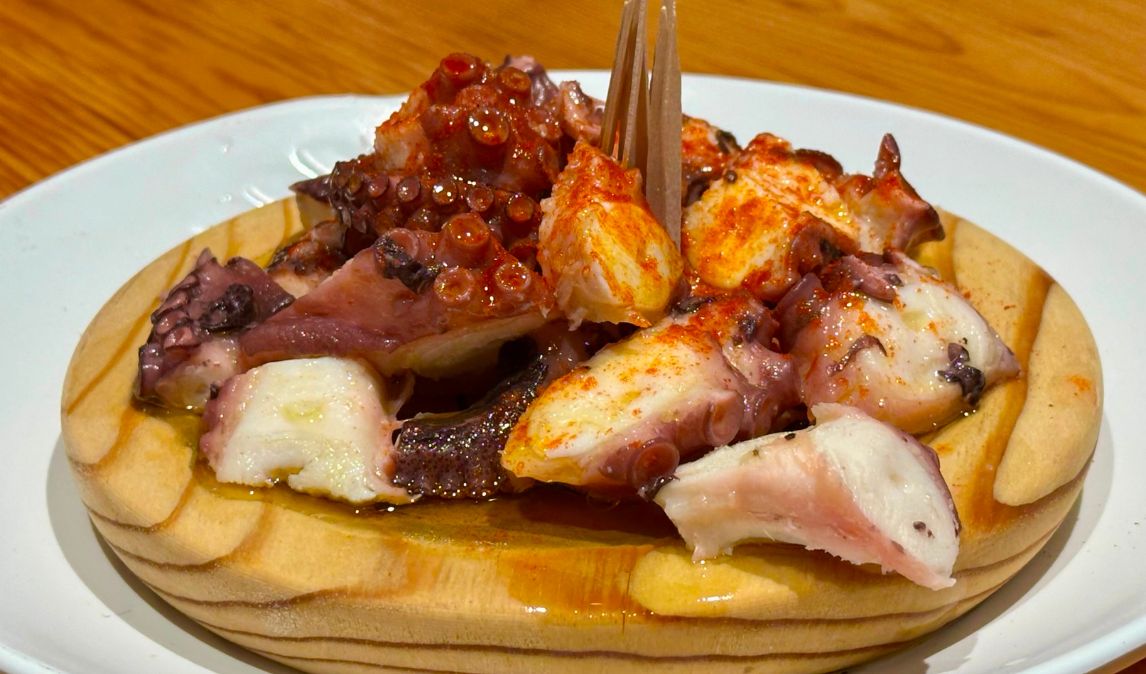
The Camino Francés offers a broad and accessible introduction to Spanish cuisine, with plenty of opportunities to enjoy regional dishes along the way. From Galicia’s famous pulpo a la gallega (octopus with paprika and olive oil) to the hearty stews and cured meats of Castilla y León, food plays a steady – if simple – role in the pilgrim experience. Most towns and villages offer pilgrim menus at local bars, restaurants and albergues, providing good-value no-fuss meals. While dining is generally more available than on more remote routes, it’s still a good idea to keep snacks on hand between smaller towns. Expect comforting, traditional fare that reflects the changing landscapes and cultures of northern Spain. Read more: Lunch on the Camino

Local Support
Walk with Confidence
While our destination experts assist you in planning your trip, you can feel confident knowing that once you’re on the ground, dedicated RAW Travel staff based in Spain are available to support you in real-time throughout your Camino journey. Their contact details will be included in your pre-departure information. Although our self-guided trips typically run smoothly, it’s reassuring to know that help is close at hand if needed. Get to know our support team in Spain: Germán & Daniel and Adrian.

TRIP INFO & NAVIGATION
RAW TRAVEL APP
Our app gives you access to your itinerary, accommodation details, emergency contacts and weather information in one handy place. The ‘Route Maps’ feature helps with navigation when trail markings or signage is unclear or not available. You can also use it to find your accommodation and key points of interest. You still need to be self-reliant with wayfinding. As with any phone app, it’s not intended to be used constantly as you walk. For the best results with trail navigation, we recommend that you follow trail and road signs, and as a backup refer to a paper map or guidebook and our app. It’s essential to download and explore the RAW Travel app before your trip – it’s full of handy features to support your journey. Find out more here.
FAQs
CAMINO FREQUENTLY ASKED QUESTIONS
Can I customise my own Camino itinerary?
Absolutely! With RAW Travel’s Build Your Own Camino, you can create a personalised Camino de Santiago walking holiday to suit your schedule, interests and walking pace. Choose your preferred Camino route, where you’d like to start and finish, and how many days you want to walk. Our Camino specialists will help bring your journey together, taking care of the arrangements so you can focus on the experience.
Can I build my own cycling Camino?
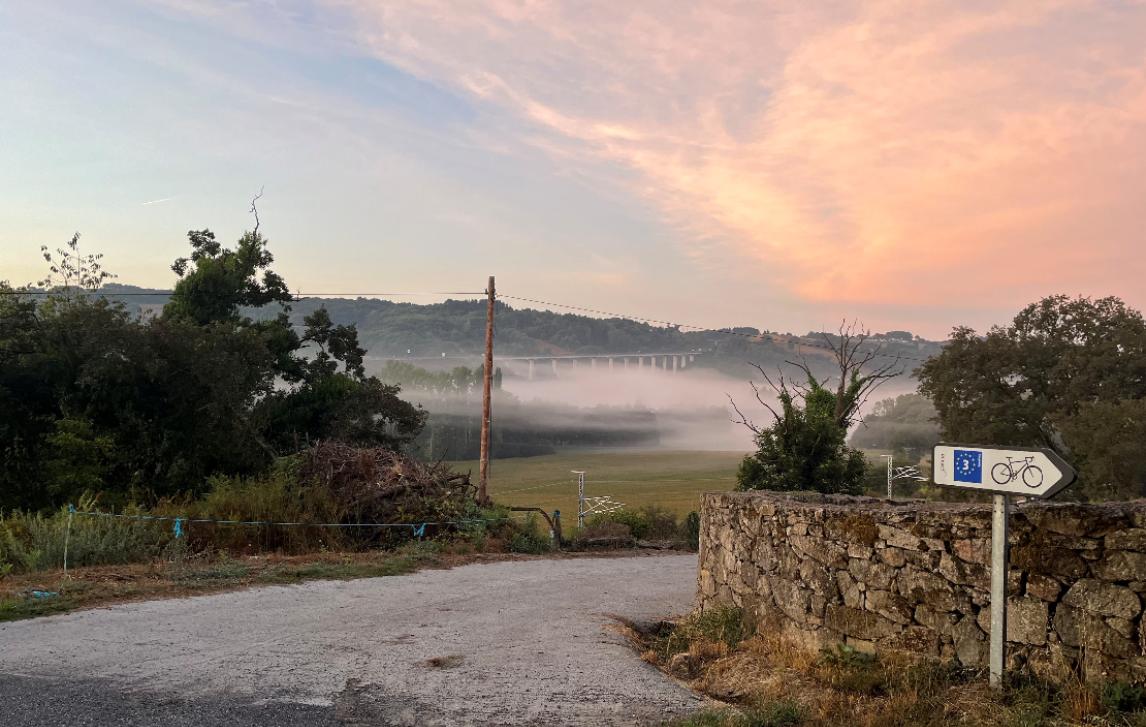
Yes! All our Camino Francés cycling itineraries start in Pamplona, with mountain bike and e-bike options available. Read our Guide to Cycling the Camino to learn more, then complete our enquiry form to register your interest.
How much does the Camino de Santiago cost?
The cost of walking the Camino de Santiago depends on your chosen route, trip length, accommodation and travel preferences. RAW Travel’s Build Your Own Camino offers transparent per-night pricing, allowing you to plan a self-guided Camino holiday around your budget. Choose how many nights you’d like to stay and customise your journey, with a clear understanding of your trip costs before booking.
Can I walk just part of the Camino de Santiago?
Yes! You don’t need to walk the entire Camino de Santiago to enjoy an incredible experience. Many walkers choose to complete shorter sections over six to ten days, while others return year after year to continue their journey. With Build Your Own Camino, you can choose a section that suits your available time and pick up where you left off on a future trip.
Which Camino de Santiago route should I choose?
The Camino Francés is the most popular route, known for its historic villages, beautiful countryside and welcoming pilgrim atmosphere. The Camino Portugués offers charming towns and coastal options, while the Camino del Norte follows Spain’s spectacular northern coastline. For those seeking a more challenging experience, the Camino Primitivo takes you through mountainous landscapes and quieter trails. Other options include the Le Puy Camino in France, with its beautiful rural scenery and rich pilgrimage history, and the Camino Inglés, a shorter route through the historic landscapes of Galicia.
Not sure which route is right for you? Our Camino specialists can help you choose based on your interests, fitness level and available time. You can also watch our Camino webinar, where RAW Travel’s Camino specialists explore the different routes and what makes each one unique.
Can I walk the Camino de Santiago at my own pace?
Yes! That’s the beauty of building your own Camino. Rather than following a fixed itinerary, you can plan your walking days around your preferred pace and fitness level, subject to suitable accommodation and available stopping points. Add rest days, explore historic towns or spend extra time enjoying the local food and culture. Your Camino should feel like your journey, not a race to the finish.
How many days do I need to walk the Camino de Santiago?
You can enjoy a rewarding Camino experience in as little as six days, or spend five weeks or longer walking an extended route. With Build Your Own Camino, you can choose a trip length that suits your available time, with all itineraries requiring a minimum of 6 days / 5 nights.
Can I walk the Camino de Santiago without carrying a heavy backpack?
Yes! RAW Travel can arrange luggage transfers between eligible accommodations, allowing you to walk with just a small daypack containing your daily essentials. Your main luggage is transported ahead while you enjoy the trail. It’s a comfortable way to experience a self-guided Camino without carrying everything on your back.
Is it safe to walk the Camino de Santiago independently?
The Camino de Santiago is a well-established network of pilgrimage routes, with waymarkers, villages and fellow walkers along many sections. A self-guided Camino gives you the freedom to walk independently while benefiting from professional trip planning and local support. RAW Travel helps you prepare with route information, accommodation arrangements and practical advice so you can set out feeling informed and confident.
Can I walk the Camino de Santiago solo?
Absolutely! The Camino is a wonderful experience for solo travellers, offering independence alongside opportunities to meet fellow pilgrims from around the world. With RAW Travel’s self-guided Camino holidays, you can enjoy the freedom of walking alone while having your accommodation and key arrangements organised in advance. Single-room supplements may apply depending on your itinerary.
When is the best time to walk the Camino de Santiago?
The best time to walk the Camino de Santiago in Spain is from April to June and September to October, when temperatures are generally mild and conditions are ideal for a self-guided Camino walking holiday. Spring offers green landscapes, wildflowers and comfortable walking temperatures, while autumn brings pleasant weather and fewer crowds on many Camino routes. July and August are popular but can be very hot, particularly on the Camino Francés. The ideal time also depends on whether you’re walking the Camino Francés, Camino Portugués, Camino del Norte or Camino Primitivo, as weather conditions vary between routes. With RAW Travel’s Build Your Own Camino, you can plan a personalised Camino de Santiago itinerary around your preferred travel dates, walking pace and experience.
For more information on weather, temperatures and what to expect throughout the year, check out our Camino Walking Seasons guide.
What do I need to know before booking my Camino?
Visit our Top 25 Questions asked before a trip for everything you need to know about walking the Camino with RAW Travel, including accommodation, luggage transfers and more.

Exclusive Guide
Camino Expert Guide
Discover inspiration, travel essentials, practical information and more in our free Destination Guide. All you need to know about walking the Camino de Santiago routes through Spain, Portugal and France!
Walking the Camino is an incredible journey that will immerse you not only in Europe’s grand history, food and culture but most importantly the extraordinary camaraderie that exists along these routes. The spirit of the Camino de Santiago is alive and well among people from all over the world. It is a ‘bucket list’ experience you will never forget!

Portuguese Coastal Camino
Porto to Santiago – Portuguese Coastal Camino
- Savour the slower pace of this much quieter Camino
- Memorable encounters with friendly locals along the way
- Rest or explore with a free day in vibrant Porto
- Make an optional visit to Tui or a day trip to the Cies Islands
$3,995.00 AUD
Camino del Norte
The Full Camino del Norte
- Walk the full route through Basque Country, Cantabria, Asturias and Galicia
- Enjoy the distinct cuisine and local delicacies of each region
- Relax on some of the many world-famous beaches along the way
- Discover Spain’s rich history, architecture and culture
$9,195.00 AUD

Le Puy Camino (France)
The Full Le Puy Camino
- Stunning, ever-changing terrain
- Impressive architecture and historic UNESCO world heritage sites
- The most beautiful villages in France
- French culture, gastronomy and dialects across different regions
$8,995.00 AUD

Camino Primitivo
Camino Primitivo – Oviedo to Santiago
- Journey 320km on the oldest of the Camino de Santiago routes
- Embark on an epic adventure through the heart of Asturias and Galicia
- Stay in the historic cities of Oviedo, Lugo and Santiago
- Earn your pilgrim certificate & attend the pilgrim mass in Santiago
$3,355.00 AUD
Camino Inglés
Camino Ingles – Ferrol to Santiago
- Walk the full 120 km Camino Inglés from Ferrol to Santiago
- Follow a historic maritime pilgrimage route into the heart of Galicia
- Meet the 100 km requirement to receive your Compostela certificate
- Arrive in Santiago and attend Pilgrim Mass at the famous Cathedral.
$1,595.00 AUD

Camino de Santiago
Camino de Finisterre – Camino
- Discover a quieter, less visited section of the Camino
- Meander quiet woodland paths past Galician hórreos and remote moors
- Enjoy great seafood and local wine
- Walk into Finisterre and onward to the lighthouse at ‘the end of the world’
$995.00 AUD
Portuguese Coastal Camino
Lisbon to Santiago – Portuguese Coastal Camino
- Explore Lisbon’s abundant history, fine cuisine and lively culture
- Fresh cod and grilled sardines the world famous ‘Pastéis de Nata’
- Lush fields, olive and citrus groves, beautiful beaches and wild coastlines
- Roman remains, old Knights Templar towns, Moorish bastions
$8,595.00 AUD
TRIP date selection
when would you like to travel?
Please select your preferred dates for an on-demand trip or choose a scheduled group departure. Self-guided bookings are subject to accommodation availability and will be confirmed once all arrangements have been checked. All prices are in AUD.