
length
6 Days
difficulty
Moderate - Challenging
trip cost
From $2355 pp
Nature Immersion
Cultural Interest
Overview
The Sacred Pilgrimage Trail
This Kumano Kodo pilgrimage itinerary is perfect for those short on time or who prefer not to walk the full length of the trail. Travelling as part of a self-guided group, you’ll enjoy the independence of walking at your own pace while sharing the journey with like-minded travellers.
An escorted group dinner on Day 1 is a relaxed introduction to your fellow walkers and a taste of Japan’s renowned cuisine. During your journey you’ll visit all three grand shrines of the Kumano Sanzan, experience a traditional boat ride along the Kumano-gawa River and explore the region’s sacred landscapes that have inspired pilgrims for over a thousand years.
The Kumano Kodo offers a window into traditional Japan, contrasting beautifully with its ultra-modern cities. Rugged, forested mountains, tranquil valleys, rivers and waterfalls provide a spectacular backdrop for your walk. Seasonal highlights such as spring cherry blossom or vibrant autumn foliage add extra magic along the way. Each night, stay in welcoming minshuku and ryokans, where soothing onsens and delicious local meals await.
Walking the Kumano Kodo is an enriching way to experience Japan’s spiritual heart, natural beauty and warm hospitality.
 We are Japan experts! As the first Australian walking company to offer the Kumano Kodo in 2013, we are the most established operator on this trail and have the best local contacts, advice and resources.


Highlights
Get Ready For
- Visit all three Kumano Sanzan grand shrines, the spiritual heart of the pilgrimage
- Stay in traditional guesthouses and ryokans, experiencing warm Japanese hospitality
- Enjoy a serene boat ride along the Kumano-gawa River
- Savour authentic Japanese cuisine each evening

Client Experiences
On the Trail
Join RAW Travellers Robyn and Jan as they walk the Kumano Kodo in Japan to find out what they’ve enjoyed the most on this iconic walking trail.
READ: ‘A Sacred Journey’, Jetstar Magazine
Journalist Jayne D’Arcy discovers her inner pilgrim along the Kumano Kodo trail.
Reviews
What our clients say


I loved this trip! It was well organised, gave us an inside view of Japanese culture, history and religion and was the perfect challenge physically. It was a beautiful part of the country. I also loved being able to experience a more authentic cultural trip – even sleeping on mats and eating unfamiliar food! The route is so well signed that we were not at all concerned with getting lost and did not use the route mapping as often as I expected.
Lisa Wadge, Utah (USA) – June 2025

Excellent! Thank you very much. Congratulations on providing such comprehensive information pre-departure. The briefing at Tanabe was excellent, especially the detailed bus timetables with times highlighted. That took all the worry out of our trip and enabled us to choose how much or how little walking to do. Enjoyed the traditional Japanese accommodation too.
Angela de Reus, Launceston (TAS) – November 2024

My son and I had a wonderful experience from start to finish. We worked with Chris to deliver us a 6-day Kumano Kodo highlights experience that will live with us forever. Your help in sorting out admin and logistics behind the scenes gave us a flawless, self-guided experience we will never forget. So grateful for all your work in making this a truly memorable experience.
Craig Russell, Croydon North (VIC) – September 2025

Challenging walk in a beautiful environment. Went like clockwork, no hiccups. Great briefing from local staff, which we drew on the whole trip. The trip suited our age and ability and had flexibility within it. Mostly we took the challenge, which was very satisfying! Loved the variety of accommodation – Minshuku Chikatsuyu was fantastic, an amazing meal and beautiful hosts!
Gail Kelly, Auckland (NZ) – October 2024

It was wonderful from start to finish. Loved our time in the forest. Overall it was excellent, really very good value for money and we would never have found the places we stayed on our own.
Linda Dalton, Kalang (NSW) – October 2024

Beautiful and challenging way to experience the Kumano trail. Enjoyed experiencing parts of Japan that were not full of tourists, and staying in small villages with onsens.
Michelle & Luke Cahill, Maroubra (NSW) – October 2024

Your app and info was very thorough and paired with the briefing info made the self-guided walk easy to navigate. The food and hospitality was definitely a highlight and the peacefulness of walking through the forest and coming across shrines etc was amazing.
Alison Taylor, Auckland (NZ) - April 2023

Every part of this experience was professionally organised and delivered. Chris was amazing to deal with in the lead up and the trip was perfect. Everything was easy so we could focus on the journey. Loved the diversity of the experience, accommodation and food offerings – each was perfect in its own way.
Naomi Walsh, Trevallyn (TAS) - April 2023

What an amazing experience. The attention to detail, including the one-on-one tour orientation provided upon our arrival into Kii-Tanabe, was invaluable. We highly recommend RAW Travel! Thanks once again for the wonderful opportunity. We will cherish the moments we experienced along this magnificent and ancient trail.
John & Antonella Mihalinac, Moonee Ponds (VIC) – April 2019

Loved meeting the people at the homes I stayed in – they were just genuinely nice caring people. Arrived frozen and soggy wet at second place – amazing food and the chef’s lovely wife took my clothes away, dried them and sent me to their onsen bathtub – heaven!
Barbara Cahalane, Kihikihi (NZ) – March 2019



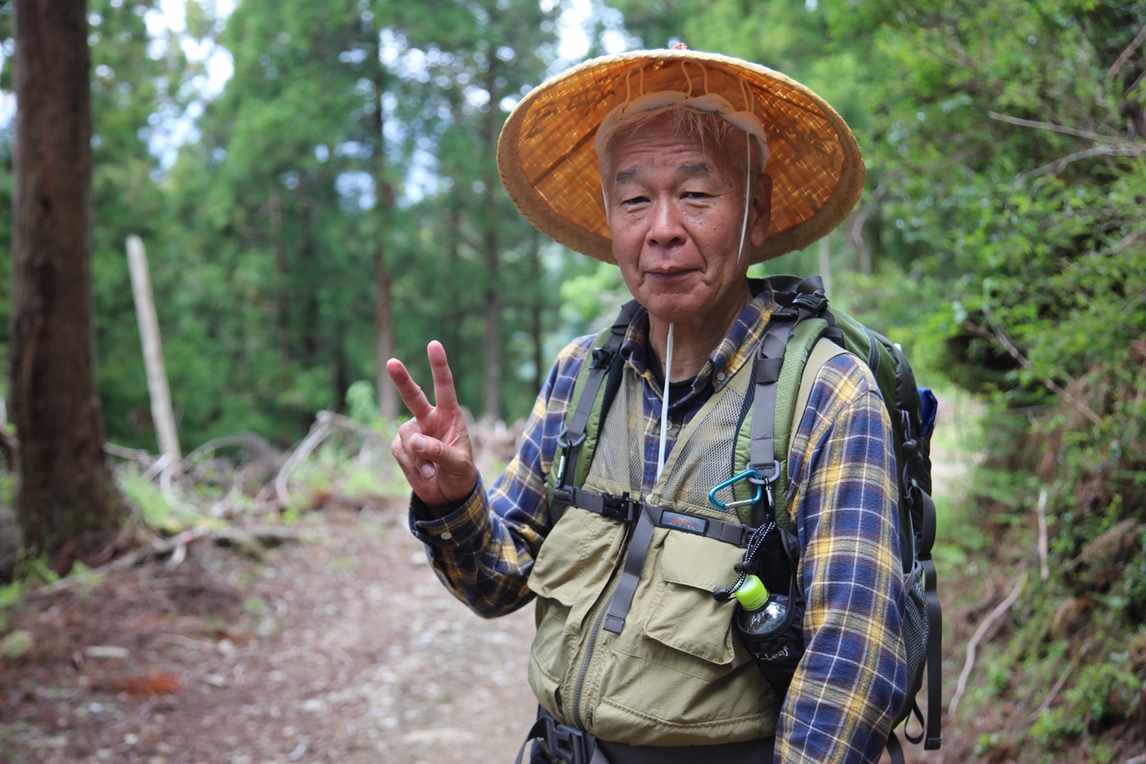
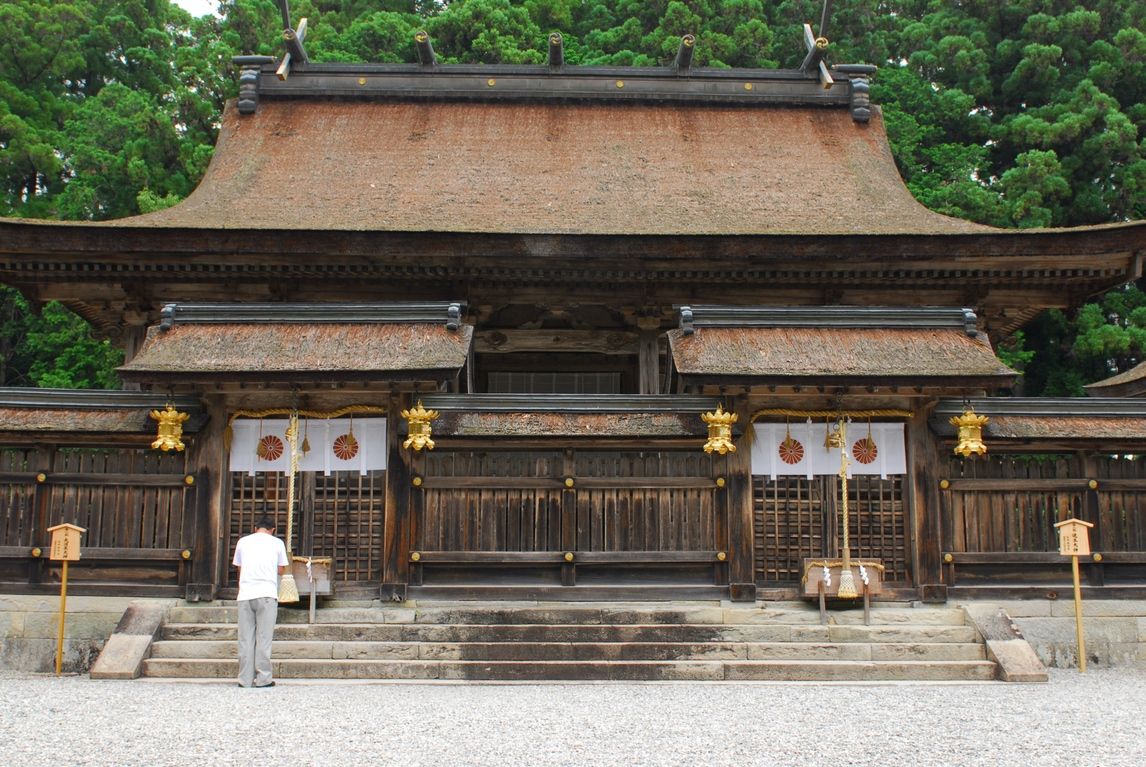
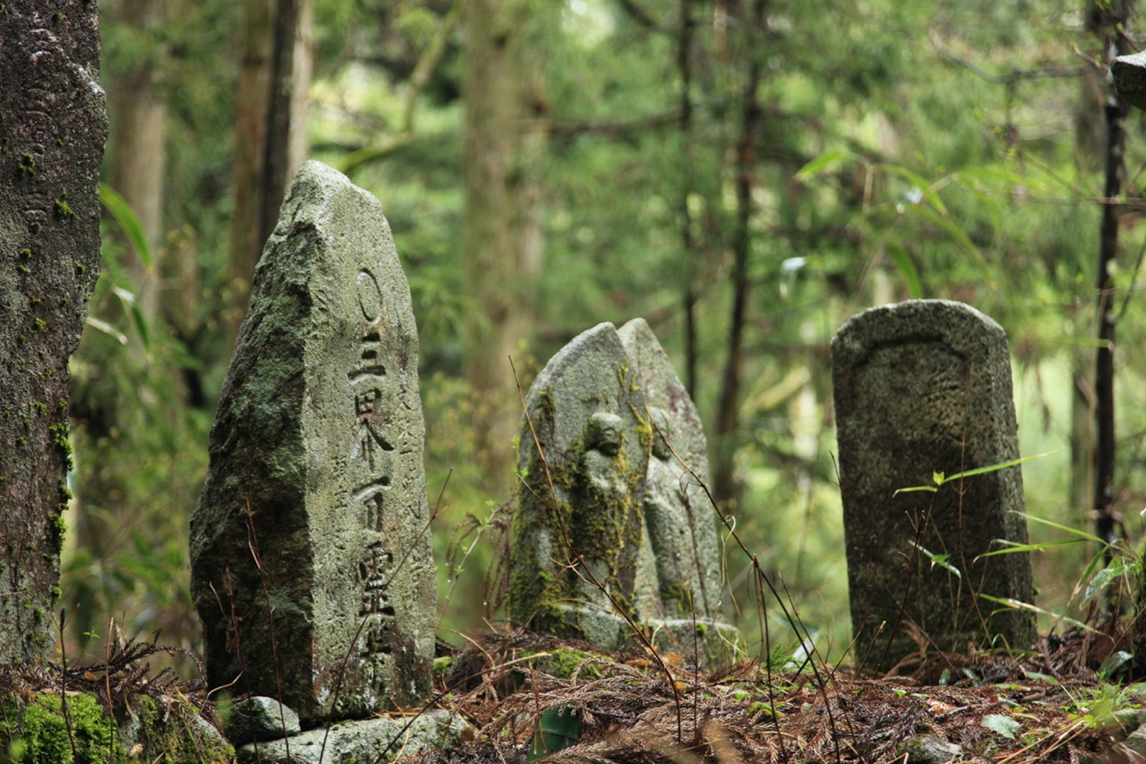
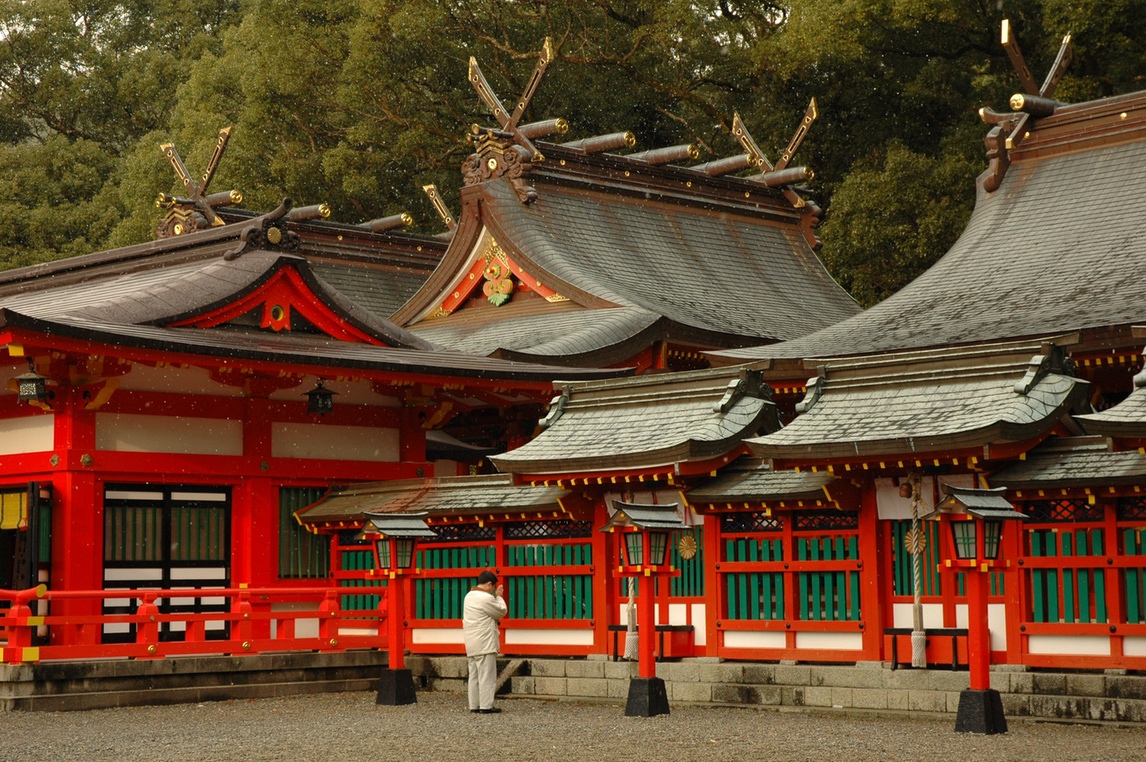
We loved everything about this experience. The scenery was wonderful, the trails varied and interesting and satisfyingly challenging. The immersion in Japanese culture was authentic and rewarding and our hosts, accommodation and food were simply superb. The self-guided option was perfect for us. It gave us the confidence to do what we did but and a sense of adventure.
Kathy & Dimitrie Vicol (ACT) – March 2016
Itinerary
Daily details
Important info
Please note that all ascent and descent figures listed in the itinerary are approximate only and may vary slightly depending on the route taken.
Day 1: Arrive Kii-Tanabe
The best way to reach Kii-Tanabe is by train (tickets not included; can be purchased locally). Frequent trains run south from Kansai Airport, Osaka and Kyoto, with the line following the coast and avoiding steep mountains. Travel time is approximately 2 hours from Osaka and 2.5–3 hours from Kyoto.
Kii-Tanabe, the gateway to the Imperial Route of the Kumano Kodo, sits between the Pacific Ocean and surrounding mountains. Collect your orientation pack at the Tanabe Tourist Information Center, then take some time to explore the town.
In the evening, join your escorted group dinner, a perfect introduction to Japanese cuisine and a chance to meet your fellow walkers. Your guide will introduce you to a handpicked local izakaya where you’ll enjoy a full-course meal including alcoholic and non-alcoholic drinks. Expect a lively, authentic atmosphere, warm local hospitality, and a chance to try a variety of regional dishes and drinks.
Meals: D
Day 2: WALK TAKIJIRI-OJI TO CHIKATSUYU (14KM, 6-7 hours)
Start the day early, checking out of your accommodation and collecting your lunch box before taking a group taxi to Takijiri, the official start of the walk.
The trail begins with a climb to Takahara, a rural hamlet on a ridge, home to an ancient shrine surrounded by towering camphor trees (kusu-noki) and offering spectacular views over the Hatenashi mountains. Along the way, Buddhist statues and oji shrines mark the historic pilgrimage route. Continue through bamboo forest and pencil pine, passing old ichirizuka distance markers and sites of former tea houses that once offered rest to pilgrims. After a short climb over Hashiori-Toge Pass, descend past the Three-Fold Moon viewpoint to the Gyuba-doji statue, depicting Emperor Kazan riding both a horse and a cow. The trail continues along a cobbled path and staircase to Chikatsuyu, a small village with limited supplies and drinks. From here, it’s a final climb to Tsugizakura-oji, where your accommodation awaits in a local minshuku guesthouse. Nearby, a grove of ancient cedar trees, some over 800 years old, provides a serene end to the day.
Ascent 1010m / Descent 840m
Meals: B, L, D
Day 3: WALK CHIKATSUYU TO HOSSHINMON-OJI & BUS TO HONGU AREA (14KM, 6-7 HOURS)
Today’s walk begins with a series of climbs over forested mountain passes. Facilities along this section are limited and the path leads you deep into the quiet serenity of the forest before emerging to the shrine at Hosshinmon-oji. Historically, Hosshinmon-oji marked the outermost entrance to the sacred precincts of Kumano Hongu Taisha. The name means “Gate of Awakening of the Aspiration to Enlightenment,” symbolising a spiritual threshold for pilgrims on their journey.
From Hosshinmon-Oji, you’ll take a local bus to the Kumano Hongu area. The highlight here is Kumano Hongu Taisha, the grand central shrine of the region and spiritual heart of the Kumano pilgrimage. A long, stone staircase leads up to its serene forest setting, where ancient cedar and cypress trees frame the shrine’s elegant architecture.
After your visit, a short bus ride brings you to Kawayu Onsen, a tranquil hot spring village and your home for the next two nights. This peaceful riverside retreat is beloved by walkers, with thermal steam rising from the riverbanks and the inviting promise of a rejuvenating soak in a traditional onsen bath—a ritual deeply rooted in Kumano pilgrimage customs.
This evening enjoy a delicious Japanese meal at your accommodation.
Ascent 780m / Descent 980m
Meals: B, L, D
Day 4: BUS TO HOSSHINMON-OJI & HIKE TO KUMANO HONGU TAISHA (7.5KM, 2-3 HOURS)
This morning, you’ll take a local bus back to Hosshinmon-Oji, where you’ll rejoin the Kumano Kodo for the memorable walk into Kumano Hongu Taisha. This final stretch is steeped in symbolism, marking the pilgrim’s ceremonial entry into the sacred heart of the Kumano region.
The trail gently winds through tranquil cedar and cypress forests, past terraced rice fields and rustic rural hamlets with occasional vistas opening up to the surrounding mountains. Along the way, you’ll encounter several Oji shrines, once important rest stops for ancient pilgrims, each offering insight into the spiritual heritage of the route.
As you near Kumano Hongu Taisha, the forest gives way to a long stone staircase leading up to the majestic shrine complex, nestled on a forested ridge and framed by towering trees. You have the opportunity to take more time to explore this revered site before returning by local bus to Kawayu Onsen, where you can relax once more in the soothing hot spring baths—a fitting way to unwind after your rewarding journey.
Ascent 190m / Descent 460m
Meals: B, D
Day 5: TRADITIONAL BOAT RIDE (HONGU AREA TO SHINGU); OVERNIGHT NACHISAN
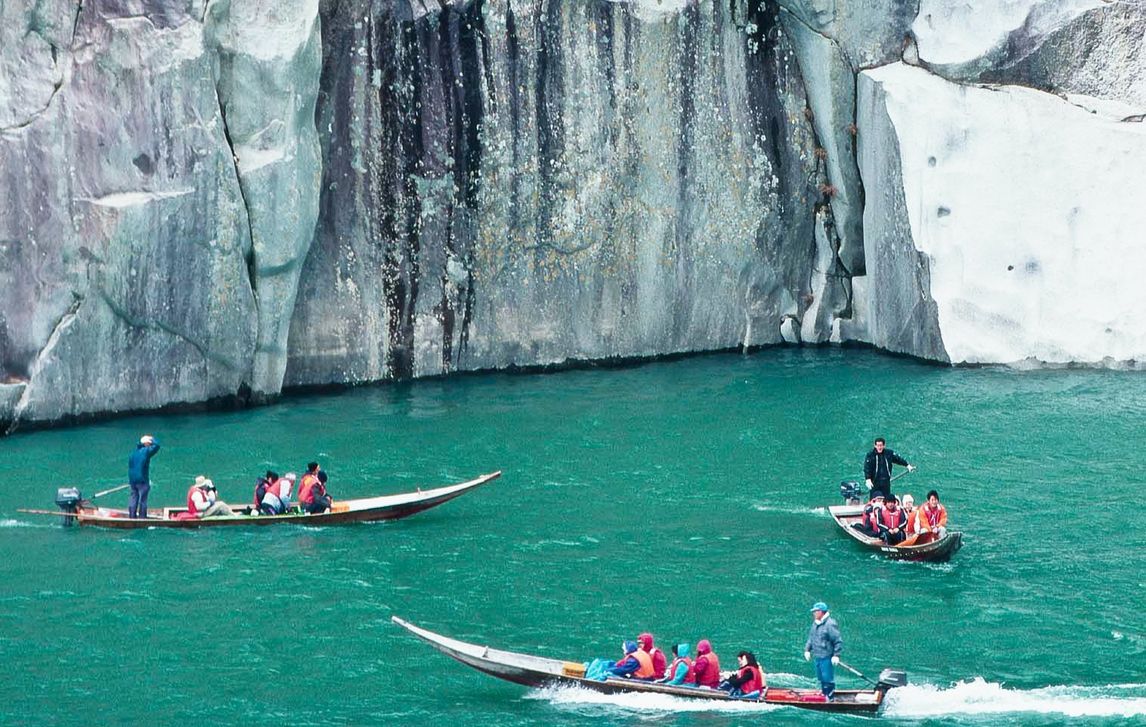
This morning, a short group taxi ride (prebooked) takes you to the Kawabune Boat Tour Centre, embark on a traditional boat ride down the Kumano-gawa River. For over 1000 years pilgrims have been making the journey to Kumano and the Kumano-gawa River has been a vital section of the pilgrimage route between Kumano Hongu Taisha in Hongu and Kumano Hayatama Taisha in Shingu. You will journey in a traditional wooden flat-bottom boat as pilgrims have been doing for centuries.
The boat tour finishes in Shingu, close to the Kumano Hayatama Shrine, one of the sacred Grand Shrines of the Kumano region. Although the shrine buildings were rebuilt recently, the Hayatama Taisha has occupied the same location since at least the 12th century and the area has been a site of nature worship for much longer. In fact, the nature in and around the shrine is an integral part of this Grand Shrine’s precincts and annual rituals. The ancient 800-year-old Nagi-no-Ki tree highlights the area’s deep tradition of nature worship and is considered a sacred tree of God. Small dolls made from the seeds of this tree are believed to generate luck with the opposite sex or a happily married life to couples. We also recommend visiting the nearby Gotobiki-iwa, a gigantic rock worshipped as a sacred object and located halfway up Gongen Mountain. It is believed that it was here that the first Kumano deities descended to earth from the heavens. At the base of this monolith is the Kamikura-jinja shrine.
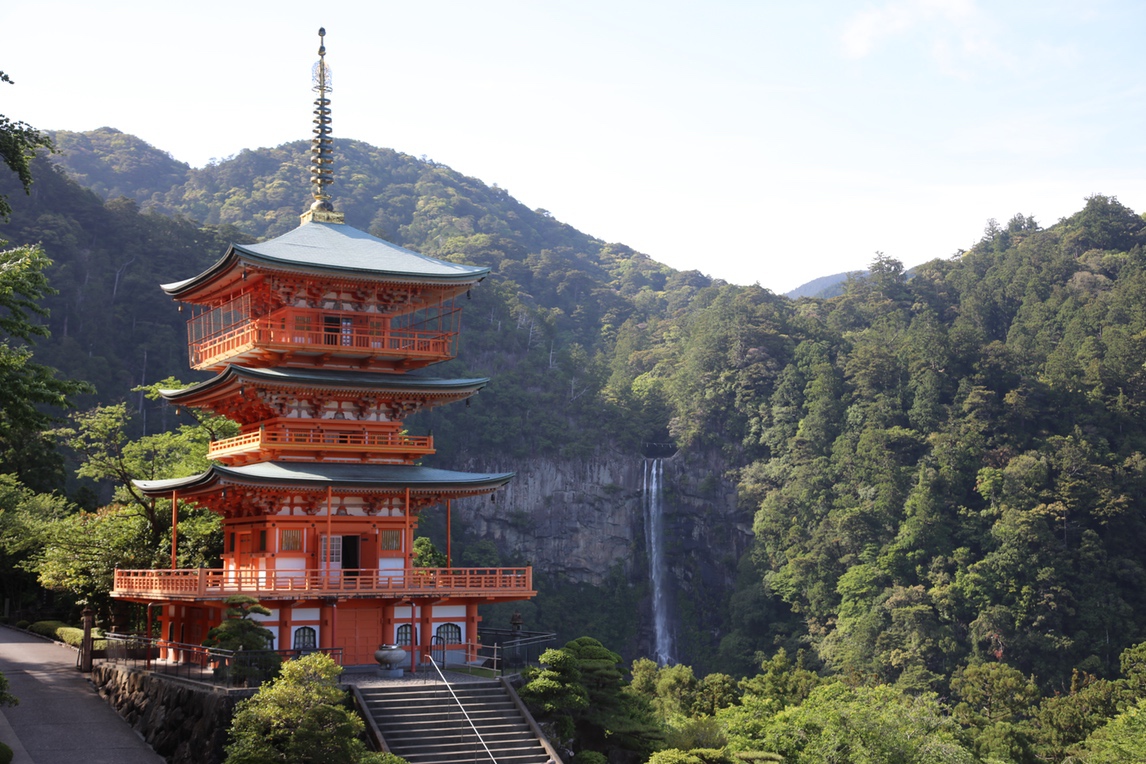
After looking around Shingu, you will catch a bus to Nachisan (paid locally), your overnight location. It’s here you will visit the last one of the Grand Shrines, Kumano Nachi Taisha. In Nachisan you will also find the stunning Buddhist temple Seiganto-ji and behind the temple you can see the Nachi-no-otaki fall; with a vertical drop of 133m, it is the tallest waterfall in Japan.
Meals: B, D
Day 6: BUS NACHISAN TO KII-KATSUURA & DEPART
Today enjoy a leisurely breakfast and then take a local bus from Nachisan to Kii-Katsuura. From Kii-Katsuura, transfer by train to your onwards destination. Train tickets are not included and can be purchased locally at the Kii-Katsuura train station.
Meals: B
Carbon footprint & our regenerative actions
20kg of CO2-e per person per day
We pay for a monthly offset to cover the estimated emissions of our walkers for all trips with RAW Travel, which goes into local reforestation or biodiversity restoration. Explore the practical actions behind these estimated carbon offsets for your trip here, following a philosophy of ‘re-wilding the planet’ with native tree planting & Ocean plastic cleans ups.
A reasonable estimate for a pilgrim is 20 kg of CO2-e per person per day, primarily due to hotels, meals and emissions from luggage transfers. The act of walking itself is a form of sustainable travel, so the carbon footprint calculated here is a measure of the ancillary activities surrounding the walk, not the walking itself. The figures are estimates, not precise measurements for each route/trip, as it’s difficult to provide an exact number without detailed data on specific hotels, menus, and transfer routes which vary from person to person. This figure represents the operational footprint of the hike and its included services only. It does not include the flights and other transport needed to get to the start and finish of the walk.
An individual can significantly influence their footprint with the varied choices they make around food and drink at each meal. For instance, a diet rich in meat, imported goods and alcohol, will have a much higher impact than one focused on local, seasonal, and plant-based options. This daily stated figure is an average across all days of the pilgrimage, derived from the key consumption components listed below.
| Component | Daily Estimate (kg CO2 e per person) | Notes on Itinerary Impact |
| Accommodation | 11 kg | This covers nights in hotels, family-run Ryokans and Minshuku guesthouses. This component is based on the general energy usage for private rooms in the Japanese grid, accounting for the use of traditional amenities like onsen (hot spring baths). |
| Food (3 Meals per Day) | 8 kg | Reflects the three meals per day, including multi-course dinners of meat, dairy, and fish, as mentioned in the itinerary. |
| Shared Luggage Transfers (Transport) | 1 kg | This covers your share of the vehicle-based luggage transfer service, which adds a transportation component to the otherwise non-motorised walk. |
| Overhead & Miscellaneous | N/a | This is calculated & accounted for separately and includes emissions from waste, administrative operations, and general energy/water usage for our offices |
| Total Estimated Daily Footprint | 20 kg | (Sum of the conservative low estimates and aggressive high estimates) |
Map
Kumano Kodo Sacred Pilgrimage Trail Map
Kii-Tanabe
Kii-Tanabe is the gateway town to the Nakahechi (‘Imperial Route’) of the Kumano Kodo. It is surrounded by the Pacific Ocean on one side and mountains on the other. From here, it’s a 40-minute bus ride to the trailhead at Takijiri-oji.
CLICK ON A PIN TO REVEAL INFORMATION ABOUT THAT LOCATION
Takijiri
Takijiri is the traditional starting point of the Kumano Kodo walk and where you will find the Kumano Kodo Kan Pilgrimage Centre. The trailhead is behind the Takijiri-oji, which is considered to be where the passage into the precincts of the sacred mountains begins.
Chikatsuyu
The small village of Chikatsuyu sits at the base of the mountain trail at the Hidaka-gawa River. Inns and a couple small restaurants run along the main road, which runs east and west. The area features an ancient weeping cherry blossom tree, an ancient graveyard for warriors, a local experience centre and Chikatsuyu-oji.
Tsugizakura-oji
At the impressive Tsugizakura-oji shrine there are giant Nonaka-no-Ipposugi cedar trees. Some have a circumference of 8m and are believed to be up to 800 years old. This shrine, along with its trees, was scheduled to be demolished in 1906 as part of the government’s shrine consolidation program. It was saved by Minakata Kumagusu, an eccentric genius researcher and avant-garde environmentalist.
Hosshinmon-oji
Hosshinmon-oji is one of the most important sites on the Kumano Kodo pilgrimage route. It marks the outermost entrance into the divine precincts of the Kumano Hongu Taisha.
Kumano Hongu Taisha
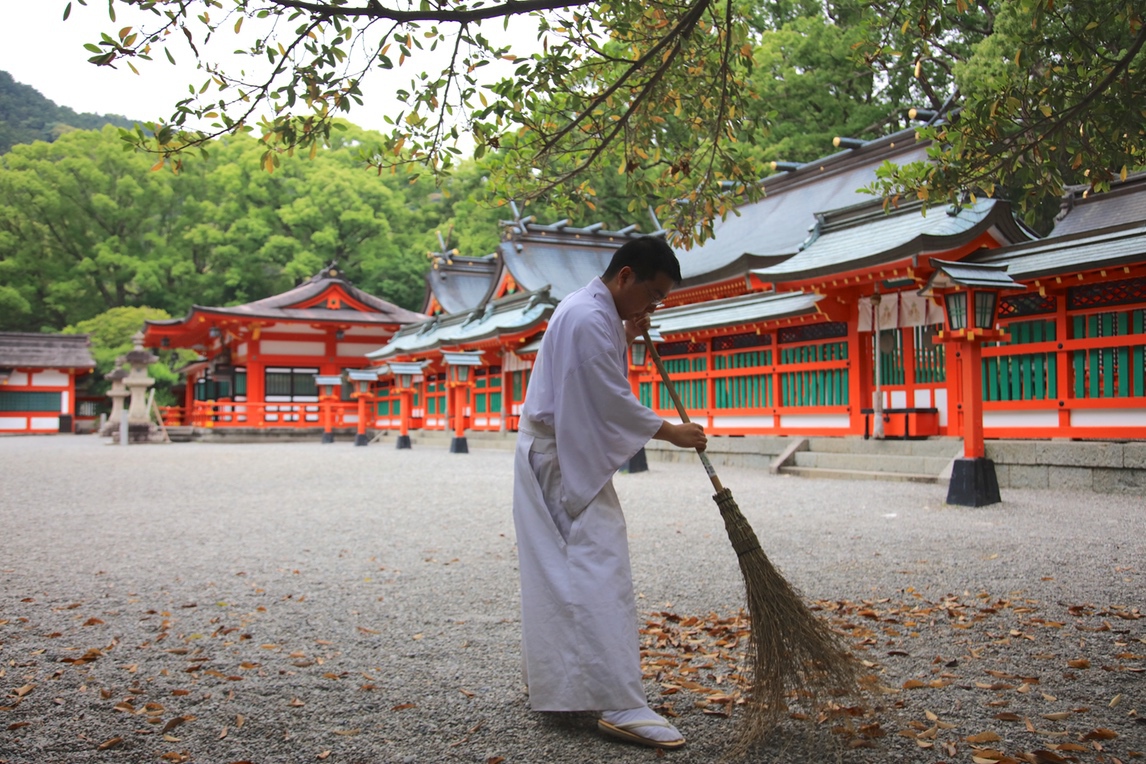
Kumano Hongu Taisha is one of the three grand shines of Kumano and the head shrine of over 3000 Kumano shrines across Japan. A long stone staircase leads to the sacred grounds of the shrine, located on a ridge and surrounded by giant cedar and cypress trees. On the riverbank is Oyunohara, the original shrine ground of Kumano Hongu Taisha, marked by an immense Torii gateway – the biggest in Japan!
Yunomine Onsen
Yunomine is a quaint little collection of inns tucked into a small valley deep in the heart of the sacred mountains of Kumano. It was discovered about 1,800 years ago, and it is thought to be one of the oldest hot springs in Japan. The onsen culture in Japan is very rich, but the strong connection with spiritual culture found in Yunomine is unprecedented.
Kawayu Onsen
On the north side of this hot spring town is a diverse collection of places to stay. On the south side of the river is a green forested mountainside. The defining feature of Kawayu Onsen is the Oto river. In the evening, enjoy a soak while watching the warm mist from the river rise slowly into the clean mountain air.
Hyakken-gura pass
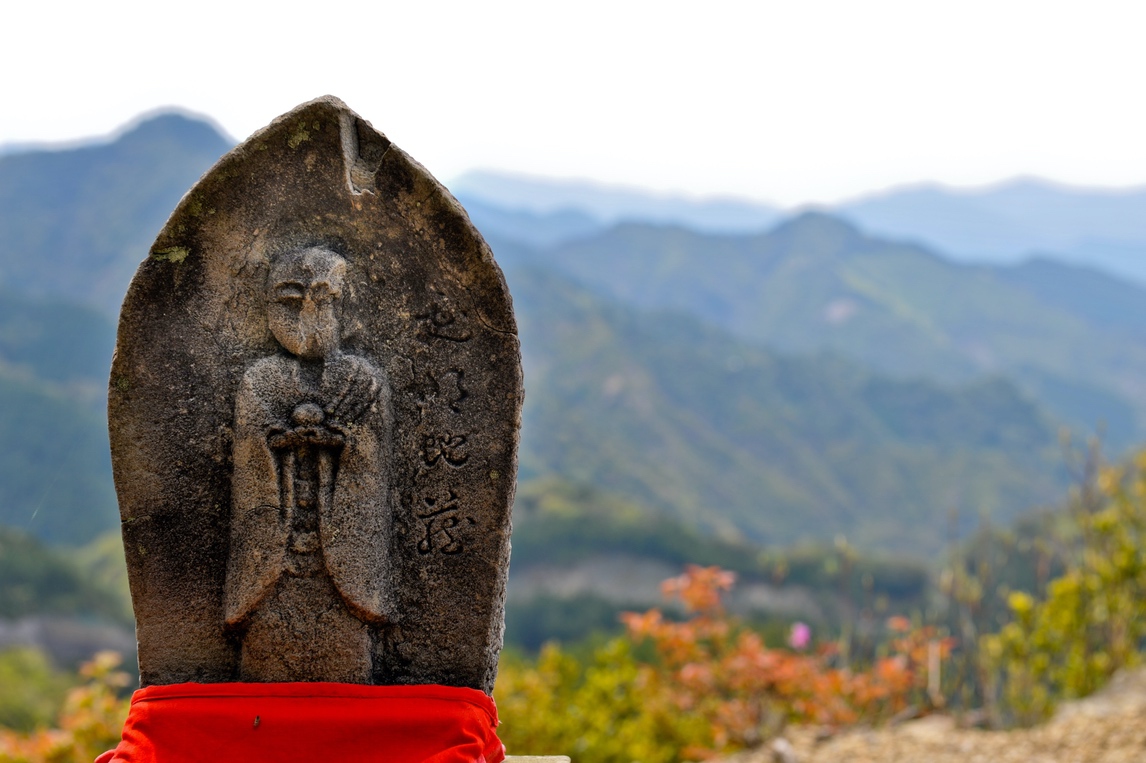
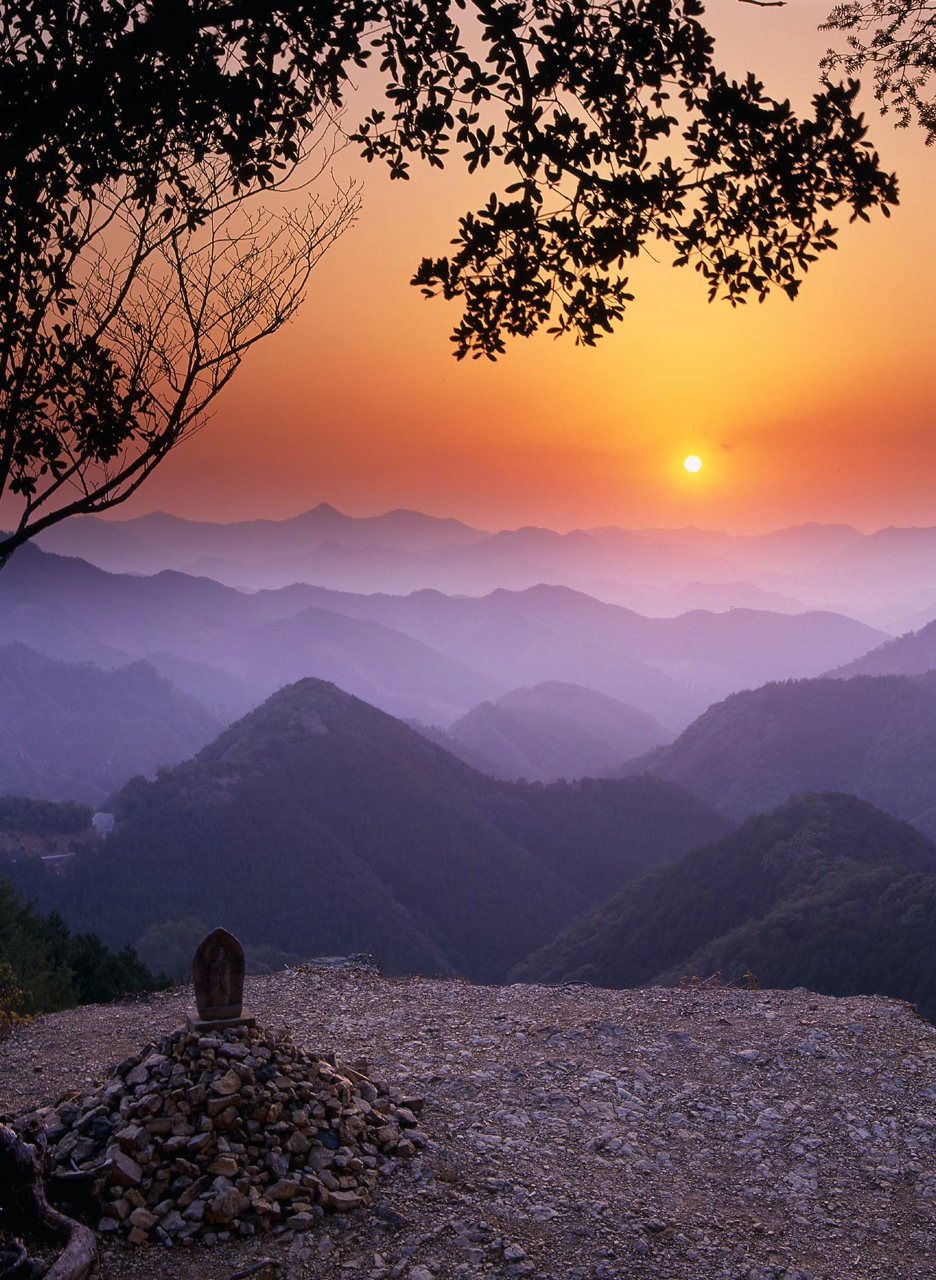
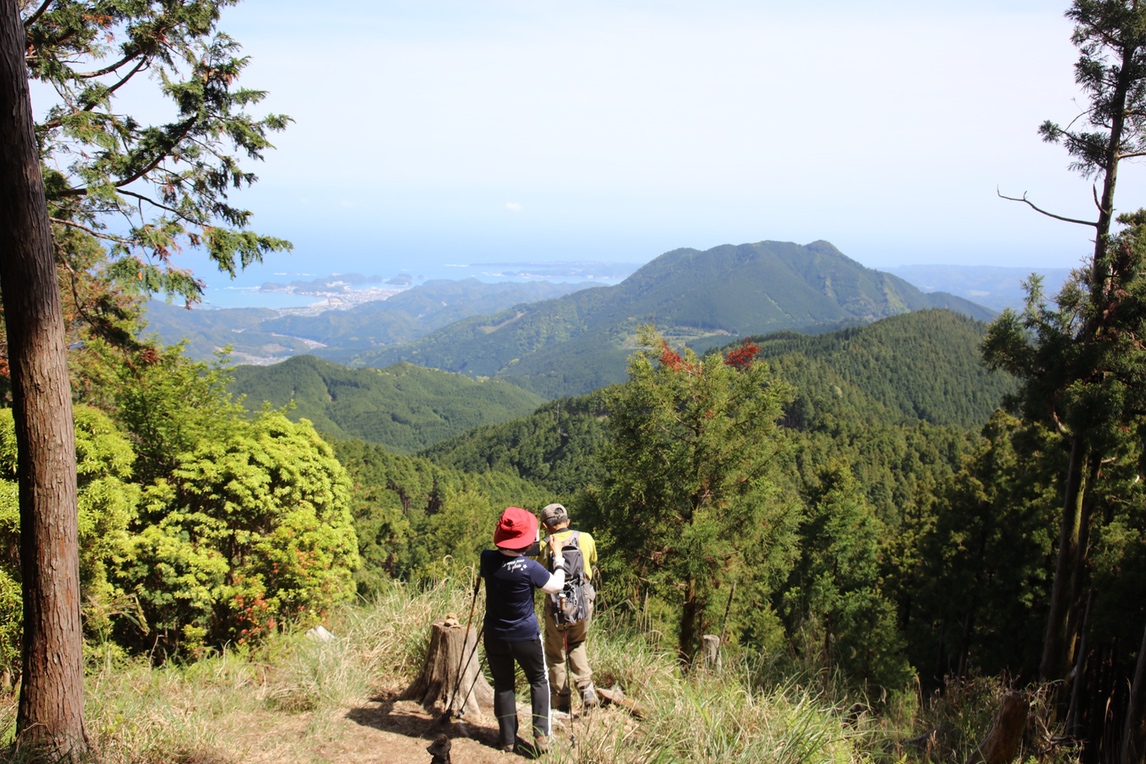
At the Hyakken-gura pass there is a beautifully positioned Buddhist statue on a hilltop with a backdrop of the most spectacular vista of the trip! The impressive lookout surprises walkers with a lovely panoramic view of the 3600 peaks of Kumano.
Koguchi
The small mountain village of Koguchi is nestled along the Akagi-gawa River almost directly in-between Hongu and Nachi. It is refreshing to put your feet in the river after a hot day’s hike.
Nachisan
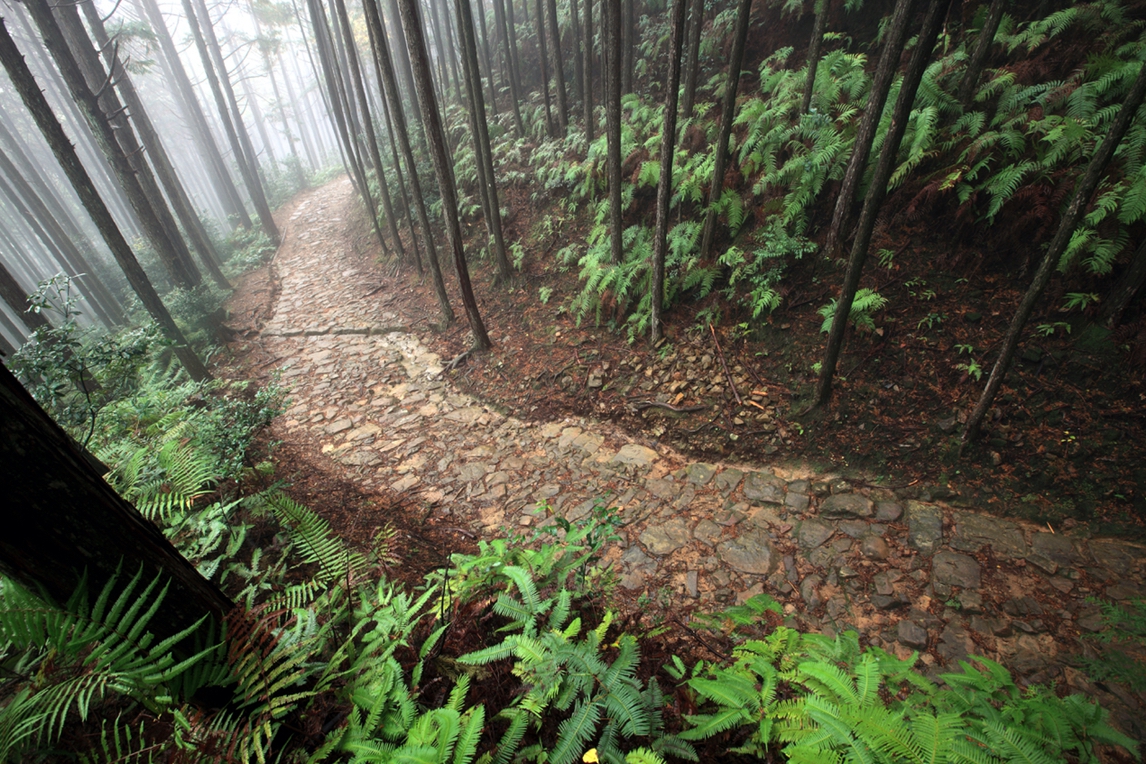
Nachisan is where you’ll find the brightly coloured Kumano Nachi Taisha shrine, the wonderful wooden Seiganto-ji temple and the spectacular Nachi-no-Otaki waterfall, which is the highest in Japan and can be seen from far out on the Pacific Ocean. The extra section of trail between Nachisan and Daimon-zaka is an impressive cobblestone staircase lined with centuries-old trees.
Kii-Katsura
Kii-Katsura is located on the southeast coast of the Kii Peninsula. It is in essence a fishing port turned hot spring resort. The most dominant landmark in Katsuura is the Hotel Urashima. It has the feel of an Onsen Disneyland or James Bond-like fortress and is located on an island-like peninsula in Katsuura Bay.
Shingu
Shingu is where Kumano Hayatama Taisha, one of the sacred Grand Shrines of the Kumano region, is located. Although the shrine buildings were rebuilt recently, the Hayatama Taisha has occupied the same location since at least the 12th century and the area has been a site of nature worship for much longer. The ancient 800-year-old Nagi-no-Ki tree highlights the area’s deep tradition of nature worship and is considered a sacred tree of God.
Kumano-gawa River
For centuries, the Kumano-gawa River was a vital section of the pilgrimage route between Kumano Hongu Taisha in Hongu and Kumano Hayatama Taisha in Shingu. Traditional wooden flat-bottom boats carry modern pilgrims down the river, in the same manner as royal and noble families long ago.
Inclusions
What's included
Included
- 1 night in Kii-Tanabe (twin share, private bathroom)
- 2 nights in traditional Japanese guesthouses (twin share, shared bathroom)
- 2 nights in an onsen village (twin share, private bathroom)
- Escorted Izakaya dinner experience in Kii-Tanabe
- Taxi transfer from Kii-Tanabe to Takiiri on Day 2
- Taxi transfer from Kawayu Onsen to the Kawabune Boat Tour Centre on Day 5
- Traditional boat ride from Hongu area to Shingu
- Meals as listed in the itinerary
- Orientation pack collected on arrival in Kii-Tanabe
- Luggage transfers on the Kumano Kodo on hiking days and on day 5
- RAW Travel’s exclusive interactive navigation app
- RAW Travel luggage tag & buff
- Carbon offset for your trip and a native tree planted for every walker
Excluded
- Local bus tickets
- Train tickets to/from trail
- Flights to/from destination
- Travel insurance
- Single supplement
- Beverages other than water at meals
- Expenses and items of a personal nature

On the trail
What it's like underfoot
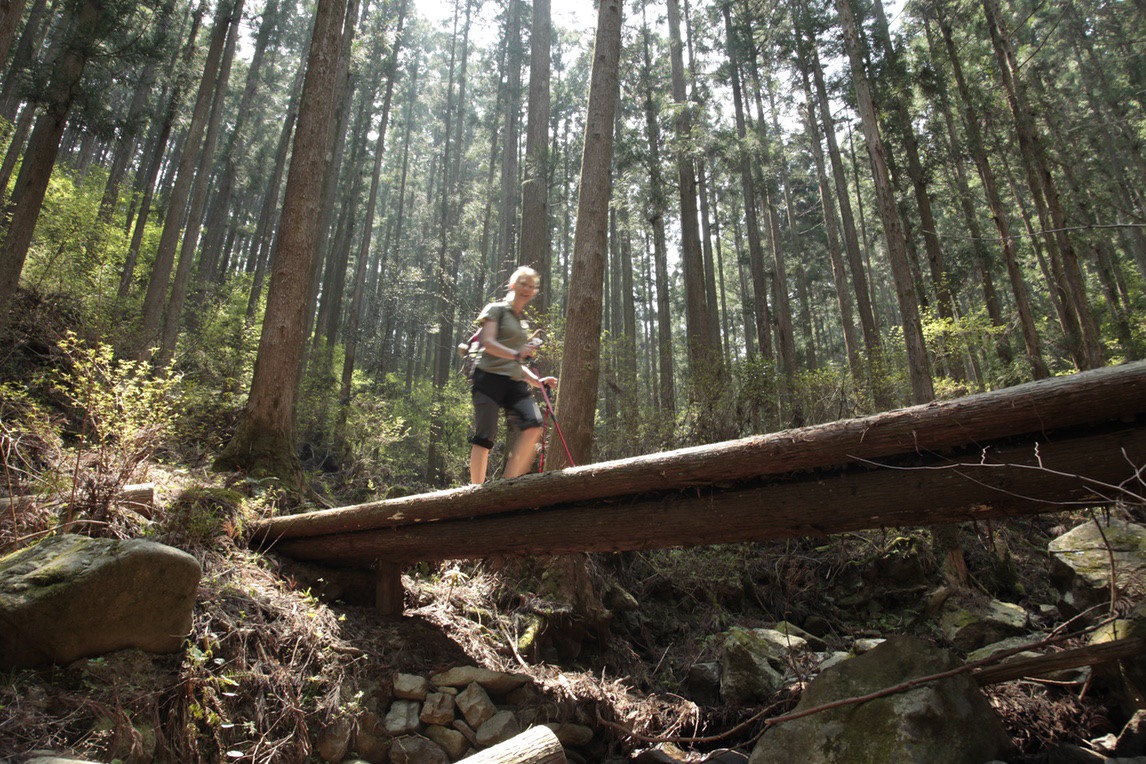
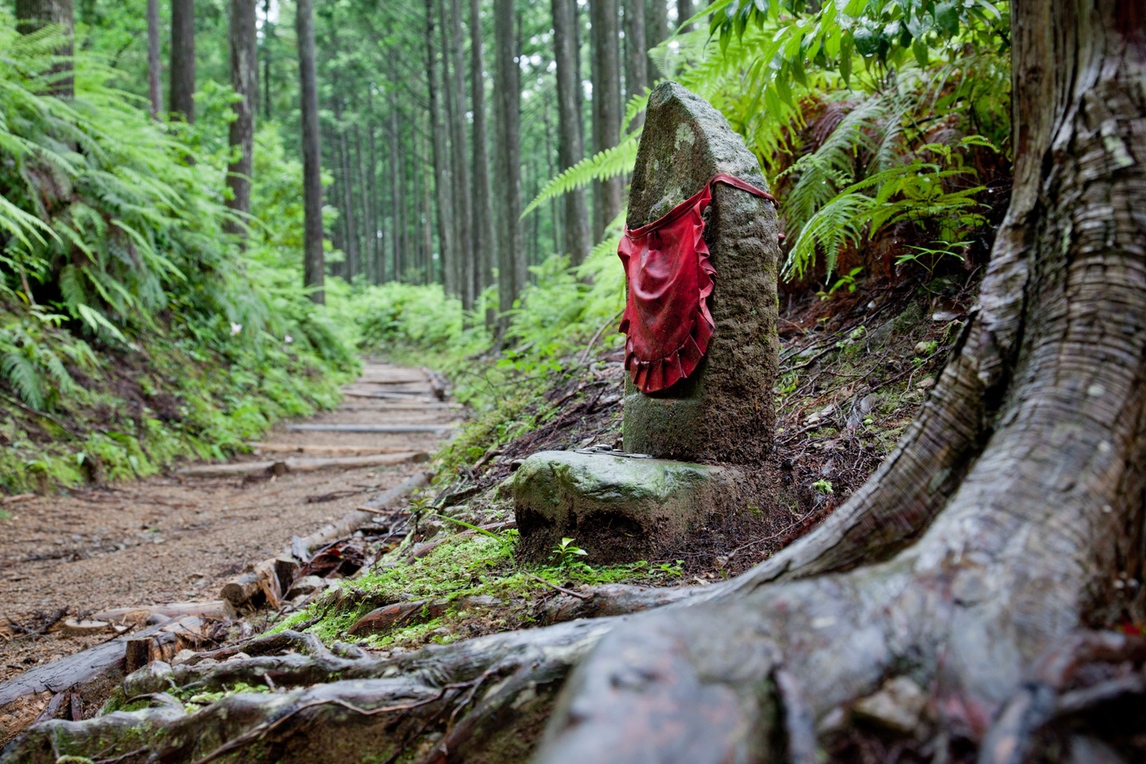
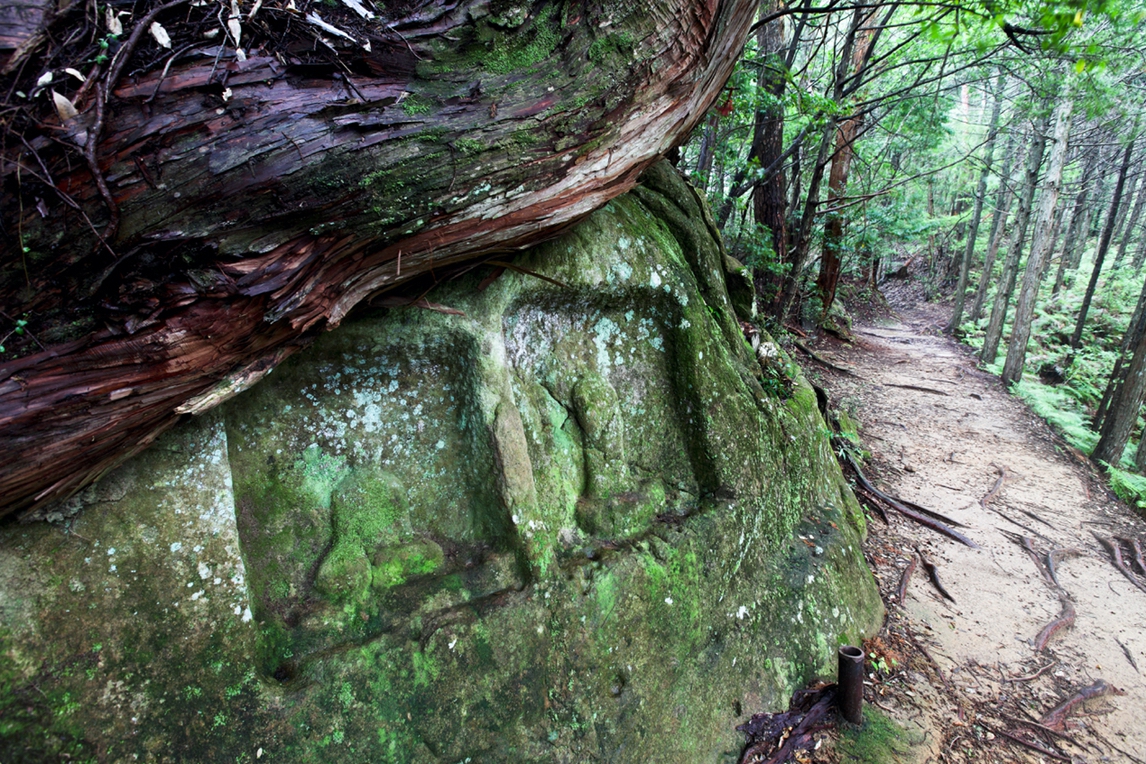
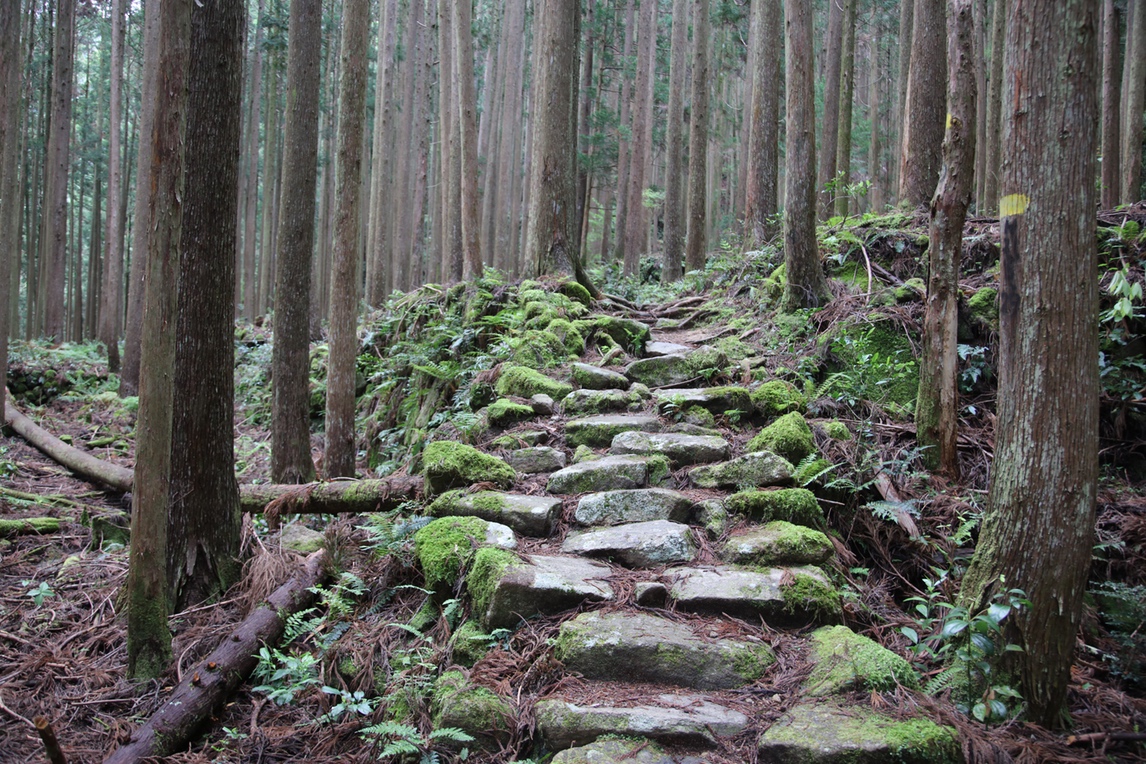
The Kumano Kodo trek is set mostly in the deep forest, with a number of steep ascents and descents along the trail. Distances can be deceptive on the Kumano Kodo. Although the route does not go to great heights like some mountain walks, it is easy to underestimate the difficulty and effort required. The Kii-Peninsula is an exceptionally mountainous region. Paths vary from beautiful stone flagged sections to gnarly tree-root covered sections of bare earth. It can easily take 7 or 8 hours to walk as little as 14km a day (with breaks), especially if it has been raining and the path is slippery.

Accommodation
Where you stay
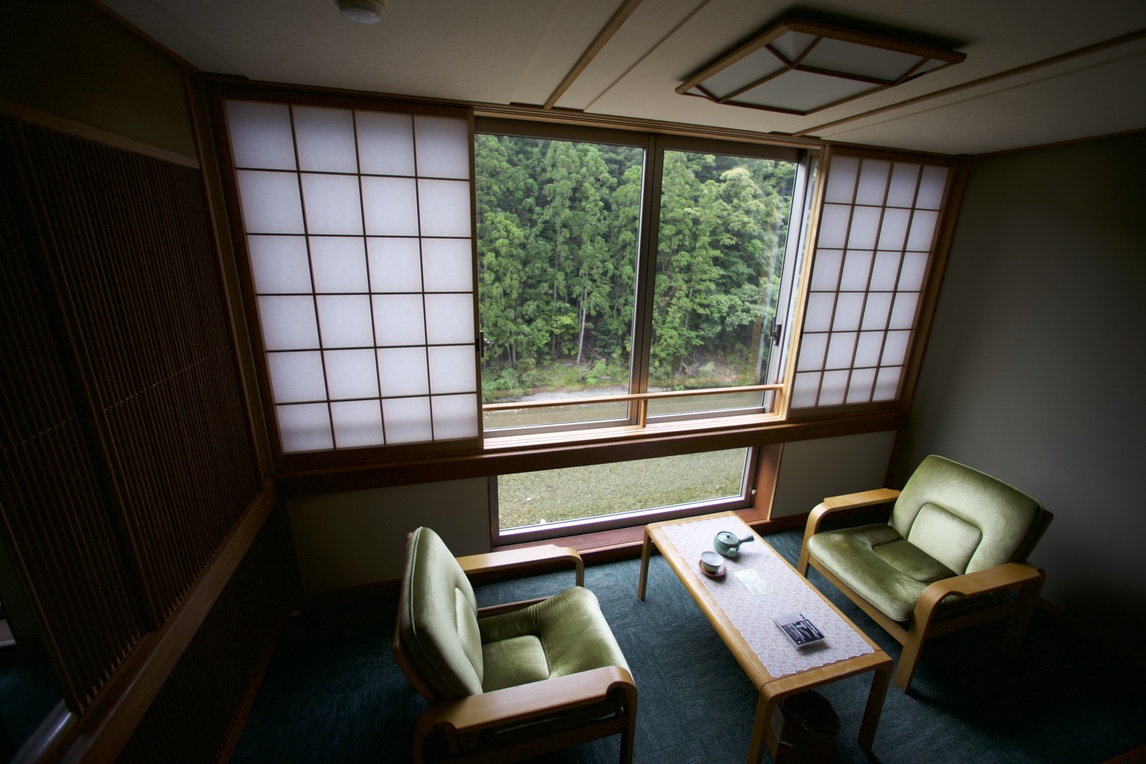
Most accommodations along the Kumano Kodo trail are ryokans and minshukus that offer a great chance to meet local people and enjoy a truly authentic Japanese experience. Staying in traditional style accommodations will be without a doubt one of the highlights of your Kumano Kodo experience. Ryokans and minshukus are basic in style with mostly shared toilet and bathroom facilities. They have great character and friendly hosts. They typically feature tatami mat flooring, have shoji sliding doors, futon bedding and multi-course kaiseki meals. Yukata robes are also provided for your stay. You can read more about staying in a ryokan.

The onsen experience
Japanese bathing
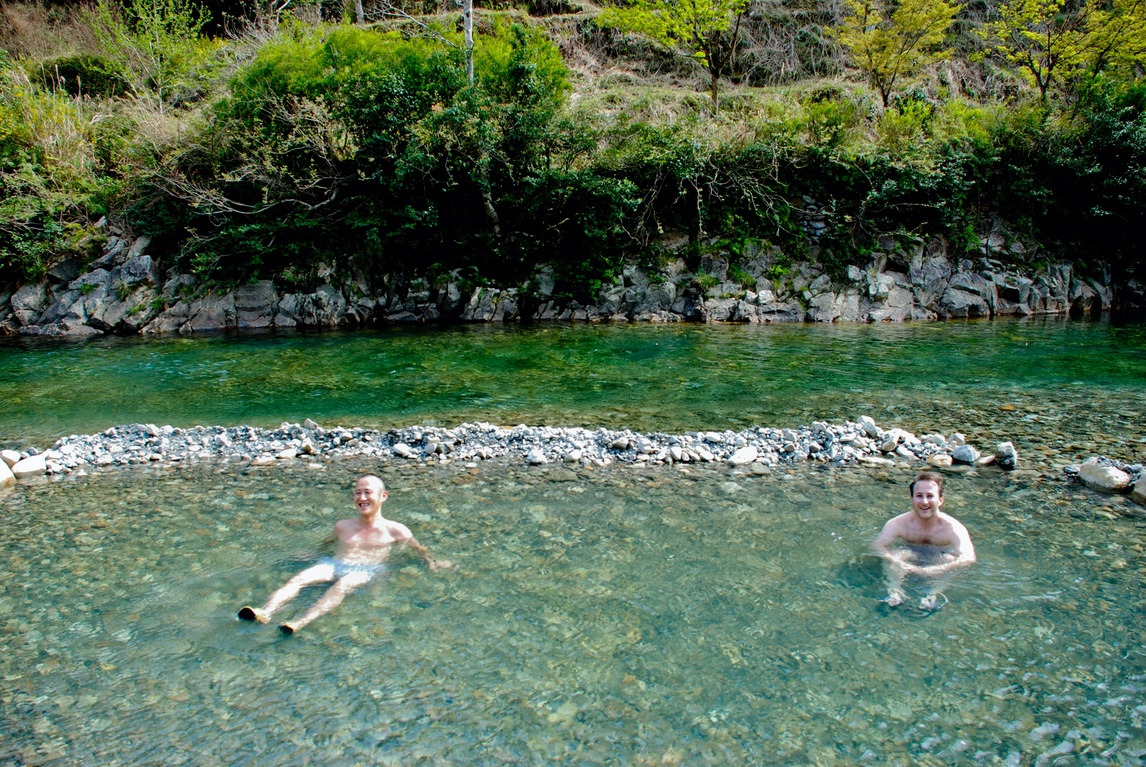
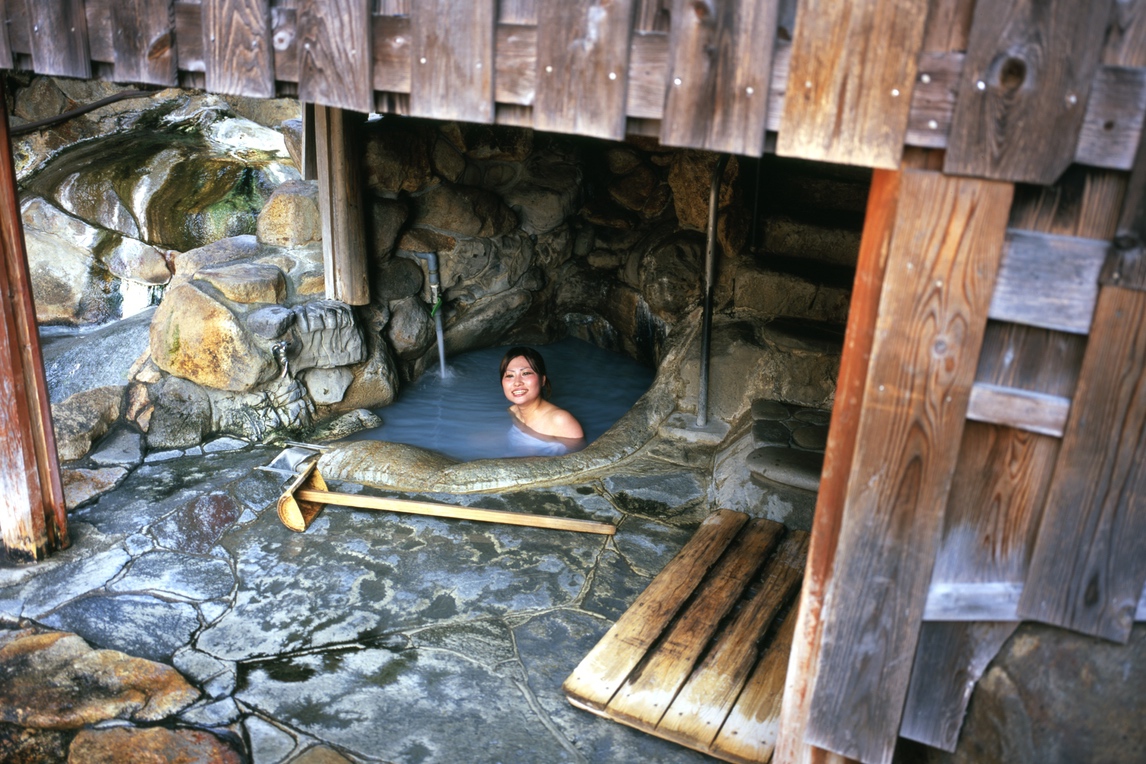
Onsens along the Kumano Kodo are a highlight of the pilgrimage experience, offering hikers a chance to relax and rejuvenate after a day on the trail.These natural hot spring baths offer a peaceful retreat, with mineral-rich waters believed to promote healing and rejuvenation. Whether soaking in riverside baths, open-air pools surrounded by nature, or baths with scenic ocean views, each onsen provides a unique atmosphere to unwind. The soothing heat eases tired muscles, while the tranquil surroundings help refresh both body and mind. It’s the perfect way to relax and recharge before continuing your journey along this historic trail. Read our Ultimate Guide to Japanese Onsens.

Food
The art of Japanese cuisine
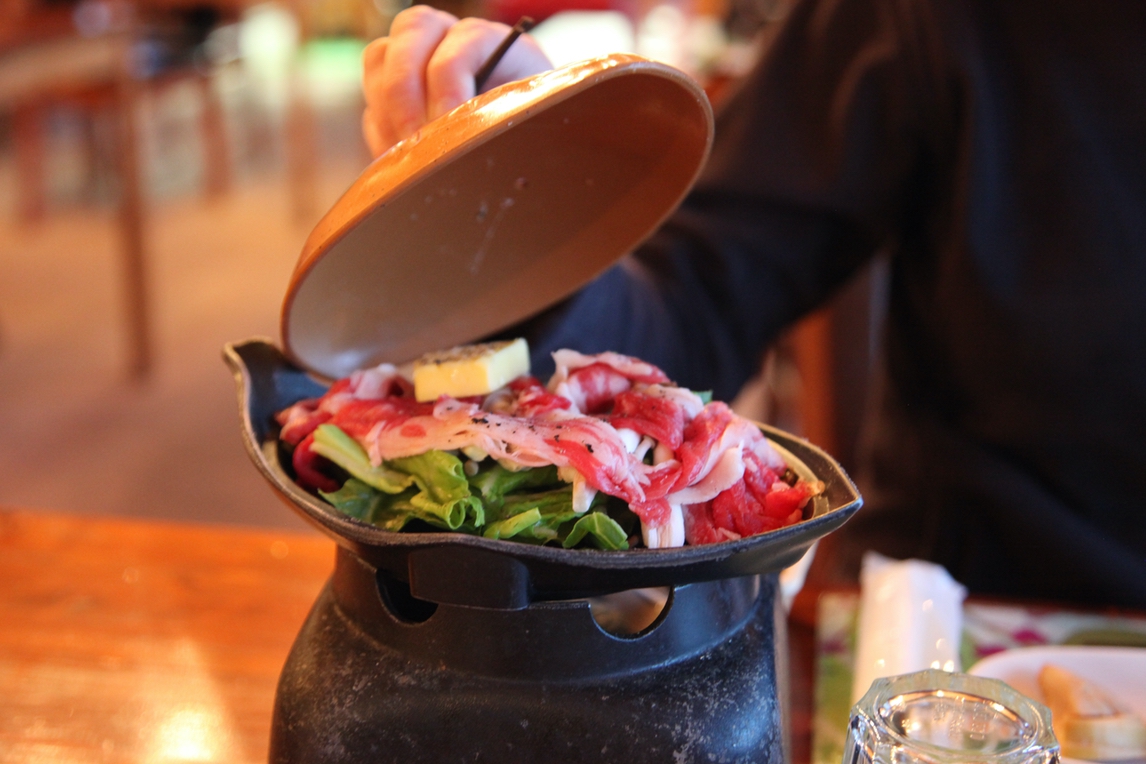
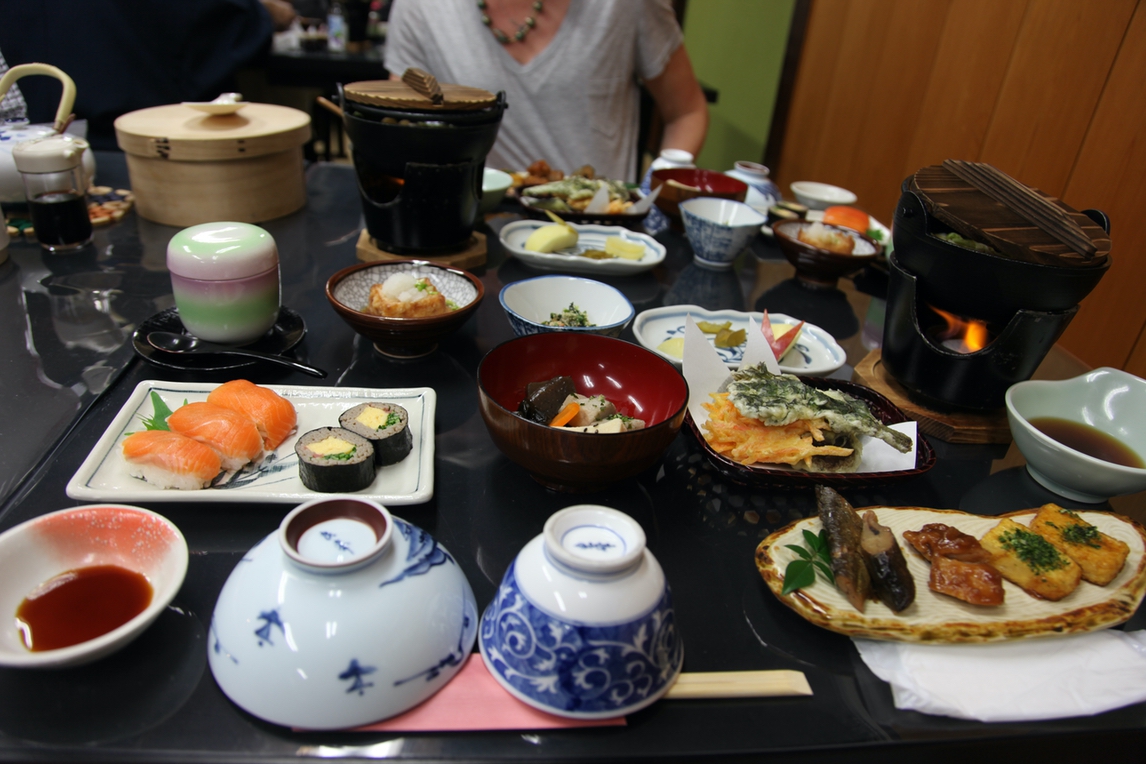
The food is an incredible highlight of walking the Kumano Kodo! Japanese food is refined, elegant, pure and delicate: fresh sashimi and cooked fish, tempura, miso, rice (of course), pickled vegetables, delicious hotpots, soups and the alkalising umeboshi plum. Breakfast mostly includes a Japanese-style spread with rice, miso soup, grilled fish, tamagoyaki (rolled omelet), pickles and sometimes natto (fermented soybeans). For lunch you can expect delicious Bento boxes with rice, fish, pickles, and vegetables, while dinner is a multi-course kaiseki feast usually including sashimi, tempura, simmered dishes and regional specialties like Kumano beef or wild mountain vegetables.

Exclusive Guide
get inspired
Japan’s ancient Kumano Kodo trails are nestled in the verdant mountains of the southern part of the beautiful Kii Peninsula, just south of Osaka. This lush and rugged area has been considered the abode of the gods and worshipped for centuries.
Our destination guide is bursting with all you need to know about walking the sacred Nakahechi pilgrimage route, the most popular and accessible of all the routes. You’ll love the peacefulness and tranquillity of the trail, the food (so elegant and refined!), the onsens (a cherished Japanese ritual), and the traditional family run guesthouses, full of character and charm.

TRIP INFO & NAVIGATION
RAW TRAVEL APP
Our app gives you access to your itinerary, accommodation details, emergency contacts and weather information in one handy place. The ‘Route Maps’ feature helps with navigation when trail markings or signage is unclear or not available. You can also use it to find your accommodation and key points of interest. You still need to be self-reliant with wayfinding. As with any phone app, it’s not intended to be used constantly as you walk. For the best results with trail navigation, we recommend that you follow trail and road signs, and as a backup refer to a paper map or guidebook and our app. It’s essential to download and explore the RAW Travel app before your trip – it’s full of handy features to support your journey. Find out more here

Japan
The Highlights Trip – Kumano Kodo
- Stay in traditional minshuku and ryokans
- Enjoy a traditional boat ride on the Kumano-gawa river
- Savour delicious Japanese cuisine
- Visit all 3 Kumano Sanzan grand shrines
$2,295.00

Japan
The Extended Trip – Kumano Kodo
- Hike the full length of the Nakahechi route
- Enjoy a day on the challenging Kohechi route
- Journey along the Kumano-gawa river in a traditional boat
- Experience the life of a monk by staying in a Buddhist monastery
$3,795.00

Japan
The 7 Day Trail – Kumano Kodo
- Walk the full length of the Nakahechi trail
- Stay in traditional guesthouses
- Gain insights into life in rural Japan and the spiritual history
- Enjoy delicious handmade Japanese food
$2,495.00

Japan
Koyasan and Kumano Kodo
- Beautiful nature walking through rugged, forested mountains, quiet rural valleys and alongside rivers.
- Visit temples, shrines and traditional gardens
- Stay at a Japanese Buddhist temple
- Learn about traditional daily rituals, join a spiritual ceremony
$3,295.00

Japan
Nakahechi & Kohechi trip – Kumano Kodo
- Challenging hike through the rugged forested mountains
- Walk the full length of both the Nakahechi and Kohechi routes
- Journey along the Kumano-gawa river in a traditional boat
- Stay in a Buddhist monastery in Koyasan
$4,725.00

Japan
The Spring Trip – Kumano Kodo
- A great option for solo travellers
- Stay in traditional guesthouses
- Spring is a wonderful time to hike the Nakahechi Trail
- Enjoy delicious handmade Japanese food with fresh local ingredients
$3,195.00

Japan
The Autumn Trip – Kumano Kodo
- Stay in traditional guesthouses
- Beautiful, changing colours are a highlight for people on this trek
- Enjoy delicious handmade Japanese food with fresh local ingredients
- A great option for solo travellers or enjoy the company and support of others
$2,955.00
TRIP date selection
when would you like to travel?
Please select your preferred dates for on-demand trips or select a scheduled date for group departures. If you have booked a self-guided trip please understand that because your trip date is on demand and we must check availability of all properties on your chosen dates before it can be fully confirmed