
length
20 Days
difficulty
Moderate
trip cost
From $4195 pp
Nature Immersion
Cultural Interest
Overview
Portuguese Camino - Highlights Trip
Experience the best of the Portuguese Camino on this unique 20-day journey from Lisbon to Santiago de Compostela, combining historic cities, beautiful coastal scenery and some of the most memorable walking sections of the Portuguese Coastal Way.
Beginning in Lisbon, you’ll have time to discover Portugal’s vibrant capital before travelling north by train through the historic cities of Santarém, Coimbra and Porto. Along the way, enjoy the opportunity to explore charming old towns, impressive architecture and the local culture that makes each destination special. From Porto, continue north to Viana do Castelo, where you’ll begin your walking journey along the Atlantic coast.
Follow the Portuguese Coastal Camino through traditional fishing villages, seaside towns and beautiful stretches of coastline, with plenty of opportunities to enjoy the beaches, local seafood and relaxed atmosphere along the way. Crossing into Galicia, you’ll discover the coastal highlights of northern Spain before joining the Portuguese Central Camino at Redondela for the final walking stages through the Galician countryside and into Santiago de Compostela.
With a combination of convenient train connections, time to explore some of Portugal’s most beautiful cities and carefully selected walking sections, this itinerary offers a wonderful introduction to the Portuguese Camino. It’s an ideal way to experience the highlights of the route while enjoying a little more time to discover the places and culture along the way.
 We are the longest established and most popular Camino operator in Australia.
Find out why we are the No.1 choice


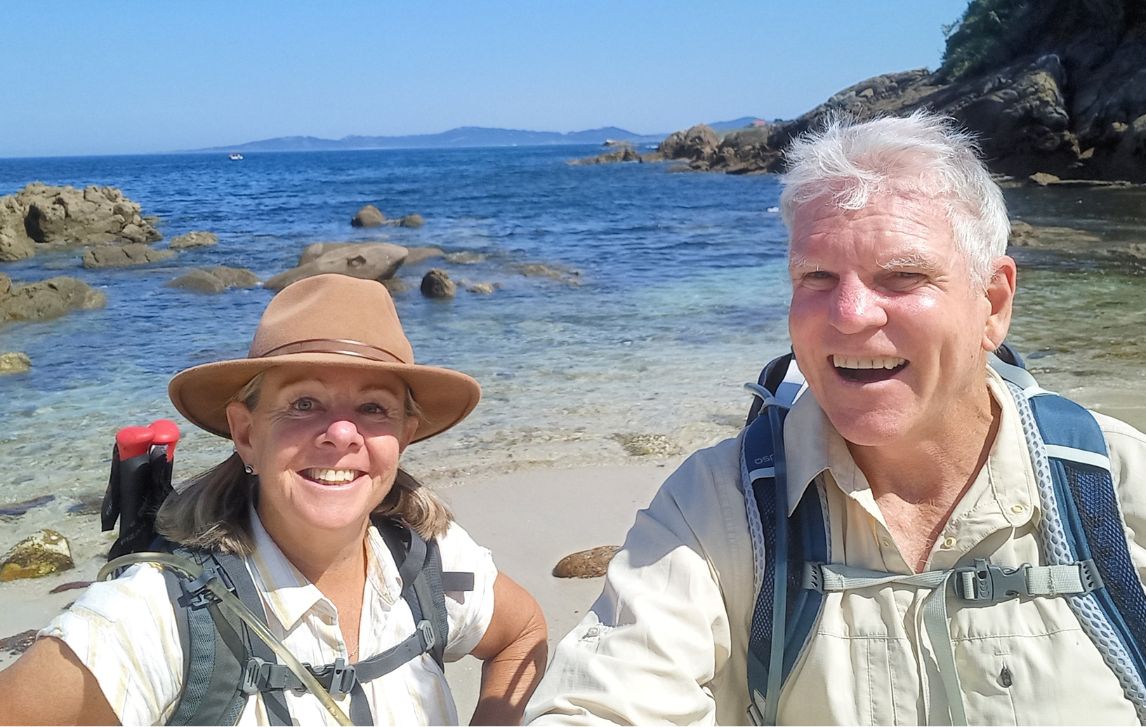


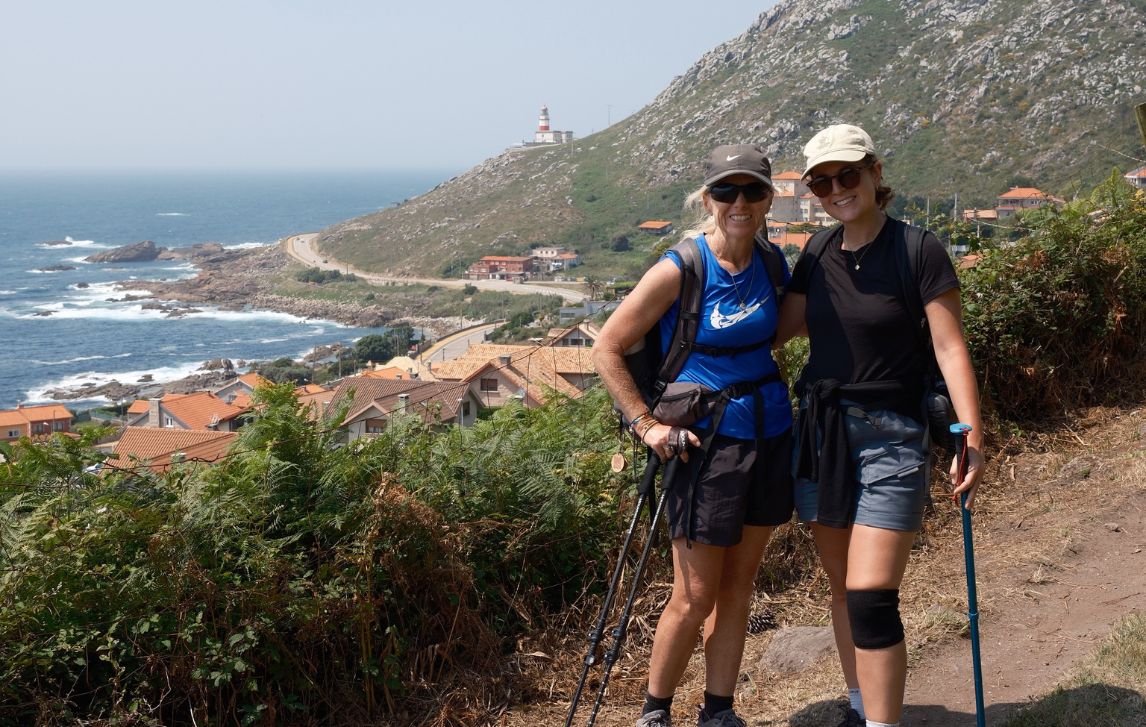


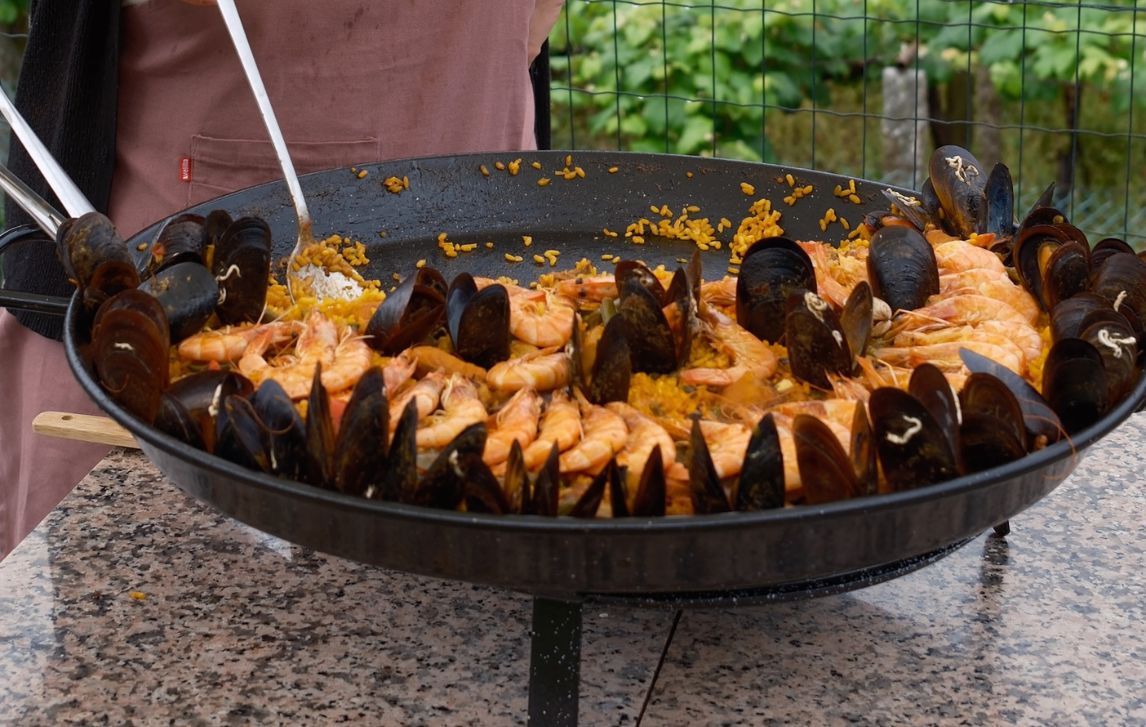
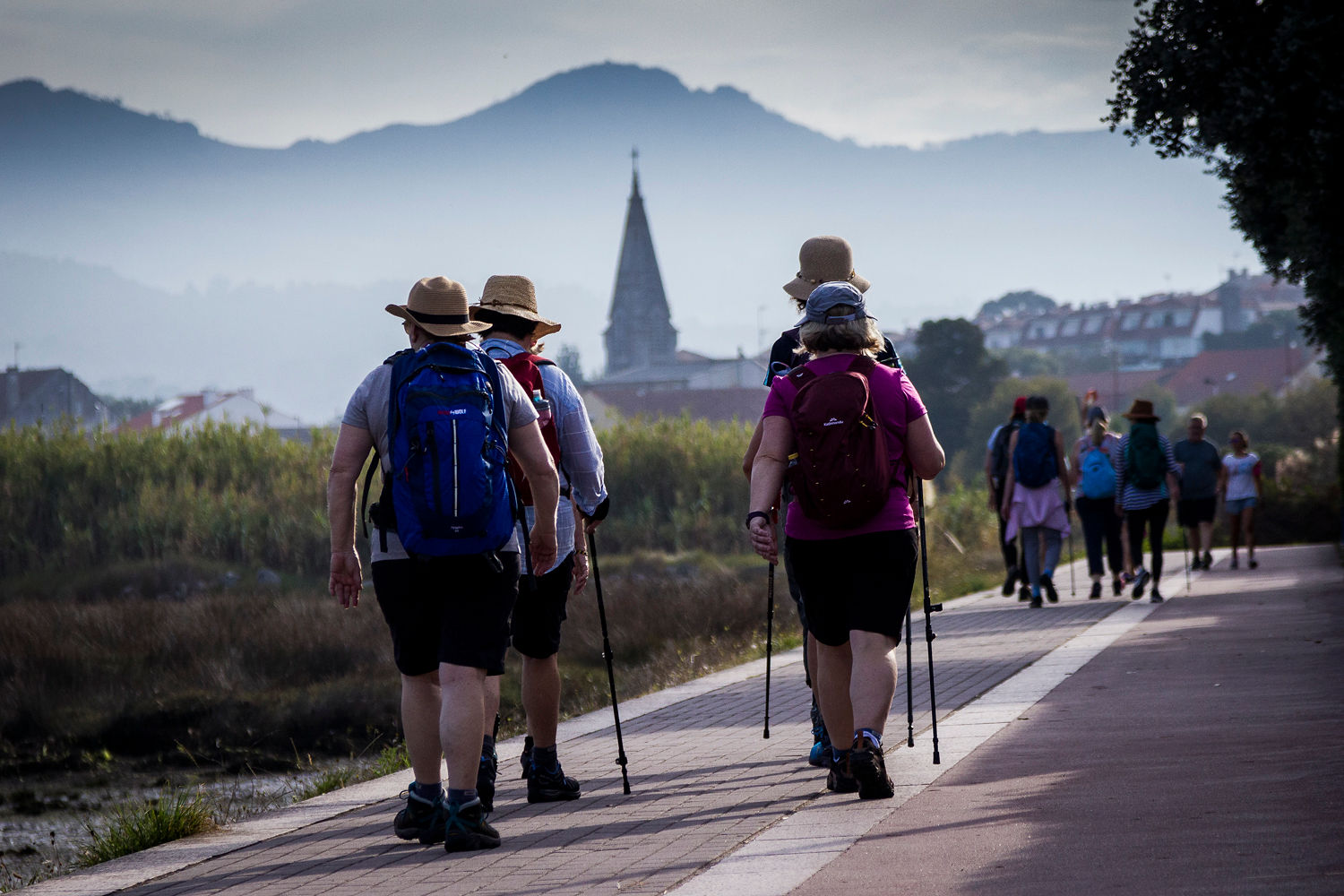


Highlights
get ready for
- Experience the best of the Portuguese Coastal Camino
- Explore Lisbon’s historic streets, culture and cuisine
- Discover historic Porto and charming coastal towns
- Walk hand-picked highlights, skipping industrial stretches
- Walk into Santiago and celebrate with fellow pilgrims

ON THE TRAIL
WHAT IT'S LIKE UNDERFOOT
This itinerary combines scenic train journeys with hand-picked walking sections of the Portuguese Camino, bypassing less appealing urban and industrial stretches to focus on the highlights. Expect a variety of coastal boardwalks, sandy paths, forest trails, seaside promenades and quiet country lanes. As you cross into Galicia, the landscape becomes more undulating, with rural tracks and traditional villages leading towards Santiago de Compostela. While not technically difficult, some days involve longer distances, varied terrain and occasional climbs. A rewarding journey for walkers wanting to experience the best of the Portuguese Camino in less time.
Itinerary
Daily details
Week 1: Lisbon to Viana do Castelo
Day 1: Arrive Lisbon
Today is your arrival day into Lisbon, the capital of Portugal, and a city that is rich in Portuguese culture. The city showcases traditional architecture, cobbled streets, inviting laneways, colourful tiles and gorgeous beaches only a short drive from the city centre. With a year-round Mediterranean climate, Lisbon has one of the warmest winters of any metropolis in Europe! Enjoy exploring this beautiful city by foot and tram and if time permits jump on a train or bus to one of the stunning beaches in the surrounding area.
By night, Lisbon has a real buzz to it, especially in the Bairro Alto district and surrounds. Whether you are after some good food and good wine or a night out dancing, there are many options to suit any taste! We recommend that you do not miss Sao Jorge castle and the two UNESCO World Heritage Sites of Jeronimos Monastery and Belem Tower. Visit the cathedral in Alfama and obtain your first stamp. Opening hours are 9am to 7pm.
Day 2: Leisure day - Lisbon
Spend the day exploring Lisbon, a vibrant city known for its colourful streets, historic neighbourhoods, charming cafes and beautiful riverside views.
Meals: B
Day 3: Train Lisbon to Santarém
Travel by train from Lisbon to Santarém, heading north through the Portuguese countryside. On arrival, take some time to settle in and explore this historic city, beautifully positioned on a hill overlooking the Tagus River. Often referred to as the Gothic capital of Portugal, Santarém is rich in history, with impressive medieval churches, cobbled streets and charming traditional squares.
Spend the afternoon exploring the historic centre, including the beautiful Igreja da Graça, known for its Gothic architecture and rose window, and Igreja de Nossa Senhora de Marvila, famous for its blue and white tiles. Don’t miss the Jardim das Portas do Sol (Gates of the Sun), set within the old city walls on the site of the former Moorish citadel, with shady gardens and magnificent views across the Tagus River.
Meals: B
Day 4: Train Santarém to Coimbra
Travel by train from Santarém to Coimbra, heading north through the changing landscapes of central Portugal. Enjoy views of open farmland, small villages and rolling countryside along the way before arriving in this historic university city, once the capital of Portugal and home to one of Europe’s oldest universities.
Exploring Coimbra on foot is a treat, with its impressive cathedrals, historic university buildings, museums and winding streets of the old town. Make your way up Rua do Arco Almedina to the Torre da Almedina, a remnant of the city’s original Moorish walls, before continuing to the Sé Velha (Old Cathedral), a beautiful Romanesque building with Arabic influences. Further up the hill in the historic Alta district, you’ll find the Sé Nova (New Cathedral) and the magnificent university buildings, which form part of Coimbra’s UNESCO World Heritage site. Back in the old town, visit the 12th-century Igreja de São Tiago and the nearby Igreja de Santa Cruz, which houses the tomb of Portugal’s first king, Afonso Henriques. In the evening, enjoy Coimbra’s lively atmosphere and perhaps experience traditional Fado music, closely associated with the city’s university students and heritage.
Meals: B
Day 5: Train Coimbra to Porto
Travel by train from Coimbra to Porto, heading north through the green landscapes of northern Portugal. Enjoy views of rolling countryside, agricultural fields and small towns along the way before arriving in Porto, one of the oldest cities in Europe, known for its rich history, colourful architecture and famous port wine.
Spend the day exploring Porto’s UNESCO-listed historic centre, with its picturesque Ribeira waterfront, narrow cobbled streets, grand churches and lively atmosphere. Take a stroll across the famous Dom Luís I Bridge over the Douro River, where you’ll enjoy wonderful views of the old city and the traditional port wine boats below. On the southern bank, you’ll find Vila Nova de Gaia, home to Porto’s famous port wine cellars. Other highlights include the impressive Porto Cathedral, where you can collect your first Camino stamp (carimbo in Portuguese and sello in Spanish), and the beautiful São Bento Railway Station, famous for its blue and white tile panels. With its friendly locals, riverside cafes, wine bars and delicious cuisine, Porto is a wonderful place to spend some time before your first walking day on the Camino.
Meals: B
Day 6: Leisure day - Porto
Spend the day exploring Porto, a vibrant riverside city known for its colourful historic streets, beautiful architecture, traditional port wine cellars and lively waterfront cafes overlooking the Douro River.
Meals: B
Week 2: Viana do Castelo to Vila Praia de Ancora
Day 7: Train Porto to Viana do Castelo
Travel by train from Porto to Viana do Castelo, following the beautiful coastline of northern Portugal. Enjoy views of the Atlantic Ocean, sandy beaches, small coastal towns and green countryside along the way before arriving in Viana do Castelo, a charming historic city renowned for its architecture and beautiful seaside setting.
Spend some time exploring the city, often described as an architectural gem, with its impressive monuments, historic squares and picturesque waterfront. Visit the 15th-century cathedral in the old town or take the funicular up to the magnificent Basilica de Santa Luzia, an impressive hilltop sanctuary overlooking the city. From here, you’ll enjoy spectacular panoramic views across Viana do Castelo, the Lima River valley and the Atlantic coastline. The surrounding beaches and seafront are also well worth exploring.
Meals: B
Day 8: Walk Viana do Castelo to Vila Praia de Ancora (20km)
Today marks your first day walking the Camino! Leaving Viana do Castelo, you’ll follow the wild Atlantic coastline along the official Coastal Way, which heads slightly inland through old farms, quaint villages and narrow cobblestone roads, with beautiful views across the surrounding hills and coastline. Alternatively, you can follow the Seashore Path along quiet roads, sandy beaches and boardwalks above the dunes, although this route is not waymarked. Both routes eventually converge at the old fishing village of Vila Praia de Âncora, your stop for the night. This popular seaside town is known for its lovely beach and relaxed coastal atmosphere, making it a great place to unwind after your first day on the trail.
Meals: B
Day 9: Walk Vila Praia de Ancora to A Guarda (15km)
Depart Vila Praia de Ancora along the coast following the Caminho Portugues da Costa waymarks along the wide concrete walkway and cycle path. Pass the small chapel of Santo Isidoro following the concrete path around to the left and continuing along the shore towards Caminha. Remain on the Seashore Path next to the rocky than sandy coastline; ignore the crossing to the right under the railway line and continue past Moleda beach all the way into Caminha by walking along the path along the Minho estuary. Interesting sites to explore in Caminha are the Torre do Relogio clock tower, the gothic Igreja Matriz church and the Praça do Conselheiro Silva Torres main square.
When ready, take the boat across the river Minho from Caminha (Portugal) to A Guarda (Spain). The river crossing is primarily achieved via a private, small-boat water taxi service. It’s an approximate 10-minute crossing, depending on weather and tides. Once across the estuary in Spain, don’t forget to put your watch forward 1 hour. As an option, after finishing the boat ride, instead of walking directly to A Guarda, consider the scenic walk around the peninsular to enjoy an alternative way to enter the town; this will add an extra 3km but is worth it for the fine views.
The fishing port of A Guarda with its pretty harbour is home to Galicia’s most impressive ancient Celtic settlements: the Santa Tecla on the hill above the town – an authentic archaeological gem with breathtaking views of the Atlantic Ocean.
Meals: B
Day 10: Walk A Guarda to Oia (13km)
Enjoy a leisurely morning exploring A Guarda before departing by walking past the harbour to the small fort near the breakwater and continue north on the path on the coast. After several kilometres, the route joins a wide pedestrian and cycle path above the rocky shoreline along the side of the main road, PO-552, most of the way into Oia. This section is flat with very little shade. As you approach Oia you will be rewarded with the spectacular view of the 12th-century Monastery of Santa Maria de Oia cross the small harbour. Oia is a small pretty town with several restaurants; you may find some locals engaged in an impromptu sing-along with bagpipes playing typical Galician tunes.
Meals: B
Day 11: Walk Oia to Baiona (18km)
Start the day by taking the path alongside the dramatic coast where after several kilometres it once again joins alongside the busy PO-552. Just before reaching As Marinos, 11.5km from Oia, the Coastal Way crosses the main road to the right and heads inland and upwards towards Baredo along the old Roman ‘Royal Path’. Look for a small granite Camino sign on the right-hand side of the road near some houses where there will also be a large blue sign. Go through a gate and up the hill; soon you will be rewarded with spectacular views over the coast, the lighthouse and the rocky hill known as Monte de Baredo. Note the prominent wheel ruts worn into the granite rocks as this ancient path goes through the forest and over the pass.
After passing a sports ground, the path enters the village of Baredo and then O’Sinal where you will soon be rewarded with views of the Cíes Islands out of the Bay of Vigo. Follow the yellow arrows to Baiona and enter the town making your way to the main esplanade along the sea where the imposing walls of the old fortress containing the Parador Hotel can be seen on the small promontory. Baiona is the most popular seaside tourist town in southern Galicia and has a well preserved old town and numerous important monuments. It was here in 1493 that the Caravel La Pinta returned with news of the discovery of America by Columbus. A replica is moored in the harbour.
Meals: B
Day 12: Walk Baiona to Vigo (24km)
Today the best option out of Baiona is to follow the Senda Litoral Seashore Path and cross the medieval Ponte Ramallosa bridge over the Rio Minor. At this point you can decide to either continue along the coast on the Seashore Path or follow the inland route through the hills on the Coastal Way. The Seashore Path follows coastal roads, promenades, wooden walkways and beaches to the Rio Lagares where it enters the Bay. Here, either continue along the coast into Vigo Baja past the port and docks or take the path alongside the river joining up with the inland Coastal Way and continuing on to Vigo Alto.
From Ponte Ramallosa the Coastal Way goes over the hills with the PO-552 to the left, on back roads and some forest; the path becomes more urbanised closer to the large busy and cosmopolitan city of Vigo. Follow the yellow arrows. There are several Camino routes into Vigo, so you may also encounter green arrows. Make your way to your accommodation in Vigo down the busy and straight Rua de Urzaiz. Vigo is a huge industrial city, so when walking in here expect industrial areas, highways and busy roads; navigating your way may become difficult.
Meals: B
Day 13: Leisure day - Vigo
Enjoy a well-earned rest day in Vigo, Galicia’s largest city, with plenty of time to explore its lively waterfront, historic old town, shops and seafood restaurants. Take a stroll through the Casco Vello (old quarter), visit the bustling harbour or relax at one of the many cafes overlooking the estuary.
For something a little different, there’s also the option of taking a ferry trip to the beautiful Cíes Islands, often referred to as the ‘Caribbean of Spain’. Part of a protected national park, the islands are famous for their white sandy beaches, clear turquoise waters and stunning coastal scenery. Ferries generally operate from June to September and on weekends in May. Visitor numbers are restricted, so permits and ferry tickets need to be arranged in advance.
Meals: B
Week 3: Redondela to Pontevedra
Day 14: Walk Vigo to Redondela (16km)
There are two ways to depart Vigo: the Seashore Path leaves the old town along the coast past the Vigo Guixar railway station along Rua do Areal and Rua de Garcia Barbon and Sanjurio Badia (the PO-323), before turning right (4km from the railway station), on to Camina Trapa where it joins the Coastal Way.
The alternative is to make your way from the old town along the Rua do Principe mall continuing along the Rua de Urzaiz where it intersects with Avenida do Alcalde Gregorio Espino. This is where you pick up the Camino Coastal Way and the yellow arrows. Follow the pedestrian mall then turn to the left just before the ends on Rua Toledo, then along quiet back streets with the Bay of Vigo on the left where the British sunk many galleons in the 1702 battle of Vigo Bay.
The Camino to Redondela is a pleasant walk with great views of the Vigo estuary as the walk continues through a string of hillside villages and patches of woodland. Your stop for the night is the town of Redondela, known as the ‘Village of Viaducts’, where the Coastal and Senda Litoral Caminos join with the inland Central Portuguese Camino to Santiago de Compostela.
Meals: B
Day 15: Walk Redondela to Pontevedra (20km)
Today is a beautiful day of walking. As you walk on the Camino Portuguese you will notice many pilgrims who have joined from the Central Way from Porto via Tui. Several kilometres out of Redondela the path leads up to the Alto de Lomba through the forest after which there is a short section on the busy N-550 to the village of Arcade famous for the best oysters in Galicia. Cross the long medieval bridge of Ponte Sampaio over the River Verdugo where Napoleon’s army was defeated by the Spanish in 1809 during the War of Independence. Then walk up through the forest and enjoy one of the most beautiful stretches of the Camino following the ancient narrow stone paths as they climb up the slope. The path widens amongst fields and vineyards, arriving at Pontevedra with its pretty historic centre, the 13th-century church of Santa Maria, and the famous Pilgrim Virgin’s church (Santuario da Peregrina), which although appears round, is actually in the shape of a scallop shell.
An alternative scenic and peaceful way to enter the town is via the Rio Gafos. Turn left shortly after the chapel da Santa Marta and before a play area, not waymarked.
Pontevedra is another good rest day option as it has a wonderful atmosphere to soak up and enjoy with its pedestrianised streets and plazas.
Meals: B
Day 16: Walk Pontevedra to Caldas de Reis (22km)
Today the Camino Portuguese will take you over the Rio Lerez via the pretty stone Ponte do Burgo bridge decorated with scallop shells and through chestnut groves and pine and eucalyptus trees to the village of San Amaro. Emerging from the woods near Valbon, at the Cruceiro de Amonisa, a statue of Saint James with his walking stick points the way to Santiago. You will pass the pretty village of Tivo with its lovely fountain and public washing area. Continue on through rural fields and vineyards to the Roman-influenced town of Caldas de Reis, known otherwise as ‘the hot waters of the Kings’, where you will find the thermal springs after crossing the river Umia around to the left outside the Hotel Davila. You may wish to soak your feet in the hot thermal water upon your arrival into the town.
Meals: B
Day 17: Walk Caldas de Reis to Padron (19km)
Today’s walk is one of the most beautiful of the whole route. The path once again takes you through pine forests and rural areas through the Bermana and Verga valleys to today’s destination across the Ulla River, the town of Padron. Padron, the starting point for Saint James ministry in the Iberian peninsular, was also said to be where his body first reached land when it returned by boat after being martyred in Jerusalem. The parish church has the legendary Pedron, the stone where St James’ boat was moored. You can find the Pedron under the altar in the Igrexia de Santiago with a replica Pedron over the bridge on the west bank of the Rio Sar.
Meals: B
Day 18: Walk Padron to Santiago de Compostela (26km)
Your final walking day on the Camino Portuguese will provide some variety through woodlands and on increasingly busy roads. You will pass through a number of small villages and the suburbs of Santiago de Compostela. After making your way to the historic sanctuary of A Escravitude, continue to Faramello and the Chapel of San Martino where you can see one of the oldest wayside crosses (cruceiro) in Galicia. After passing through Milladoiro and the tiny town of Agro dos Monteiros, but before passing under the motorway, pilgrims now for the first time will have a view of the spires of the Cathedral of Santiago de Compostela.
After crossing the Sar River, take the left way marked option and continue through the streets of the city via Rua de Porto Faxeira, the old entrance of the Portuguese Way into Santiago de Compostela. Make your way via Rua Franco to Praza do Obradoiro and the Cathedral of Santiago de Compostela.
Meals: B
Day 19: Leisure day - Santiago de Compostela
Spend the whole day exploring the historical city of Santiago de Compostela. Dine at one of the many cafes or restaurants and reflect on your Portuguese Coastal Camino experience. Attend the pilgrim’s midday mass and spend some time exploring the famous Cathedral or sit and watch the steady flow of pilgrims arriving into the square finishing their epic journey.
Meals: B
Day 20: Depart Santiago de Compostela
You are free to check out of your hotel any time before 10am. If you would like to explore Santiago further you are able to leave your bags with reception.
Meals: B
Estimated Daily Carbon Footprint
17kg of CO2-e per person per day
A reasonable estimate for a pilgrim is 17kg of CO2-e per person per day, primarily due to hotels, meals and emissions from luggage transfers. The act of walking itself is a form of sustainable travel, so the carbon footprint calculated here is a measure of the ancillary activities surrounding the walk, not the walking itself. The figures are estimates, not precise measurements for each route/trip, as it’s difficult to provide an exact number without detailed data on specific hotels, menus, and transfer routes which vary from person to person. This figure represents the operational footprint of the hike and its included services only. It does not include the flights and other transport needed to get to the start and finish of the walk.
An individual can significantly influence their footprint with the varied choices they make around food and drink at each meal. For instance, a diet rich in meat, imported goods and alcohol, will have a much higher impact than one focused on local, seasonal, and plant-based options. This daily stated figure is an average across the 41 days of the pilgrimage, derived from the key consumption components listed below.
See what practical actions we pay for with these estimated carbon offsets for your trip here, following a philosophy of ‘re-wilding the planet’ with local tree planting & Ocean cleans ups.
| Component | Daily Estimate (kg CO2 | Notes on Itinerary Impact |
| Accommodation | 8 kg | This accounts for 38 nights in 3 to 3+ star hotels, B&Bs, and traditional Casa Rurales (rural homes). While comfortable, the accommodation style is typically simpler than resort/lodge-based trips. Portugal and Spain have moderate grid emission factors. |
| Food (B + Self-Paid L/D) | 8 kg | Only breakfast (B) is included daily. The walker purchases their own lunch and dinner (L/D) locally. The emission factor is moderate, assuming a mix of typical Spanish/Portuguese cuisine which may include meat, but allows for lower-emission options like vegetarian food, simple salads, and seafood The varied local Portuguese/Galician diet, featuring seafood, wine, and traditional cuisine, places the food footprint in this range. |
| Shared Transfers & Local Transport | 1 kg | This covers your share of the daily, efficient shared luggage transfers. It also accounts for the public transport (Metro/Taxi) and the ferry crossing across the River Minho. |
| Overhead & Miscellaneous | N/a | We already calculate and account for emissions from waste, administrative operations, and general energy/water usage at our offices. |
| Total Estimated Daily Footprint | 17 kg | (Sum of the above) |
Map
Portuguese Coastal Camino Map
Lisbon
Portugal’s capital is an enchanting must-see destination – alluring alleys, quaint shops, Gothic cathedrals, impressive bridges, colourful neighbourhoods and vintage trams.
CLICK ON A PIN TO REVEAL INFORMATION ABOUT THAT LOCATION
Vila Franca de Xira
The beautiful town of Vila Franca de Xira was founded by French followers of Portugal’s first king, Afonso Henriques, around 1200. The town is mostly famous for its bull-running festivals in July and October.
Santarém
The small city of Santarém contains the largest amount of gothic churches in Portugal as well as quaint old cobbled streets, ceramic-tiled facades, graceful church portals, museums and fabulous restaurants.
Golegã
The charming equestrian town of Golegã has a great horse-breeding and agricultural tradition. One of the town’s star attractions is the parish church, Igreja Matriz, which was originally founded by King Manuel I and features an impressive 16th-century façade.
Tomar
Tomar was the last Knights Templar town to be commissioned for construction. This medieval pilgrim town is one of Portugal’s historical jewels and a UNESCO World Heritage site. To this day, Tomar retains much of the original layout and architecture of the Templar period. The impressive Aqueduct of Pegões is behind the fortress. Also worth visiting is the 15th century synagogue, said to be the oldest in Portugal, and the many important churches.
Coimbra
Coimbra was once the capital of Portugal. With its cathedrals, churches, university, museums, narrow streets of the old town and lively atmosphere it is a treat to explore on foot. The main square, the Largo da Portagem, is the place to be for outdoor cafes and restaurants.
Mealhada
This town is located in an area famous for its wine making and Mealhada-style roast suckling pig – the symbol of the local gastronomy.
Águeda
Águeda, on the river of the same name, is a large town with many shops and restaurants. In the shady Parque da Alta Villa there are lots of painted pig statues!
Sao Joao da Madeira
The industrial town of Sao Joao da Madeira specialises in the production of shoes and hats. The old hat-making factory is now a museum and has exhibits describing the old hat-making process.
Grijó
The most famous site in Grijó is the Monastery of St Salvador, which dates back to the 13th century. The gardens are shady and inviting, a perfect place to enjoy the silence and to contemplate.
Porto
Porto is one of the most ancient cities in Europe. It has many architectural highlights, the picturesque Ribeira riverfront and UNESCO heritage listed colourful historic old town. No visit to Porto is complete without a river cruise to the port wine sellers of the Douro Valley, a UNESCO world heritage wine region. While you’re in Porto, seek out the city’s namesake dish, Tripas à Moda do Porto, and its most popular sandwich, the Francesinha. You’ll easily burn off the calories if you are starting your pilgrimage from this beautiful seaside port.
Póvoa de Varzim
This is a modern resort and holiday town. The town’s main appeal is the beach. There is also a historic centre and shopping streets.
Esposende
Esposende is a popular resort and fishing town. Along the riverside runs a wide palm-lined boulevard. The broad beach at the mouth of the Cávado River is known for its quality surf. Backed by low dunes the beach is overlooked by the 17th century Forte de São João Baptista and the red metal tower of Esposende lighthouse.
Viana do Castelo
Classified as a mecca of architecture, Viana do Castelo is famous for its monuments in and around the city, and the surrounding natural beauty of its beaches and seafront. You can visit the 15th century cathedral and take the funicular to the Basilica de Santa Lucia on the hill above the town for some of the best views of the West Atlantic coast.
Vila Praia de Ancora
The old fishing village of Vila Praia de Ancora has a great beach and is popular with tourists. The town has an excellent reputation for gastronomy. The festival of the Sea and Sardines is held in early July.
A Guarda
The fishing port of A Guarda has a pretty harbour and Galicia’s most impressive ancient Celtic settlement – the Santa Tecla on the hill above the town is an authentic archaeological gem with breathtaking views of the Atlantic Ocean.
Oia
As you approach the small town of Oia you will see the spectacular 12th-century Monastery of Santa Maria de Oia across the small harbour. The pretty town has several restaurants, and you may find some locals engaged in an impromptu sing along with bagpipes playing typical Galician tunes.
Baiona
Baiona is the most popular seaside tourist town in southern Galicia and has a well preserved old town and numerous important monuments. It was here in 1493 that the Caravel La Pinta returned with news of the discovery of America by Columbus. A replica is moored in the harbour. From Baiona you can travel to the nearby historic town of Tui with its cathedral (a highlight of the inland Central Camino) or to take a ferry trip to the heavenly Cies Islands, which are known as the Caribbean of Spain.
Vigo
Vigo is a busy, cosmopolitan industrial city. The Old Town (Casco Vello) is the city’s heart, packed with lively bars and restaurants serving delicious Galician dishes.
Redondela
The town of Redondela is known as the ‘Village of Viaducts’. It’s where the Coastal and Senda Litoral Camino’s join with the inland Central Portuguese Camino to Santiago de Compostela.
Pontevedra
Pontevedra has a pretty historic centre, pedestrianised streets, plazas and a wonderful atmosphere to soak up. The famous Pilgrim Virgin’s church (Santuario da Peregrina) appears round but is actually in the shape of a scallop shell.
Caldas de Reis
The Roman-influenced town of Caldas de Reis, known as ‘the hot waters of the Kings’. You’ll find the thermal springs after crossing the River Umia.
Padrón
Padrón was said to be where the body of St James first reached land when it returned by boat after being martyred in Jerusalem. The parish church has the legendary Pedron, the stone where St James’ boat was moored. You can find the Pedron under the altar in the Igrexia de Santiago with a replica Pedron over the bridge on the west bank of the Rio Sar.
Santiago de Compostela
The wonderful and historic city of Santiago is the end of the Camino journey for most pilgrims. Praza do Obradoiro and the wonderful ancient Cathedral form the city’s heart. Attend the midday pilgrims mass and watch the steady stream of pilgrims arriving into the square as they finish their epic journey. There are many enticing tapas bars and restaurants in which to celebrate your journey.
Inclusions
What's included?
Included
- Comfortable accommodation with private en-suite rooms (twin share/double)
- Daily breakfast
- Luggage transfer each day from hotel to hotel (1 x 20kg bag per person)
- RAW Travel navigation app with maps of your hotel locations and emergency contact numbers
- Pre-trip Camino guidance and planning
- Dedicated local support person in Spain for reassurance
- Your completed trip counts towards RAW Traveller Rewards
Excluded
- Single supplement $1795
- Solo traveller surcharge
- Lunches and dinners
- Trains, buses or alternative transport
- Flights
- Travel insurance
Added Extras
Ask us about adding extra nights accommodation in Lisbon, Porto or Santiago.
For an extra indulgence, upgrade your stay in Baiona, Pontevedra or Santiago to the Parador when booked six months in advance (subject to availability and peak period surcharges). Speak with our Destination Experts to find out more.
For any part of your trip that falls between 31 October and 31 March there is an ‘out of season’ luggage transfer surcharge cost of $30 per person per day.
ACCOMMODATION
WHERE YOU STAY
Accommodation on the Portuguese Camino ranges from large well-located approx. 3 to 3+ star hotels in cities and larger towns, to comfortable smaller hotels, restored boutique properties and welcoming B&B-style places. In smaller villages and hamlets we often use Casa Rurales – traditional rural homes often run by local families that have been lovingly transformed to offer guest accommodation. These provide an authentic experience, full of character and warm hospitality. Not all accommodation may be located directly on the trail. If this is the case and it is not possible to walk to your overnight stay, your hosts will arrange pick-up and drop-off transfers, so you can enjoy a seamless walking experience.

TRIP INFO & NAVIGATION
RAW TRAVEL APP
Our app gives you access to your itinerary, accommodation details, emergency contacts and weather information in one handy place. The ‘Route Maps’ feature helps with navigation when trail markings or signage is unclear or not available. You can also use it to find your accommodation and key points of interest. You still need to be self-reliant with wayfinding. As with any phone app, it’s not intended to be used constantly as you walk. For the best results with trail navigation, follow the signs and use our app as a backup. It’s essential to download and explore the RAW Travel app before your trip – it’s full of handy features to support your journey. Find out more here.

Exclusive Guide
Portuguese Camino
Discover inspiration, travel essentials, practical information and more in our free Destination Guide. All you need to know about walking the Camino de Santiago routes through Spain, Portugal and France!
Walking the Camino is an incredible journey that will immerse you not only in Europe’s grand history, food and culture but most importantly the extraordinary camaraderie that exists along these routes. The spirit of the Camino de Santiago is alive and well among people from all over the world. It is a ‘bucket list’ experience you will never forget!

Portuguese Coastal Camino
Lisbon to Santiago – Portuguese Coastal Camino
- Explore Lisbon’s abundant history, fine cuisine and lively culture
- Fresh cod and grilled sardines the world famous ‘Pastéis de Nata’
- Lush fields, olive and citrus groves, beautiful beaches and wild coastlines
- Roman remains, old Knights Templar towns, Moorish bastions
$7,995.00

Portuguese Coastal Camino
The Spiritual Variant – Portuguese Coastal Camino
- Enjoy tranquil walking through otherworldly landscapes
- Discover Galicia’s rich local customs, traditions, history and cuisine
- Take in spectacular views and walk delightful mountain paths
- Explore historical landmarks, churches and charming villages
$2,350.00

Portuguese Coastal Camino
Baiona to Finisterre – Portuguese Coastal Camino
- Solitude, mindfulness and reflection on the ‘Camino less travelled’
- Fishing villages, beach walks, excellent seafood and wine
- Exceptional walking along the wild Atlantic coast
- 2 nights in the magnificent Parador hotel in Baiona
$3,495.00
Portuguese Coastal Camino
Baiona to Santiago – Portuguese Coastal Camino
- Beautiful Galician scenery; seascapes, vineyards and shady forests
- Walk approx. 130km enabling you to receive a Compostela
- Local delicacies especially amazing seafood including oysters and pulpo
- Magnificent accommodation with a complimentary upgrade
$2,295.00
Portuguese Coastal Camino
Porto to Baiona – Portuguese Coastal Camino
- Soak up spectacular Portuguese coastal scenery
- Walk along this quiet but friendly Camino
- Fishing villages, seaside communities, beachside resorts and historic towns
- Remains of old Roman roads, coastal paths, boardwalks and beaches
$2,050.00
Portuguese Coastal Camino
Porto to Santiago – Portuguese Coastal Camino
- Savour the slower pace of this much quieter Camino
- Memorable encounters with friendly locals along the way
- Rest or explore with a free day in vibrant Porto
- Make an optional visit to Tui or a day trip to the Cies Islands
$3,995.00

Portuguese Coastal Camino
Porto to Santiago: The Essentials Trip – Portuguese Coastal Camino
- A faster paced trip with coastal and rural scenery with abundant historic relics
- Modest, well located, clean, comfortable hotels with private bathrooms
- Add an extra night or arrange your own additional accommodation
- Luggage transfers, breakfasts, in-country support staff
$2,450.00
TRIP date selection
when would you like to travel?
Please select your preferred dates for on-demand trips or select a scheduled date for group departures. If you have booked a self-guided trip please understand that because your trip date is on demand and we must check availability of all properties on your chosen dates before it can be fully confirmed