
length
11 Days
difficulty
Moderate
trip cost
from $2240 pp
Nature Immersion
Cultural Interest
Overview
Sarria to Santiago 11-day walk - Camino de Santiago
Walk the final stage of the Camino de Santiago walking trail or ‘The Way’. Start in Sarria and walk through the hills of Galicia to finish at the pilgrims’ goal of Santiago de Compostela.
Follow in the footsteps of millions of pilgrims and over 1,000 years of history on the world’s greatest historical trail. Following scenic country roads and forest tracks crossing old villages and cities born from the Camino trail, it is difficult to imagine a better way to enjoy Spain’s rich legacy of history, culture, food and art than to follow your own Camino.
Join people from all walks and life and nationalities as they embark on this great adventure, you don’t have to be religious just a keen walker.
See our Camino FAQs for everything you need to know!
 We are the longest established and most popular Camino operator in Australia.
Find out why we are the No.1 choice


REVIEWS
WHAT OUR CLIENTS SAY


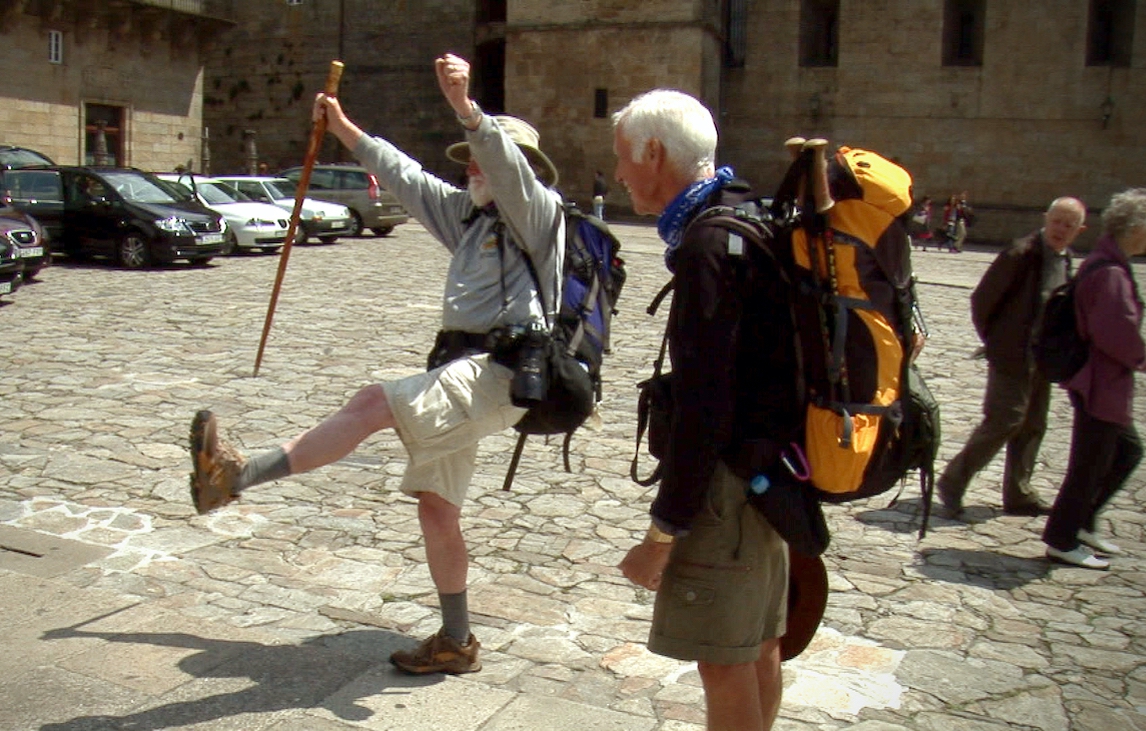
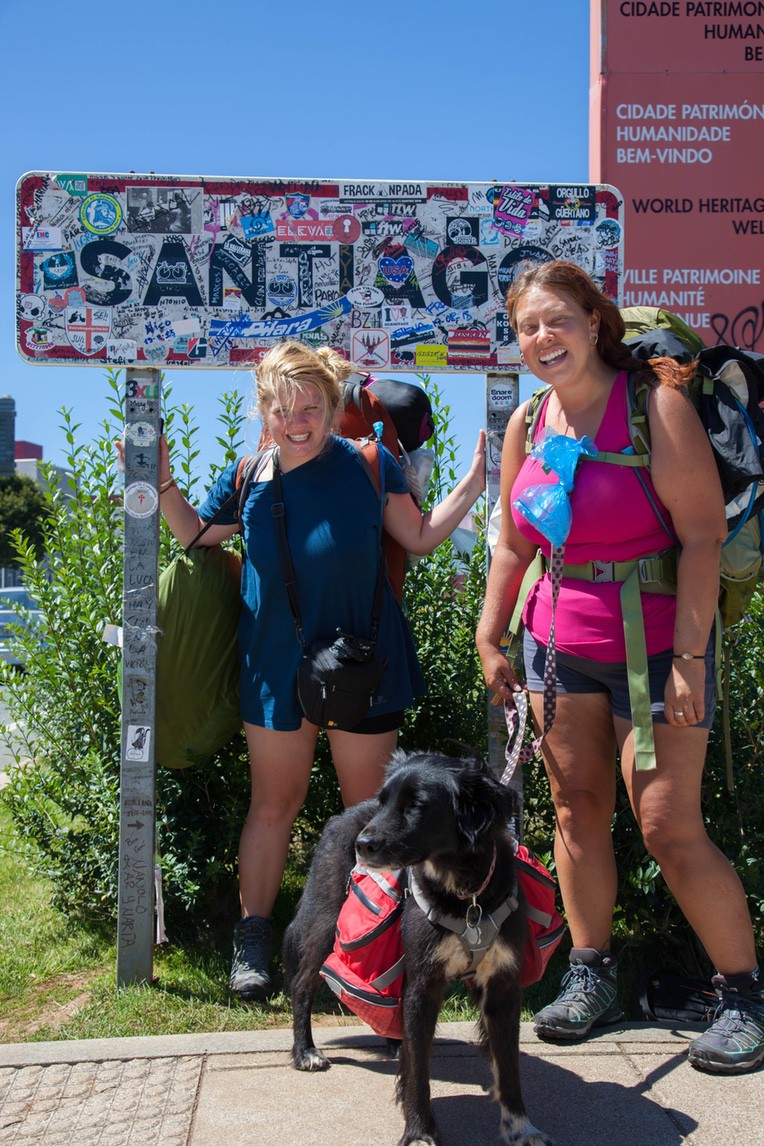


This experience absolutely surpassed our expectations! Absolutely fantastic, well planned out and enjoyable accommodation. We loved meeting so many friendly people with similar aims. The walk was much easier than expected and all aspects of safety were well covered by RAW Travel.
Janet Gibson, Hastings Point (NSW) – October 2025
Satisfied a dream! Loved walking through the countryside and villages amongst the camaraderie of fellow walkers from ‘around the world’. High quality and great variability of accommodation. Route mapping was always accurate.
Robert Dombkins, Wollongong (NSW) – September 2025
Absolutely the best. The most amazing and well-run experience! I would recommend RAW Travel to everyone! Loved the scenery, the itinerary, the accommodation – the lot! The variation was wonderful.
Dianne Brown, Warrnambool (VIC) – September 2025
Very, very happy. Loved the walk though the beautiful country high in the hills knowing so many others had gone before me. The accommodation was all great and I was very well looked after. The walk itself was much easier than expected and I felt safe at all times.
Rachel Gibbons, Ocean Grove (VIC) – September 2025
Wonderful experience. You went above and beyond. Loved everything, from the accommodation to the walking. The pre-departure information and documents were excellent, and I felt completely safe the whole trip.
Debra Biddulph, Thirroul (NSW) – September 2025
Relaxing and very charming. Just the right amount of challenge. Loved the people and the scenery, and the ease of having pre-booked accommodation so I could sleep in every day. The accommodations were all in really nice spots too.
Sharon Tein, Googong (NSW) – May 2025
Absolutely brilliant. I loved walking along the track surrounded by nature and listening to the birds. Everything about Casa Solance and Casa Leopoldo was superb!
Lynne Bowen, Scarborough (QLD) – May 2025
An amazing experience. Loved the calmness and ease – RAW Travel organised everything. Information was clear and good for a solo traveller. High-quality service at the accommodation.
Melina Puglisi, Indooroopilly (QLD) – May 2025
Fantastic experience walking through villages and towns through the fresh air. Loved meeting very wonderful local people and pilgrims from many different countries and cultures. Enjoyed not having to carry our luggage and knowing that support was available if need be. I was surprised at how well I personally coped. The accommodations were excellent and luggage transfers seamless. Getting the stamps along the way was fun, climaxing in the trip to the pilgrim office in Santiago to get my certificate. I was fortunate to see the huge incense burner in action. Would do it again.
Garry Corcoran, Portarlington (VIC) – April 2025
The organisation was spot on, the accommodation outstanding, the navigations aids and pre-departure information excellent.
Jim Duncan, Valla (NSW) – April 2025
We really enjoyed our ‘slower’ Camino walk. It gave us more time to relax and enjoy the towns and our fab accommodation! Loved the journey through the varied countryside and the camaraderie of our fellow walkers. All the accommodation was great but in particular, we loved the places in Sarria, Arzúa, Piñeiro and Lavacolla. Of course the Parador in Santiago was amazing!
Shane Tiernan, McMahons Point (NSW) – October 2024
The walk exceeded my expectations, the accommodation was very good on the whole and the baggage transfer was faultless. Loved the walking each day, meeting people from all over the world, and a number of our hosts were excellent. The farm stay in Palas de Rei was outstanding. Hosted stays in Sarria and Ventas de Naron were also very good.
Edgar Bliss, Adelaide (SA) – October 2024
An easy and high-quality introduction to the Caminos. Loved the wonderful accommodation after walking, and meeting other walkers on a beautiful walk. Plenty of time and opportunity to walk alone, too.
Julia King, Walcha (NSW) – September 2024
Loved the walk itself and the hassle-free experience. All logistics were perfectly organised, the App was great and the support provided in-country was excellent. Most accommodation was excellent.
Sarah Gowty, Canberra (ACT) – September 2024
The idea of pre-organising our accommodation and luggage transfers was a valuable one! This trip was interesting and challenging physically. Loved the scenery, the people we met and arriving at Santiago de Compostela.
Maryanne Kirk, Balwyn North (VIC) - September 2024
One of my life highlights. Loved the camaraderie of my travelling companions, the physical challenge, being in rural areas, and exploring little towns.
Jane Butters, Herne Hill (VIC) – May 2024
This trip was made possible because RAW Travel did all the hard work arranging things so all we had to do was walk. Walking through rural Spain, meeting other walkers and the accommodation each night was superb.
Jenny O’Dea, Port Melbourne (VIC) – May 2024
Amazing! I just loved the experience. RAW Travel were fantastic. A salt water pool at the end of walk was great, as was having my bags move each time. I would travel with RAW Travel again.
Elizabeth Mcfeeters, Millthorpe (NSW) – October 2023
I am elated to have completed this pilgrimage and to have booked it all via RAW Travel! There is so much I loved about this journey, from the amazing accommodation you booked for us to the beautiful camaraderie between all the pilgrims, and the city of Santiago itself! The quality of the accommodation was way beyond what I expected and a lovely retreat after each day’s walk.
Andreas Lippa, Tuntable Creek (NSW) – October 2023
Enjoyable experience with good accommodation and efficient luggage transport. Enjoyed the scenery, interacting with fellow walkers and staying at the Paradors and Casa Rural Morgade. It was well worth paying for the upgrade to stay at the paradors at Monforte de Lemos and Santiago de Compostela.
Giacoma Boyer, Salter Point (WA) – September 2023
It was an excellent experience. Everything went to plan and exceeded our expectations on every level. From the walking trail to the people you meet along the way to the wonderful accommodation RAW Travel arranged. Enjoyed having time to contemplate and the interesting people you meet from all around the world. All the accommodation was wonderful. The Parador stay at the end was magnificent.
Samantha Berry, Beaumaris (VIC) - May 2023

Highlights
Get Ready For
- Walk the final 100km of the Camino Trail
- Qualify for your Compostela
- Finish in this historic city of Santiago
- Visit the final end point of your walk at the Cathedral
- The self-guided trip allows you to set your own pace
- We look after your accommodation and luggage transfers
- Dedicated local support person in Spain for reassurance
ON THE TRAIL
WHAT IT'S LIKE UNDERFOOT
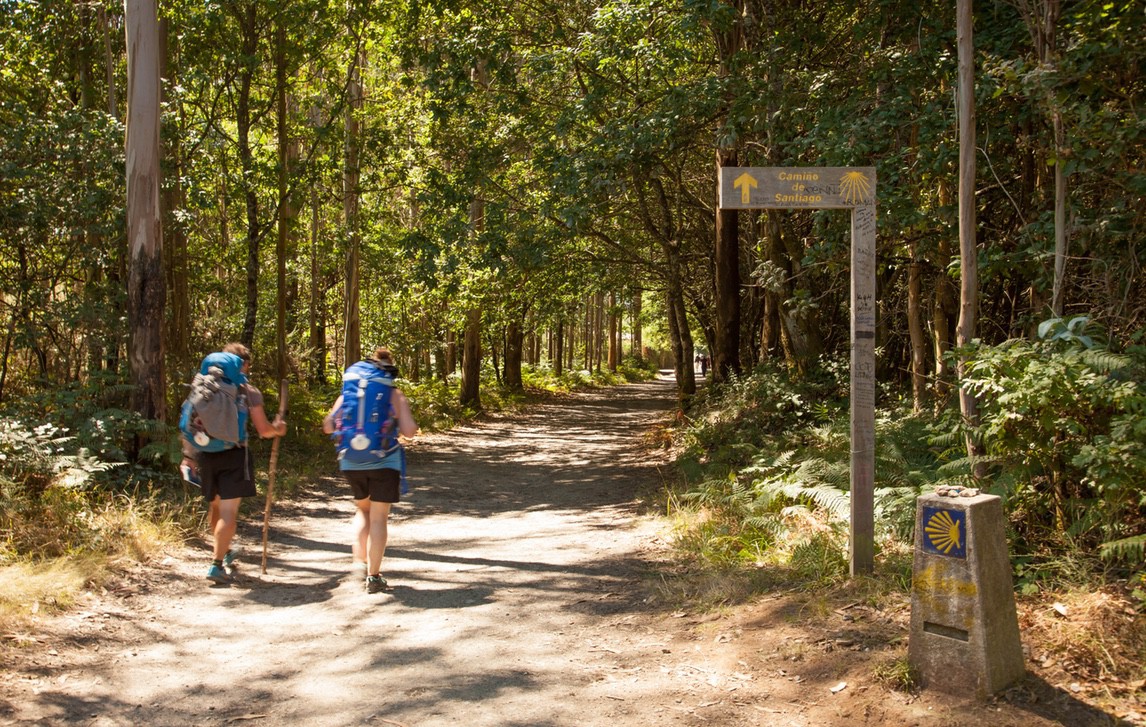
The Camino from Sarria to Santiago offers a manageable and rewarding walk, with a generally well-maintained and clearly marked trail that’s ideal for walkers of all experience levels. Underfoot, you’ll encounter a mix of compact dirt tracks, quiet country lanes and forest paths, with occasional paved sections through towns and villages. Expect gentle rolling hills rather than steep climbs, with shaded stretches beneath oak and eucalyptus trees, as well as open farmland views. Regular waymarking ensures easy navigation, and you’ll find rest stops, cafés, and water fountains along the way – perfect for taking a break, refreshing, and connecting with friends and fellow walkers.
Itinerary
Daily Details
Day 1: Arrive Sarria
Welcome to Sarria, the starting point for your exciting journey! If you arrive in the morning on this first day you can spend exploring the city of Sarria and all it has to offer. Sarria is a busy, modern town with plenty of shops, hotels, restaurants and bars, but its origins are Celtic and it was an important and major medieval centre for pilgrims. Remnants of its ancient past can still be seen in the old quarter along Rua Major. The church of Igrexia de Santa Maria has an ancient pilgrim’s mural. If you follow the Camino route to the top end of town you will see the ancient convent Monasterio da Madalena, the ruins of the castle and the medieval bridge Ponte Aspera that crosses the River Celerio. Nowadays the town is bustling with peregrinos, from those who started their Camino hundreds of kilometres back to pilgrims like you who walk the final 100km to Santiago de Compostela to qualify for their Compostela.
Day 2: SARRIA TO MORGADE (12KM)
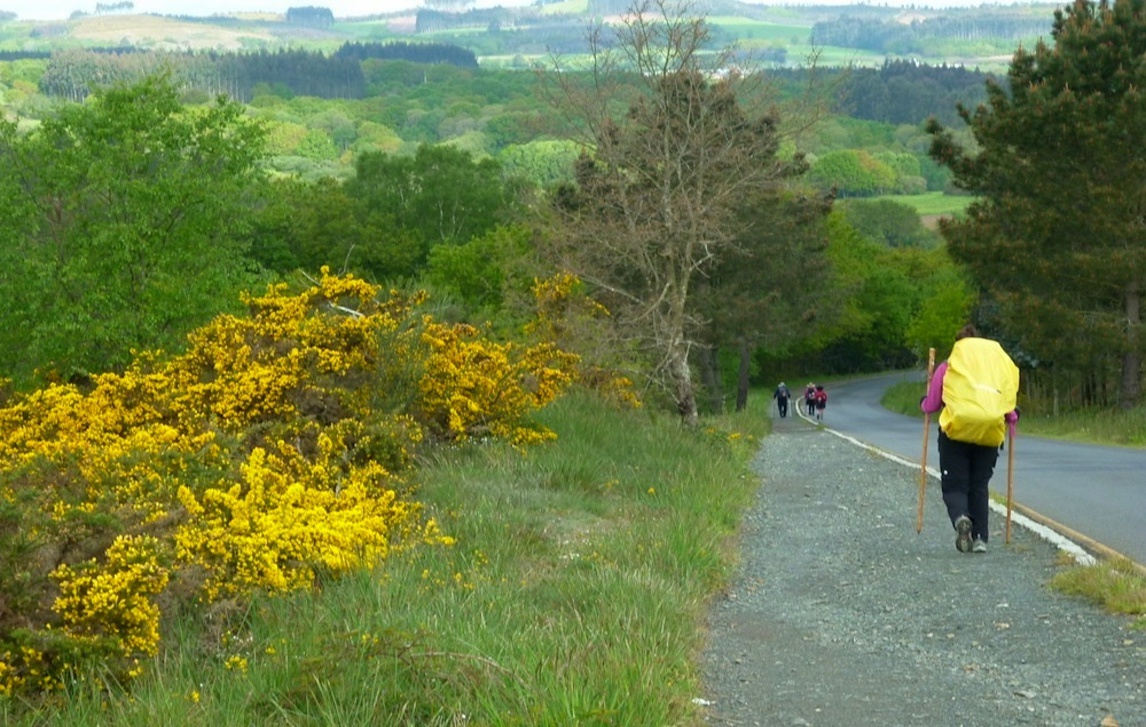
Time to finally get onto the Camino Trail and on your way to Santiago. The majority of your first walk is a great introduction as it is along sheltered woodland pathways or quiet country roads and passes through many hamlets and small villages. The scenery along the way is wonderfully green and lush and very rural. The trail climbs and falls repeatedly as it passes tiny hamlets full of history.
Meals: B
Day 3: MORGADE TO PORTOMARIN (10KM)
The high point of the day (660m) at Pina dos Corvos has wonderful views over the reservoir and surrounding countryside. From here begin your steep descent, crossing the Mino Reservoir over its modern bridge into Portomarin.
Portomarin has been inhabited for thousands of years and its importance grew with the popularity of the Camino in the middle ages. At one time it had three orders of Knights: the Knights Templar, the Knights of St John and the Knights of Jerusalem, which may go some way to explaining the castle like edifice of the 12th century Romanesque Igelsia San Nicolas church which still stands in the square at the centre of town. The town was previously divided by the Rio Mino but was flooded in 1960 to create the Mino Reservoir. Every historic monument was moved brick by brick to the town that stands on the hill today; you can see pictures of the old town in some of the bars and cafes that line the main street.
Meals: B
DAY 4: PORTOMARIN TO VENTAS DE NARON (12KM)
Today’s walk is uphill for pretty much all the way; however, the gradient is never too steep. The path crosses and runs parallel to the main road to Gonzar, though you spend most of your days walking on woodland tracks and quiet roads
Meals: B
DAY 5: VENTAS DE NARON TO PALAS DE REI (11KM)
A climb to start the day takes you to Sierra Ligonde, today’s high point at 720m. The walk is then downhill to Ligonde and Eirexe and onto A Calzada. There is a detour here of 2 km to the National Monument, Vilar de Donas where the Knights of Santiago are buried and is worthy of a visit if you have time. A gentle climb now takes you through several small hamlets to Alto Rosario, a good vantage point on a clear day and then down into Palas de Rei.
Palas de Rei or Palace of the King has little to remind you that it was once home to a king. Today it is a small country town with plenty of services available.
Meals: B
DAY 6: PALAS DE REI TO MELIDE (15KM)
Today’s walk is mostly on paths through quiet woodland, crossing over the main road to Arzua several times and guiding you through six river valleys to reach a high point of 515m at Coto.
On route you will pass Melide, a busy town founded in the 13th century and has many historic buildings and churches including the Capilla de San Pedro and San Roque next to which stands a 14th century stone cross said to be the oldest in Galicia. The museum and the buildings around the Plaza de Convento are well worth a visit. Melide is also famous for Pulpo Gallego, octopus cooked Galician style and reputed to be the best in Spain.
Meals: B
DAY 7: MELIDE TO ARZUA (14KM)
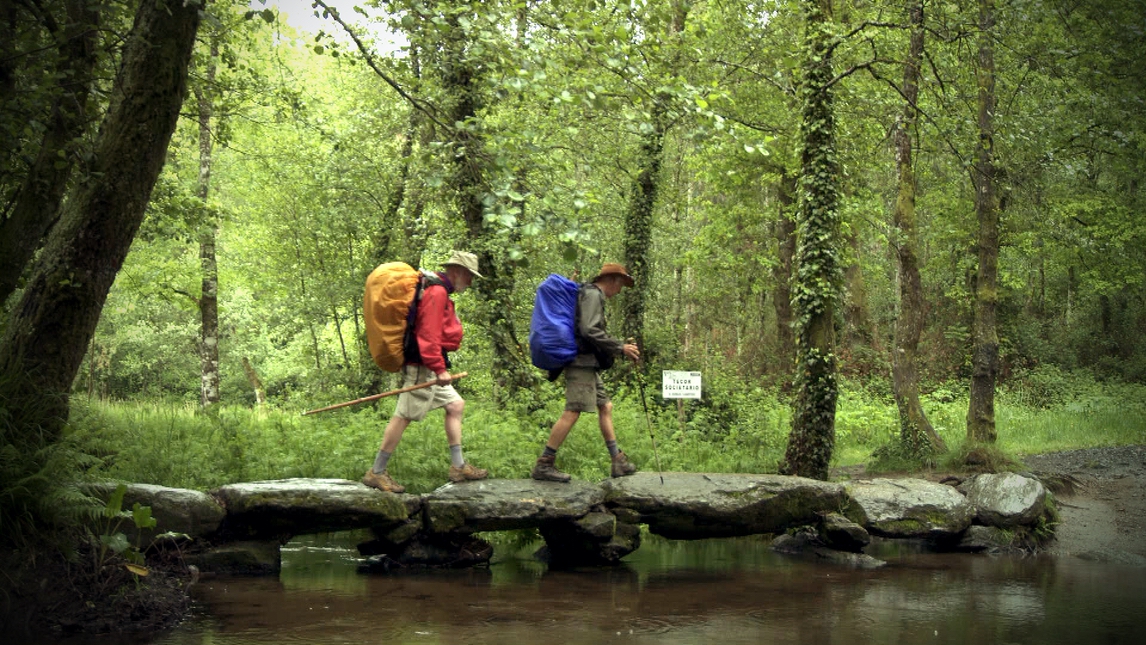
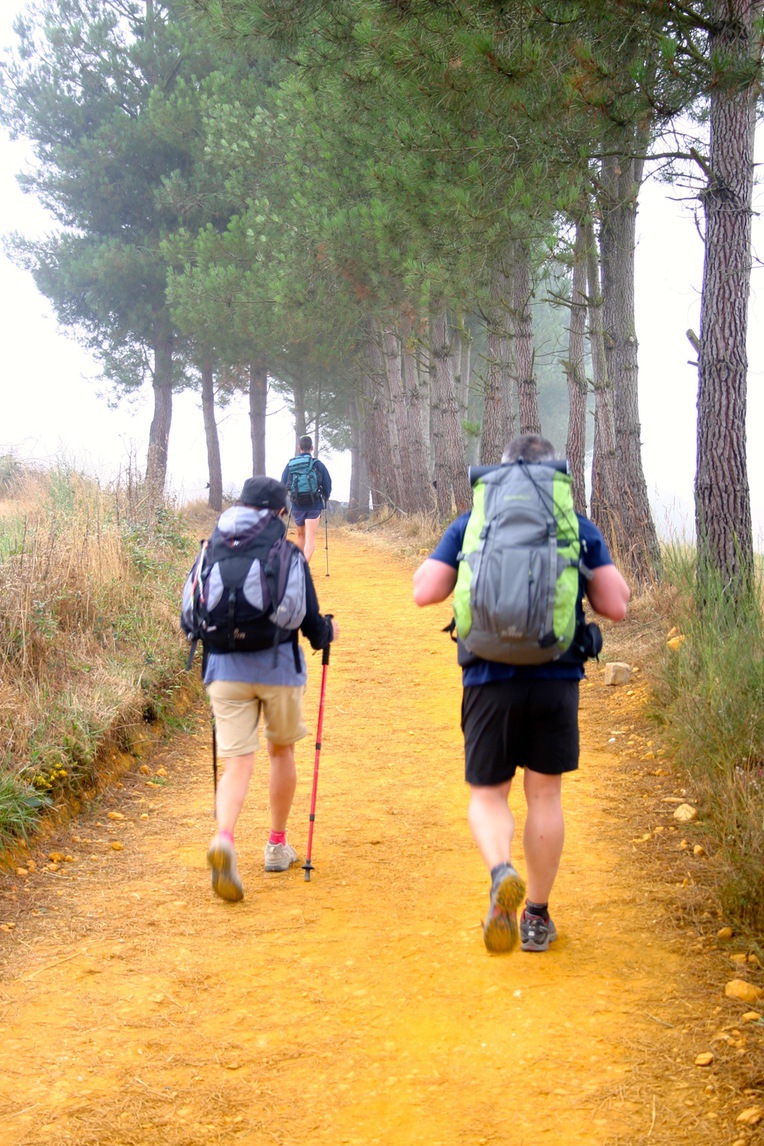
From Melide the path winds through woodlands of oak, pine and eucalypt, passing over several valleys though Boente, Castañeda and then Ribadiso from where you can see the Hospital San Anton, one of the oldest pilgrim hospitals in existence. From Ribadiso follow the country road on a steep uphill climb and through the outer suburbs before entering Arzua.
Arzua with a population of around 7000 is the last large town before you reach Santiago. The 14th century Capilla de la Magdelena is the town’s main monument. Arzua is most famous for its local cheese, Queixo, a smooth creamy cheese made from cow’s milk which most restaurants feature in some way and is definitely worth trying. The town also celebrates its cheese with a Queixo Cheese festival every March.
Meals: B
DAY 8: ARZUA TO O PEDROUZO (21KM)
The majority of today’s walk to O Pedrouzo is through wonderful pine and eucalyptus scented woodland. The path is mostly level, passing through three shallow river valleys with a gradual climb up to Alto de Santa Irene at 404m. The country lanes and woodland paths pass through many small hamlets. The final section climbs steeply to a main road, into eucalyptus woodland and onto A Rua and the village to O Pedrouzo. O Pedrouzo /Arco do Pino is a small but busy town with plenty of shops, restaurants and bars and the staging point for the last section of the Camino before entering Santiago de Compostela.
Meals: B
DAY 9: O’PEDROUZO TO SANTIAGO (20KM)
Today’s route will be a busy as pilgrims begin the last stage of their walk into Santiago. The pilgrims mass at Santiago Cathedral begins at midday so you will need to leave early to arrive on time. The first section of today’s route passes through eucalypt forests with most of the route on quiet roads and pathways before the final kilometres and a climb to Mount Gozo before descending into the suburbs of Santiago. The path runs alongside the airport and you will see many crosses of twigs and branches used by pilgrims to decorate the fence.
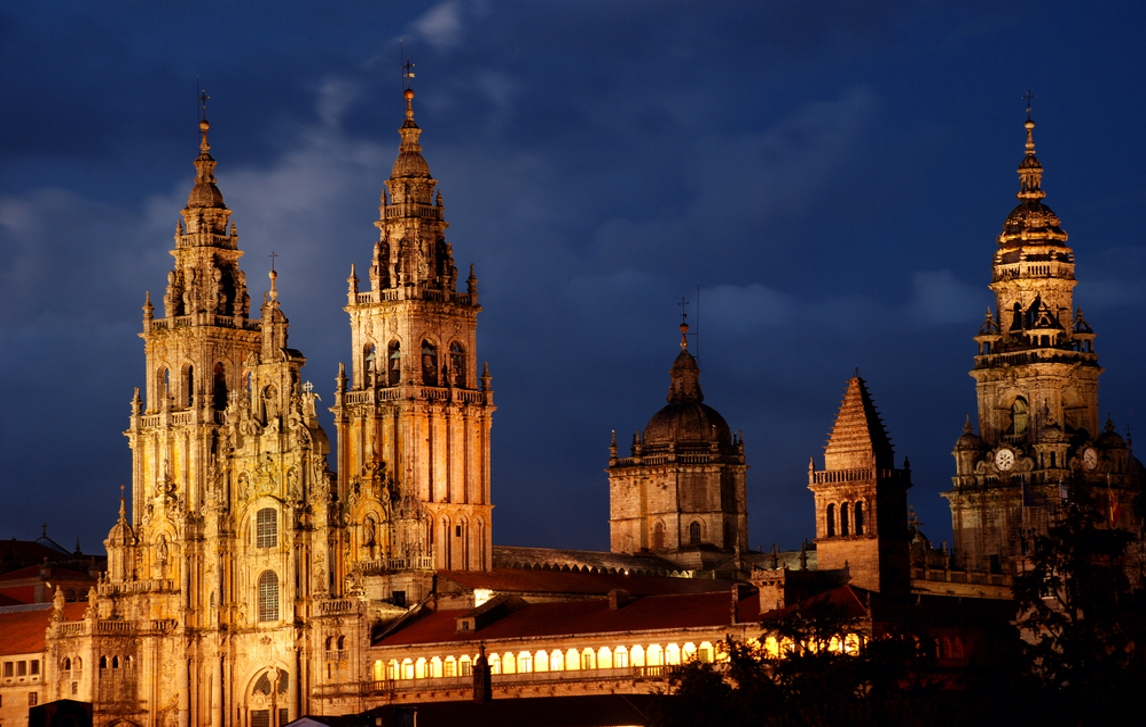
Lavacolla village is where pilgrims traditionally washed to purify themselves before entering Santiago and Lavacolla literally means to wash your tail. At Monte Gozo, Mount of Joy, you will first sight the stunning Catedral de Santiago spires.
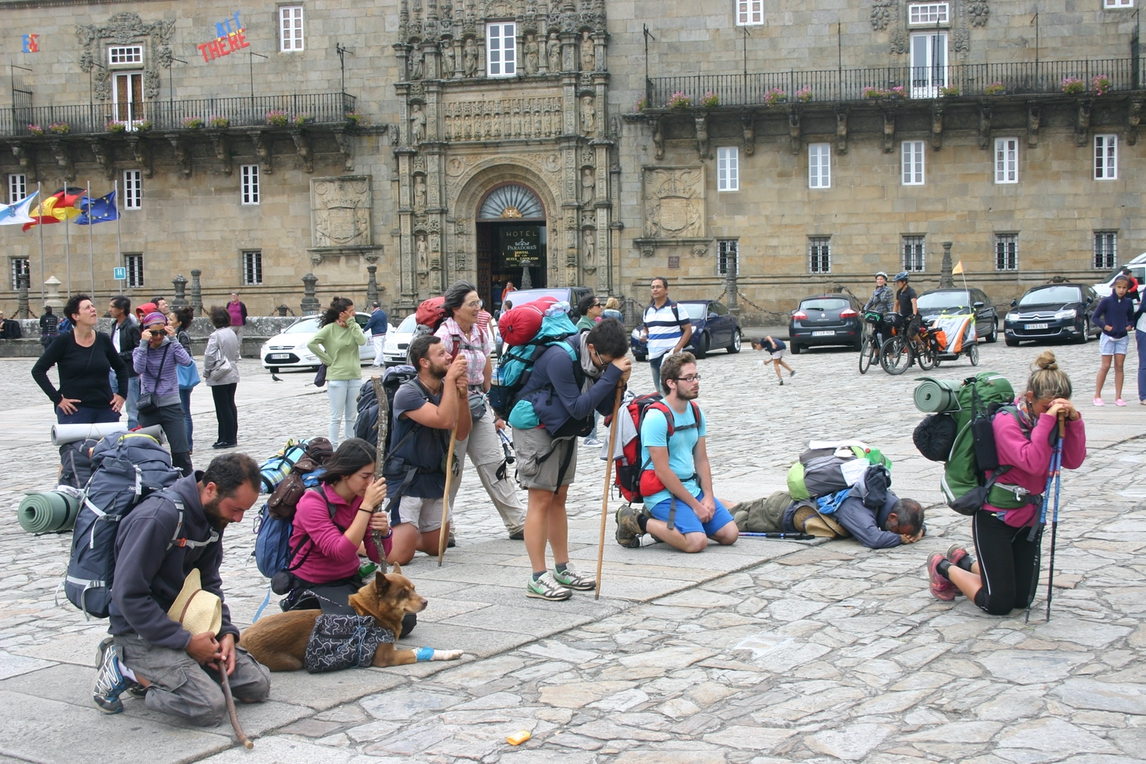
The final section is well signposted into the old quarter with its wonderful historical buildings and narrow shop filled alleyways, until you finally reach the Praza Obradoiro and the wonderful ancient Cathedral.
Meals: B
DAY 10: FREE DAY IN SANTIAGO
Today you have the whole day to enjoy and explore historic Santiago with its many enticing tapas bars and restaurants. You can attend the midday pilgrims mass and look around the famous Cathedral of St James which forms the city’s heart and watch the steady stream of pilgrims arriving into the square as they finish their epic journey.
Meals: B
DAY 11: DEPART SANTIAGO
You are free to check out of your hotel any time before 10 am. If you’d like to explore Santiago further, you can leave your bags with reception. Interested in more walking options from Santiago? Consider extending your journey with our captivating 6-day Camino de Finisterre for an epic journey to ‘The World’s End”.
Meals: B
Carbon footprint & our regenerative actions
16kg of CO2-e per person per day
We pay for a monthly offset to cover the estimated emissions of our walkers for all trips with RAW Travel, which goes into local reforestation or biodiversity restoration. Explore the practical actions behind these estimated carbon offsets for your trip here, following a philosophy of ‘re-wilding the planet’ with native tree planting & Ocean plastic cleans ups.
A reasonable estimate for a pilgrim is 16 kg of CO2-e per person per day, primarily due to hotels, meals and emissions from luggage transfers. The act of walking itself is a form of sustainable travel, so the carbon footprint calculated here is a measure of the ancillary activities surrounding the walk, not the walking itself. The figures are estimates, not precise measurements for each route/trip, as it’s difficult to provide an exact number without detailed data on specific hotels, menus, and transfer routes which vary from person to person. This figure represents the operational footprint of the hike and its included services only. It does not include the flights and other transport needed to get to the start and finish of the walk.
An individual can significantly influence their footprint with the varied choices they make around food and drink at each meal. For instance, a diet rich in meat, imported goods and alcohol, will have a much higher impact than one focused on local, seasonal, and plant-based options. This daily stated figure is an average across the 18 days of the pilgrimage, derived from the key consumption
Carbon Footprint Breakdown
| Component | Daily Estimate (kg CO2 e per person) | Notes on Itinerary Impact |
| Accommodation | 8 kg | Accounts for 11 nights in private rooms within hotels and more modest guesthouses/B&Bs in rural areas. |
| Food (B + Self-Paid L/D) | 7 kg | The itinerary includes a daily breakfast; lunch and dinner are self-paid. |
| Shared Transfers & Local Transport | 1 kg | Covers your share of the daily, efficient shared luggage transfers between all stops. |
| Overhead & Miscellaneous | N/a | Includes emissions from waste, administrative operations, and general energy/water usage. |
| Total Estimated Daily Footprint | 16 kg | (Sum of the above) |
Map
Sarria to Santiago Map
Sarria
Sarria is a busy, modern town with plenty of shops, hotels, restaurants and bars. It is bustling with pilgrims – those who began their Camino hundreds of kilometres back as well as the large number that walk the final 100km to Santiago de Compostela to qualify for their Compostela.
CLICK ON A PIN TO REVEAL INFORMATION ABOUT THAT LOCATION
Portomarín
The lovely small village of Portomarín on the Rio Miño has a remarkable history and significant sites, including the castle-like 12th-century Romanesque Church of San Nicolás in the centre of town. It is an unusual combination of a church and a fortress. This twofold purpose originated with the Order of Knights of the Hospital of St John of Jerusalem, who built it to provide protection for pilgrims and traders.
Palas de Rei
The small and pretty town of Palas de Rei was a favourite place of residence of the Galician nobility. The name comes from Pallatium regis (royal palace). The Castle of Pambre is one of the greatest examples of medieval military architecture to in Galicia. The importance of the Jacobean pilgrimage in this village goes back to time immemorial.
Melide
Melide is a busy town founded in the 13th century. It has many historic buildings and churches including the Capilla de San Pedro and San Roque next to which stands a 14th century stone cross said to be the oldest in Galicia. The museum and the buildings around the Plaza de Convento are well worth a visit. Melide is famous for Pulpo Gallego, octopus cooked Galician style and reputed to be the best in Spain.
Arzúa
This is the last large town before you reach Santiago. It has plenty of restaurants bars and cafes and a few ATMs. The 14th century Capilla de la Magdelena is the town’s main monument. Arzúa is most famous for its local cheese, Queixo, a smooth creamy cheese made from cow’s milk which most restaurants feature in some way and is definitely worth trying.
O Pedrouzo
The charming village of O Pedrouzo has plenty of shops, restaurants and bars. For many pilgrims, it is the last stage of the Camino before finishing their journey in Santiago de Compostela. Its main attractions include the Roman bridge over the Rio Mera, the parish Church of Santa Eulalia de Arca, and the baroque church of Lardeiros, which stands out for its size and beauty.
Santiago de Compostela
The wonderful and historic city of Santiago is the end of the Camino journey for most pilgrims. Praza do Obradoiro and the wonderful ancient Cathedral form the city’s heart. Attend the midday pilgrims mass and watch the steady stream of pilgrims arriving into the square as they finish their epic journey. There are many enticing tapas bars and restaurants in which to celebrate your journey.
Inclusions
What's included?
Included
- 10 nights excellent accommodation including historic hotels and character country houses
- Private ensuite rooms on a twin share basis
- Daily breakfast
- Luggage transfer each day from hotel to hotel (1 x 20kg bag per person)
- RAW Travel navigation APP with maps of your hotel locations and emergency contact numbers
- Local emergency contact numbers
- Pre-trip Camino guidance and planning
- Dedicated local support person in Spain for reassurance
- Your completed trip counts towards RAW Traveller Rewards
Excluded
- Single supplement $840
- Lunches and Dinners
- Travel insurance
- Flights
Added Extras
With our Individual Trips, guests have the freedom to choose their own departure date and tailor their itinerary to suit their hiking preferences, subject to availability along the trail.
We offer a private transfer from Santiago Airport to your hotel in Sarria at an additional cost per vehicle (based on 4 people or fewer). Please inquire with our destination expert if you’re interested in this service.
For an extra indulgence, upgrade your hotel in Santiago to a Parador from $180 per person/per night twin share and $275 per person/per night single occupancy, when booked 6 months in advance (subject to availability).
For any part of your trip that falls between 31 October and 31 March there is an out-of-season luggage transfer surcharge cost of $30 per person per day.
ACCOMMODATION
WHERE YOU STAY
Accommodation along this section of the Camino offers travellers a diverse experience, from well-located approx. 3 to 3+ star hotels in cities and larger towns, to comfortable boutique stays and restored historical properties. In smaller villages and hamlets, we often use Casa Rurales – traditional rural homes that have been lovingly transformed into welcoming B&B-style stays, often run by local families. These provide a wonderfully authentic experience, full of character and warm Spanish hospitality. As the Camino passes through rural areas, not all accommodation is directly on the trail. If this is the case, your hosts will arrange pick-up and drop-off transfers, so you can enjoy a seamless walking experience.
GASTRONOMY
FOOD & WINE
The Camino Francés offers a broad and accessible introduction to Spanish cuisine, with plenty of opportunities to enjoy regional dishes along the way. From Galicia’s famous pulpo a la gallega (octopus with paprika and olive oil) to the hearty stews and cured meats of Castilla y León, food plays a steady – if simple – role in the pilgrim experience. Most towns and villages offer pilgrim menus at local bars, restaurants, and albergues, providing good-value, no-fuss meals. While dining is generally more available than on more remote routes, it’s still a good idea to keep snacks on hand between smaller towns. Expect comforting, traditional fare that reflects the changing landscapes and cultures of northern Spain. Read more about food along the Camino in our insight article, “Lunch on the Camino“

CAMARADERIE
Shared pilgrim path
Welcoming over 200,000 pilgrims annually, the Camino Francés is the most popular Camino route. The final 115km from Sarria to Santiago is especially loved by first-timers and those seeking connection. This trail offers a lively atmosphere, camaraderie, and plenty of chances to meet fellow pilgrims. July and August are the busiest months, so visiting in spring or autumn provides a more balanced experience. The Camino Francés suits all walkers—whether you want to fully embrace the social pilgrim experience or enjoy solitude when needed, it strikes the perfect balance. You can learn more about our different types of itineraries in our Insight article ‘Walk in a Group or On Your Own?‘
Local Support
Walk with Confidence
While our destination experts assist you in planning your trip, you can feel confident knowing that once you’re on the ground, dedicated RAW Travel staff based in Spain are available to support you in real-time throughout your Camino journey—whether it’s an emergency or any situation requiring assistance. Their contact details will be included in your pre-departure information. Although our self-guided trips typically run smoothly, it’s reassuring to know that help is close at hand if needed. Read more about our incredible on-ground support team: Germán & Daniel.

TRIP INFO & NAVIGATION
RAW TRAVEL APP
Our app gives you access to your itinerary, accommodation details, emergency contacts and weather information in one handy place. The ‘Route Maps’ feature helps with navigation when trail markings or signage is unclear or not available. You can also use it to find your accommodation and key points of interest. You still need to be self-reliant with wayfinding. As with any phone app, it’s not intended to be used constantly as you walk. For the best results with trail navigation, we recommend that you follow trail and road signs, and as a backup refer to a paper map or guidebook and our app. It’s essential to download and explore the RAW Travel app before your trip – it’s full of handy features to support your journey. Find out more here.

Exclusive Guide
get inspired
Discover inspiration, travel essentials, practical information and more in our free Destination Guide. All you need to know about walking the Camino de Santiago routes through Spain, Portugal and France!
Walking the Camino is an incredible journey that will immerse you not only in Europe’s grand history, food and culture but most importantly the extraordinary camaraderie that exists along these routes. The spirit of the Camino de Santiago is alive and well among people from all over the world. It is a ‘bucket list’ experience you will never forget!

Camino de Santiago
The Camino Stage 5. Sarria to Santiago: 9 day
- Walk the final 100km of the Camino Trail
- Qualify for your Compostela
- Finish in this historic city of Santiago
- Visit the final end point of your walk at the Cathedral
$1,795.00

Camino de Santiago
The Camino Stage 5. Sarria to Santiago: Womens Parador Trip
- Walk the final 100km of Spain’s iconic Camino trail
- Qualify for your Compostela
- Finish in Santiago and visit the final end point of your walk at the Cathedral
- Stay in opulent Parador hotels
$3,250.00

Camino de Santiago
The Camino Stage 5. Sarria to Santiago: The Essentials Trip
- Walk the final 100km of the Camino trail
- Qualify for your Compostela
- Finish in this historic city of Santiago
- Private accommodation, breakfasts, luggage transfers and in-country support
$1,395.00
Camino de Santiago
The Highlights Trip – Camino
- Walk the best sections of the Camino
- Use trains to visit other cities along the route
- Follow in the footsteps of millions of pilgrims
- Dedicated local support person in Spain
$3,150.00

Le Puy Camino (France)
The Slow Walk – Cahors to Condom
- Walk through postcard-perfect French landscapes
- Enjoy ample time to relax in village squares
- Savour rich gastronomic delights
- Discover striking architecture and historic landmarks
$3,250.00

Portuguese Coastal Camino
Baiona to Santiago – Portuguese Coastal Camino
- Beautiful Galician scenery; seascapes, vineyards and shady forests
- Walk approx. 130km enabling you to receive a Compostela
- Local delicacies especially amazing seafood including oysters and pulpo
- Magnificent accommodation with a complimentary upgrade
$2,295.00
Camino de Santiago
The Camino Stage 3-5. Leon to Santiago
- Walk the final 300km of the Camino Trail
- This self-guided trip allows you to set your own pace
- Finish in this historic city of Santiago; visit the final end point of your walk at the Cathedral
$3,595.00

Camino de Santiago
Camino de Finisterre – Camino
- Discover a quieter, less visited section of the Camino
- Meander quiet woodland paths past Galician hórreos and remote moors
- Enjoy great seafood and local wine
- Walk into Finisterre and onward to the lighthouse at ‘the end of the world’
$995.00
FAQs
Sarria to Santiago –Frequently asked questions
Why is this section of the trail so popular?
The final stage from Sarria to Santiago (115km) is by far the most popular and social section of the Camino, and it also ticks the box for the minimum number of kilometres you need to walk to obtain a Compostela, or certificate of completion. The last pitstop of the epic Camino pilgrimage is charming Santiago de Compostela, a lively city with magnificent works of art, stunning architecture, and the famous cathedral that beckons pilgrims on their final approach.
There is something for everyone along this final stretch: historic sites and churches, beautiful views, local cuisine and the companionship of other pilgrims, to name a few. The countryside is beautiful and it is the perfect walk to get a taste of Spanish culture and the rural lifestyles in Spain. There are plenty of villages to stop at along the way, too, so you can walk as little as 10km per day or up to 30km per day. It’s easily accessed by rail from Madrid.
Learn more about the highlights of walking from Sarria to Santiago here.
How hard is the walk from Sarria to Santiago de Compostela?
The walking isn’t difficult on this section with just gradual inclines as opposed to sharp climbs. Due to its popularity, there is a real community feel. It’s a cultural melting pot and you will make friends with people from all walks of life and countries. And of course you get to experience the crowning glory of walking into Santiago de Compostela as the pinnacle of this section, and potentially all sections!
Whether you intend to walk the full Camino or this shorter section from Sarria to Santiago, your walk will be more enjoyable if you have conditioned your feet and body to walking the same distances and terrain as your daily stages on the Camino. Pounding the trail day after day can take a toll on your body, causing blisters, stress fractures and shin splints. Muscle soreness is a given, but with proper training, you can prevent some injuries that could force you off the trail.
How do I get Sarria?
The closest international airport is Madrid, from where you can catch a train to Sarria from Madrid-Chamartín Station (~4.5 hours). Most services require a transfer at Monforte de Lemos, though there is usually one direct train per day. You can book your train direct on www.renfe.com or www.raileurope.com
Read more here: The Ultimate Guide: How to get to the Camino de Santiago
Will I get a Compostela certificate for completing the Sarria to Santiago section?
Yes.You only need to walk 100km (or bike 200km) to earn a compostela, an official certificate of completion of the pilgrimage. RAW Travel will provide you with a pilgrim passport before your trip, which entitles you to your Compostela certificate. Once you arrive in Santiago, take your passport to the Pilgrim’s Office to register and receive your QR code. This will also have an approximate time that you should present yourself to the Pilgrim’s office and, once there, they will verify the final 100km of stamps in your passport and issue you with your official Compostela certificate.
Are there ways to extend my trip after I finish in Santiago de Compostela?
Many travellers choose to spend extra time exploring vibrant Spanish cities such as Santiago itself, Pamplona, Leon, Barcelona or Madrid. If you’d like to keep walking, you can continue along the Camino Finisterre, considered the final chapter of the Camino de Santiago. Since ancient times, pilgrims have journeyed beyond Santiago to Finisterre (Fisterra in Galician) – literally the “end of the world.” Over 4 days of walking, this route leads you to the Atlantic Ocean and the dramatic coastal landscapes of Galicia, offering a fitting conclusion to your Camino adventure.
Read more here: Cape Finisterre: Walk to the end of the world
When’s the best time to walk this section?
Spring (April to June) and autumn (September and October) are the best times to walk from Sarria to Santiago.
Walking from Sarria to Santiago in spring means green fields, wildflowers and fresh countryside air. The weather is generally mild, though rain showers are common in Galicia, so a light rain jacket is essential. Pilgrim numbers start to rise in May and June, but the trail still feels comfortable and lively without being overwhelming.
Autumn is also a rewarding time for this route. Days are warm but not too hot, and the Galician hills take on golden tones as chestnut trees and vineyards change colour. September still carries the energy of summer, while October feels calmer with fewer pilgrims. It’s an ideal balance of good weather, vibrant landscapes and a friendlier pace.
TRIP date selection
when would you like to travel?
Please select your preferred dates for on-demand trips or select a scheduled date for group departures. If you have booked a self-guided trip please understand that because your trip date is on demand and we must check availability of all properties on your chosen dates before it can be fully confirmed