
length
8 Days
difficulty
Moderate - Challenging
trip cost
From $4395 pp
Nature Immersion
Cultural Interest
Overview
Nakasendo Way – Fully Guided
On our fully guided group trek you’ll enjoy the benefits of a local guide | Get a great understanding of the feudal history of the Nakasendo Way | Enjoy meaningful experiences with the people you’ll meet along the trail
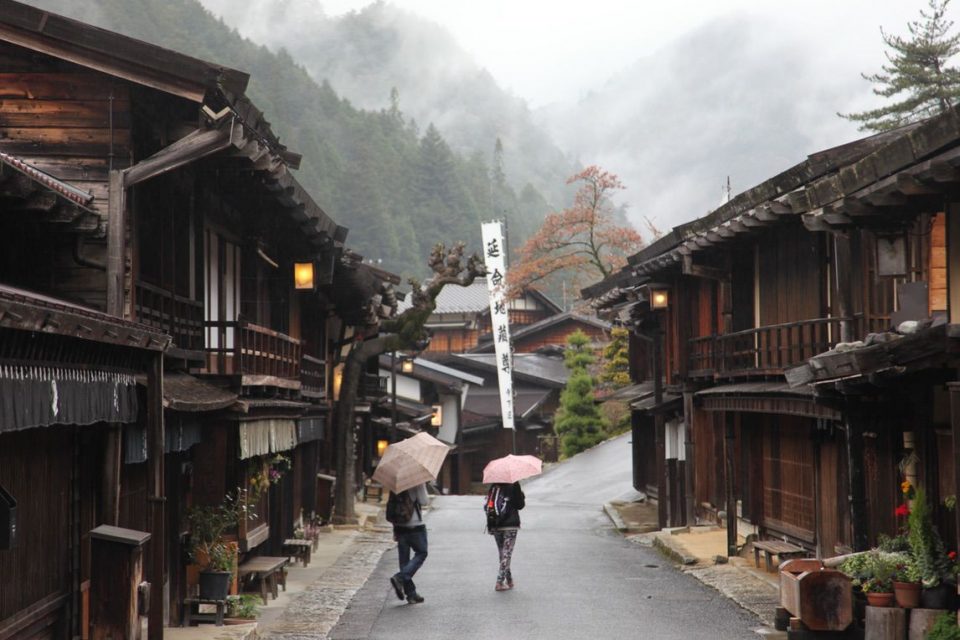
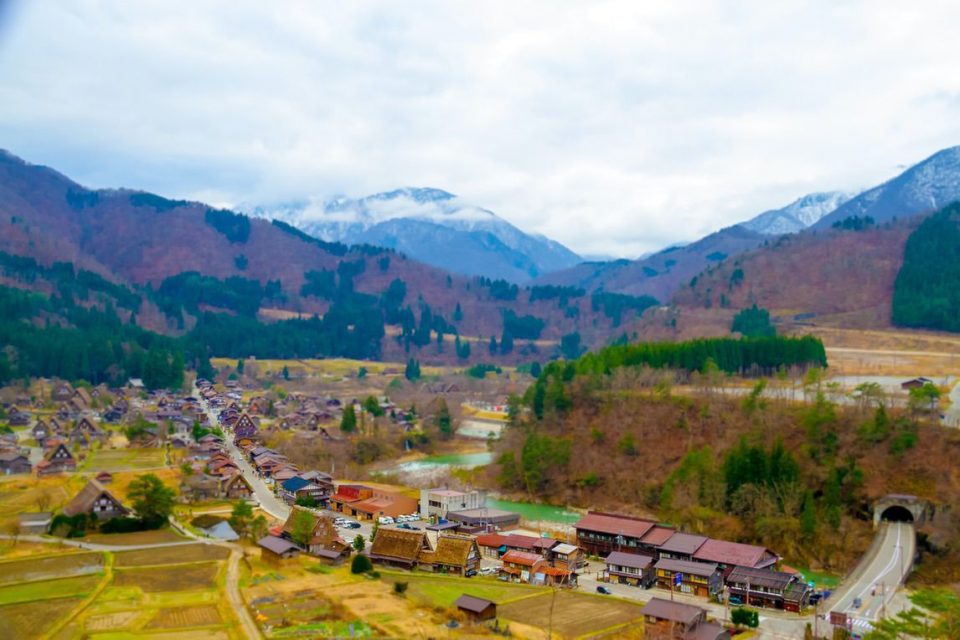
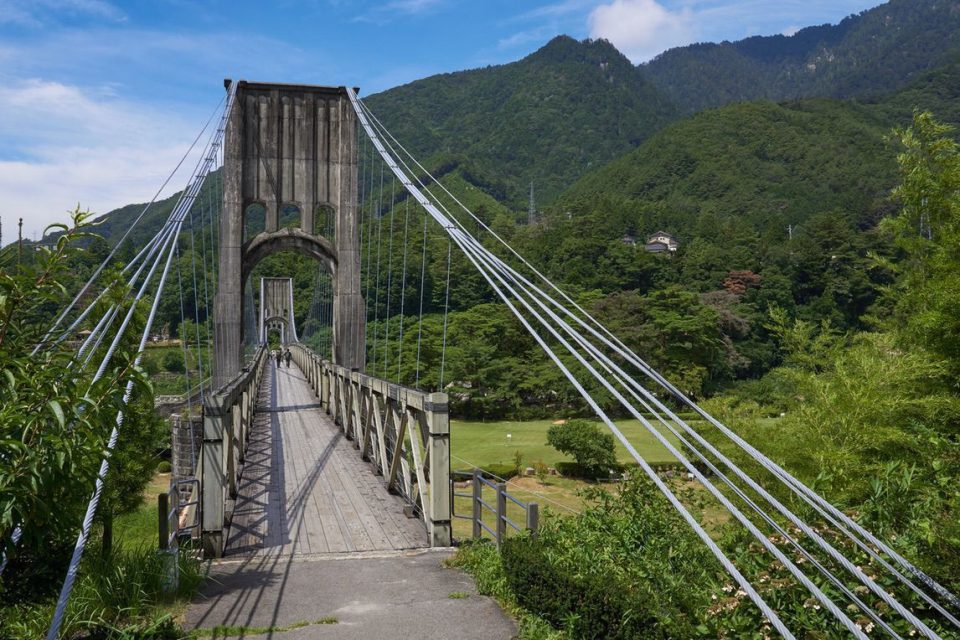
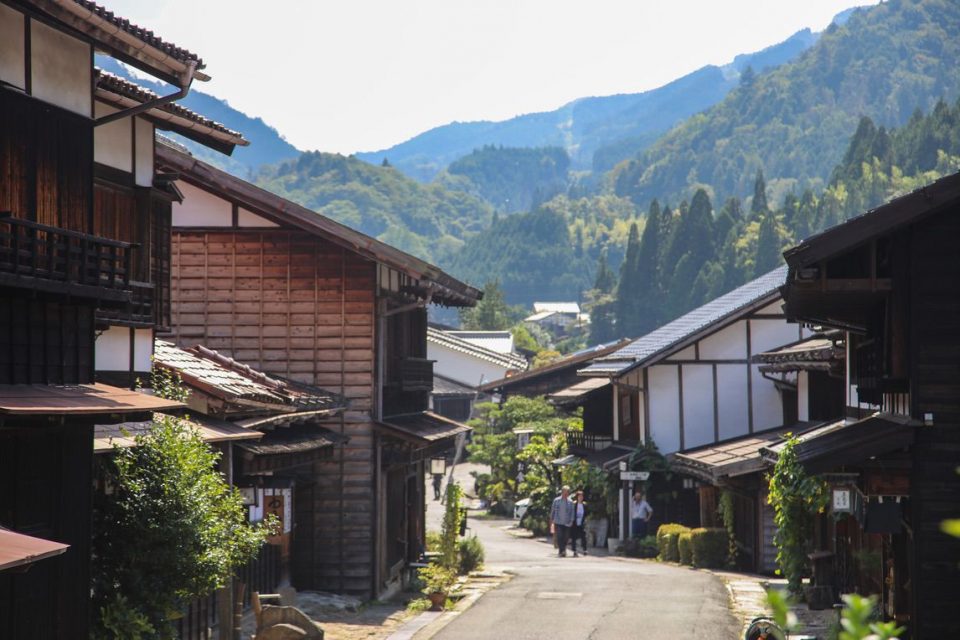
Japan’s Nakasendo Way – or Central Mountain Route – was one of five major routes established by the Shogunate (Military Dictator) during the Edo period (1603–1868). The route is 533km long and has 69 post towns, which were set up to feed and accommodate the feudal lords, Samurai and merchant travellers. The ancient way passes through the Kiso Valley wedged between two of Japan’s sacred Mountains (Mt Ontake 3067m and Mt Komagatake 2956m) and is one of Japan’s most breathtaking and scenic areas.
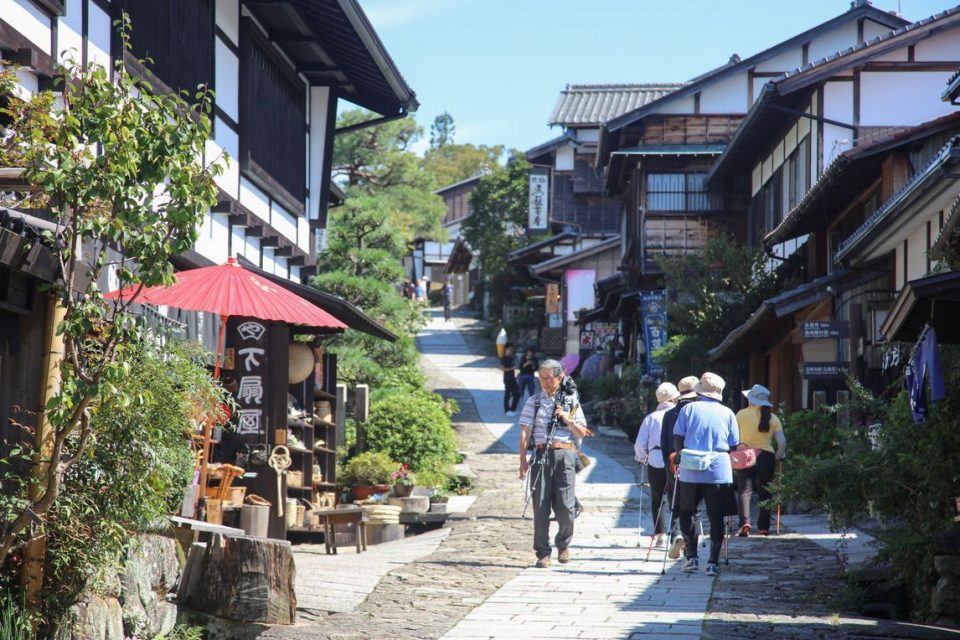
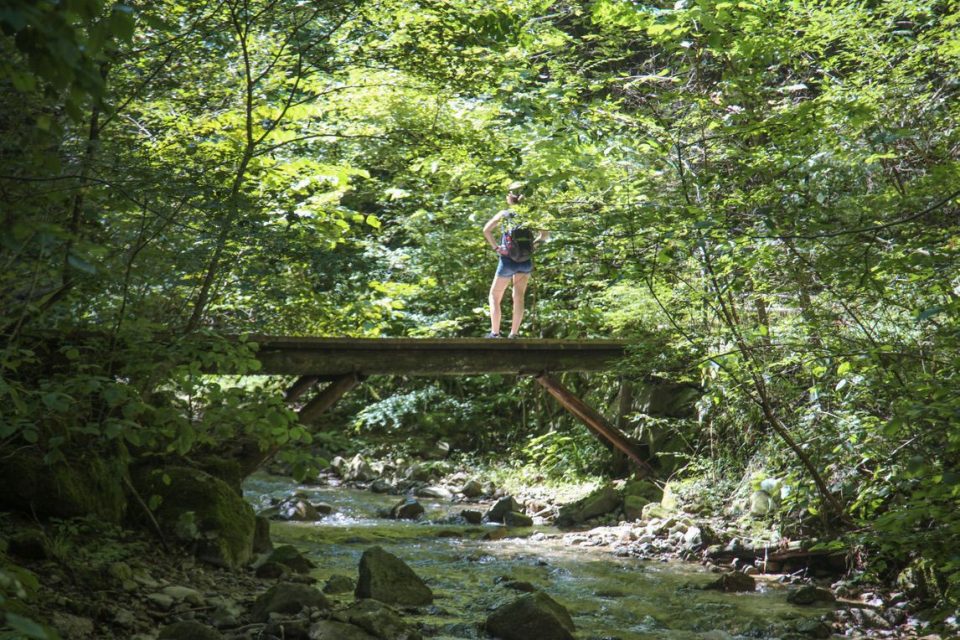
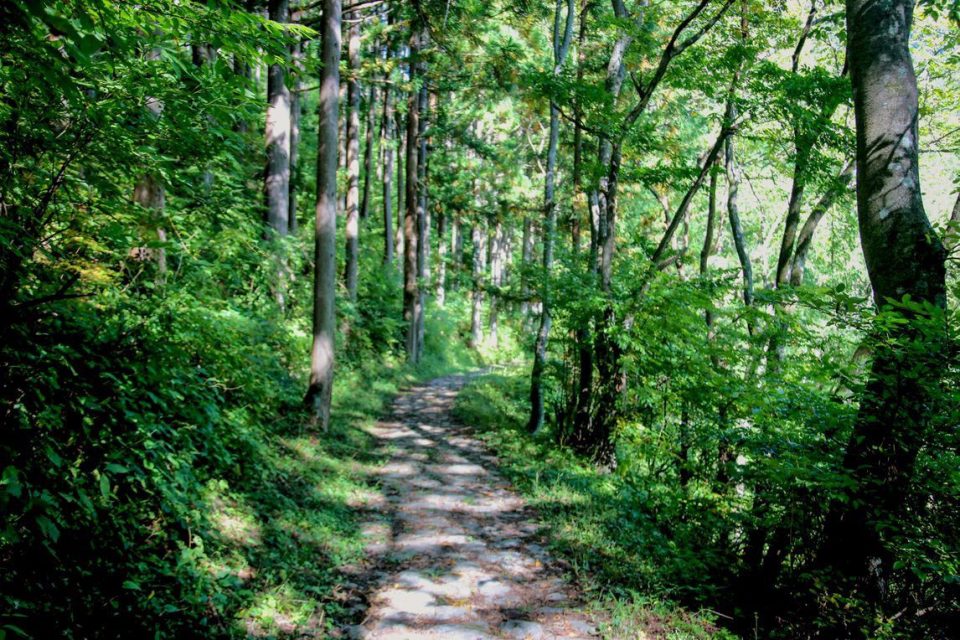
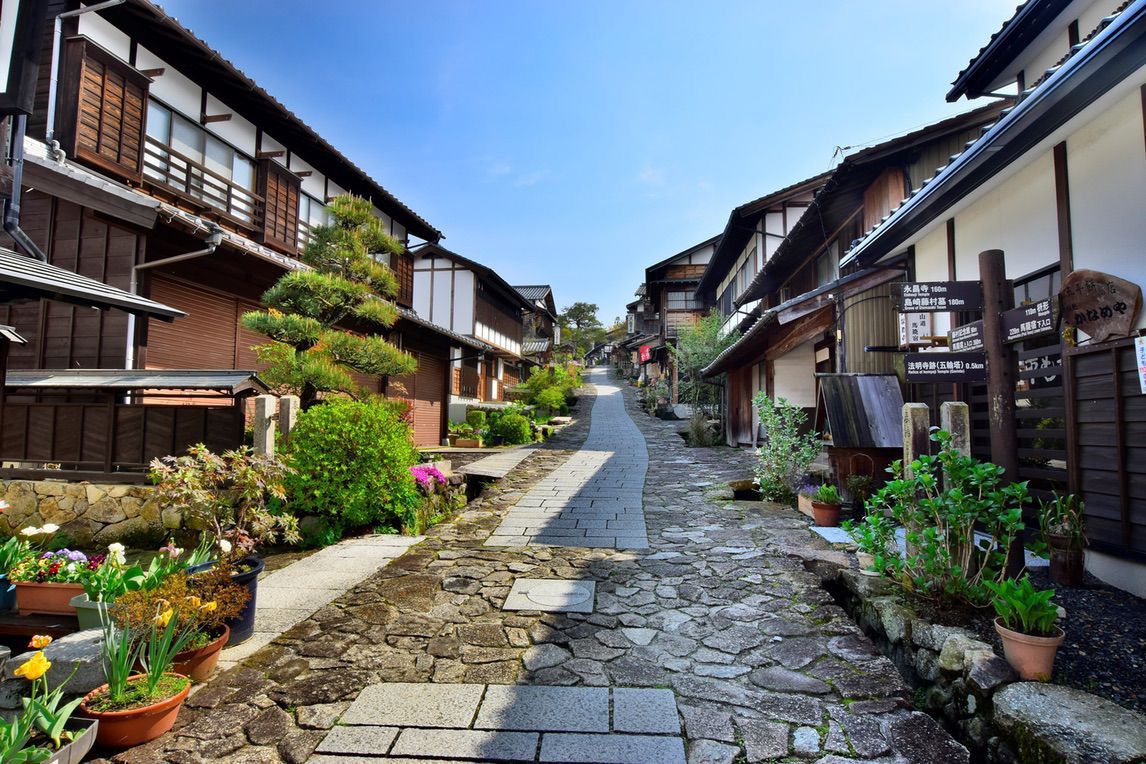
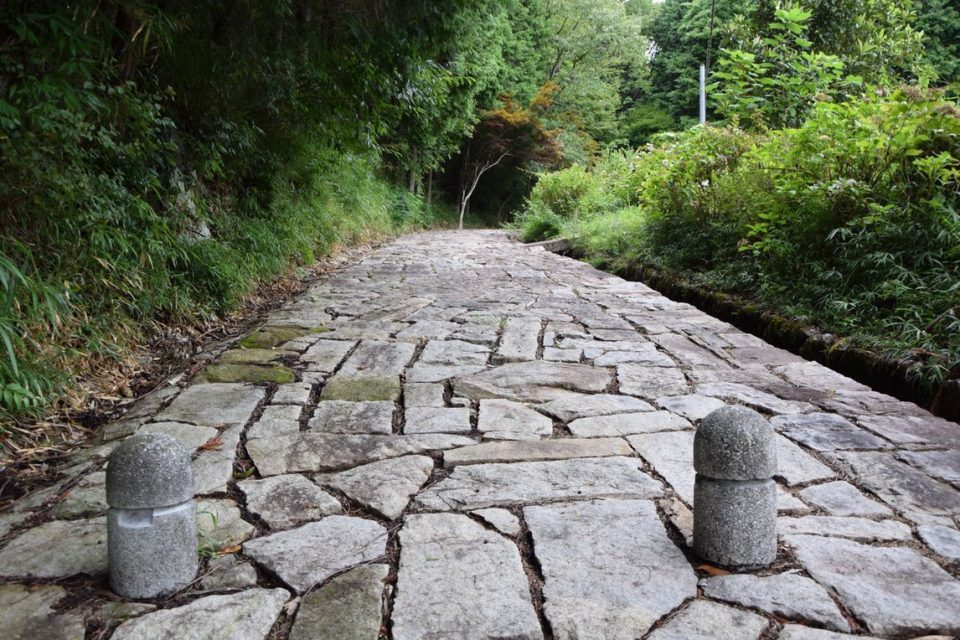
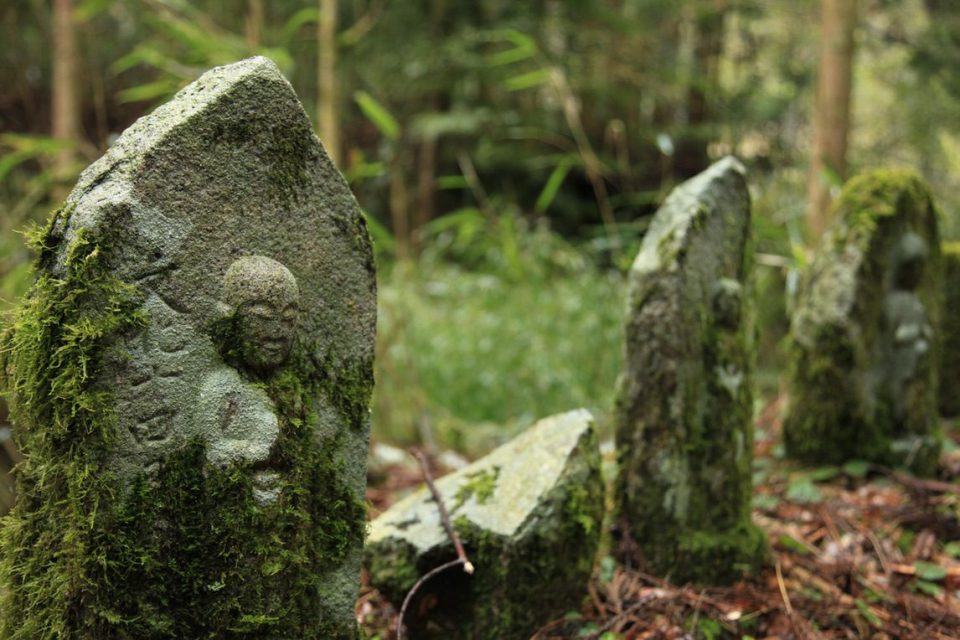
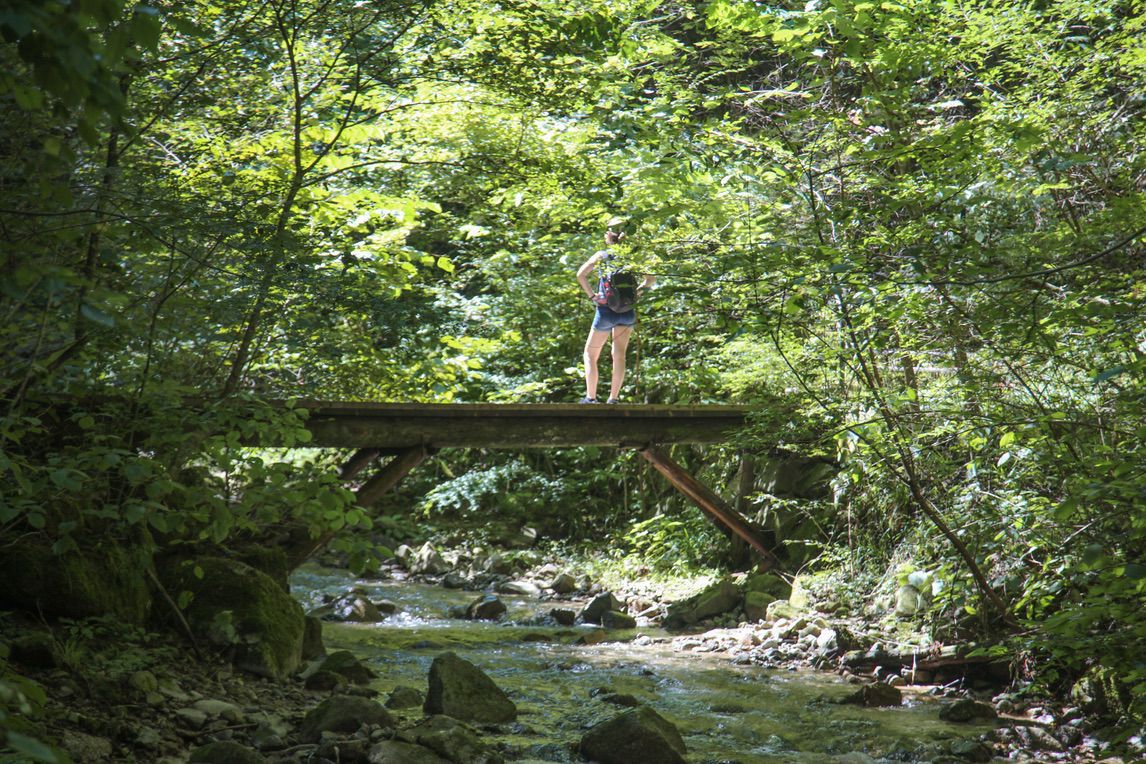
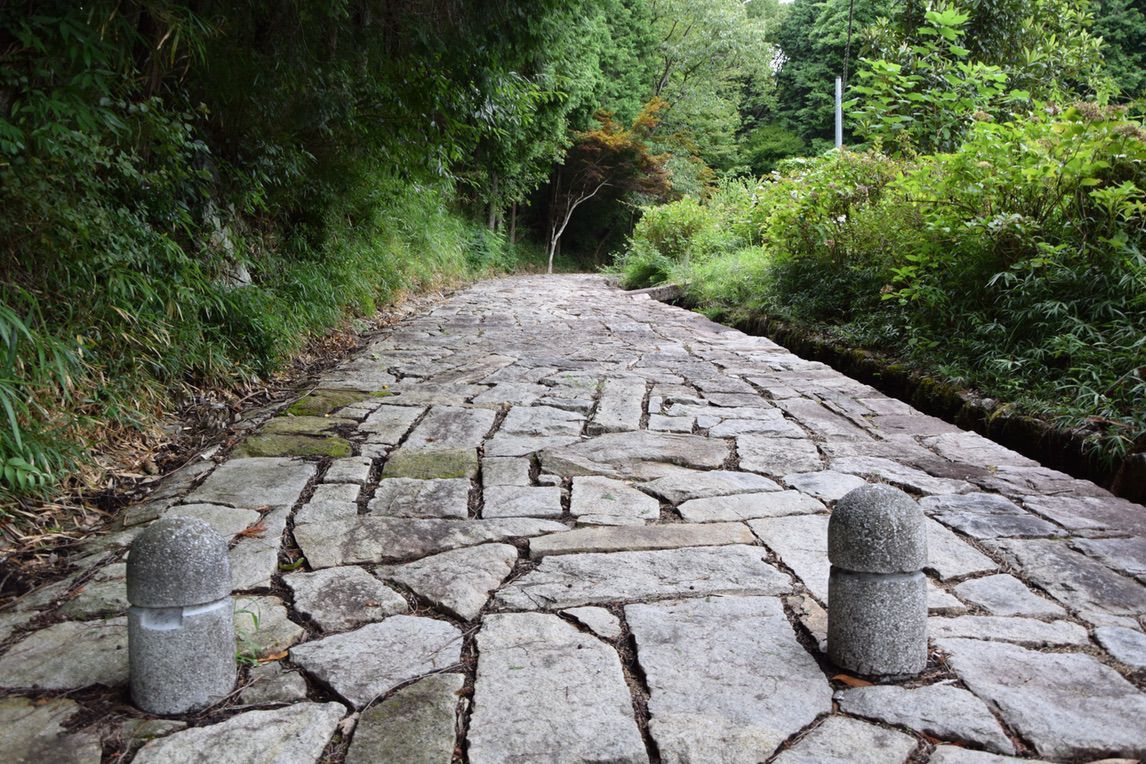
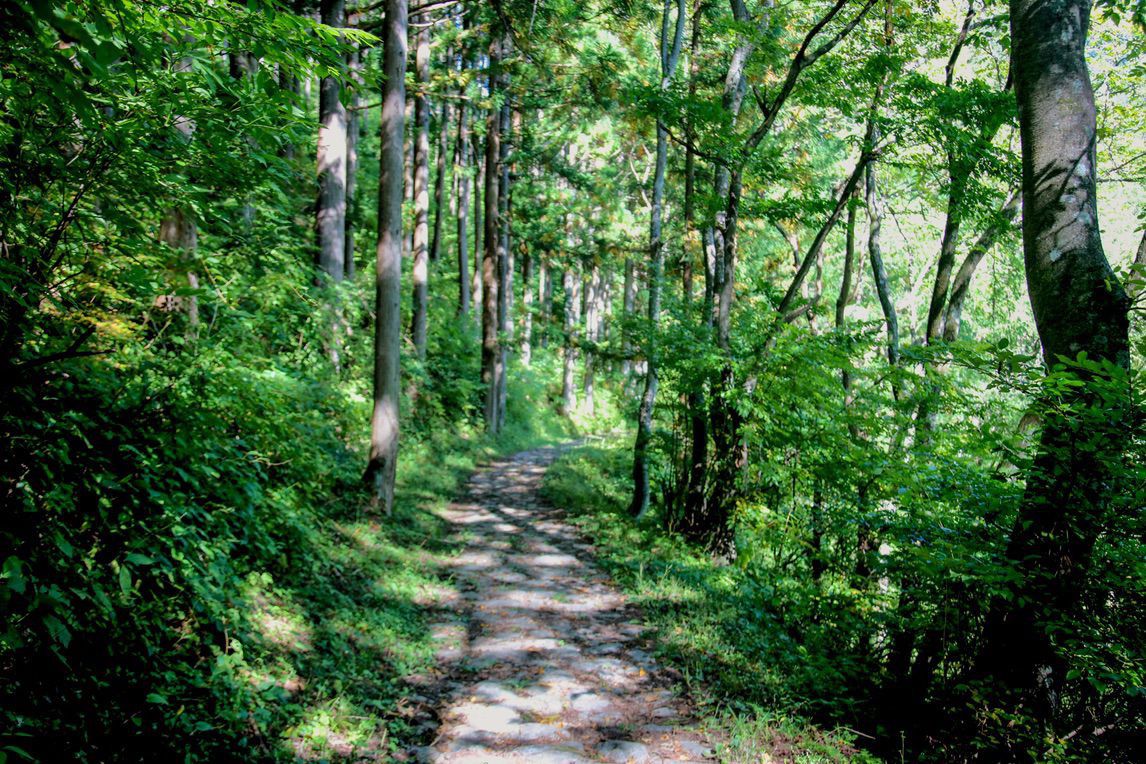
You will travel on the ancient paved paths known as ishidatami, pass hidden waterfalls, walk through stunning cedar and cypress forests and numerous wayside shrines. Stay overnight in family run ryokans and enjoy the well-preserved ancient villages of Nakatsugawa, Magome, Tsumago, Kiso-Fukushima and Narai, and taste the local delights of the Kiso Valley and Gifu Prefecture.
Highlights
get ready for
- Fully guided walk with our qualified Japanese guide
- View spectacular scenery in Japan’s central mountains
- Dive into the colourful history of the Shogun/Samurai
- Visit 16 of the original post towns from the Nobi plain land to deep in the Kisoji valley
- Walk on the original ishidatami (stone paving) dating back over 400 years

On The trail
The experience
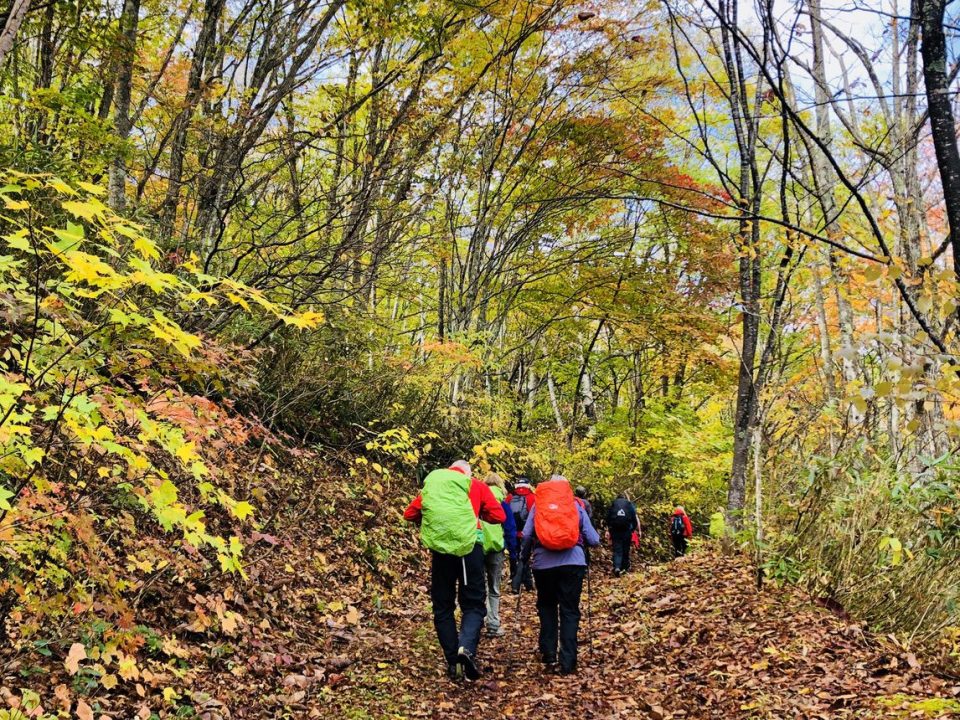
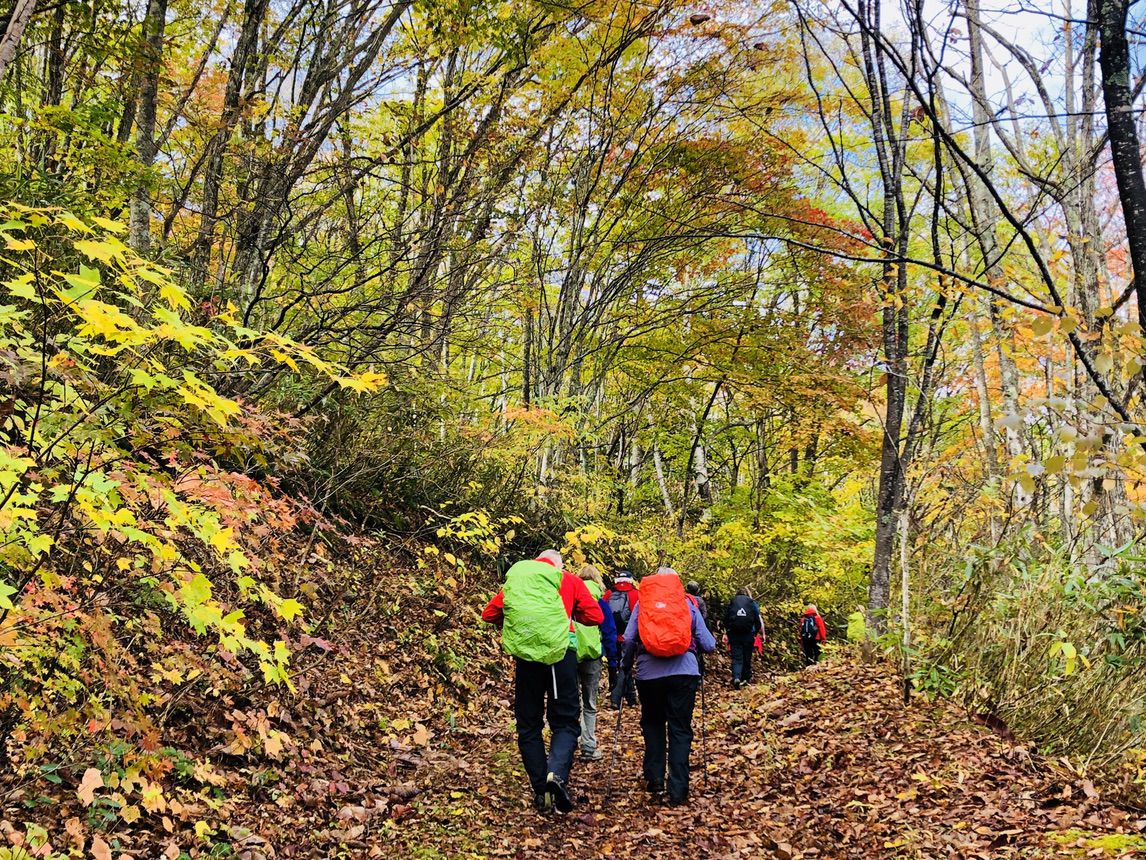
The Nakasendo Way offers picturesque, tranquil walking and a variety of trail conditions as you progress along the Kiso Valley. Much of the time you will be walking through fields and rural villages and enjoying gentle inclines that can be taken at a comfortable pace. In the forest you will be walking on a track that can be wet or uneven underfoot. In the more built-up areas the path itself is asphalt, while at its wildest it becomes unformed grit winding between alpine conifers. For sections in between these two extremes, the path is clad in what’s known as ishidatami – a traditional style of stone paving.
Watch the video to get good insights into the scenic beauty and cultural attractions of the Kiso Valley and its post towns.
Reviews
what our clients say

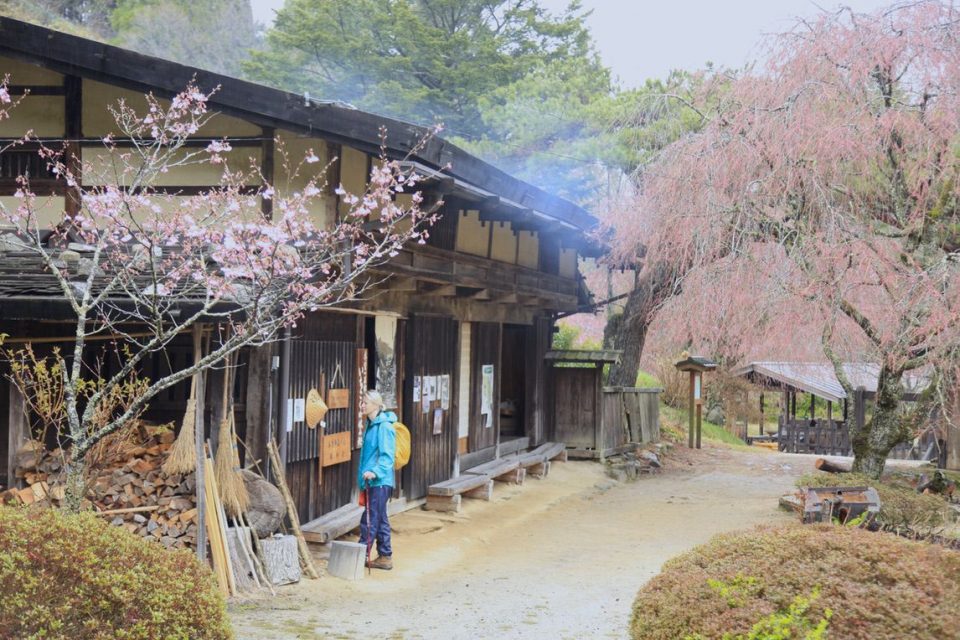
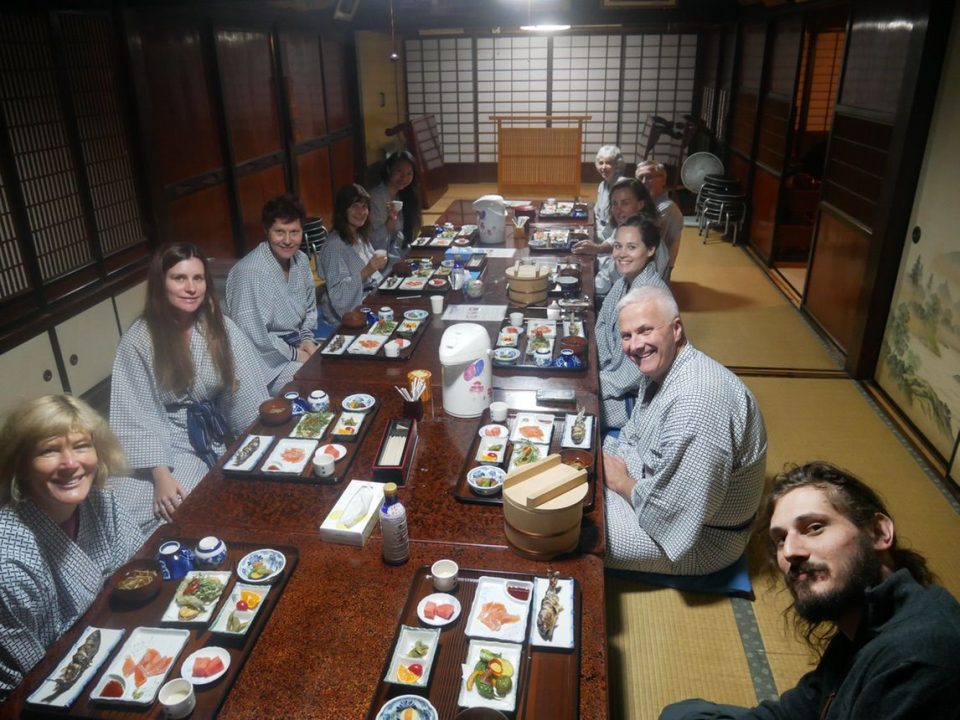
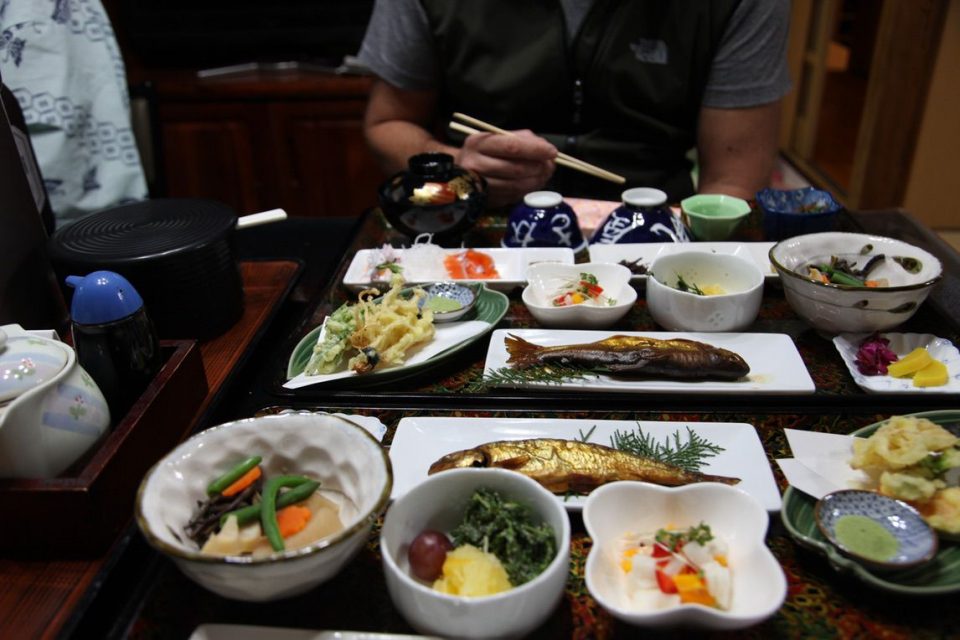

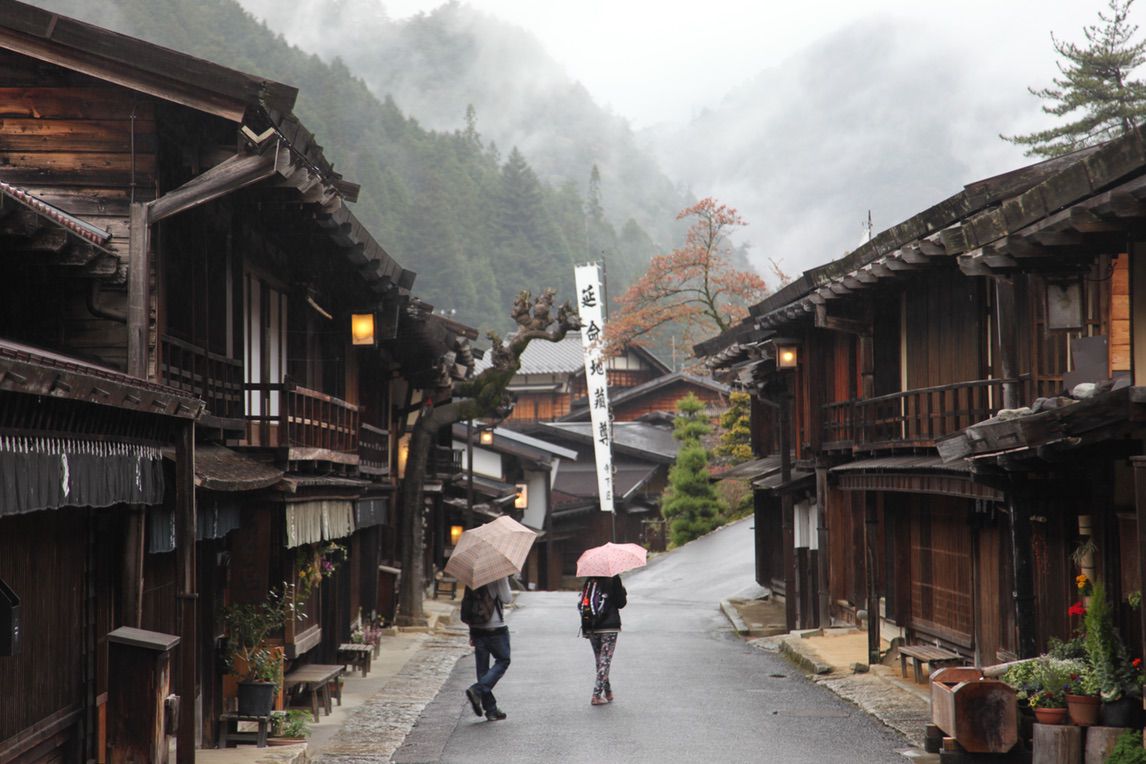
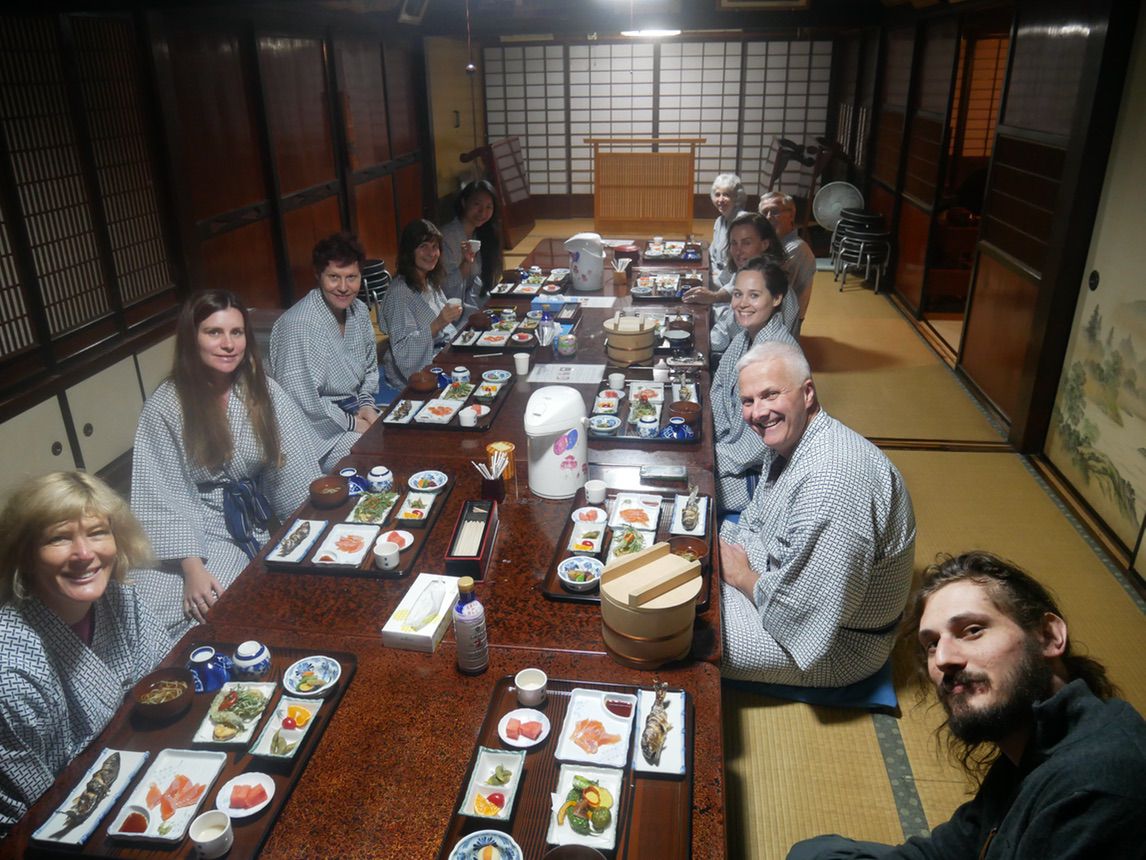

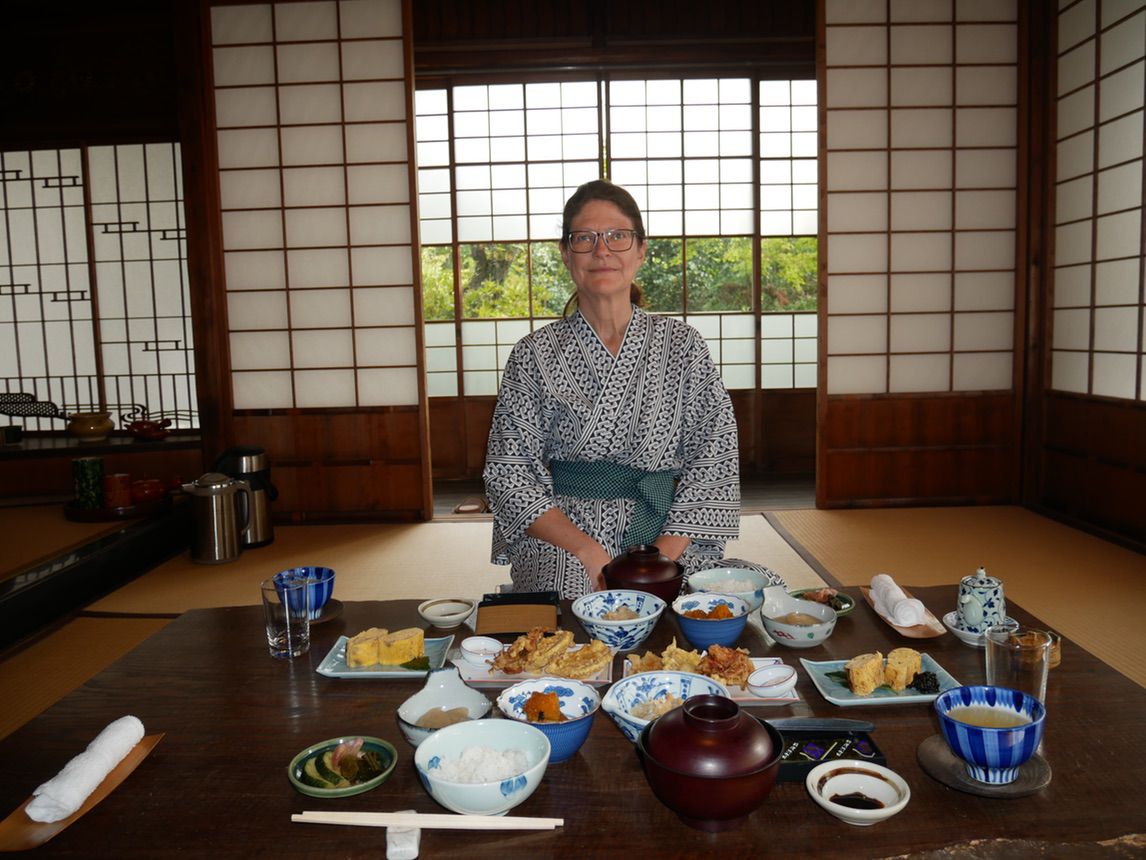

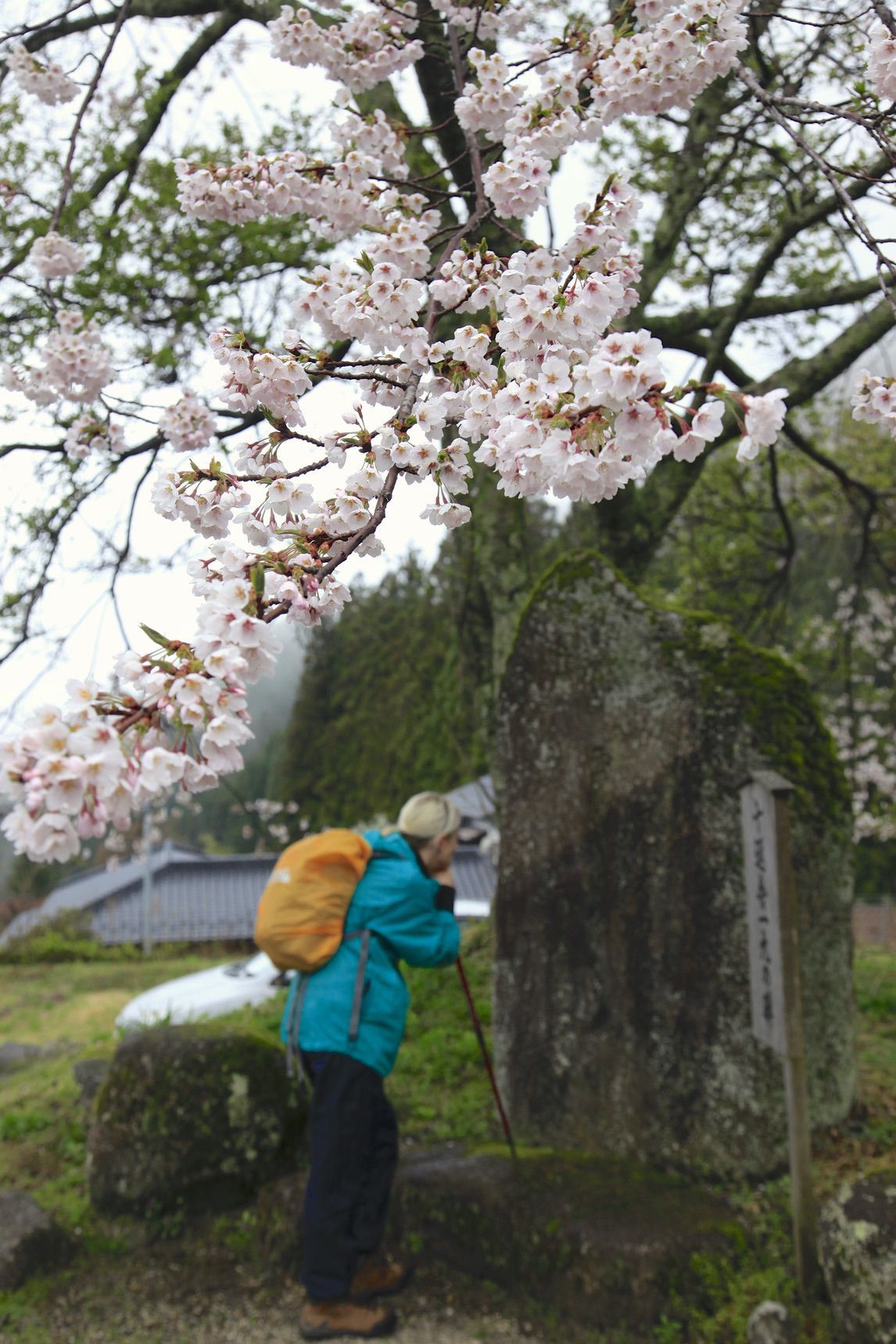


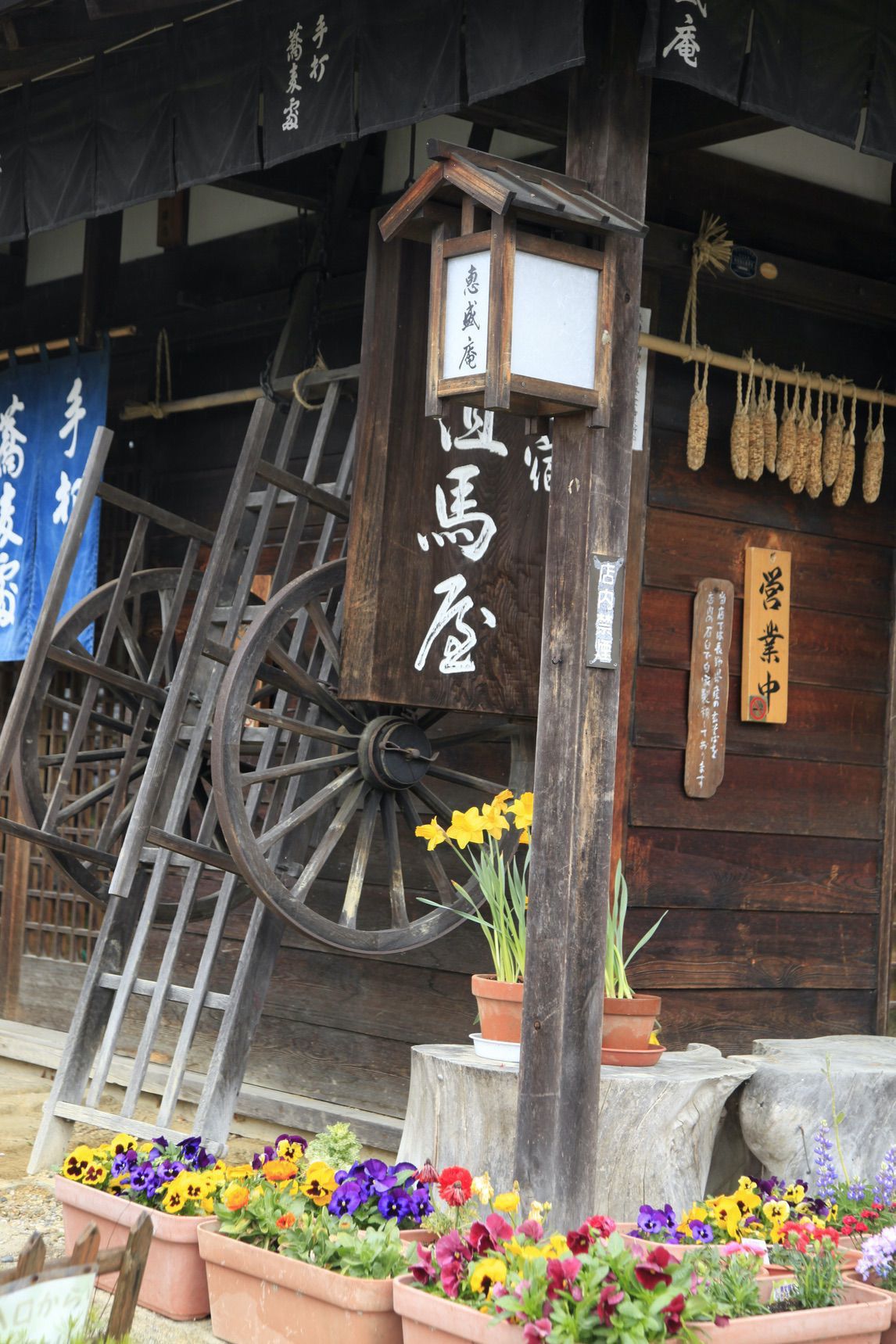
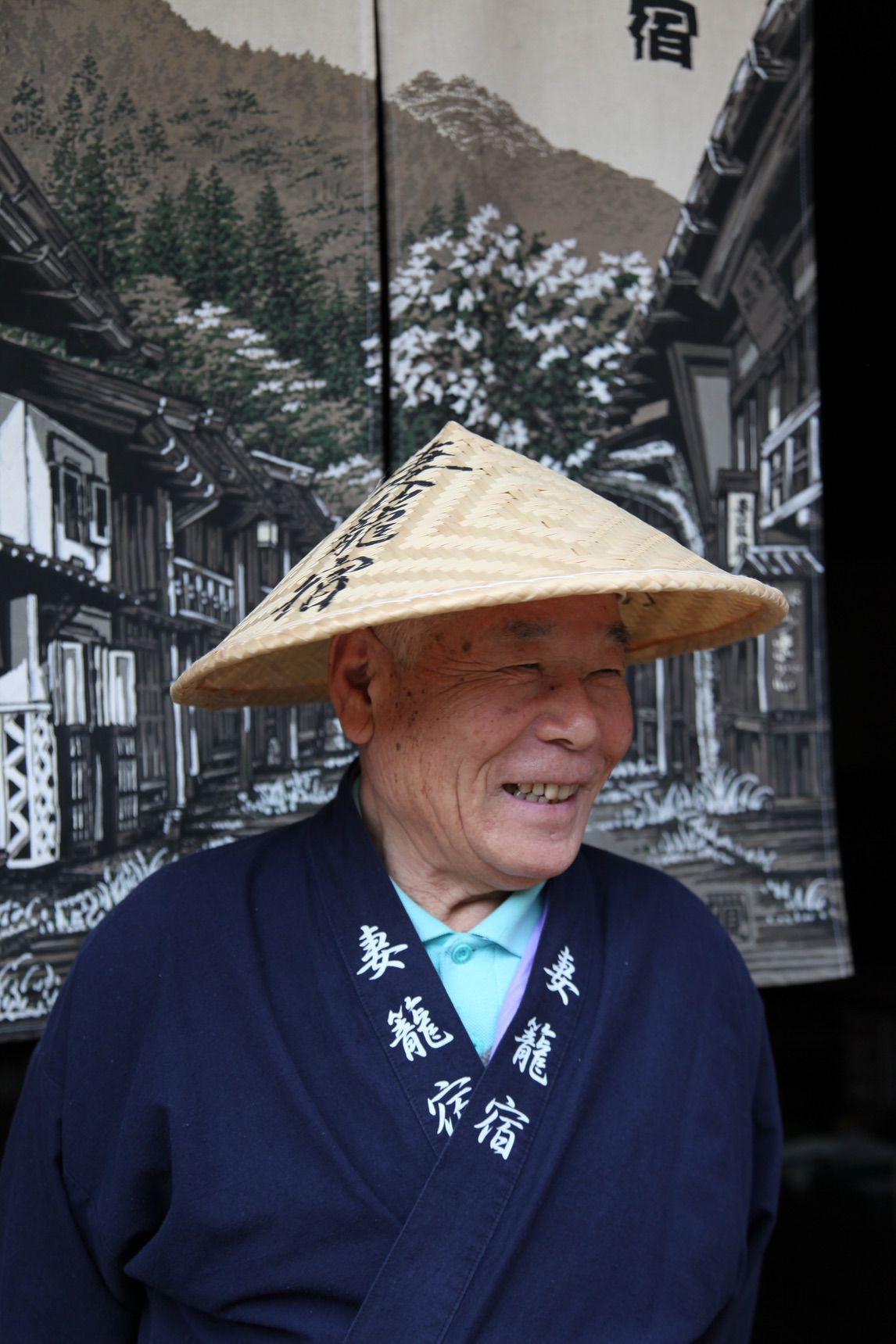

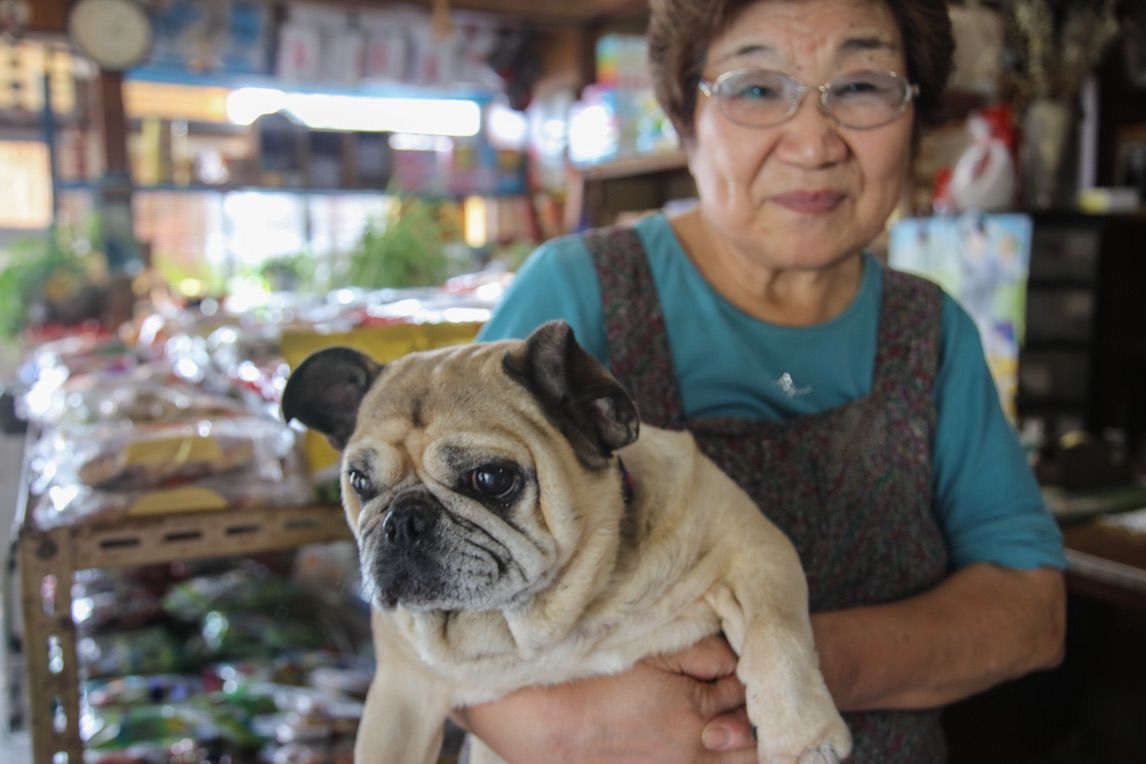
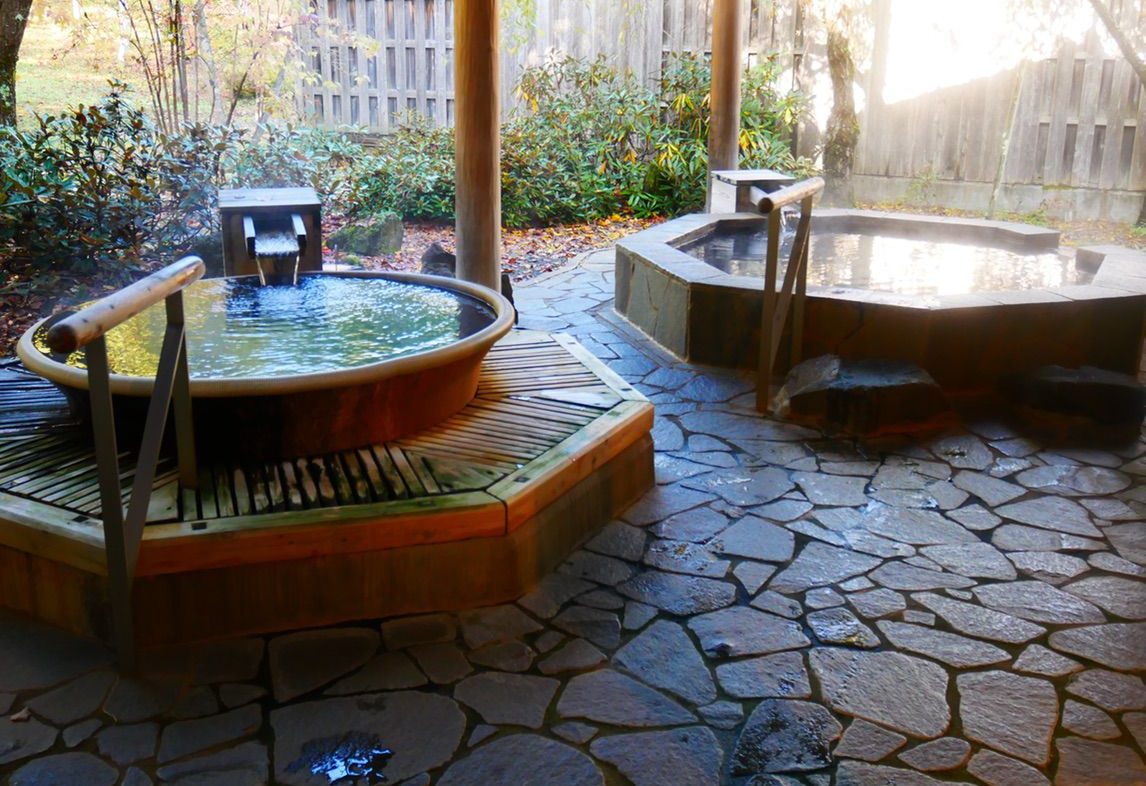
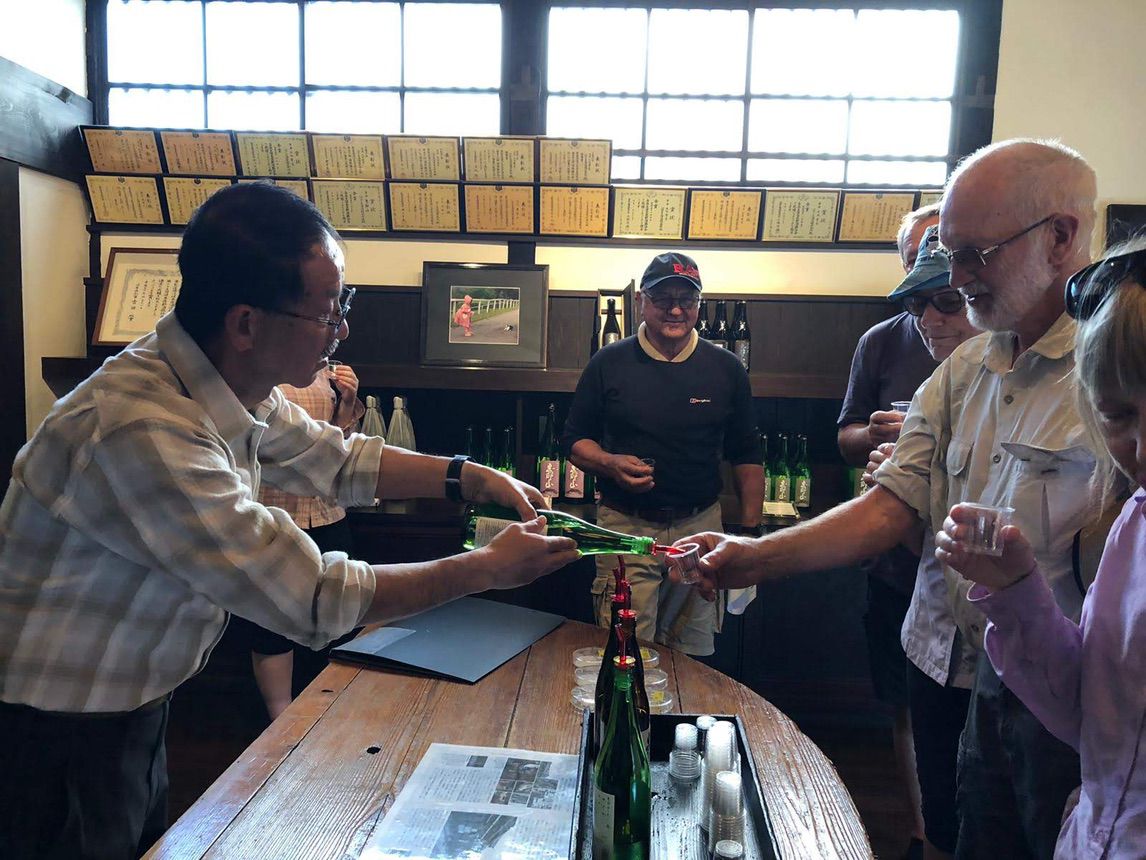
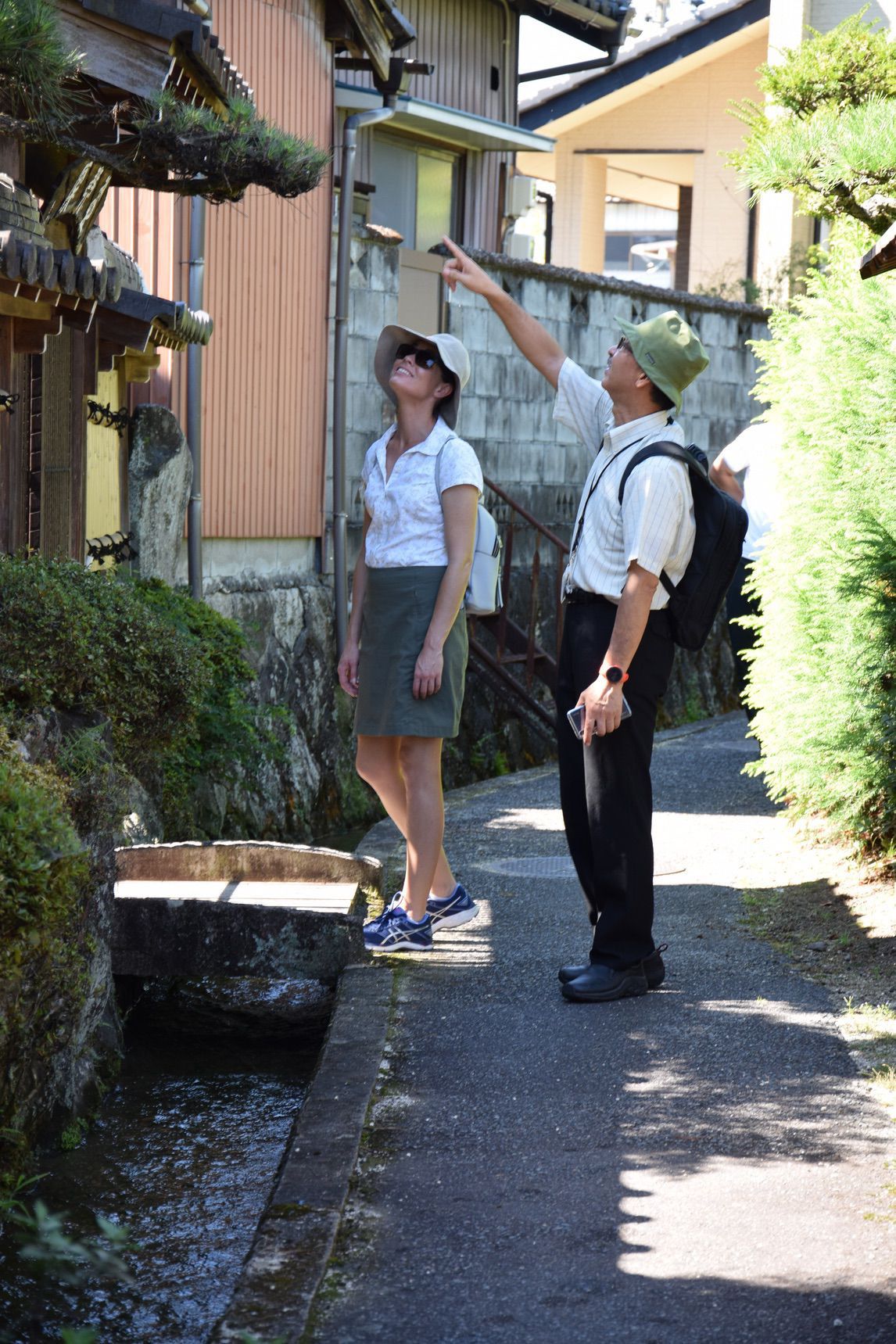
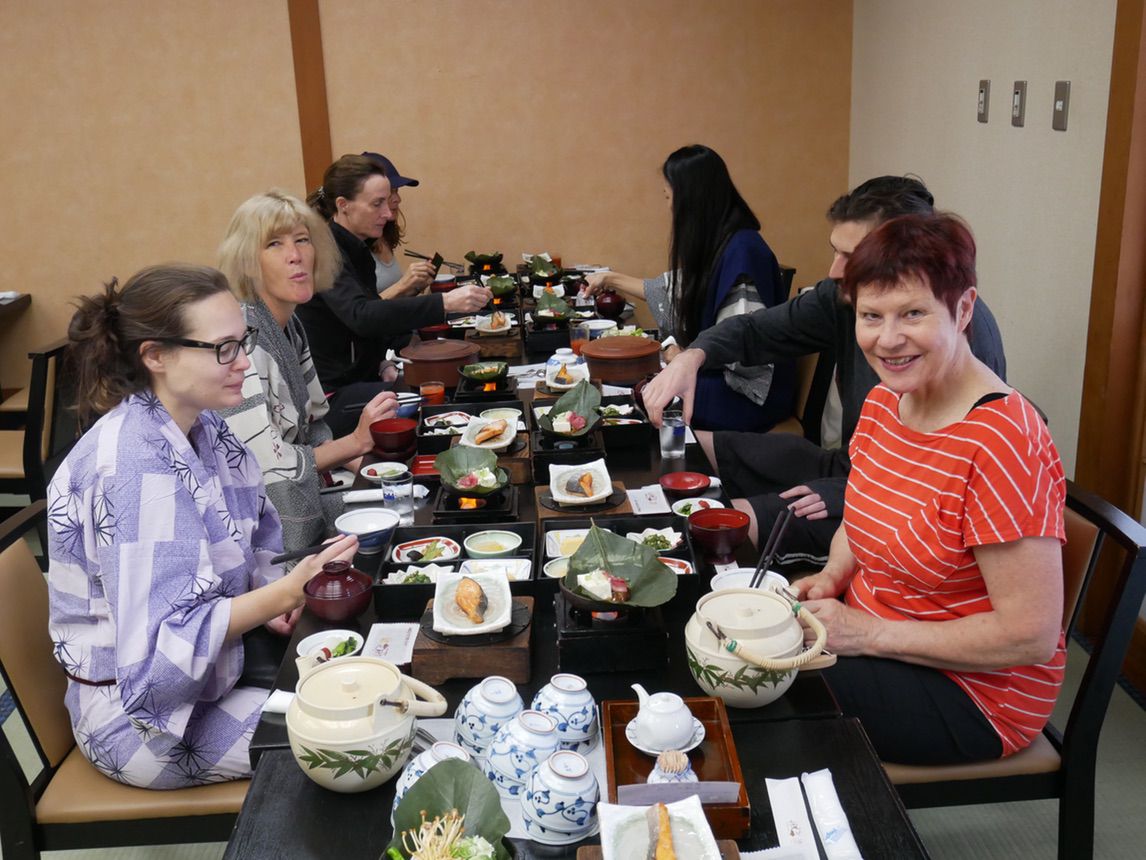

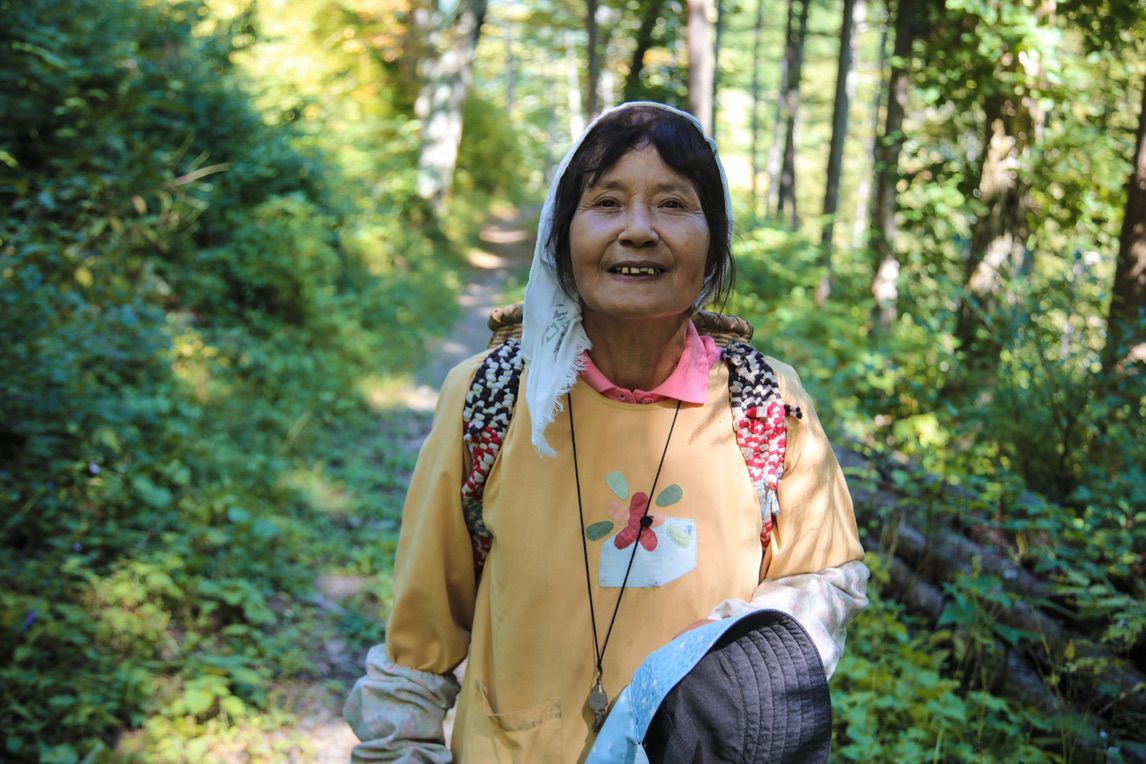
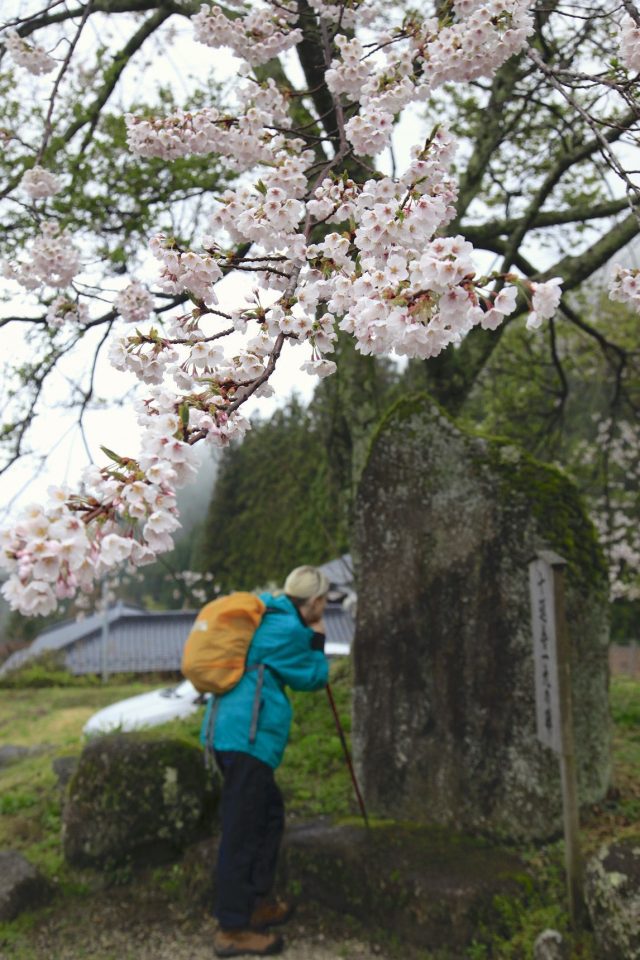
Exhilarating and wonderful, and much better than expected. Our group of 10 experienced peak cherry blossom season guided by the delightful Ukky. The ryokan accommodation was wonderful; some locations were simply stunning! The traditional Japanese meals were beautiful to behold and to eat. Being a guided tour I had the privilege of zoning out and immersing myself in nature and observing the wonderful details of Japanese life. Our group bonded quickly and we enjoyed each other’s company; we were all up to the challenge of the distances covered each day – walking poles were a must on the varied terrain. Highly recommend this trip! Thanks for a fabulous holiday!
Judy Goldsmith, Cammeray (NSW) - April 2024
Great experience and memorable. Ukky our guide was excellent – great to have insights into the Nakasendo Way and Japanese life in general.
James Garde, South Yarra (VIC) - April 2024
Enjoyed the walk very much, especially seeing the way the Japanese people live in rural Japan and the villages in the mountains. I loved the combination of street walking and forest walking.
Irene Sidlo, Mundoolun (QLD) - November 2023
Beautiful scenery and a great walk. Enjoyed the onsens, the company and our great guide Ukky.
Helene Weeding, Newstead (Tasmania) - April 2023
Really wonderful experience and everything we hoped for. Our guide Ukky was excellent. Loved the wonderful accommodations, the food and the beautiful landscapes.
Paul Howard (Oregon, USA) - April 2023
A very enjoyable and memorable experience with the right mix of trail/walking, culture, comfort and culinary delights. I enjoyed walking the old Nakasendo Way through the forests and towns and along fields and roads.
Antje Howard (Oregon, USA) - April 2023
We loved staying in the ryokans and meeting our wonderful hosts. The food was exceptional; the trail beautiful and varied. We met people who were there to do the main three historic villages but are pleased that we chose to do the longer trail with RAW Travel. The travel notes and photographs were really helpful.
Jennifer Elizabeth Allan, Auckland (NZ) – November 2019
The Nakasendo Way was an amazing opportunity to see Japan at its best in terms of history, culture and food. The scenery and natural environment of Japan was spectacular. The itinerary provided us with the experiences of both traditional and modern Japan. Our stay in ryokans was fabulous as was the introduction to many new foods and customs. Another great walking experience!
Patricia Williams, Guildford (NSW) – September 2019
We had a great trip and couldn’t fault the organisation. Our pre-trip guide Ukky, who we met on day one, gave us excellent explanation and tips. Accommodation and meals were first class and the route was fantastic. We loved it!
Jan Ellis, Highton (VIC) – May 2019
We loved the walk through small towns, forests and rural areas of Japan. The local guides were fantastic. They provided valuable insight into the culture, people and history of Japan. This added richness to the experience which you would not have gained doing a self guided walk.
Andrew Cupit, ACT – April 2019
Wonderful hike and cultural experience. I loved the ryokans – where the owners where so welcoming and provided amazing food that we had never seen or eaten before. The hike was just enough to challenge us but not overwhelm us. The guide who met us at the beginning of the walk was very helpful. Everything went to plan. The cherry blossoms were an added bonus we didn’t expect.
Ann Louise Whitehouse, Brookfield (QLD) – April 2019
Walking the Nakasendo Way was more than I expected. The scenery was magical, the towns full of history and allowed us the opportunity to immerse ourselves in traditional Japanese culture. Would highly recommend this walk.
Margaret Taborda, Glebe (NSW) – April 2019
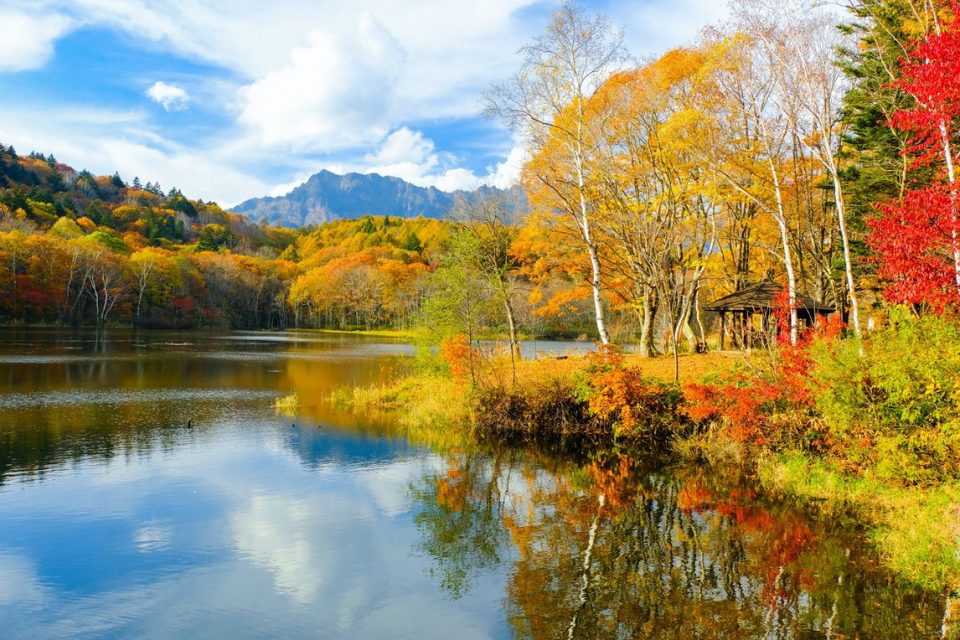
Trip was fabulous! We were met at the agreed time and provided good information. The first ryokan was amazing. The hosts met us in the street and were marvellous. The walking was great a mixture of villages, forest, mountains. The autumn colours were unexpected and fabulous.
Vicki Tyler, Geraldton (WA) – November 2018
Loved the variety of ryokans, cuisine and cultural experiences, the beauty of the autumn foliage and scenery, and friendliness of the locals. Ukky, our local contact, was so helpful and responsive. He always made sure that in spite of the luggage hassles, we were having a good time and not letting that spoil our trip. We were so grateful to Sakai in Daikokuya, Masa in Nagataki and Masabi in Tsutaya who went above and beyond to show us the best of Japanese hospitality.
Frieda Enriquez, Sans Souci (NSW) – November 2018
Ukky was very knowledgeable and fun. Obviously an expert guide, he knew the area so well. I really enjoyed the Japan countryside and the many waterfalls along the way. I would recommend this trip to anyone!
Anna Lainson, QLD – October 2018
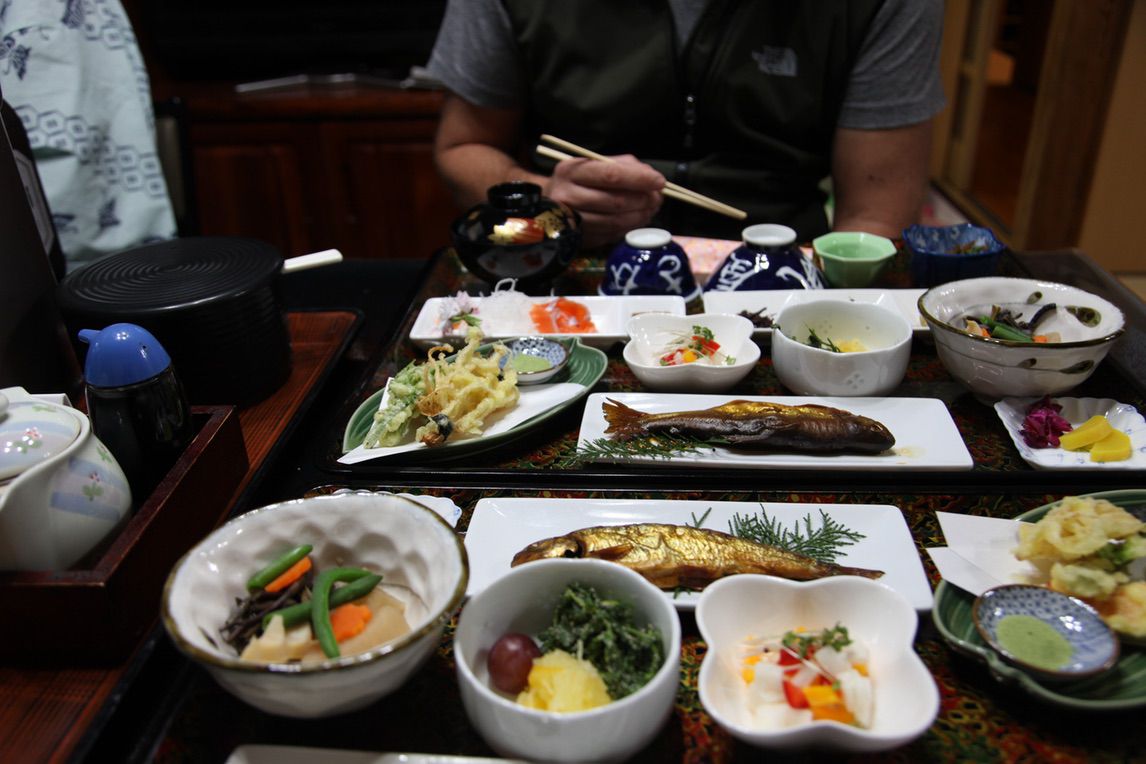
I stayed in a variety of traditional Japanese inns and ryokans, one over 160 years old, another run by a family who has been providing hospitality for 16 generations. Each dinner was a veritable feast of Japanese culinary tradition, and always with the staple rice and miso soup. One cannot fault Japanese hospitality! At every inn, my hosts were genuinely welcoming, accommodating and friendly.
Bill O’Brien, Mornington (VIC) – August 2018
Itinerary
Daily details
Important info
This trip is guaranteed to depart with 6 clients
Day 1: Nagoya to Mitake & hike to Hosokute (12km)
Today you will meet your guide at Nagoya train station at a set time (refer to your travel documents). We will then board the train as a group for Mitake where we will start our Nakasendo Way walk after lunch. Our guide will lead us through the town, into the forest and up a short hill known as the Cows Nose is Missing. This is the true beginning of our Nakasendo Way walk. We stay in the forest on this very scenic section through woodland and lush green countryside, walking on some of the original stoned paving known as ishidatami. There will be a chance to stop at La Province Café as you head towards Hosokute and your accommodation for the evening.
Meals: D
Day 2: Hosokute to Ena (21km)
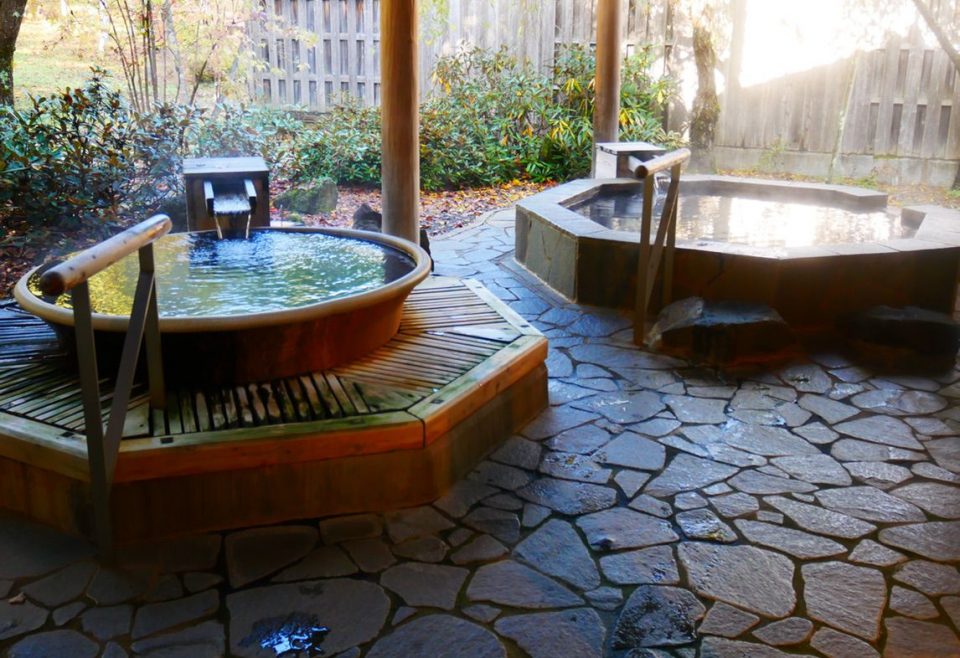
We enjoy our first traditional Japanese breakfast and prepare for an exciting day following in the footsteps of the Samurai. Our guide will explain the walk for today, which will take us through an old section of undulating hills and forests. We’ll also find out about the bears in the forest; we will see bear bells along the way which we ring entering their area. The original route used to go through the golf course; nowadays you will follow the boundary of the course and again we will be walking on traditional stone paths. There is even a section that has only been rediscovered in the last few years. Continuing on our way through the mountains we will come across the well-preserved post town called Okute, before then travelling along the ridge tops and descending into Ena. In Ena you can visit the museum known as the Hiroshiga, which features some wonderful prints of the Nakasendo Way. After checking into your accommodation, you may wish to enjoy a hot Japanese bath to soothe your tired feet.
Meals: B, D
Day 3: Ena to Nakatsugawa (12km)
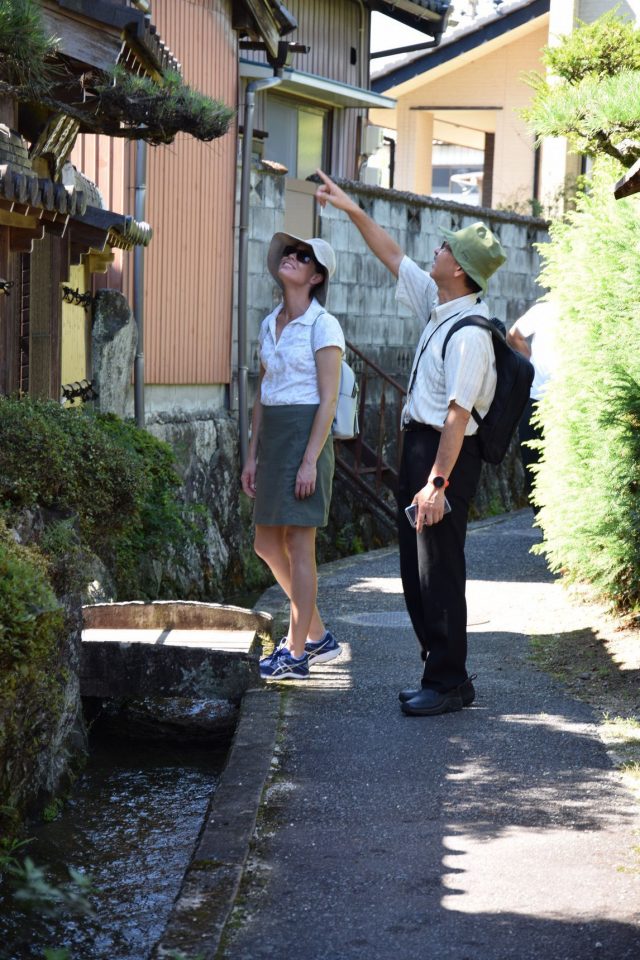
Today is a much shorter day, with gentle and undulating walking. We will pass through towns and villages and parts of the city across rice paddies and fields and even through home gardens. Our guide will stop and talk to the locals along the way and will explain about the Japanese culture in this district, and there is a good chance we will be offered tea and cake along the way. There will be plenty stops for food and water. When arriving into Nakatsugawa, which was number 45 of the 69 traditional post towns of the Nakasendo Way, you can spend the rest of the day exploring, or our guide can show you around the town. Also worth a visit is the Naegi Castle ruins, located just north of the town.
Meals: B, D
Day 4: Nakatsugawa to Tsumago (16km)
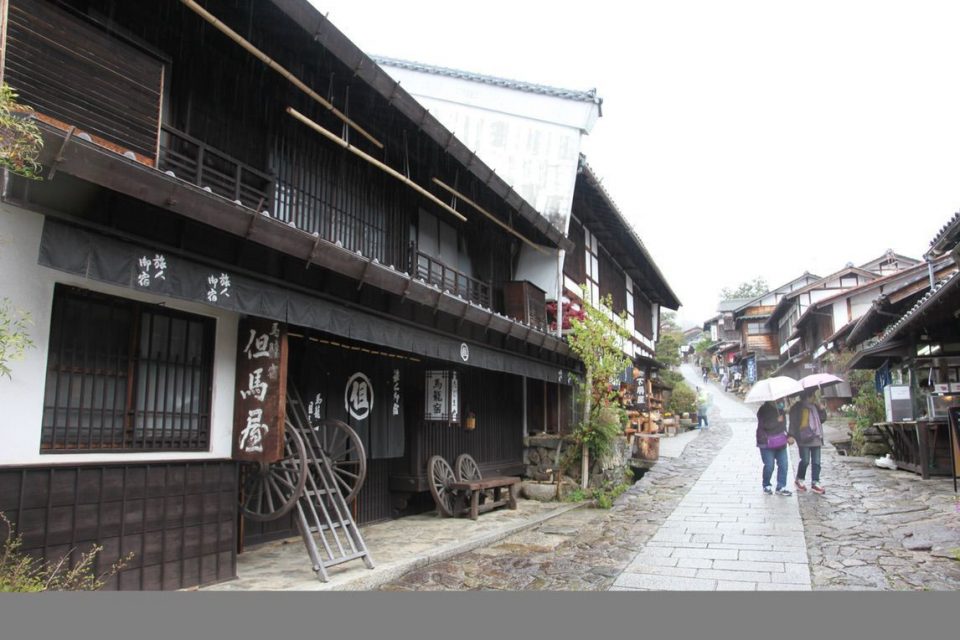
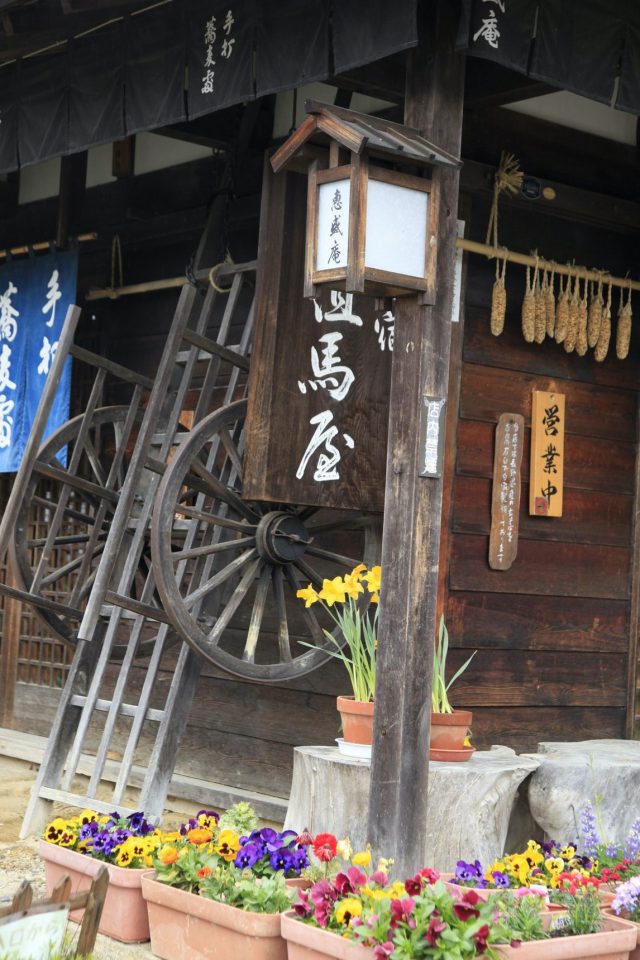
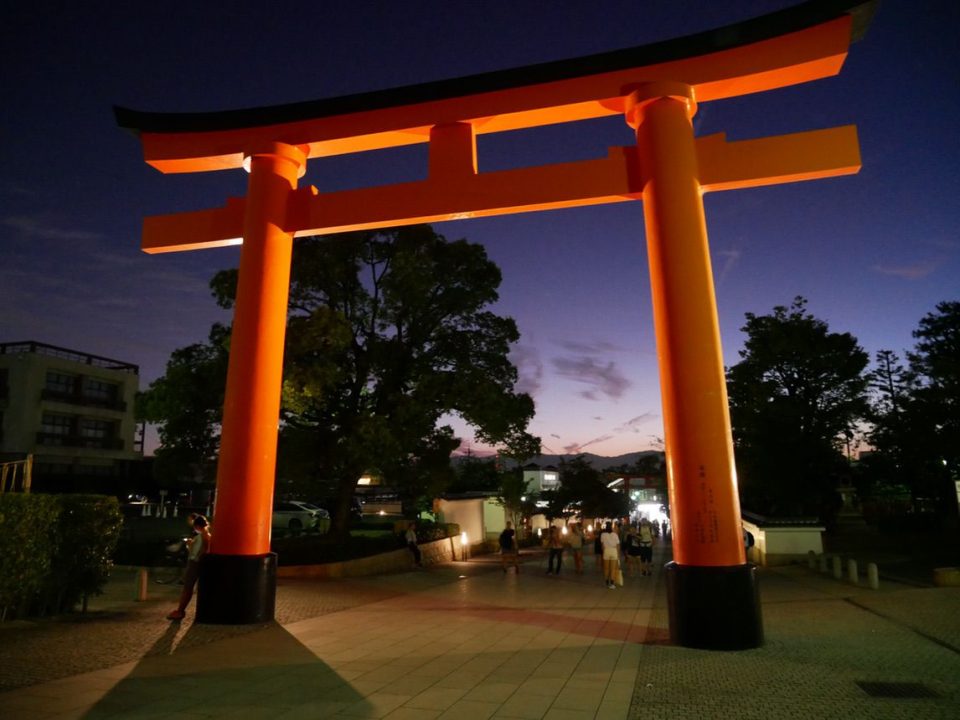
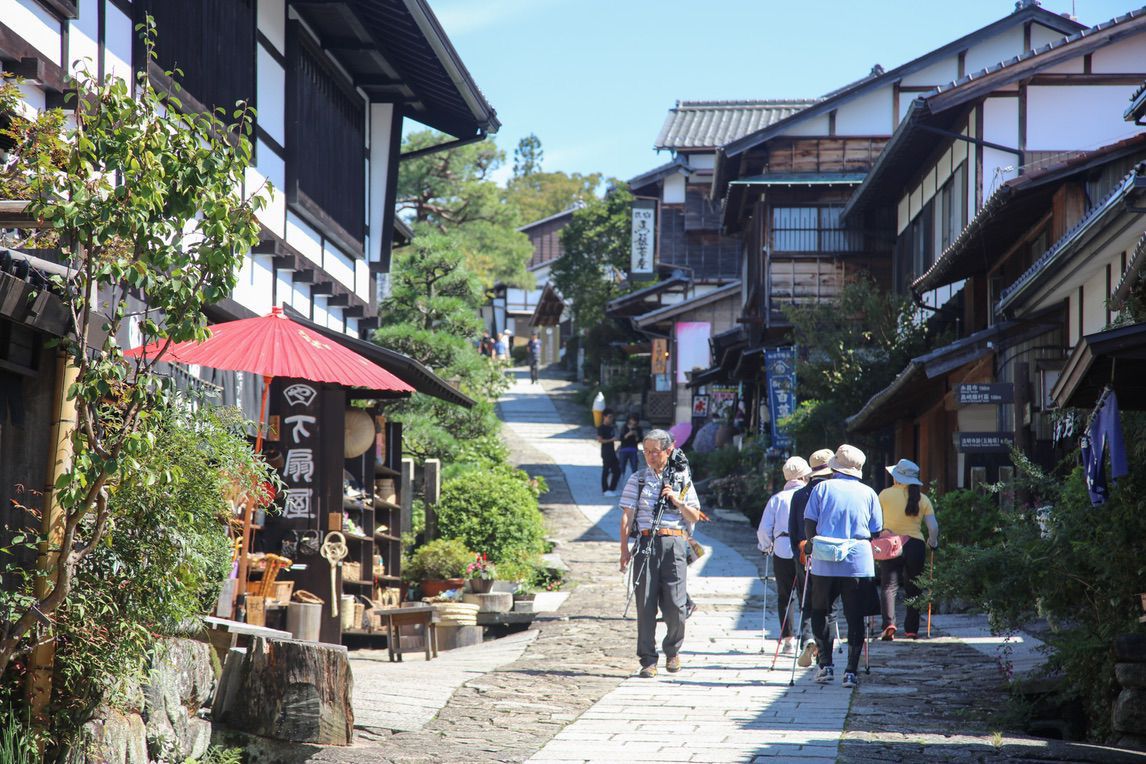
After leaving Nakatsugawa at the ancient Kosatsuba (official proclamation board) we will come across red torii gates just after Nakatsugawa Juku. There will be some steep slopes today before Ochiai and then we will be walking on an old cobblestoned way. It’s on this route that we will be walking up to the entrance of Magome, one of the highlights of the Nakasendo Way. Magome (Horse & Basket) is number 43 of the 69 post towns along the way to Edo (Tokyo). It truly is a reminder of how the post towns were in the Edo period (1603–1868). We will have lunch in Magome at one of the many Japanese inns (own expense).
The Nakasendo Way continues through the centre of Magome past the old shops and inns. The trail begins to climb up to the small settlement of Touge, which is is a good spot to take a rest break. We will then walk over the Magome Pass (800m) and slowly descend through peaceful woodland. We will hear the roar of the Odaki-Medaki waterfalls, which slowly fade as you pass streams and rice paddies coming into the old (smaller) village of O-Tsumago.
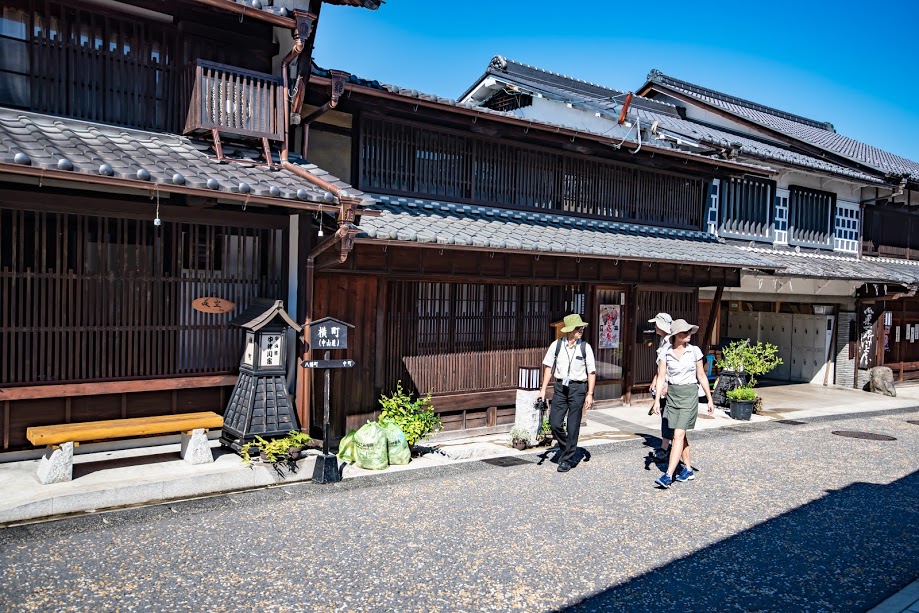
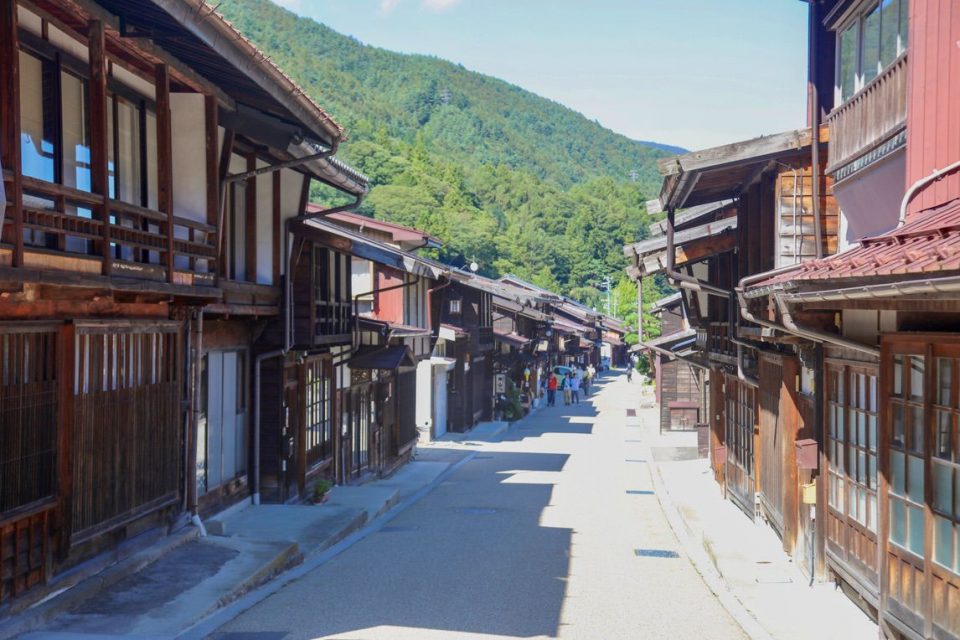
Leaving O-Tsumago, the trail climbs briefly before descending into the enchanting main village of Tsumago, (number 42 of the 69 post towns). The street is lined with traditional Japanese wooden houses, shops and ryokan (inns).
Meals: B, D
Day 5: Tsumago to Kiso-Fukushima (19km walking; 30km train travel)
Leaving the old town of Tsumago at the ancient Kosatsuba (official proclamation board) you will see on the board the old wooden tablets which state that no Christianity can be practised. The trail ascends steeply up the valley then continues through the forest on what is known as the Yogawa Forest Route to Nojiri, passing through cedar forests and farmland. It is one of the most scenic sections of the walk. The forest walk joins the Kiso River as you descend into Nojiri. After a late lunch in Nojiri, make your way to the train station for a 40-minute ride to Kiso-Fukushima. Located halfway on the Nakasendo Way between Kyoto and Tokyo, Kiso-Fukushima was an important checkpoint during the Edo period.
Meals: B, D
Day 6: Free day – Kiso-Fukushima
Today is free for you to explore the town of Kiso-Fukushima. This was one of the four security checkpoints during the Edo period and thus flourished as a political and economic centre in the Kiso Valley. The old-town area and along the river are great spots for a stroll and to view the distinct Edo-style buildings. Along with the Kozenji-Temple, which houses the valley’s most famous temple and the largest stone garden in Japan, the Yamamura Residence and the Fukushima Checkpoint are really worth a visit. Both museums have a wonderful collection of weapons, clothing and other artefacts that provide a great insight into the fascinating history of the time.
If you feel like exploring a little further, you may like to take a bus to Mt Ontake, one of Japan’s most sacred mountains. There is an option to take a gondola and hike to the top (late April to early November), or perhaps you may enjoy a hike in the lowlands. Once back in town, if you haven’t already discovered the free public footbath on the banks of the Kiso River, we definitely recommend a visit; the steaming, natural hot spring water is wonderfully soothing for tired legs and will help you feel refreshed and ready for tomorrow’s walk over the Torii Pass.
Your guide will advise the group of suggestions and may take those who are interested on a walk visiting the museums or perhaps a further hike on a trail in the forest near the town.
Meals: B, D
Day 7: Kiso-Fukushima to Narai (8km walking; 14km train)
Today we will catch the train from Kiso-Fukushima to Yabuhara and start our final day’s walk of the Nakasendo Way, hiking up to the Torii Pass, named after the Shinto Torii Gate, which marks one of four protective sites surrounding Mount Ontake. At 1197m, the Torii Pass is a great vantage point for views of Mount Ontake on a clear day. The descent takes us along narrow mountain paths until you emerge at the outskirts of Narai, a lovely post town and the wealthiest of the post towns along the trail. Explore and relax in the cafes and shops of this well-preserved and atmospheric town.
Return by train to Kiso-Fukushima for a final night.
Meals: B, D
*The 24 April group will stay in Narai this evening instead of returning to Kiso-Fukushima.
**The 1 & 28 October departures will travel on to Shimosuwa after exploring Narai. Shimosuwa is also a great option for anyone wishing to extend their time in the area. Please enquire for further details
Day 8: Depart Kiso-Fukushima
Today is departure day. After your traditional Japanese breakfast, you will say goodbye to your guide and take the train to your next destination.
Meals: B
Carbon footprint & our regenerative actions
24kg of CO2-e per person per day
We pay for a monthly offset to cover the estimated emissions of our walkers for all trips with RAW Travel, which goes into local reforestation or biodiversity restoration. Explore the practical actions behind these estimated carbon offsets for your trip here, following a philosophy of ‘re-wilding the planet’ with native tree planting & Ocean plastic cleans ups.
A reasonable estimate for a pilgrim is 24 kg of CO2-e per person per day, primarily due to hotels, meals and emissions from luggage transfers. The act of walking itself is a form of sustainable travel, so the carbon footprint calculated here is a measure of the ancillary activities surrounding the walk, not the walking itself. The figures are estimates, not precise measurements for each route/trip, as it’s difficult to provide an exact number without detailed data on specific hotels, menus, and transfer routes which vary from person to person. This figure represents the operational footprint of the hike and its included services only. It does not include the flights and other transport needed to get to the start and finish of the walk.
An individual can significantly influence their footprint with the varied choices they make around food and drink at each meal. For instance, a diet rich in meat, imported goods and alcohol, will have a much higher impact than one focused on local, seasonal, and plant-based options. This daily stated figure is an average across all days of the pilgrimage, derived from the key consumption components listed below.
This daily figure is an average across the duration of the walk and includes the following key components:
Carbon Footprint Breakdown
|
Component |
Daily Estimate (kg CO2 e per person) |
Notes on Itinerary Impact |
|
Accommodation |
14kg |
This covers nights in family-run Ryokans and guesthouses. This component is based on the general energy usage for private rooms in the Japanese grid, accounting for the use of traditional amenities like onsen (hot spring baths). |
|
Food (Dinner & Breakfast Included) |
8 kg |
This component includes substantial, multi-course traditional Japanese meals (Dinner and Breakfast) served at the guesthouses, plus an allowance for the lunch. |
|
Shared Luggage Transfers |
2 kg |
Accounts for the daily shared vehicle transport used to move your bag between the post towns of the Kiso Valley. |
|
Overhead & Miscellaneous |
n/a |
This is calculated & accounted for separately and includes emissions from waste, administrative operations, and general energy/water usage. |
|
Total Estimated Daily Footprint |
24kg |
(Sum of the above) |
Map
Nakasendo Way Map
Mitake
Mitake was number 49 of the 69 post towns of the Nakasendo Way connecting Edo with Kyoto. It flourished with the passage of people, materials, information and culture, and was said to be one of the liveliest post towns in southeastern Gifu.
CLICK ON A PIN TO REVEAL INFORMATION ABOUT THAT LOCATION
Hosokute
Hosokute was first established in 1610 as a temporary post town between Okute-juku to the east and Mitake-juku to the west. It was originally built to alleviate the major congestion of travellers along this section of Nakasendo.
Ena
Ena was an important post town and the Edo heritage can still be seen today. The Hiroshige Museum of Art features some wonderful woodblock prints of the Nakasendo Way and is well worth a visit.
Nakatsugawa
Nakatsugawa was number 45 of the 69 traditional post towns of the Nakasendo Way. In the town’s narrow winding streets there are myriad well-preserved wooden buildings, residences and warehouses (kura). Worth a visit is the Naegi Castle ruins, located just north of the town.
Magome
Magome (Horse & Basket) was number 43 of the 69 post towns along the way to Edo (Tokyo). It truly is a reminder of how the post towns were in the Edo period.
Tsumago
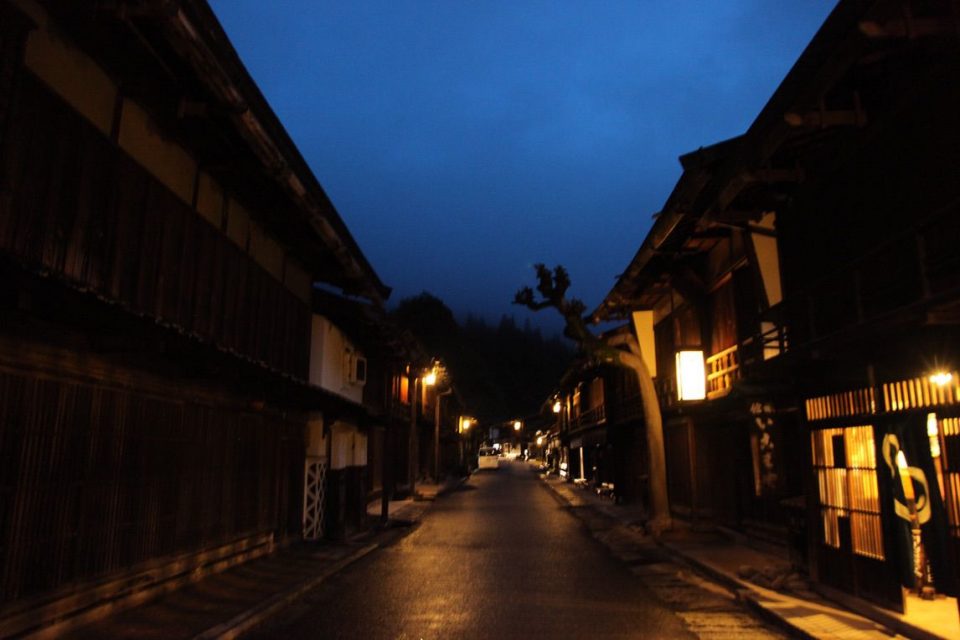
The enchanting main village of Tsumago (number 42 of the 69 post towns) is lined with traditional Japanese wooden houses, shops and ryokan (inns). You might want to stroll through the streets after dinner wearing a traditional yukata gown provided by your accommodation.
Kiso-Fukushima
Kiso-Fukushima was one of the four security checkpoints during the Edo period and thus flourished as a political and economic centre in the Kiso Valley. The Kozenji-Temple houses the valley’s most famous temple and the largest stone garden in Japan.
Yabuhara
Yabuhara was number 35 of the 69 post towns and is located shortly before the Torii Pass (1197m), which offers great views of Mount Ontake on a clear day.
Narai
Lovely Narai was the wealthiest of the post towns along the trail. Explore and relax in the cafes and shops of this well-preserved and atmospheric town.
Inclusions
Whats' included?
Included
- 7 nights in traditional Japanese guesthouses/inns (ryokan)
- Daily meals (as listed in the itinerary)
- 8 days fully guided by local guide
- Luggage transfers on your hiking days
- Travel with guide to Mitake from Nagoya Station (ticket included)
- Local bus and train tickets (as per the itinerary)
- Pre-tour briefing at Mitake
- Local and Australian emergency contacts
- Carbon offset for your trip and a native tree planted for every walker
Excluded
- Flights
- Travel insurance
- Beverages other than water at meals
- Expenses and items of a personal nature
- Lunches on all days (we have recommended places to eat)
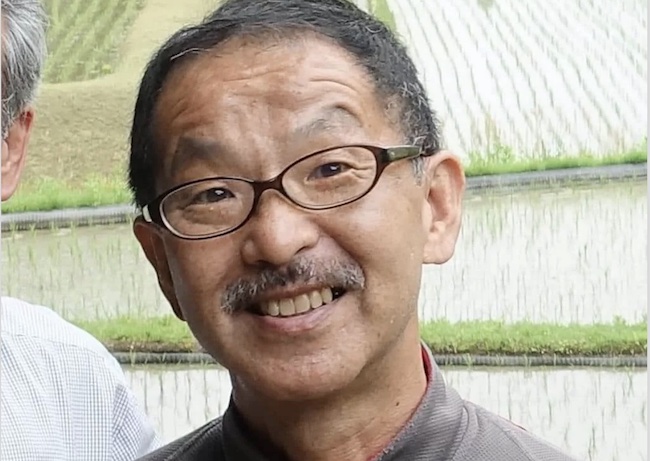
Trip Leader
KAZUNORI UKISU (UKKY)
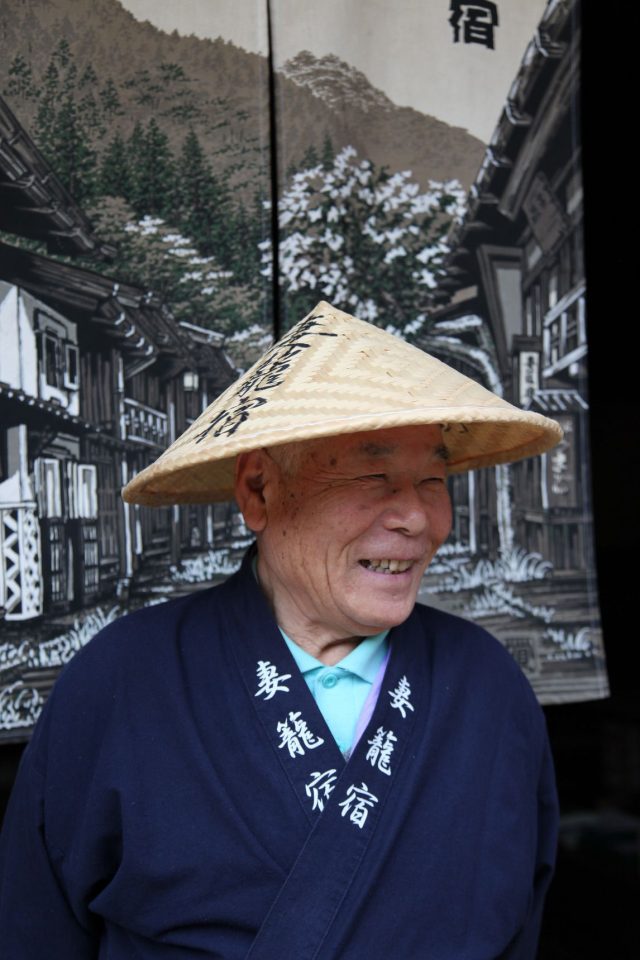
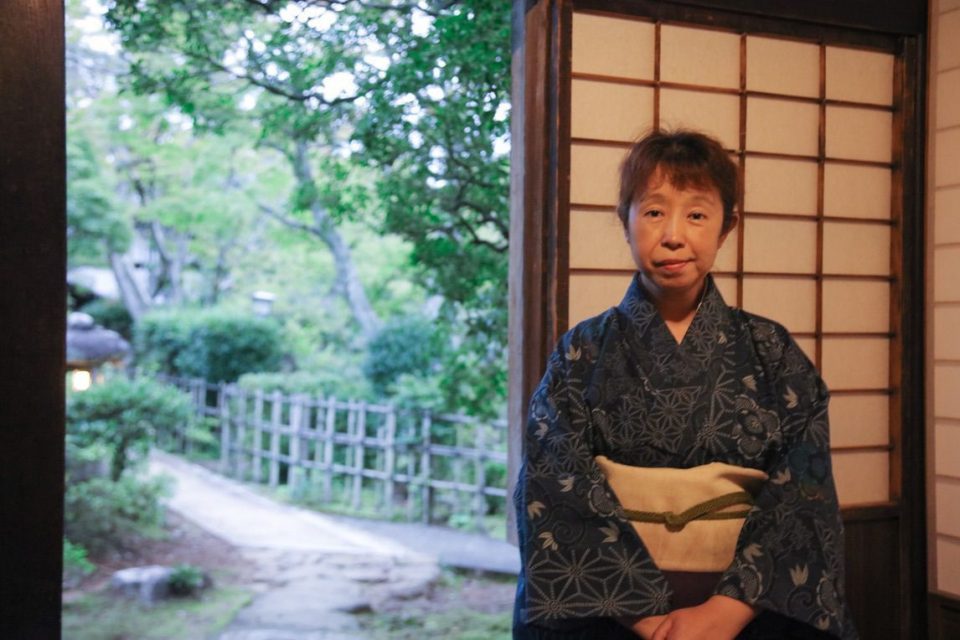
Ukky is an expert local guide who lives in the area and leads our trips along Japan’s picturesque Nakasendo Way. Ukky has been guiding in the mountains since 2012. His knowledge of the history and culture of this walk and Japan itself is extensive and fascinating. He loves meeting new people and sharing his time and insights with RAW Travel clients, who all love his cheerful company. Ukky lives on a hill and watches life unfold on the Nakasendo Way every day. He moved to this area with his wife and four children in 2002 and loves the fresh air, verdant landscape and clear rivers. He will introduce you to aspects of the local culture that as an outsider you would otherwise miss.
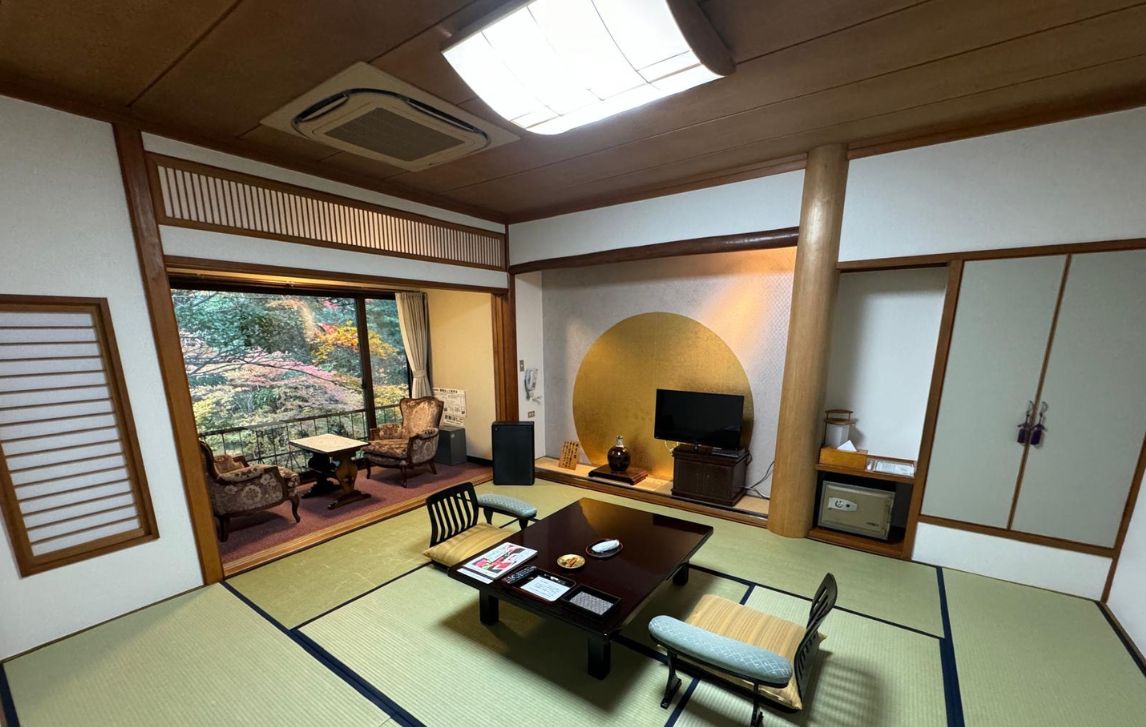
Accommodation
Where you stay
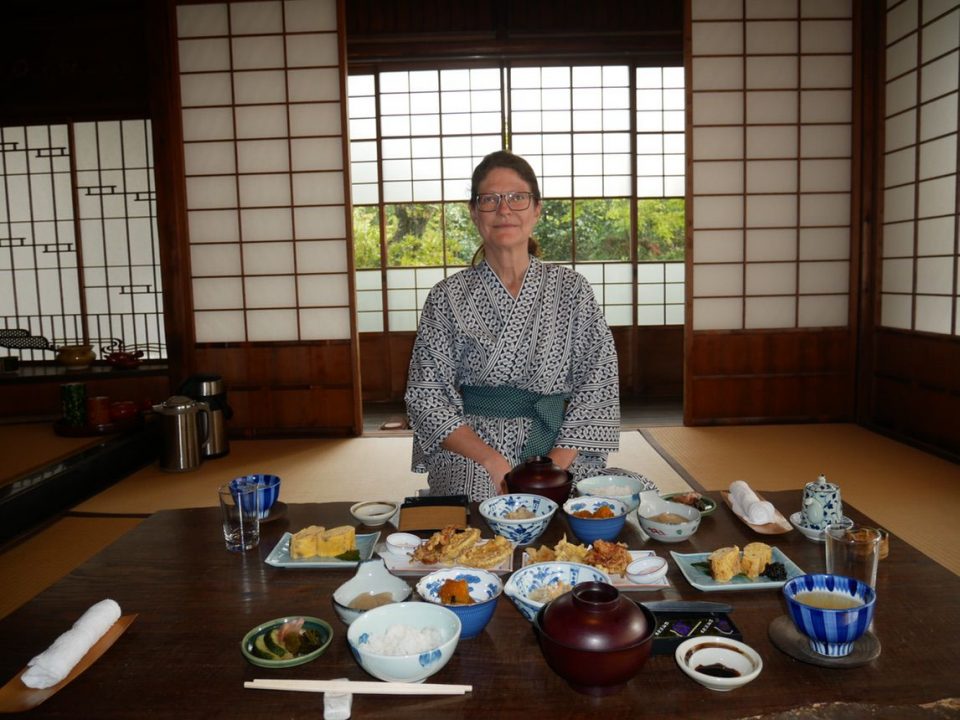
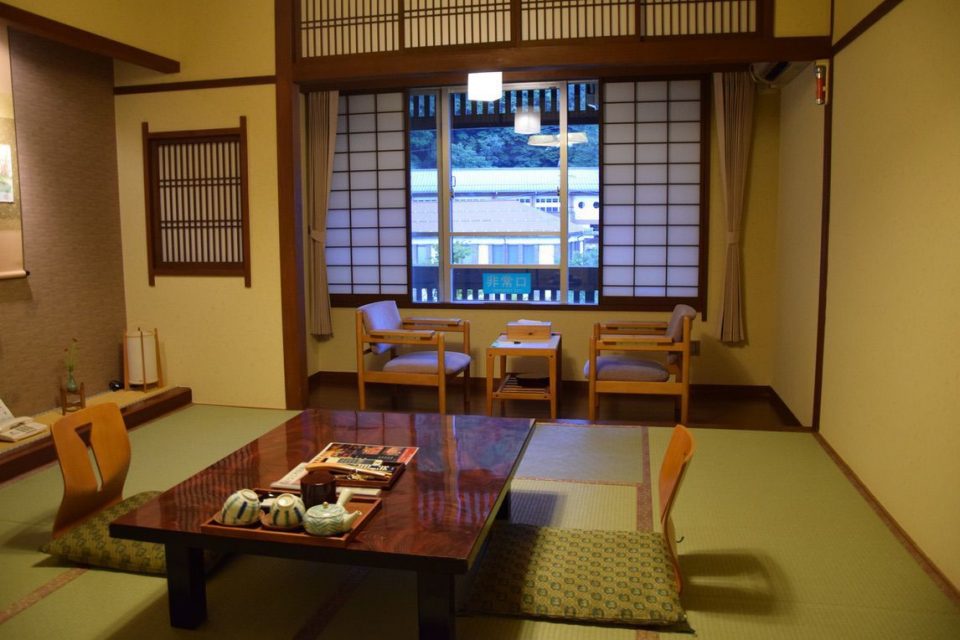
On the Nakasendo Way, you’ll stay in a mix of family-run guesthouses, ryokans (traditional Japanese inns), and small hotels, each offering a unique slice of Japanese culture. Most accommodations feature authentic Japanese-style rooms, with tatami straw mats and futon bedding, though some small hotels may offer Western-style rooms. While ryokans tend to be simple, with shared toilets and bathrooms, they provide a rare opportunity to connect with locals and fully immerse yourself in their way of life. These traditional accommodations offer warm hospitality and home-cooked meals, creating memorable highlights that offer a true taste of local culture. Read more about What to expect in a traditional ryokan.
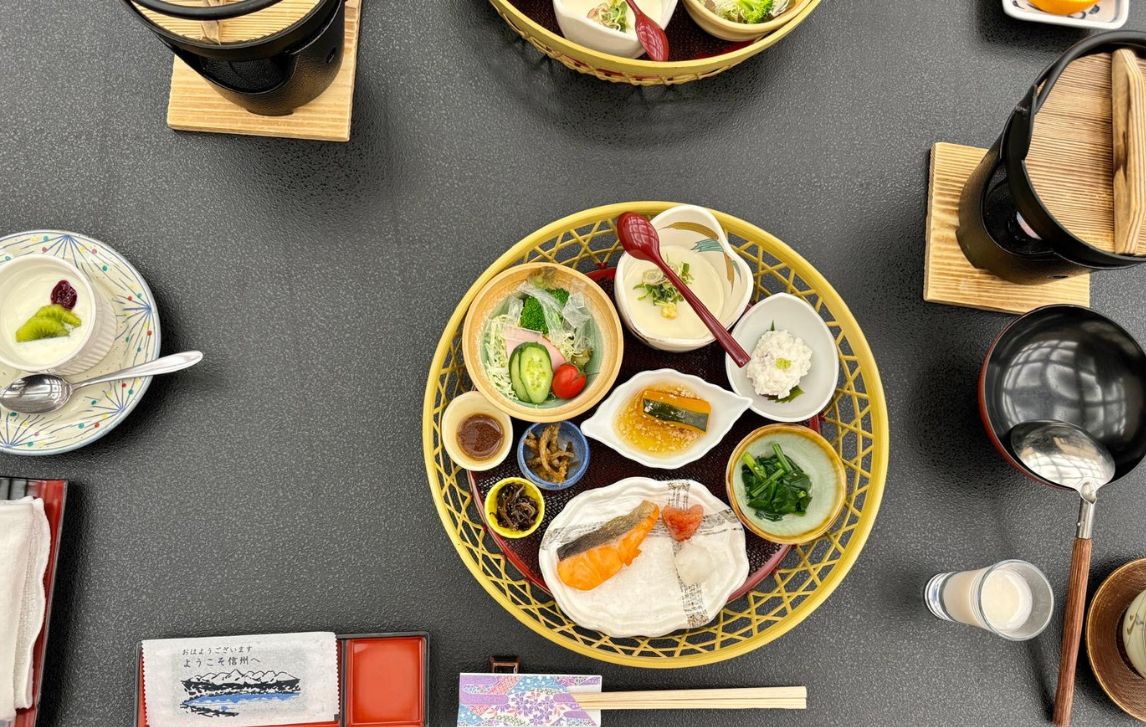
Food
Japanese cuisine
You’ll savour exquisite, fresh, locally sourced meals that are crafted with exceptional attention to detail. Food here is elevated to an art form, with a perfect harmony of flavours, appearance and a focus on seasonal ingredients. While Japan is known for its modernity, its traditions run deep, especially when it comes to food and dining etiquette. Every meal is a carefully considered experience. Accommodation owners and chefs take immense pride in preparing thoughtfully curated breakfasts and multi-course kaiseki dinners, showcasing the finest local ingredients, and offering you an unforgettable culinary journey that immerses you in authentic Japanese culture. Read more about the Wonderful Health Benefits of Japanese Food
Exclusive Guide
get inspired
Ready to step back in time and discover a centuries-old road through the mountains of central Japan? The Nakasendo Way is a stunning 94km journey from Mitake to Narai. Steeped in history, much of this walk weaves through the picturesque Kiso Valley. The ‘post towns’ strung out along the route give an enticing and authentic glimpse into Japan’s past.
There is so much to discover on this route! Find out more in our comprehensive destination guide – it’s bursting with inspiration, travel essentials, practical information and more!
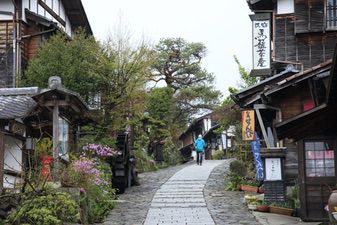
Japan
The Kiso Valley Highlights Trip – Nakasendo Way
- A great introduction to walking in Japan
- Taste the specialities of the Kiso Valley
- Enjoy wonderfully preserved ancient villages
- Stay overnight in family-run ryokans
$2,550.00
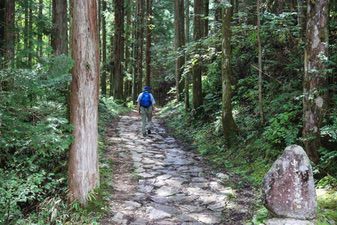
Japan
Nakasendo Way – Self-Guided Walk
- A journey through the heart of Japan
- Walk the historical Nakasendo Way through the Kiso Valley
- Walk on ishidatami (stone paving) dating back over 400 years
- Visit Nakatsugawa, Magome, Tsumago, Kiso Fukushima and Narai
$3,750.00
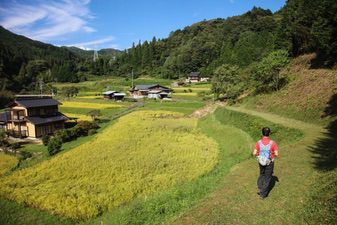
Japan
The Shimosuwa Trip – Nakasendo Way
- Extended walk on the ancient Nakasendo Way
- Journey through the heart of Japan
- Explore Nakatsugawa, Magome, Tsumago, Kiso Fukushima and Narai
- Visit the historic town of Shimosuwa and unwind in the onsens
$4,375.00
TRIP date selection
when would you like to travel?
Please select your preferred dates for on-demand trips or select a scheduled date for group departures. If you have booked a self-guided trip please understand that because your trip date is on demand and we must check availability of all properties on your chosen dates before it can be fully confirmed