
10 Sep 26
Why Slovenia Is One of Europe’s Most Underrated Walking Destinations
When I first started working with RAW Travel, Slovenia was one of the destinations I was most excited to learn about. I immersed myself in the itineraries, spoke with travellers who had returned full of praise, and quickly came to understand why it had become such a popular destination for our clients.
Despite being only about half the size of Switzerland, Slovenia packs an incredible amount into its compact borders. More than 60% of the country is covered by forest, it’s home to the magnificent Julian Alps, thousands of kilometres of marked walking trails and a picturesque stretch of Adriatic coastline.
So, when I finally had the opportunity to experience Slovenia for myself, I thought I knew what to expect. I was wrong. Not because Slovenia didn’t live up to my expectations. It exceeded them. What surprised me most wasn’t any one place, but the incredible diversity packed into such a small country. Every day revealed a completely different landscape, a new story or another unforgettable experience.
For anyone considering a European walking holiday, Slovenia deserves to be much higher on the list.
What is walking in Slovenia really like?
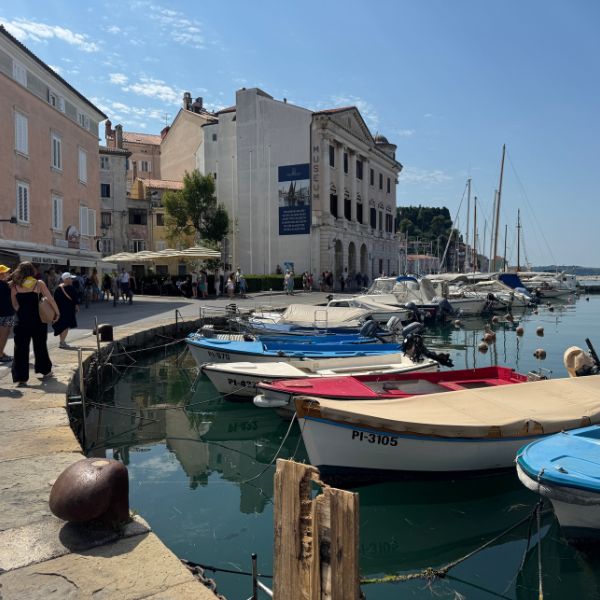
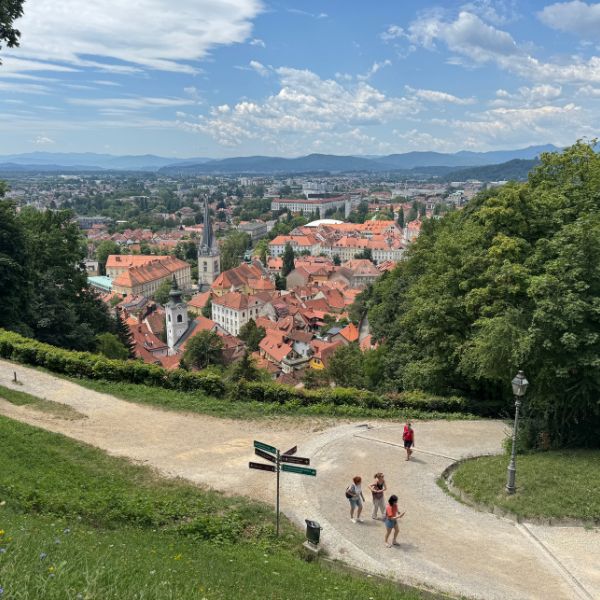
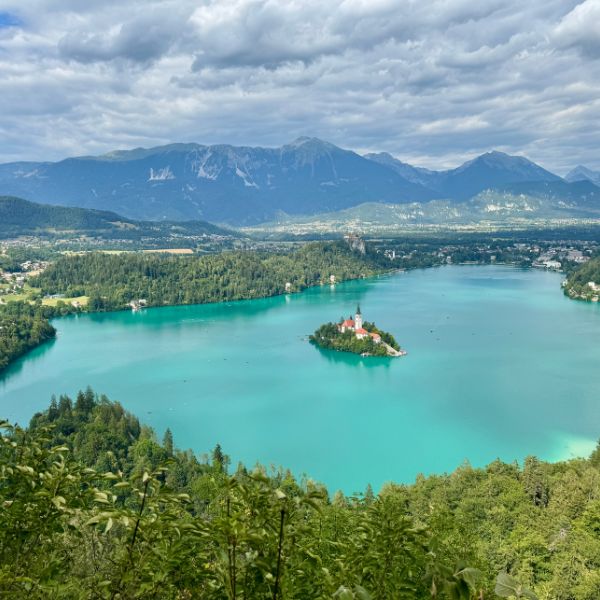
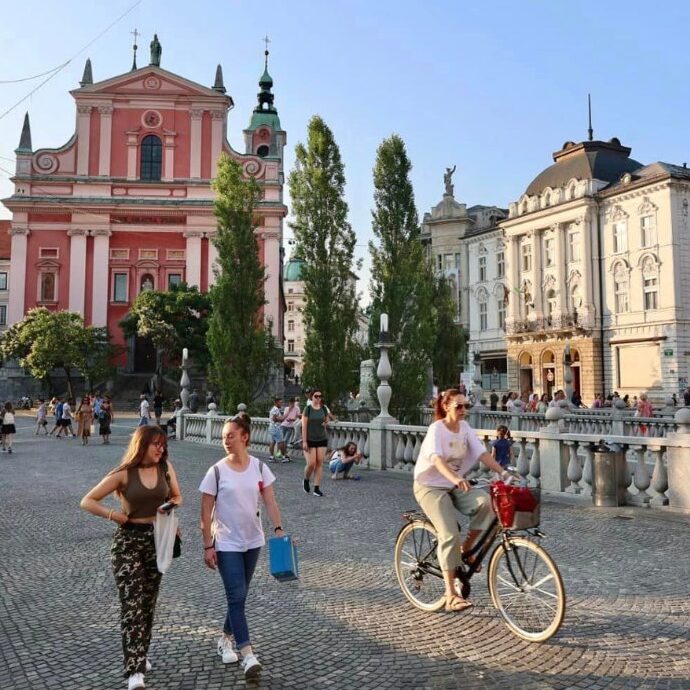
Few countries offer so much variety in such a compact area. In just over a week, I wandered through the vibrant streets of Ljubljana, walked around the famous waters of Lake Bled, relaxed beside the peaceful shores of Lake Bohinj, hiked through the spectacular Julian Alps, followed the emerald-green Soča River, explored the rolling vineyards of Goriška Brda and finished on the Adriatic Coast in the charming seaside town of Piran.
Every day felt completely different, yet each destination complemented the next perfectly.
If you’re interested in the trails themselves, you can also read our guide to the best places and experiences for hiking in Slovenia.
Lake Bled or Lake Bohinj?
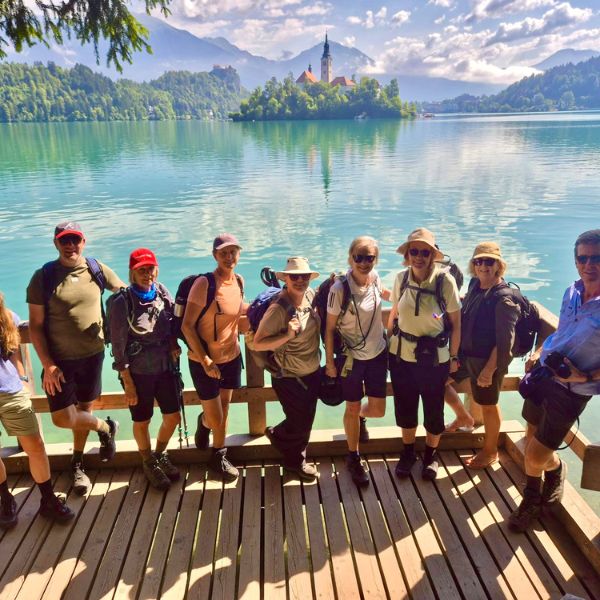
Lake Bled is every bit as beautiful as you’ve imagined. During summer, the lake can reach temperatures of around 24°C, making it perfect for a refreshing swim after a morning walk. As beautiful as Bled is, I found myself falling in love with nearby Lake Bohinj. Nestled within Triglav National Park, it has a quieter, more relaxed atmosphere that encourages you to slow down and simply enjoy where you are. If your itinerary allows, I’d highly recommend adding an extra night here. Swim in the crystal-clear lake, take the cable car to Mt Vogel, enjoy one of the many walking trails or simply relax by the water.
It was one of my favourite places in Slovenia and somewhere I could easily have spent another day.
How difficult is walking in Slovenia?
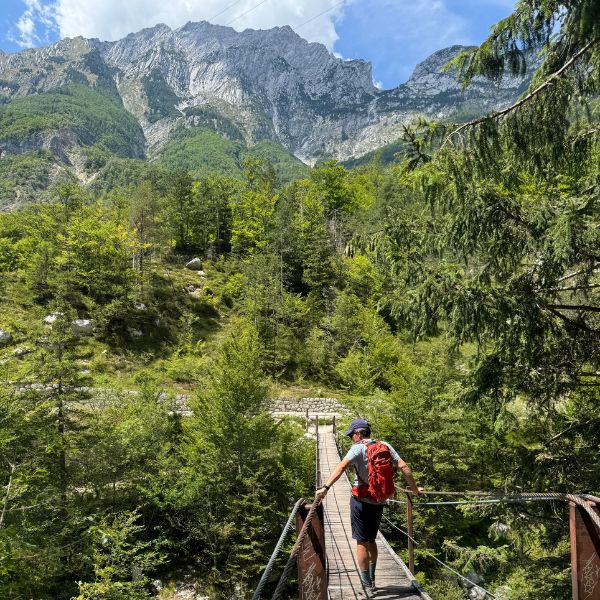
The walking in Slovenia was everything I had hoped for and more. Some days were certainly more challenging than I expected, particularly in the Julian Alps, where steeper, rocky trails and uneven terrain require a little more concentration than many Australian walking tracks. But every climb was rewarded with breathtaking scenery. Standing amongst the rugged limestone peaks of the Julian Alps, I quickly forgot about the effort it had taken to get there. If you’re considering a Slovenia walking holiday, I’d pay close attention to the grading of your chosen itinerary and train accordingly. The scenery is beautiful, but some of these are proper mountain trails.
Are Slovenia’s hiking trails crowded?
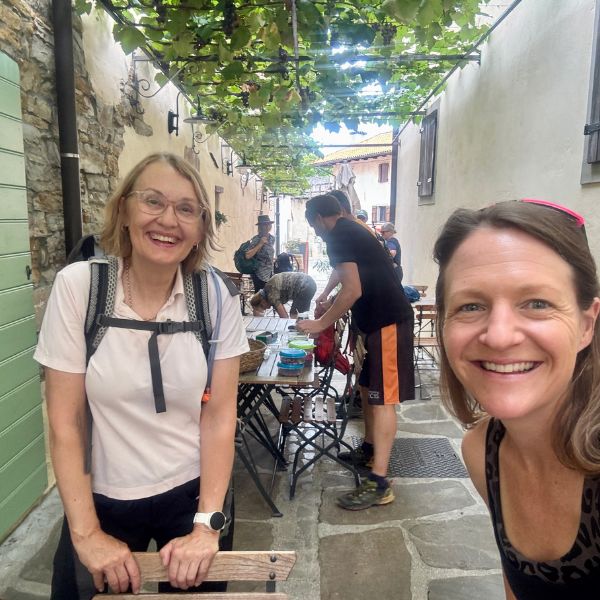
This was another surprise. Unlike many of Europe’s better-known walking destinations, the trails felt wonderfully peaceful. On my self-guided walk, there were times I hiked for hours without seeing another person, allowing me to completely immerse myself in the landscape. Even on the guided tour, we rarely encountered other walkers. Slovenia certainly isn’t undiscovered, but it can still give you that wonderful feeling that you’ve stumbled across somewhere Europe hasn’t told everyone about yet. For travellers weighing up the better-known European walking holiday destinations, this is one of Slovenia’s greatest appeals.
And then there’s the Soča River
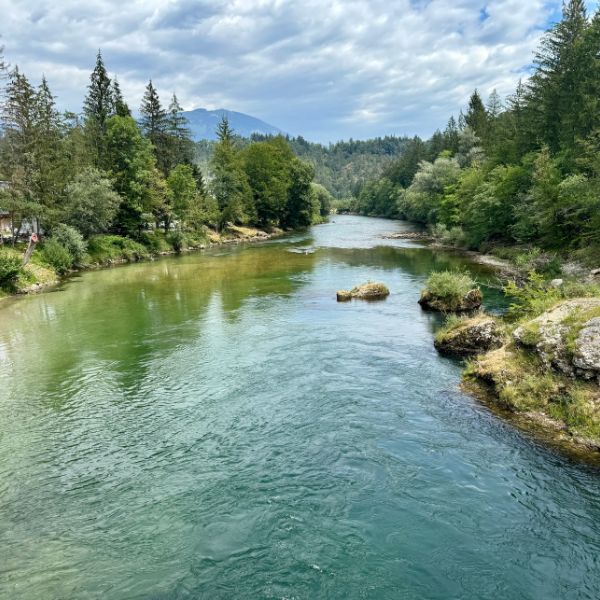
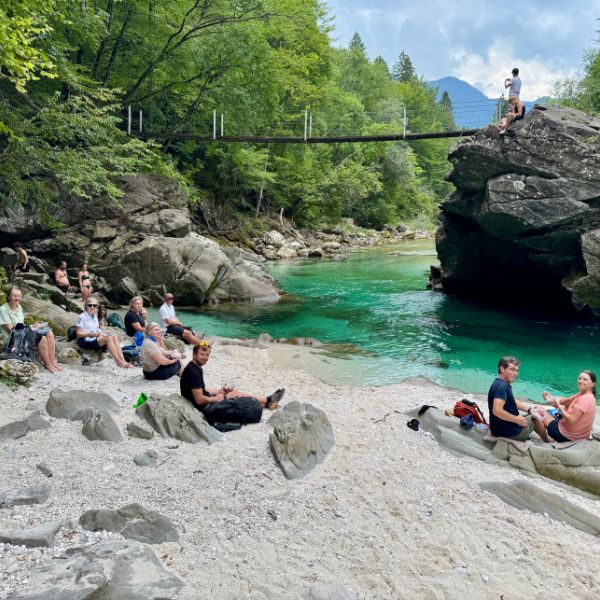
No matter how many photographs I’d seen beforehand, nothing prepared me for seeing it with my own eyes. Its vivid emerald-green water almost doesn’t look real. Over thousands of years it has carved deep limestone gorges through the valley, creating spectacular viewpoints and swimming holes. Even in the middle of summer, the water remains icy cold. I can confirm that after a warm day’s hiking, that doesn’t necessarily stop you jumping in. It’s so incredibly clear you can see every rock and pebble beneath the surface.
A walking holiday that’s about more than walking
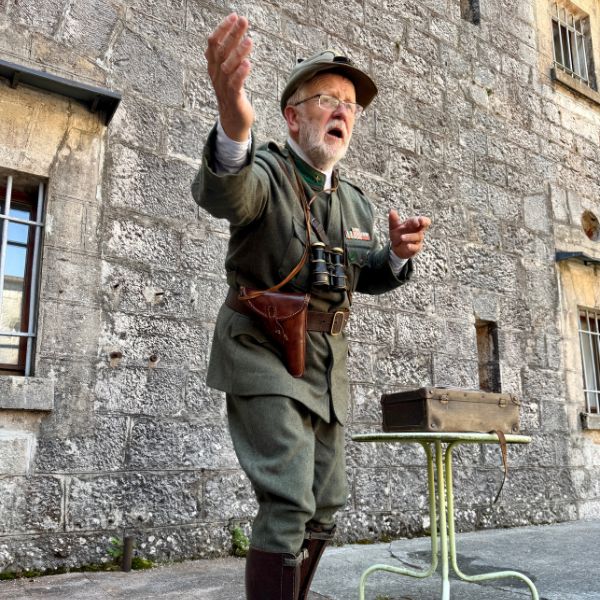
What really sets Slovenia apart isn’t just the landscapes. It’s the people and the experiences that connect you with the country. One of the highlights of RAW Travel’s guided itinerary was our local guide. His knowledge of Slovenia’s history, geography, culture and cuisine added another dimension to every day. More than that, he introduced us to local people and shared stories that brought each place to life in a way no guidebook ever could. Meeting a local historian who shared stories of the First World War, the conditions endured by soldiers and the battles fought along the Isonzo Front brought Slovenia’s history vividly to life. Standing in the very landscape where these events unfolded made the experience incredibly moving and gave me a much deeper appreciation of the region.
Slovenian food was another surprise
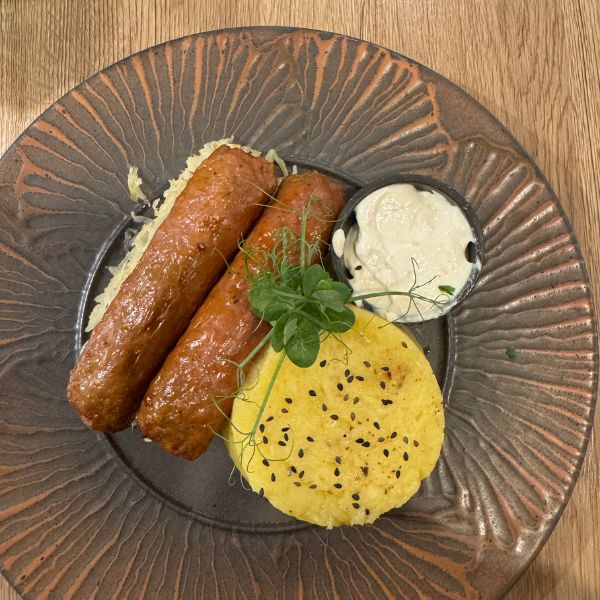
Another highlight was enjoying lunch prepared by an award-winning local producer whose passion for fresh, seasonal ingredients has earned widespread recognition. It wasn’t simply a delicious meal. It was an opportunity to experience genuine Slovenian hospitality and learn more about the country’s food culture. Later in the journey, we visited a small family-run winery in Goriška Brda, often referred to as the ‘Tuscany of Slovenia’. Sampling exceptional local wines over lunch while learning about the region’s winemaking traditions was a wonderful reminder that Slovenia’s culinary experiences are every bit as impressive as its scenery.
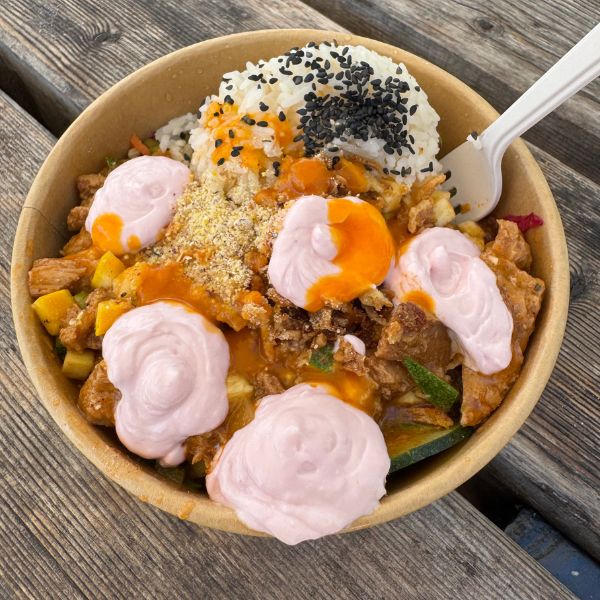
As a vegetarian, food is always something I think about when travelling, and Slovenia pleasantly surprised me here too. I found plenty of great vegetarian and vegan options along the way, from fresh local produce to creative plant-based dishes. If this is something you’re wondering about too, read my guide to vegetarian and vegan food in Slovenia.
Discovering Slovenia’s wine country
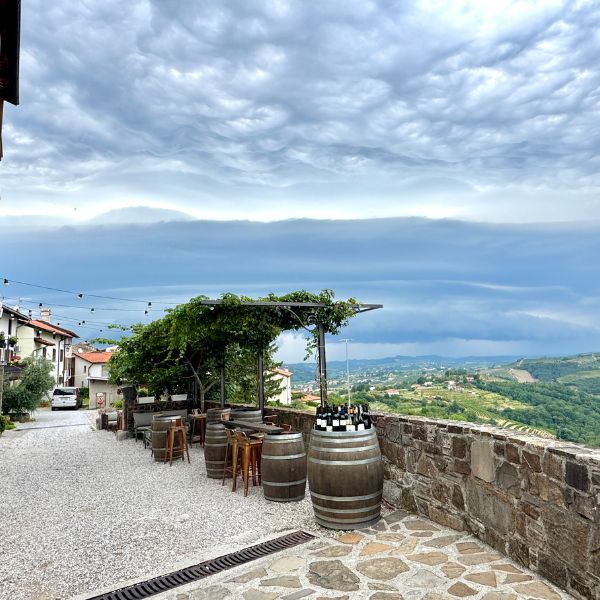
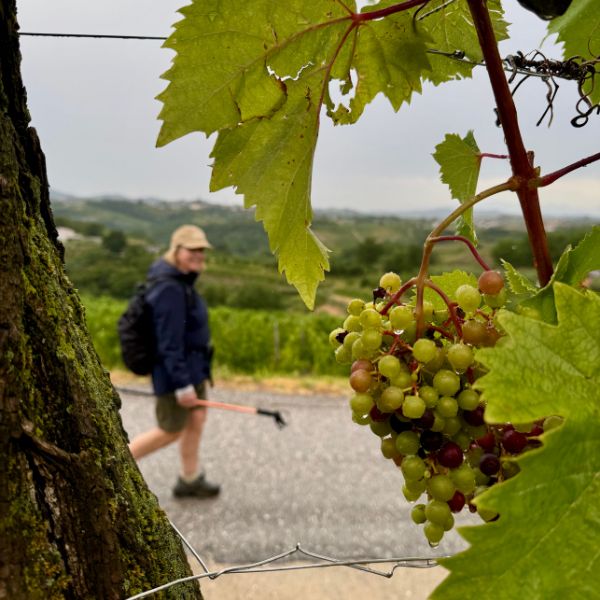
Before travelling, I had no idea Slovenia had its own wine region that draws comparisons with Tuscany. Goriška Brda is a beautiful landscape of rolling vineyards, orchards, cypress trees and medieval hilltop villages, tucked between the Julian Alps and the Adriatic Sea. It has all the charm you’d hope for from European wine country, but without the crowds. Combined with Slovenia’s outstanding local wines and generous regional cuisine, it’s a destination that deserves far more recognition than it receives.
Is Slovenia easy to travel around?
One of the things I appreciated most was just how easy Slovenia is to travel through. English is widely spoken and I found communication straightforward, even in smaller towns and villages. As someone who spent several days walking independently, I also appreciated how comfortable I felt travelling and walking on my own. The compact size of the country is another huge advantage. You can experience dramatically different parts of Slovenia without losing entire days getting from one to the next. If you’re planning to stay longer, I’ve put together some of my favourite things to do in Slovenia before or after your walking holiday.
What is the accommodation like?
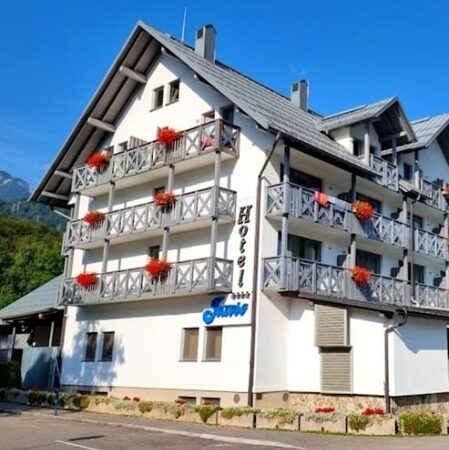
One aspect of the trip that consistently impressed me was the standard of accommodation. Throughout both the guided and self-guided itineraries, the hotels were exceptionally well chosen, comfortable, spotlessly clean and in excellent locations, making it easy to explore each destination on foot. I particularly liked the mix of accommodation styles. Some properties were full of traditional Slovenian charm and character, while others were stylish boutique hotels, but each had its own personality and offered a warm welcome after a day on the trail.
The breakfasts were another standout, with fresh breads, pastries, local cheeses and meats, fruit, cereals, eggs and excellent coffee. Exactly what you want before pulling your walking shoes back on.
Guided or self-guided Slovenia?
Having now experienced both, I can see the appeal of each. Self-guided walking gives you independence and the freedom to settle into your own rhythm. Guided walking gives you access to something harder to arrange yourself: people. Our guide opened doors to conversations, stories, producers and experiences I simply wouldn’t have discovered travelling independently. Which is better really comes down to the type of traveller you are.
The Slovenia I didn’t expect
Looking back, I realise it wasn’t one single moment that made Slovenia so memorable. It was the combination of experiences. Swimming in the icy waters of the Soča River after a warm summer’s walk. Spending a peaceful afternoon beside Lake Bohinj before taking the cable car to Mt Vogel. Climbing through alpine meadows in the Julian Alps to be rewarded with breathtaking mountain views. Learning about Slovenia’s fascinating history from passionate locals. Sharing incredible meals prepared with local produce and discovering exceptional wines in Goriška Brda. Slovenia isn’t just another beautiful European destination. It offers spectacular walking, fascinating history, remarkable food and wine, genuine hospitality and a diversity of landscapes that’s difficult to find anywhere else.
Having now experienced both the guided and self-guided itineraries, I understand why so many RAW Travel guests return home raving about Slovenia. It’s a destination that quietly exceeds expectations. It certainly exceeded mine.
Discover Slovenia with RAW Travel
If Slovenia sounds like the kind of European walking holiday you’ve been looking for, explore our Slovenia walking holidays and discover our guided and self-guided itineraries.
Written By
Eve Conyers
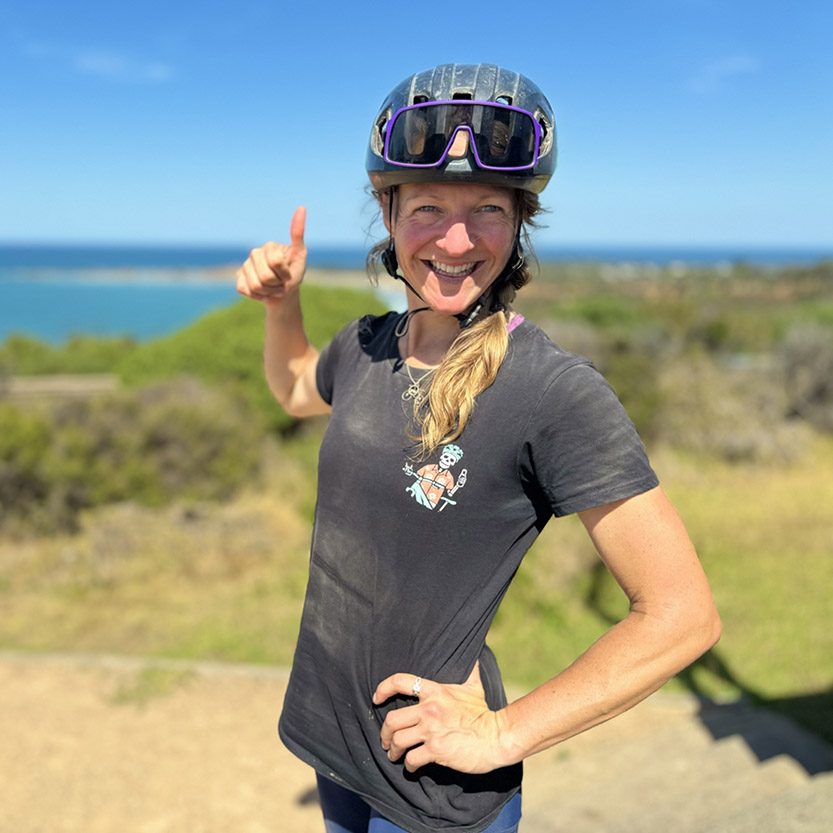
Eve Conyers is a European Alps expert with hands-on experience guiding, biking and hiking across Europe. She’s kayaked the 2,700 km Danube, bike‑packed the Balkans, and explored alpine terrain worldwide, bringing real-world adventure insight to every blog she writes.