
06 Mar 23
Hiking in Slovenia: The Best Places, Trails & Experiences
With jagged mountains, turquoise rivers, lush forests, alpine lakes and rolling wine regions, hiking in Slovenia offers an extraordinary amount of variety in a very small country. For walkers, that means incredible choice. One day you can be hiking beneath the peaks of the Julian Alps, the next following an emerald river through the Soča Valley or walking between vineyards, villages and the Adriatic Coast. You’ll hardly find more beautiful places where you can feel so close to civilisation and, at the same time, completely immersed in nature. If you’re considering a walking holiday in Slovenia, here are some of the places and experiences that make it such an exceptional hiking destination.
1. Hike through the Julian Alps
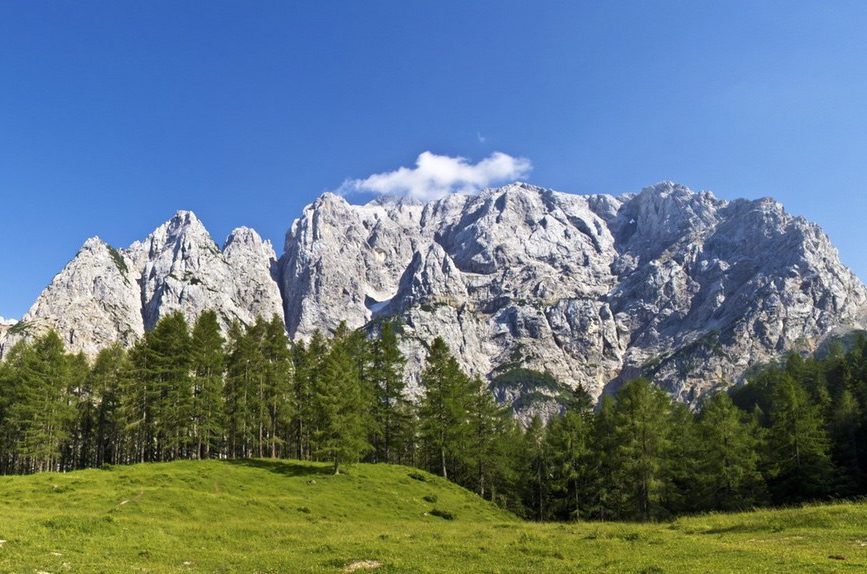
The Julian Alps are home to some of the best hiking in Slovenia, with dramatic limestone peaks, alpine meadows, forests, mountain huts and impossibly clear lakes. Much of the region falls within Triglav National Park, Slovenia’s only national park and home to Mount Triglav, the country’s highest peak. You don’t have to climb Slovenia’s highest mountains to experience this incredible landscape. A network of walking trails winds through valleys, across alpine meadows and alongside rivers and lakes, offering spectacular mountain scenery at every turn. For experienced hikers looking for something more challenging, Slovenia also offers rewarding hut-to-hut walking through the rugged heart of the Julian Alps.
2. Walk beside the emerald Soča River
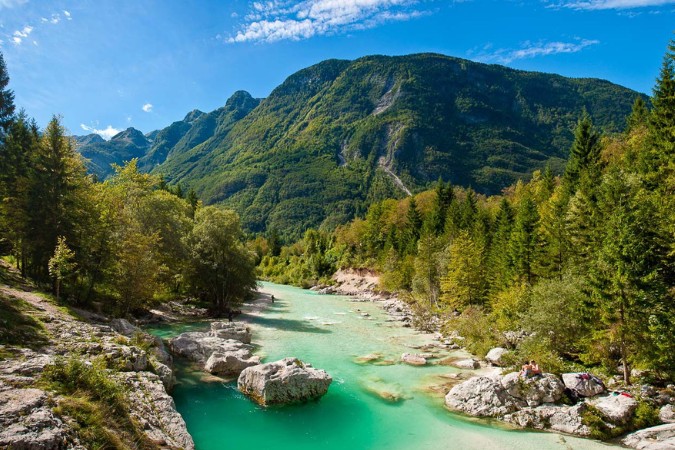
The Soča River, flowing through Triglav National Park, is beautiful beyond imagination. It flows for 138km from the Trenta Valley in the Julian Alps towards the Adriatic Sea in Italy. With its distinct emerald-green colour, it is considered one of the most beautiful rivers in Europe. Some of Slovenia’s most memorable hiking can be found around the Soča Valley, where trails pass gorges, cascading waterfalls, canyons and clear pools against a dramatic mountain backdrop. It’s the kind of landscape that makes you stop walking simply to take it all in.
3. Discover magical Lake Bled
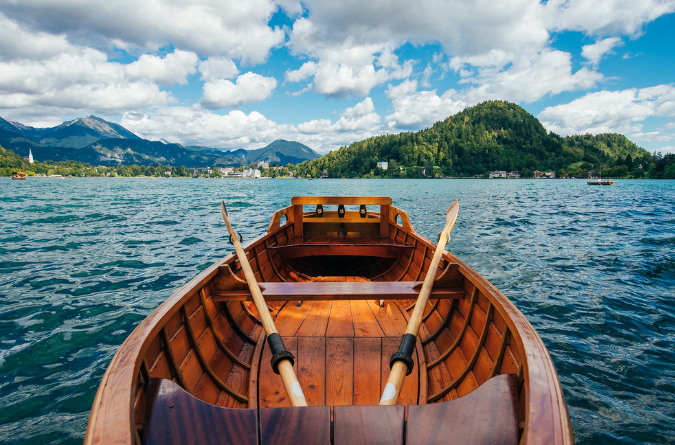
Slovenia’s iconic Lake Bled sits at the foot of the Julian Alps, surrounded by forested hills and mountains. Its island church and hilltop medieval castle create one of Europe’s most recognisable alpine scenes, but Bled is much more than somewhere to take a photograph. It also makes a wonderful finishing point or base for exploring the surrounding walking trails. Traditional wooden boats known as pletnas carry visitors across the lake, while Bled’s famous kremna rezina cream cake provides a very good excuse to stop walking for the afternoon.
4. Experience the tranquillity of Lake Bohinj
While Lake Bled gets much of the attention, nearby Lake Bohinj offers a quieter experience surrounded by the mountains of Triglav National Park. Slovenia’s largest permanent lake is a beautiful place to slow down, walk beside the water and enjoy the surrounding alpine landscape. The area is an excellent base for hiking in Slovenia, with trails leading into forests, mountain valleys and higher alpine terrain. In the warmer months, the clear lake is also perfect for a refreshing swim after a day on the trail.
5. Walk through wildflower meadows and forests
In spring and early summer, the Slovenian landscape comes alive. Spectacular carpets of wildflowers cover alpine fields and meadows, including white daffodils, violet saffron crocuses, dark blue gentians and pink cyclamen. Dense forests also cover around 60% of Slovenia, making woodland walking an integral part of the experience. Trails weave between forests, open meadows and mountain landscapes, creating constantly changing scenery as you walk. With more than 22,000 animal and plant species, Slovenia is also one of Europe’s most biodiverse countries.
Hiking in Slovenia from the mountains to the Adriatic
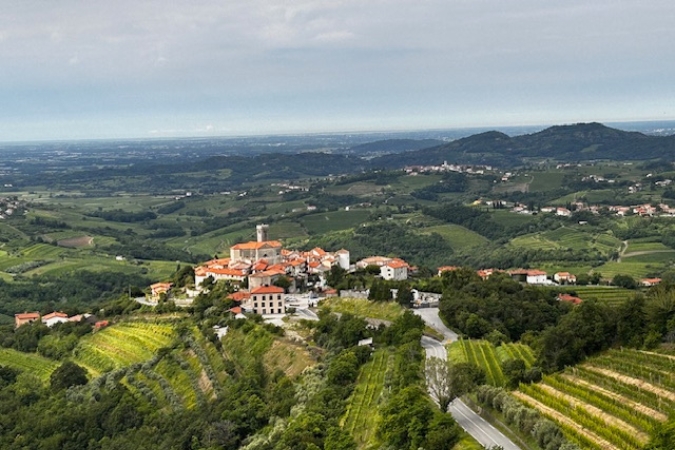
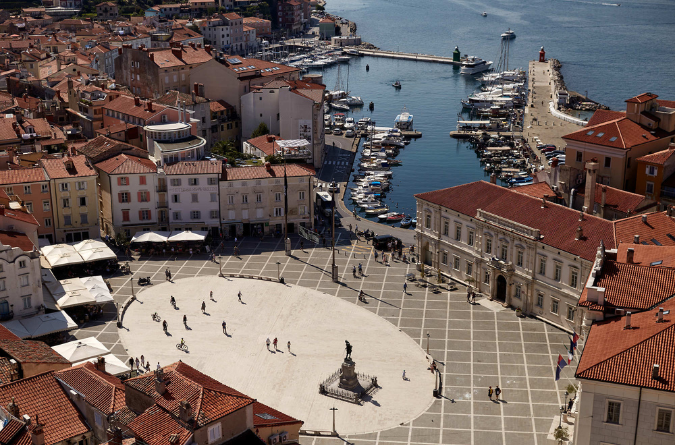
One of the things that makes walking in Slovenia so interesting is how quickly the landscape changes. Beyond the high mountains, walking routes pass through the Karst Plateau, wine-growing regions and rural villages before eventually reaching Slovenia’s short but beautiful Adriatic coastline. The picturesque town of Piran is a wonderful place to finish. Its narrow streets, long pier, Venetian architecture and sparkling Adriatic setting feel a world away from the alpine landscapes you’ve walked through just days earlier.
7. Explore Slovenia’s remarkable caves
There is another landscape beneath your feet. Slovenia’s extraordinary underground world contains thousands of caves, including the UNESCO World Heritage listed Škocjan Caves. The vast underground canyon, chambers and passages make an impressive contrast to the open landscapes above ground and are particularly easy to incorporate into a walking journey through Slovenia’s Karst region.
8. Taste Slovenia along the trail
Walking in Slovenia isn’t only about the landscapes. Slovenian gastronomy draws influence from the Alpine, Karst, Mediterranean and Pannonian regions, creating an impressive variety of dishes and flavours. There’s a strong garden-to-table philosophy, with chefs making use of locally grown and foraged ingredients and traditional techniques such as pickling, drying and preserving. And importantly for walkers, you don’t have to be in the capital to eat exceptionally well. Some of the country’s most interesting food experiences can be found in its valleys, villages and wine regions.
9. Walk through Slovenian wine country
Vines have been thriving in Slovenia since Roman times, and the country’s wine regions offer a completely different style of walking from the Julian Alps. Here the scenery softens into rolling hills, vineyards, orchards and small villages. Hiking in Slovenia isn’t limited to the mountains. The country’s three wine-growing regions sit within the European wine belt and produce an enormous variety of wines. Orange wine, made using white grapes left in contact with their skins, has particularly deep roots here. Combining walking with local food and wine is one of the best ways to experience Slovenia beyond its famous alpine scenery.
10. Experience a country made for walking
Perhaps Slovenia’s greatest appeal is simply how much variety you can experience within one journey. Mountains, rivers, lakes, forests, vineyards, caves, medieval towns and the Adriatic Coast all sit within a remarkably compact country. Ljubljana itself is wonderfully walkable, with a pedestrianised centre, riverside cafés, historic architecture and green spaces. From the capital, the Julian Alps, Lake Bled and Slovenia’s other walking regions are within easy reach. It makes Slovenia an ideal destination for travellers who want their walking holiday to be about more than simply covering kilometres.
Hiking in Slovenia with RAW Travel
RAW Travel offers a range of guided and self-guided walking adventures that showcase very different sides of Slovenia. For classic alpine scenery, our Julian Alps itineraries explore highlights including Lake Bled, Lake Bohinj, the Soča Valley and Triglav National Park. Experienced walkers can head deeper into the mountains on our Triglav hut-to-hut hike, while our Mountains to Coast journey combines alpine landscapes with wine regions, caves and the Adriatic. For travellers who like to mix things up, our Slovenia Hike & E-Bike itinerary combines walking with cycling through forests, alpine meadows and the rolling hills of Slovenia’s wine country.
Whichever way you experience it, Slovenia delivers something remarkable: an enormous variety of landscapes, food, culture and walking packed into one small and very beautiful country.
Best time to hike in Slovenia
The main walking season in Slovenia runs from spring through to autumn, although the best time depends on the region and style of hiking you choose. Spring brings green landscapes and wildflowers, summer is ideal for exploring higher alpine trails, and early autumn combines pleasant walking conditions with beautiful changing colours.
Explore our Slovenia walking holidays and find the itinerary that suits you.