
length
20 Days
difficulty
Moderate - Challenging
trip cost
from $3,050 pp
Nature Immersion
Cultural Interest
Overview
Leon to Santiago: Women’s Trip
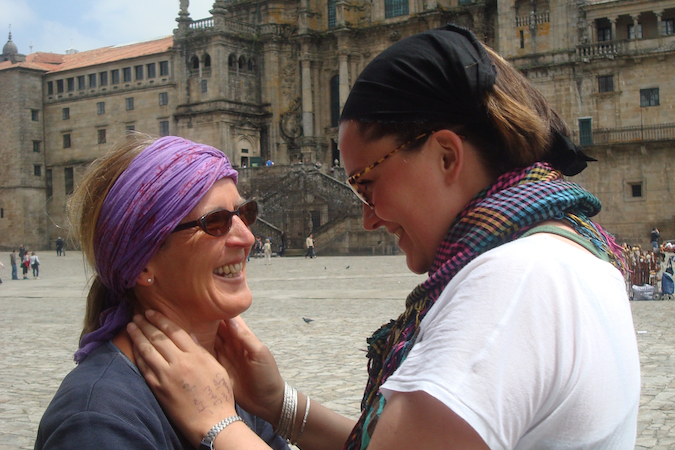
Created with solo women in mind, this itinerary lets you enjoy the freedom of a self-guided Camino with the confidence of beginning in Leon alongside a small group of up to ten women. There’s no expectation to walk as a group, just the comfort of knowing you’ll have a few familiar smiles from the very start of your adventure.
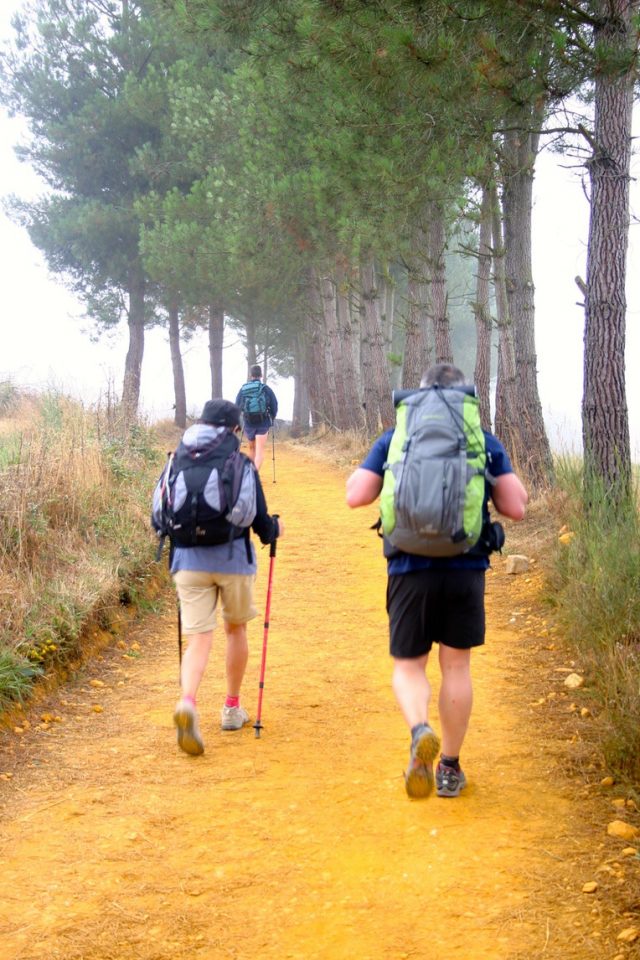
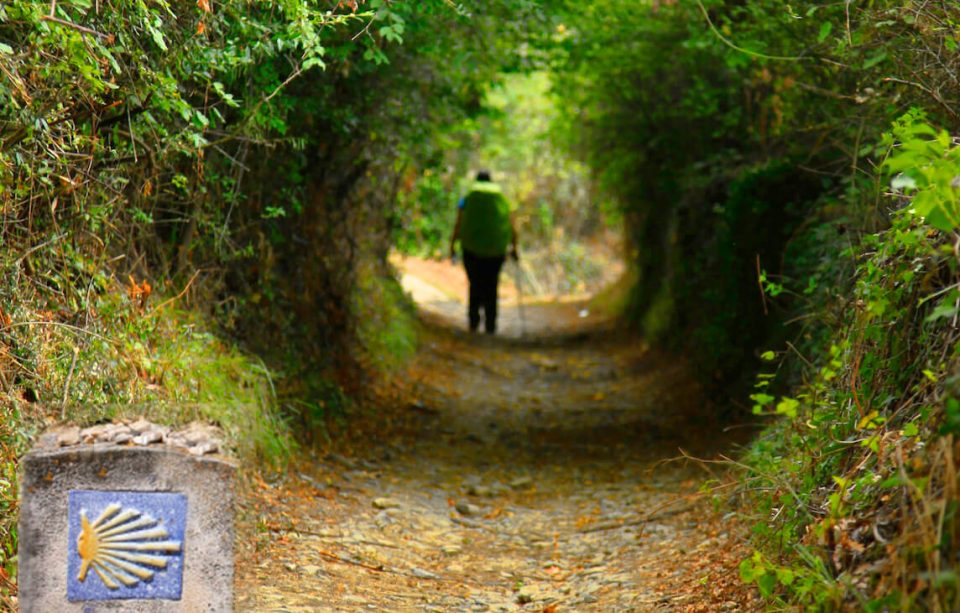
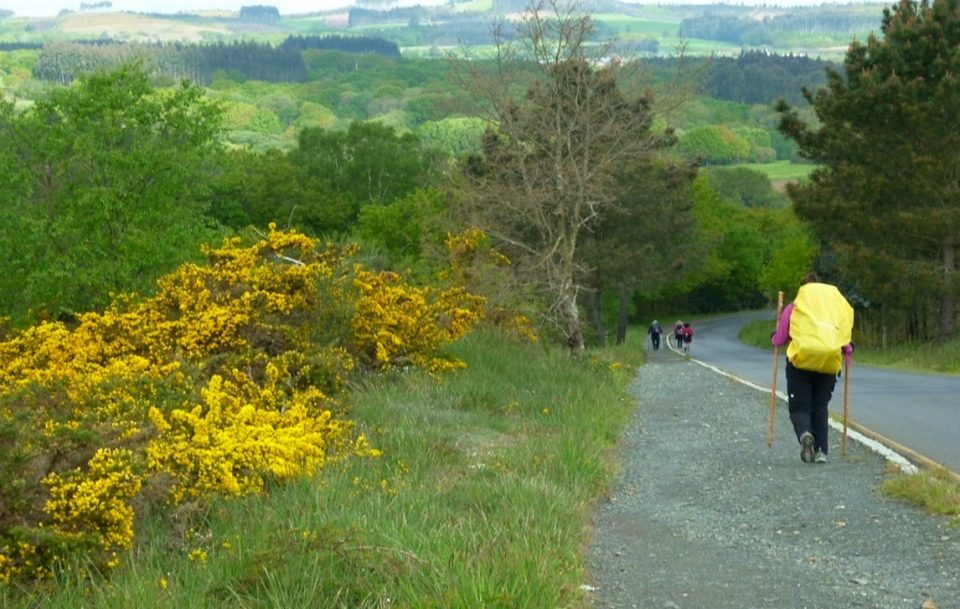
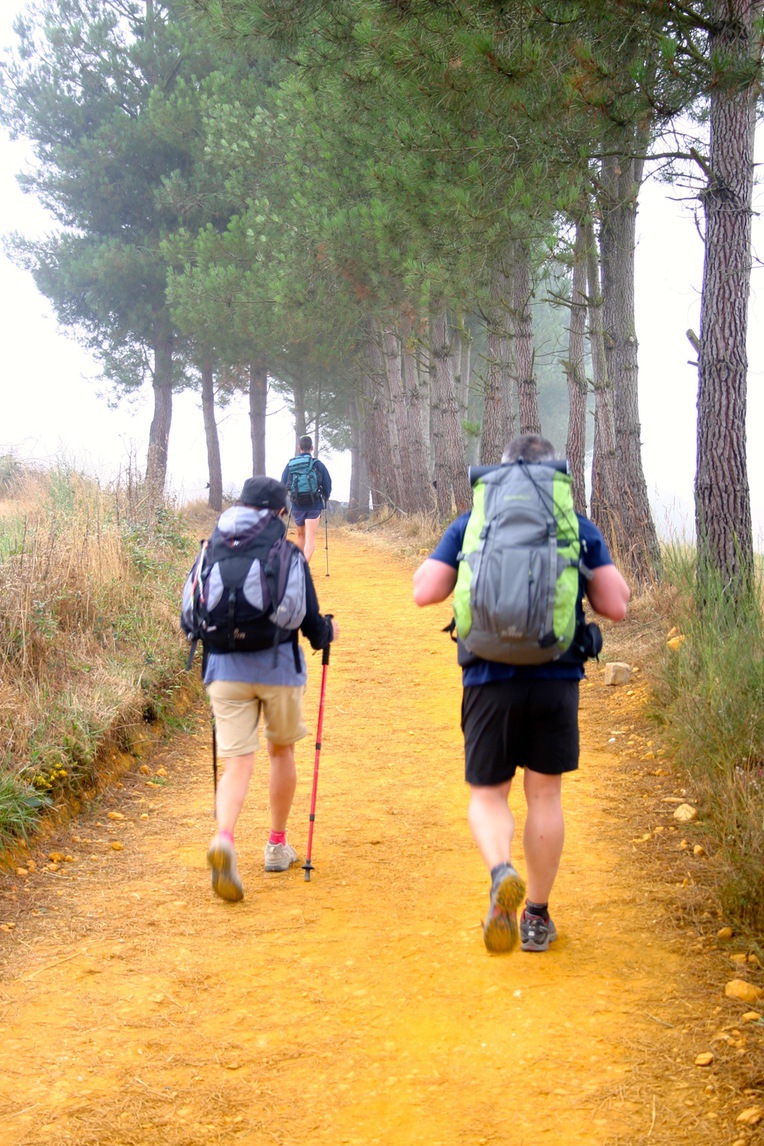
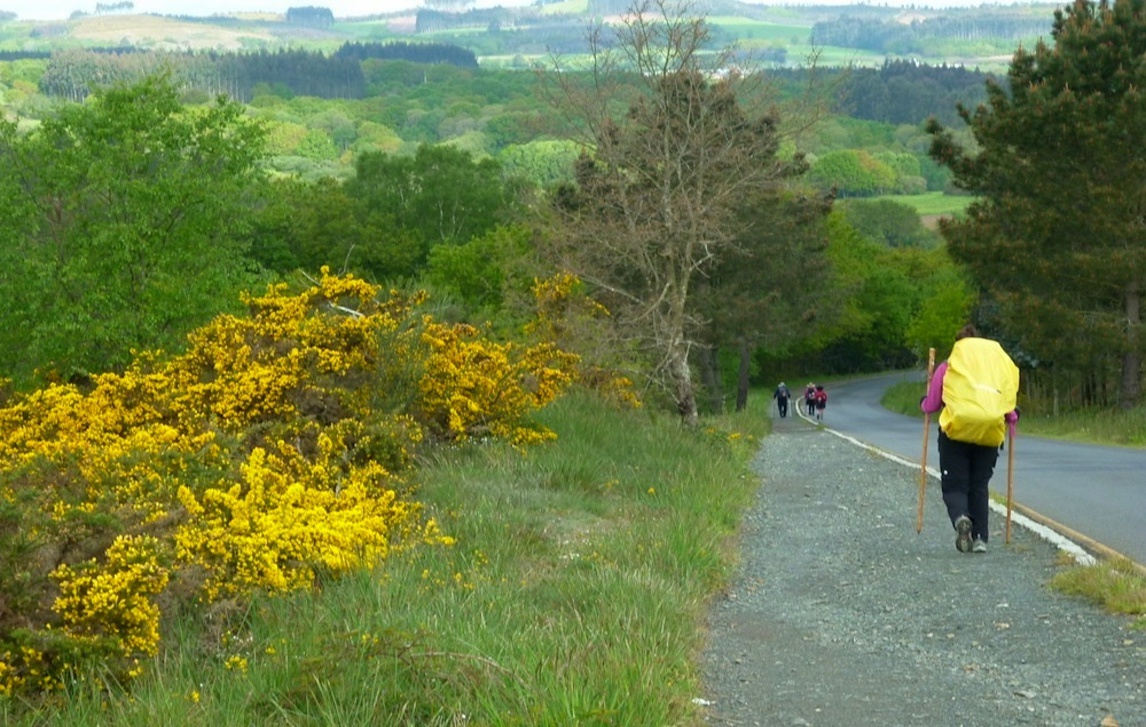
For centuries, pilgrims have shaped this route, leaving behind a trail of legends, villages and traditions. Wandering through rural landscapes, shady woodlands and historic towns, you’ll uncover the heart of Spain. Its culture, flavours and artistry will leave their mark as you follow the rhythm of your own Camino.


Highlights
Get Ready For
- Walking over 300km of the French Camino Trail
- Dedicated local support person in Spain for reassurance
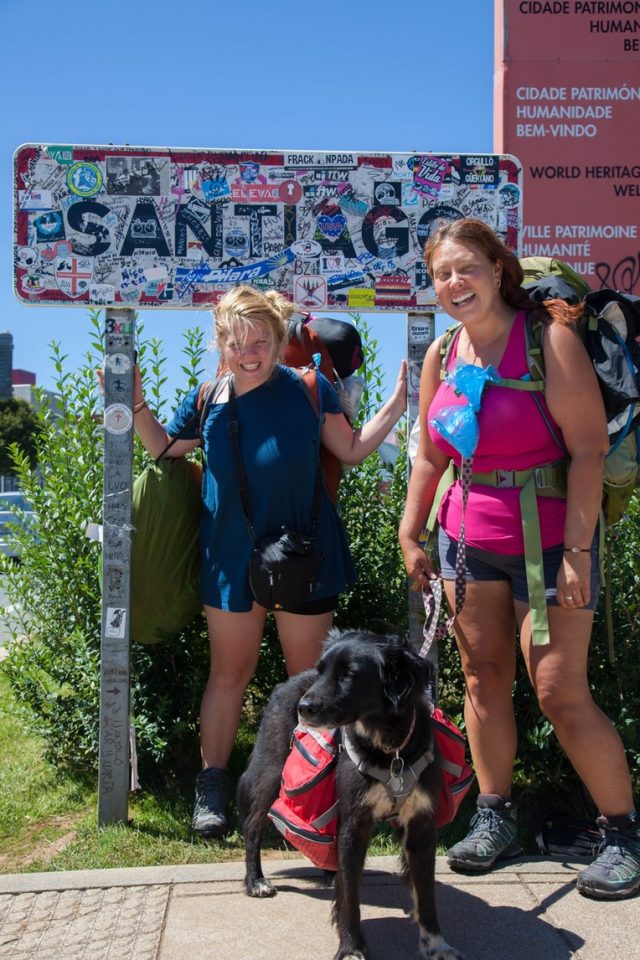
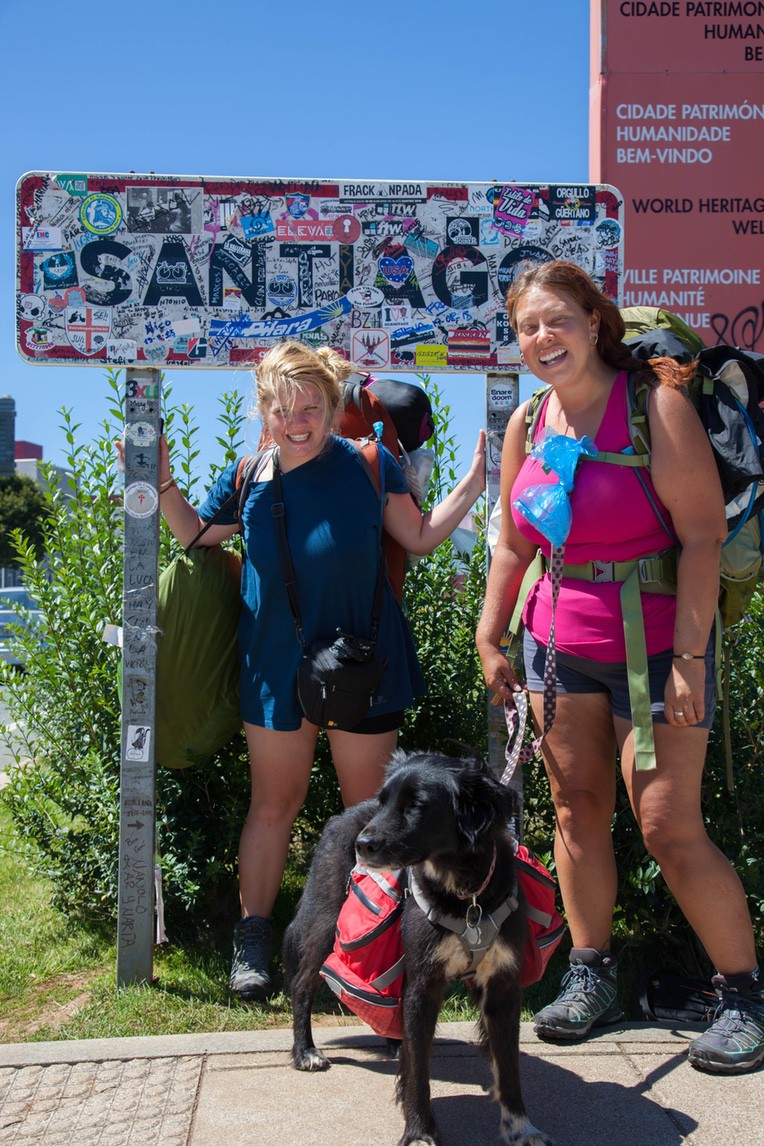
- Visit the final end point of your walk at the Cathedral in Santiago
- Self-guided trip; set your own pace, we look after your accommodation and luggage transfers
- Travel with like-minded people but still within a self-guided framework to give you great flexibility
Itinerary
Leon to Santiago
Week 1
Day 1: ARRIVAL IN LEON
Arrive anytime on this day.
Day 2: FREE DAY IN LEON
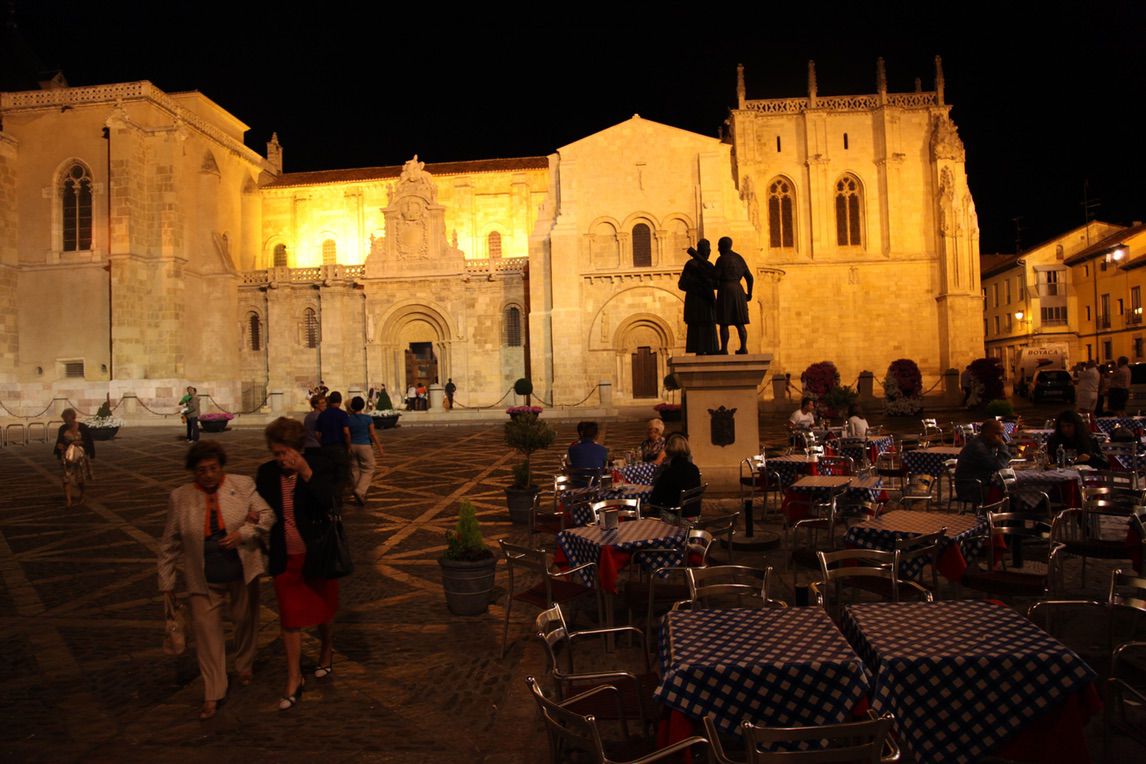
A free day for you in Leon to settle into Spain and to prepare for the journey ahead. You may wish to explore this beautiful city and its incredible Gothic Cathedral which is renowned for its marvellous stained-glass windows. The streets of Leon come alive in the evenings when people parade the streets and its bodegas are overflowing with people.
Meals: B
Day 3: TRANSFER TO HOSPITAL DE ORBIGO & WALK TO ASTORGA (17KM)
To avoid the built-up areas and clear the city limits we transfer you to Hospital de Orbigo to start your walk. Many pilgrims chose to do this as it can take some time to clear the city limits of Leon. From Hospital de Orbigo you have a relatively flat walk through towns such as Santibanez de Valdeiglesias and San Justo de la Vega on route to your destination of Astorga.
Meals: B
Day 4: WALK ASTORGA TO RABANAL DEL CAMINO (21KM)
Leaving behind Astorga you will be walking on pleasant paths across plains and with good views of the hills before you. This next section of the Camino de Santiago journeys through to Ponferrada and passes through the area known as La Margateria and then enters the Bierzo region with its mines and bordering Galicia. The La Margateria area has very few villages and we recommend you always carry enough food and water for emergencies. Make sure you carry warm clothing even in the height of summer with you as you will be walking into high mountains.
The path runs parallel to the road to Murias de Rechivaldo then to Santa Catalina de Somoza. Soon after the path begins to climb again up to El Ganso which sits 1020m above sea level.
The Camino continues through El Ganso, down a track and runs parallel to the road. Here it passes an old oak tree known as El Roble del Peregrino where many a pilgrim have rested in the shade of its canopy. As you walk along the path towards Rabanal del Camino (1155m) you pass the remains of the Roman gold mines of La Fucarona.
Meals: B
Day 5: WALK RABANAL DEL CAMINO TO ACEBO (17KM)
As you leave Rabanal del Camino you’ll start to feel the incline which steepens as you head into the hills towards Foncebadon (the infamous deserted village which is no longer deserted). The incline is always walkable and there are plenty of switchbacks with great views back over the plains behind you.
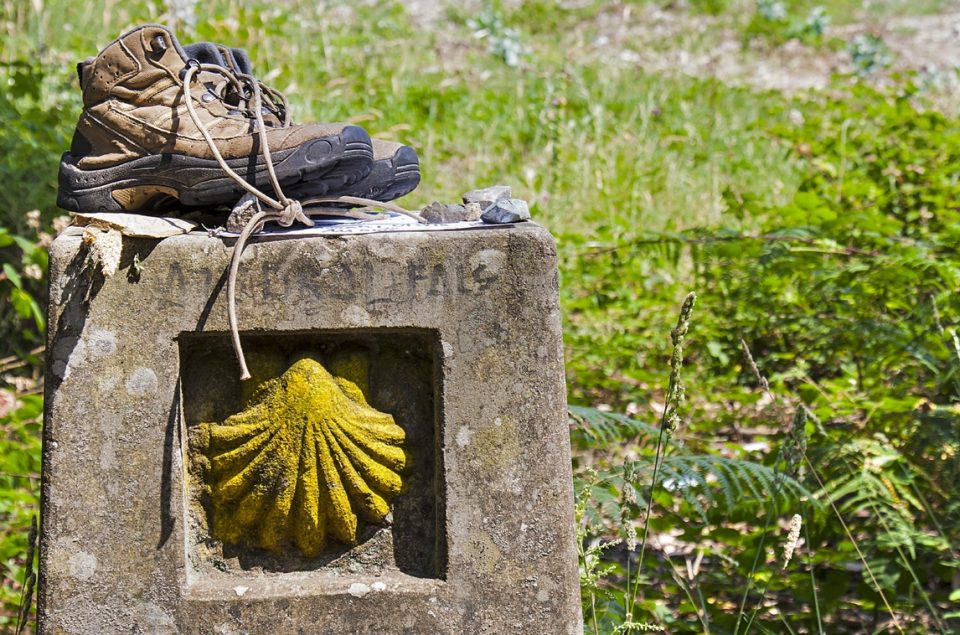
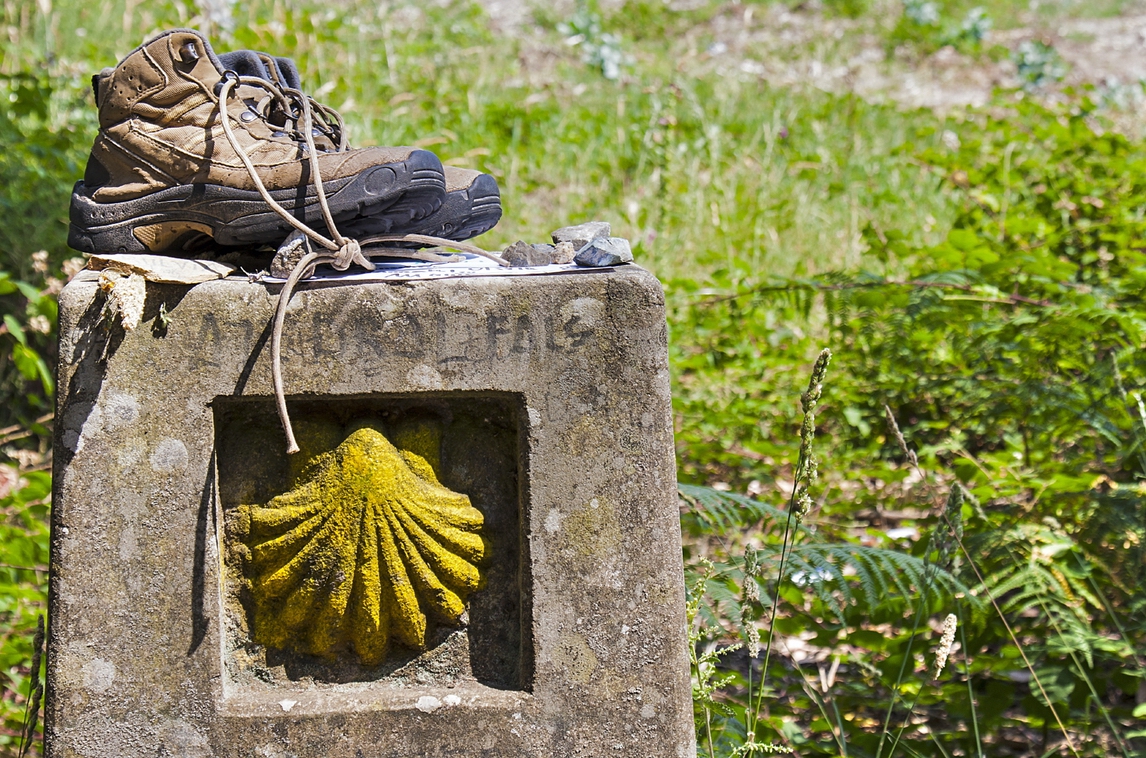
At the top of the hill is the Iron Cross, “Cruz de Ferro”, an ancient monument said to be erected by the Celts where pilgrims leave something, usually a stone or pebble, that represents their burden or a memorial to a loved one. Take your time here to enjoy a true Camino moment.
After passing the high point of the entire Camino at Alto Altar (1515m), a steep descent takes us into Acebo, a quaint one street village with many eating options and surrounded by picturesque hills. The village church here houses a polychrome figure that represents Santiago.
Meals: B
Day 6: WALK ACEBO TO PONFERRADA (14KM)
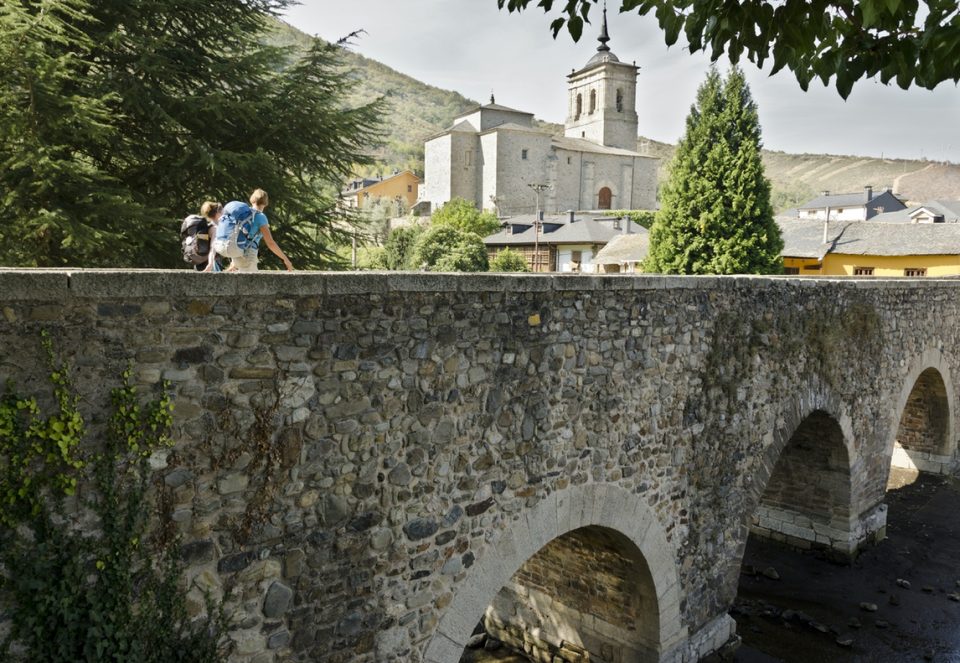
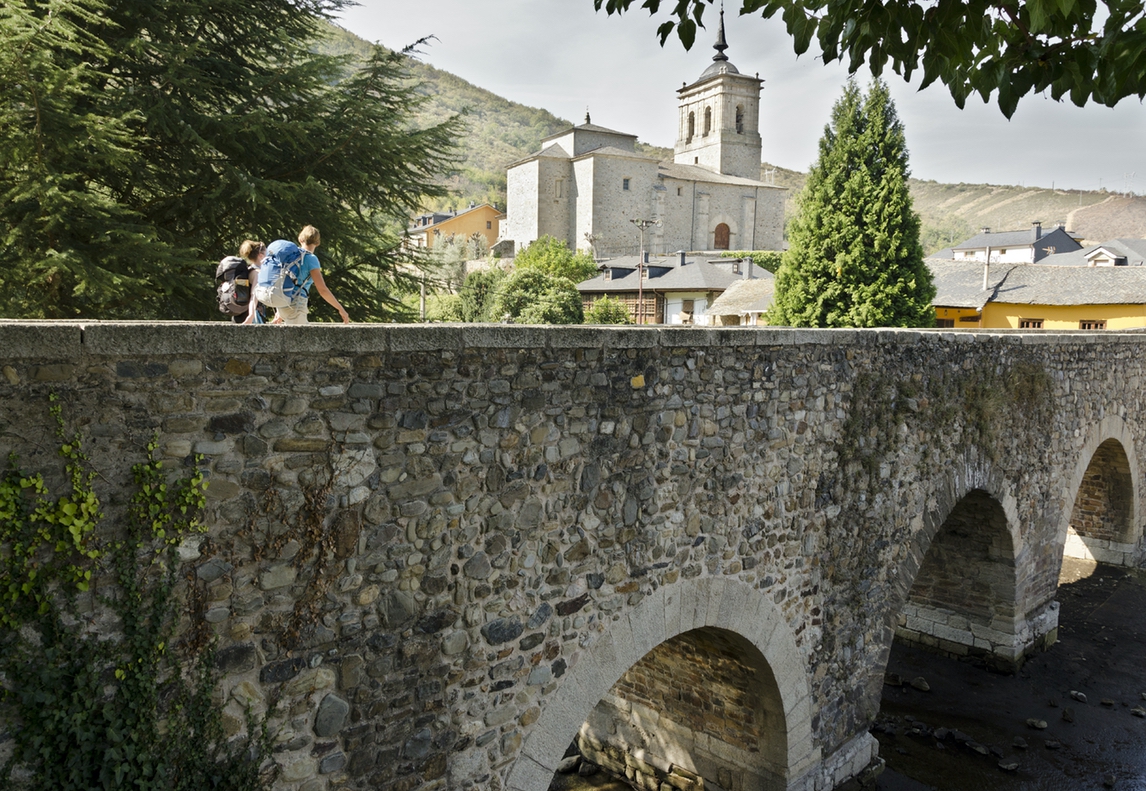
Today is a leisurely day so take your time leaving. Continue downhill to Molinaseca where you can enjoy a long lunch at one of the lovely restaurants overlooking the river as you enter Molinaseca. Stroll around this quintessential Camino town and be sure not to miss the outstanding Romanesque bridge before you continue on to Ponferrada.
Ponferrada is famous for its pristine Knight Templar castle. Straight out of a Disney movie, this castle is open till 9pm and is worth taking your time to explore.
Meals: B
Day 7: WALK PONFERRADA TO VILLAFRANCA DEL BIERZO (25KM)
Today is a relatively flat day’s walk to give your knees some respite from the hills! Enjoy a quick coffee in the plaza to admire the hills from the previous day before continuing your walk through gentle rolling hills and vineyards before reaching the charming town of Villafranca del Bierzo, which is nestled in the hills that mark the border into Galicia.
Both Molinaseca or Villafranca del Bierzo are great places to consider an additional rest day.
Meals: B
Week 2
Day 8: WALK VILLAFRANCA DEL BIERZO TO HERRERIAS (21KM)
Although there are some very strenuous alternatives for the super fit and adventurous, our route today is a mixture of roadside walking to begin with but then giving away to some lovely village to village walking through the mountains. It’s a very gentle incline with easy walking to prepare you for tomorrow’s climb to O’Cebreiro.
The latter stages of the walk today offer some of the most stunning views of the Camino through the Valcarce valley. The night is spent in the lovely hamlet of Herrerias at the foot of the mountain.
Meals: B
Day 9: WALK HERRERIAS TO O CEBREIRO (9KM)
The Camino from this point onwards climbs through the mountains starting gently but progressively getting steeper until you reach the atmospheric hilltop hamlet of O Cebreiro. From Herrerias you drop into the valley taking a quieter road and then ascend through deep woodland to the village of La Faba. The path continues through the village to Laguna de Castilla and onto the delightful hilltop hamlet of O’Cebreiro.
Meals: B
Day 10: WALK O CEBREIRO TO TRIACASTELA (21KM)
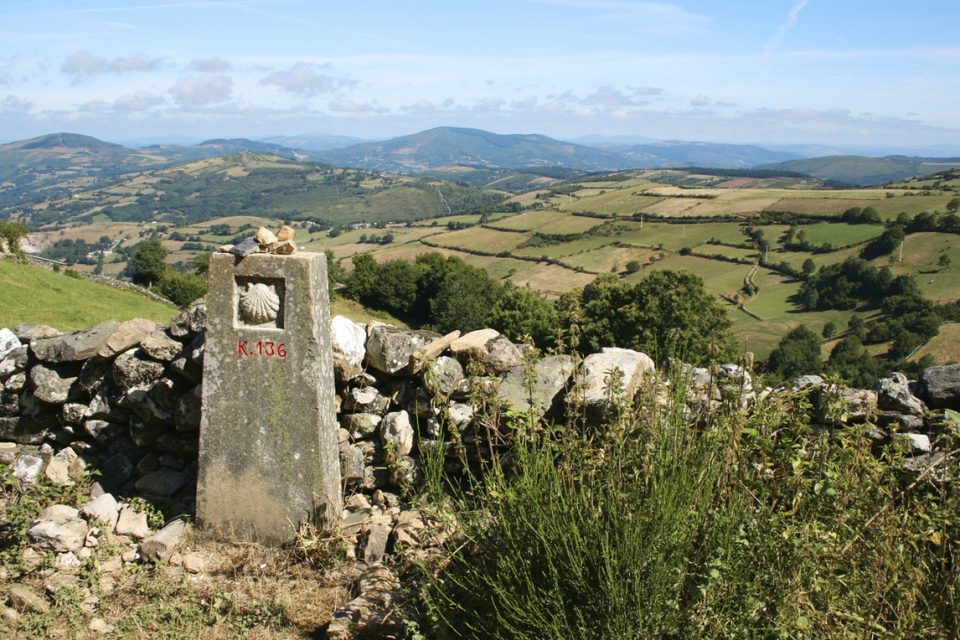
From O Cebreiro you start out on the main road or a rough track next to the road. Climb steeply for a kilometre to the Alto de San Roque, where on a clear day you will get wonderful views across the mountains and into Galicia. The path continues to climb to the small village of Hospital da Condesa, then a lane and track take you on to the small town of Padornelo. Once through the village the track begins to climb steeply towards the Alto do Poio some 3km away and on a track parallel to the road and into the village of Fonfría. From here it is downhill all the way to the town of Triacastela.
Meals: B
Day 11: WALK TRIACASTELA TO SARRIA (19KM)
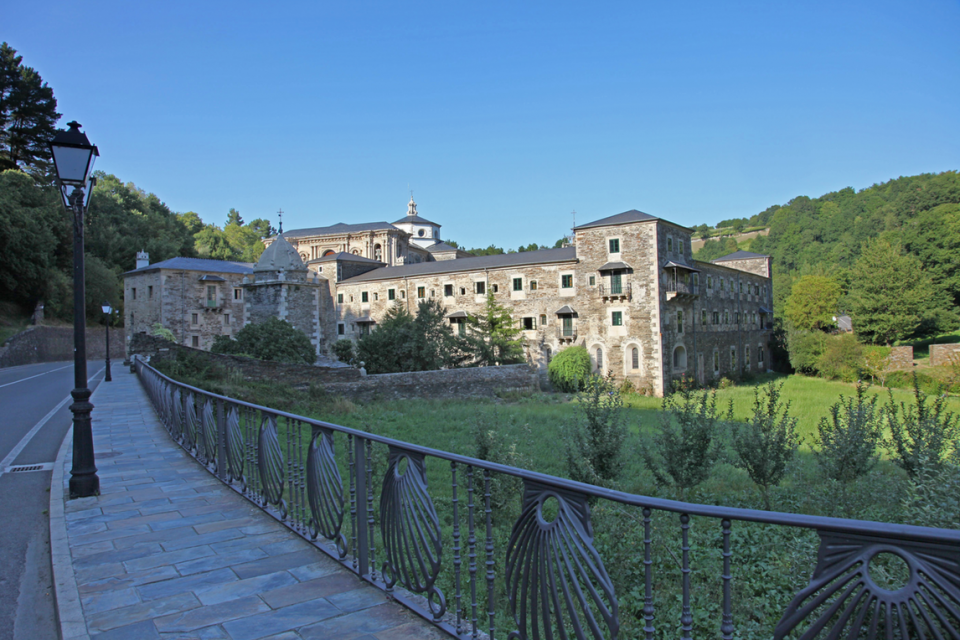
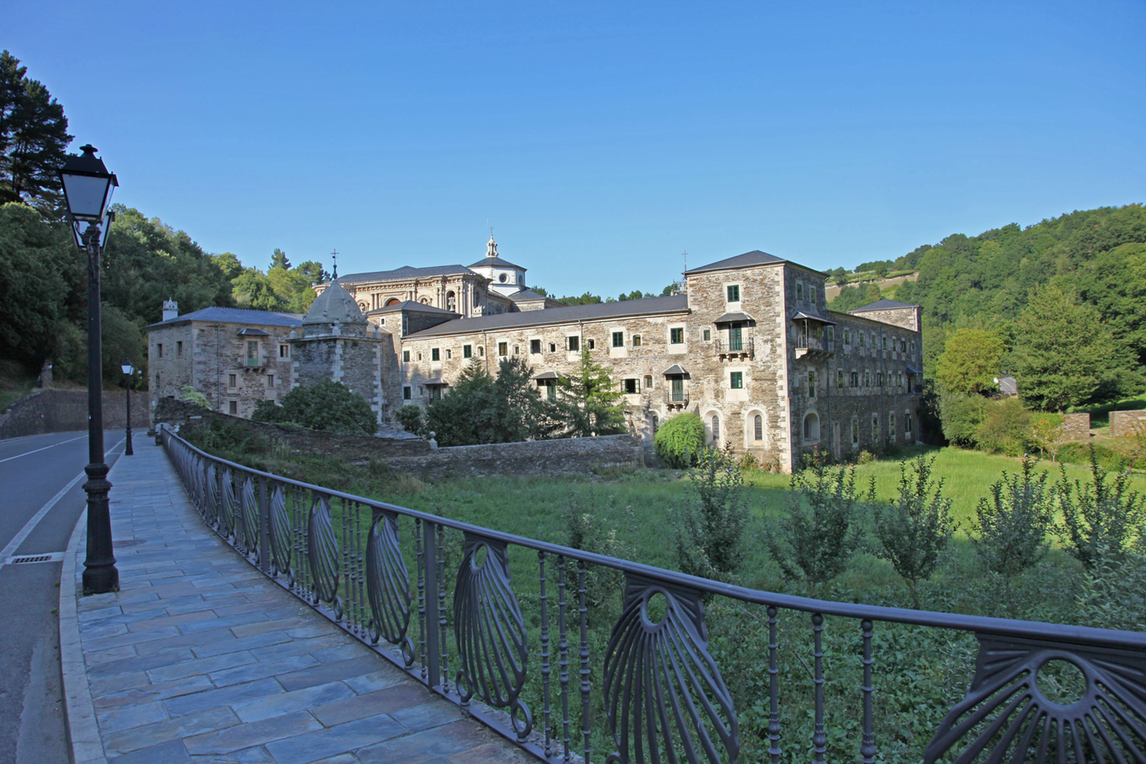
As you leave Triacastela you arrive at a T-junction where you are given a choice of two routes towards Sarria. The left-hand route takes you to past the impressive monastery of Benedictine Monasterio de San Julián de Samos in Samos about 11km away; the right-hand route guides you through a more rural path towards San Xil before meeting the Samos route a few kilometres before Sarria. Both routes are clearly marked.
Sarria has been inhabited for many thousands of years both by the Celts and the Romans but the town was founded at the end of the 12th century by Alfonso IX, the last king of León who named the village Vilanova de Sarria.
Meals: B
Day 12: REST DAY IN SARRIA
Sarria is a busy, modern town with plenty of shops, hotels, restaurants and bars, but its origins are Celtic and it was an important and major medieval centre for pilgrims. Remnants of its ancient past can still be seen in the old quarter along Rua Major. The church of Igrexia de Santa Maria has an ancient pilgrim’s mural. If you follow the Camino route to the top end of town you will see the ancient convent Monasterio da Madalena, the ruins of the Castle and the medieval bridge Ponte Aspera that crosses the River Celerio. Nowadays the town is bustling with peregrinos, from those who started their Camino hundreds of kilometres back, to the large number who walk the final 100km to Santiago de Compostela to qualify for their Compostela.
Meals: B
Day 13: WALK SARRIA TO PORTOMARIN (22KM)
The majority of the this walk is on sheltered woodland pathways or quiet country roads and passes through many hamlets and small villages. The scenery along the way is wonderfully green and lush and very rural. The trail climbs and falls repeatedly as it passes tiny hamlets full of history. In the final section is the high point of the day (660m) at Pina dos Corvos which has wonderful views over the reservoir and surrounding countryside. From here begin your steep descent, crossing the Mino Reservoir over its modern bridge into Portomarin.
Portomarin has been inhabited for thousands of years and its importance grew with the popularity of the Camino in the middle ages. At one time it had three orders of Knights: the Knights Templar, the Knights of St John and the Knights of Jerusalem, which may go some way to explaining the castle-like edifice of the 12th-century Romanesque Igelsia San Nicolas church which still stands in the square at the centre of town.
The town was previously divided by the Rio Mino but was flooded in 1960 to create the Mino Reservoir. Every historic monument was moved brick by brick to the town that stands on the hill today; you can see pictures of the old town in some of the bars and cafes that line the main street.
Meals: B
Day 14: WALK PORTOMARIN TO PALAS DE REI (25KM)
Today’s walk is uphill for 15km; however, the gradient is never too steep and you gradually climb to a height of 720m. The path crosses and runs parallel to the main road to Gonzar, though you spend most of your days walking on woodland tracks and quiet roads. From Sierra Ligonde, today’s high point at 720m, the walk is now downhill to Ligonde and Eirexe and onto A Calzada. There is a detour here of 2 km to the National Monument, Vilar de Donas where the Knights of Santiago are buried and is worthy of a visit if you have time. A gentle climb now takes you through several small hamlets to Alto Rosario, a good vantage point on a clear day and then down into Palas de Rei.
Palas de Rei or Palace of the King has little to remind you that it was once home to a king. Today it is a small country town with plenty of services available.
Meals: B
Week 3
Day 15: WALK PALAS DE REI TO MELIDE (15KM)
Today’s walk is mostly on paths through quiet woodland, crossing over the main road to Arzua several times and guiding you through six river valleys to reach a high point of 515m at Coto. Melide is a busy town founded in the 13th century and has many historic buildings and churches including the Capilla de San Pedro and San Roque next to which stands a 14th century stone cross said to be the oldest in Galicia. The museum and the buildings around the Plaza de Convento are well worth a visit. Melide is also famous for Pulpo Gallego, octopus cooked Galician style and reputed to be the best in Spain.
Day 16: WALK MELIDE TO ARZUA (14KM)
Much of the path after Melide winds through woodlands of oak, pine and eucalypt, passing over several valleys through Boente, Castañeda and then Ribadiso from where you can see the Hospital San Anton, one of the oldest pilgrim hospitals in existence. From Ribadiso follow the country road on a steep uphill climb and through the outer suburbs before entering Arzua.
Arzua with a population of around 7000 is the last large town before you reach Santiago. The 14th century Capilla de la Magdelena is the town’s main monument. Arzua is most famous for its local cheese, Queixo, a smooth creamy cheese made from cow’s milk which most restaurants feature in some way and is definitely worth trying. The town also celebrates its cheese with a Queixo Cheese festival every March.
Meals: B
Day 17: WALK ARZUA TO O PEDROUZO (21KM)
The majority of today’s walk to O Pedrouzo is through wonderful pine and eucalyptus-scented woodland. The path is mostly level, passing through three shallow river valleys with a gradual climb up to Alto de Santa Irene at 404m. The country lanes and woodland paths pass through many small hamlets. The final section climbs steeply to a main road, into eucalyptus woodland and onto A Rua and the village to O Pedrouzo. O Pedrouzo /Arco do Pino is a small but busy town with plenty of shops, restaurants and bars and the staging point for the last section of the Camino before entering Santiago de Compostela.
Meals: B
DAY 18: WALK O PEDROUZO TO SANTIAGO (20KM)
Today’s route will be a busy as pilgrims begin the last stage of their walk into Santiago. The pilgrims mass at Santiago Cathedral begins at midday so you will need to leave early to arrive on time. The first section of today’s route passes through eucalypt forests with most of the route on quiet roads and pathways before the final kilometres and a climb to Mount Gozo before descending into the suburbs of Santiago. The path runs alongside the airport and you will see many crosses of twigs and branches used by pilgrims to decorate the fence.
Lavacolla village is where pilgrims traditionally washed to purify themselves before entering Santiago and Lavacolla literally means to wash your tail. At Monte Gozo, Mount of Joy, you will first sight the stunning Catedral de Santiago spires.
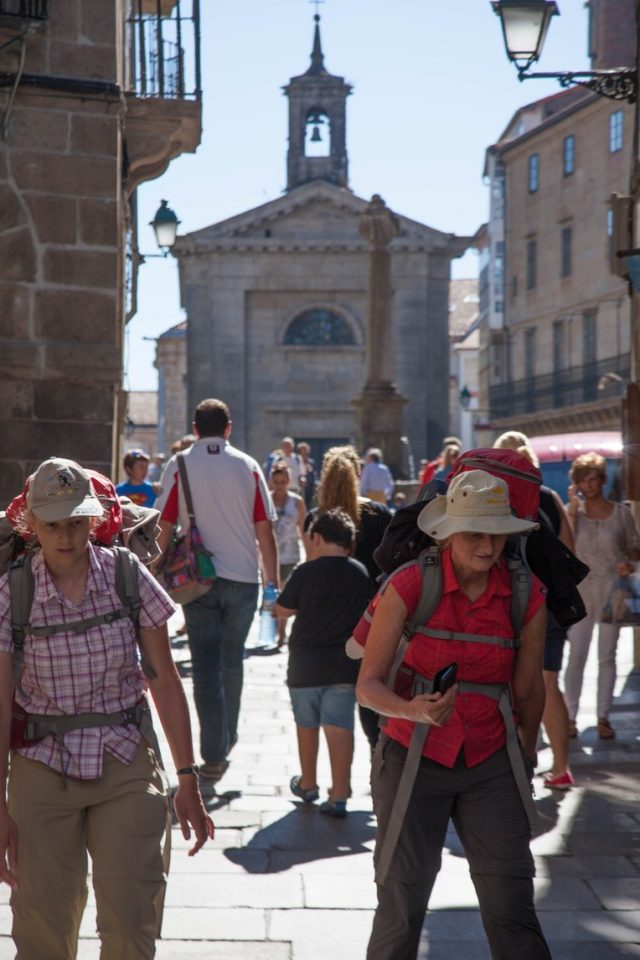
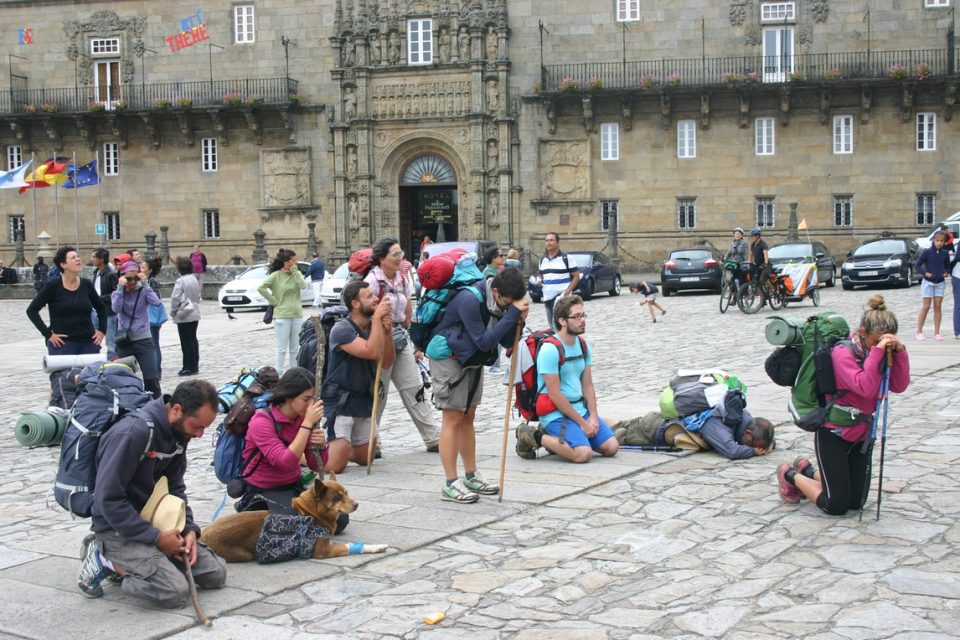
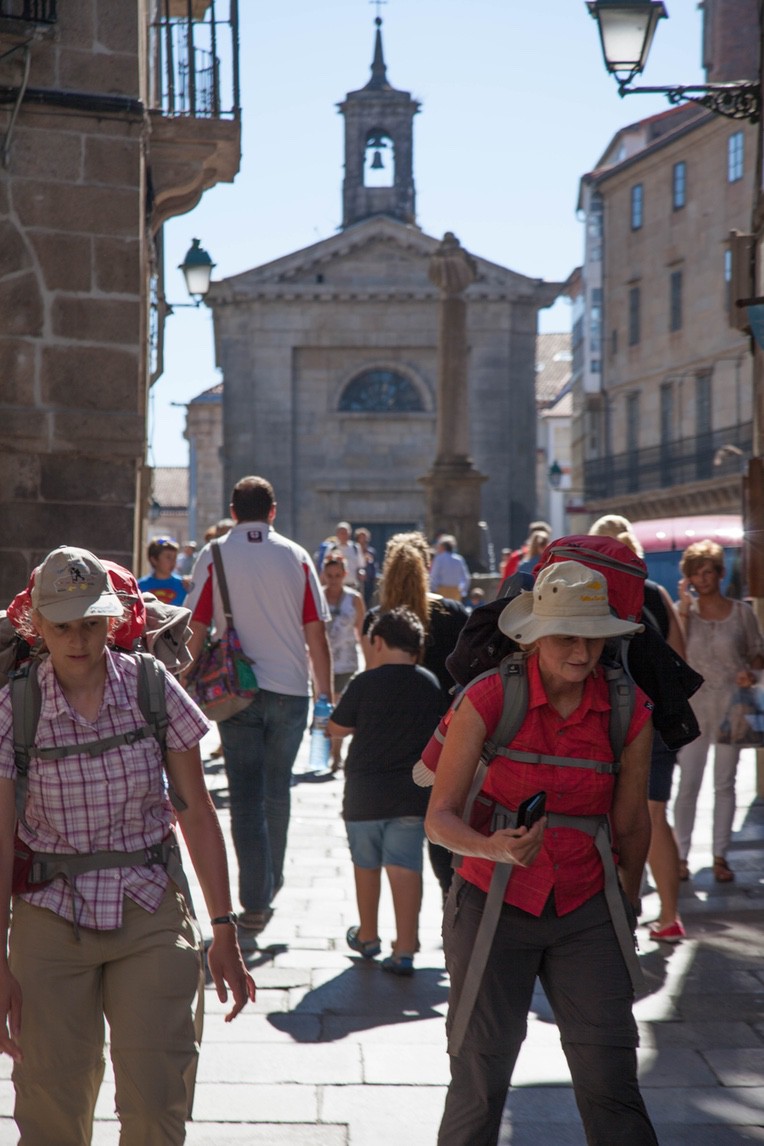
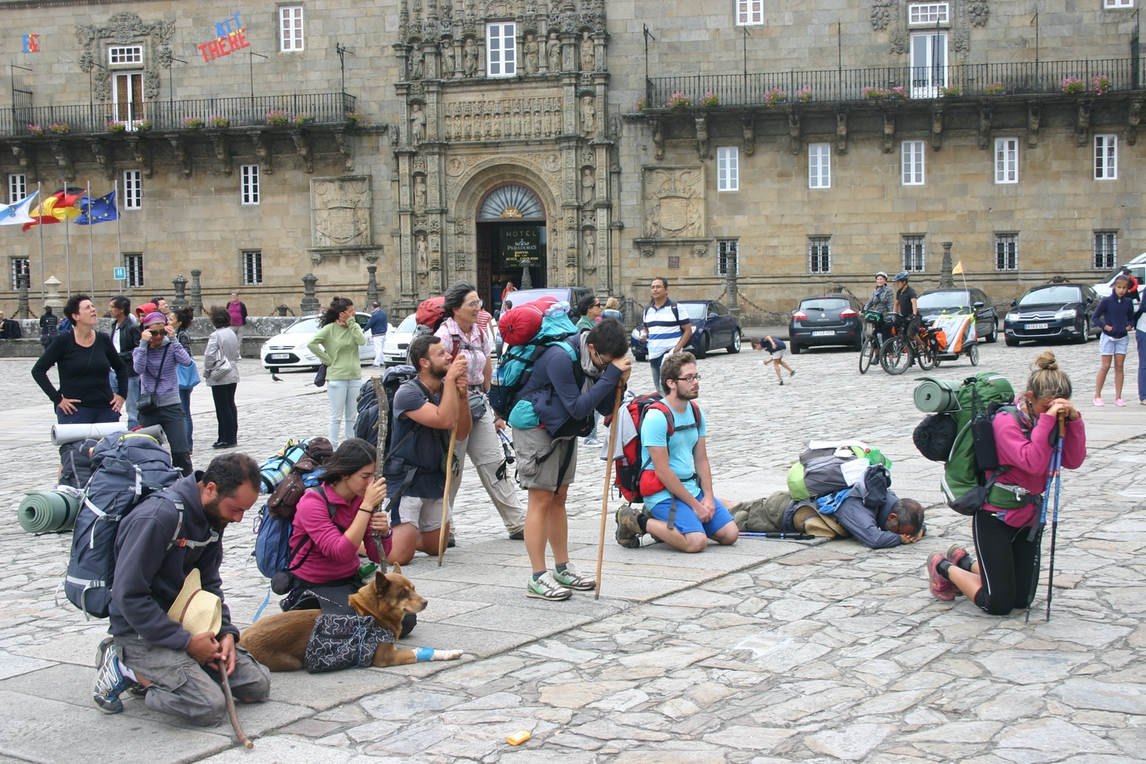
The final section is well signposted into the old quarter with its wonderful historical buildings and narrow shop-filled alleyways until you finally reach the Praza Obradoiro and the wonderful ancient Cathedral.
Meals: B
Day 19: FREE DAY IN SANTIAGO
Today you have the whole day to enjoy and explore historic Santiago with its many enticing tapas bars and restaurants. You can attend the midday pilgrims’ mass and look around the famous Cathedral of St James, the city’s heart, and watch the steady stream of pilgrims arriving into the square as they finish their epic journey.
Meals: B
Day 20: DEPART SANTIAGO
You are free to check out of your hotel any time before 10am. If you would like to explore Santiago further you are able to leave your bags with reception.
Meals: B
Carbon footprint & our regenerative actions
16kg of CO2-e per person per day
We pay for a monthly offset to cover the estimated emissions of our walkers for all trips with RAW Travel, which goes into local reforestation or biodiversity restoration. Explore the practical actions behind these estimated carbon offsets for your trip here, following a philosophy of ‘re-wilding the planet’ with native tree planting & Ocean plastic cleans ups.
A reasonable estimate for a pilgrim is 16 kg of CO2-e per person per day, primarily due to hotels, meals and emissions from luggage transfers. The act of walking itself is a form of sustainable travel, so the carbon footprint calculated here is a measure of the ancillary activities surrounding the walk, not the walking itself. The figures are estimates, not precise measurements for each route/trip, as it’s difficult to provide an exact number without detailed data on specific hotels, menus, and transfer routes which vary from person to person. This figure represents the operational footprint of the hike and its included services only. It does not include the flights and other transport needed to get to the start and finish of the walk.
An individual can significantly influence their footprint with the varied choices they make around food and drink at each meal. For instance, a diet rich in meat, imported goods and alcohol, will have a much higher impact than one focused on local, seasonal, and plant-based options. This daily stated figure is an average across the 41 days of the pilgrimage, derived from the key consumption components listed below.
Carbon Footprint Breakdown
|
Component |
Daily Estimate (kg CO2 e per person) |
Notes on Itinerary Impact |
|
Accommodation |
8 kg |
Accounts for 19 nights in private rooms within hotels and more modest guesthouses/B&Bs in rural areas. |
|
Food (B + Self-Paid L/D) |
7 kg |
The itinerary includes a daily breakfast; lunch and dinner are self-paid. |
|
Shared Transfers & Local Transport |
1 kg |
Covers your share of the daily, efficient shared luggage transfers between all stops. |
|
Overhead & Miscellaneous |
This is calculated & accounted for separately and includes emissions from waste, administrative operations, and general energy/water usage for our offices, administrative operations. |
|
|
Total Estimated Daily Footprint |
16 kg |
(Sum of the above) |
Inclusions
What you get
Included
- 19 nights excellent accommodation including historic hotels, charming country houses
- 1 night in Parador – Villafranca del Bierzo
- Private en-suite rooms on a twin share basis
- Daily breakfast
- 1 x dinner at a casa rurale (location to be advised)
- Luggage transfer each day from hotel to hotel (1 x 15kg bag per person)
- Full Camino guidebook with maps
- Pilgrim’s passport per person
- Spanish phrasebook
- Document case
- Daily luggage tags
- Maps of your hotel locations
- Local and Australian emergency contact numbers
- Pre-trip Camino guidance and planning
- Dedicated local support person in Spain for reassurance
Excluded
- Single supplement
- Travel insurance
- Flights to/from Spain
Added Extras
For an extra indulgence, upgrade your hotel in Santiago to a Parador from only $140 per person/per night twin share (subject to availability).
Exclusive Guide
get inspired
Discover inspiration, travel essentials, practical information and more in our free Destination Guide. All you need to know about walking the Camino de Santiago routes through Spain, Portugal and France!
Walking the Camino is an incredible journey that will immerse you not only in Europe’s grand history, food and culture but most importantly the extraordinary camaraderie that exists along these routes. The spirit of the Camino de Santiago is alive and well among people from all over the world. It is a ‘bucket list’ experience you will never forget!
Camino de Santiago
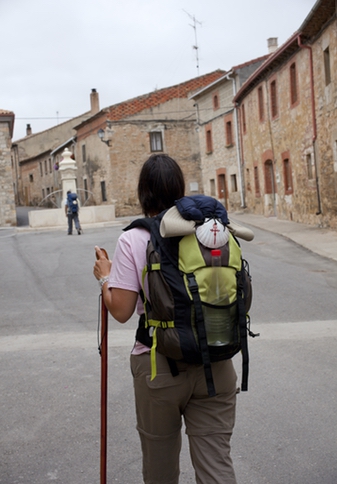
The Camino Stage 5. Sarria to Santiago: Womens Parador Trip
- Walk the final 100km of Spain’s iconic Camino trail
- Qualify for your Compostela
- Finish in Santiago and visit the final end point of your walk at the Cathedral
- Stay in opulent Parador hotels
$3,095.00
Camino de Santiago
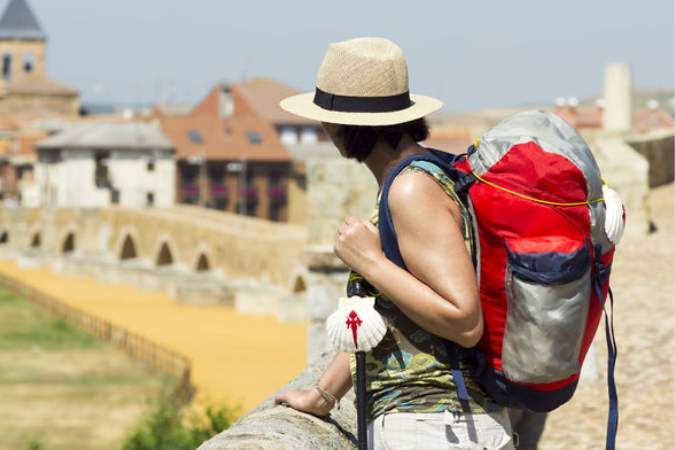
The Full Camino: Women’s and Group Trips
- Follow in the footsteps of millions of pilgrims
- Walk the full 800km of the French Camino Trail
- Enjoy 1,000 years of history on the world’s greatest historical trail
- Explore Pamplona – former centre of a fiercely independent kingdom
$7,750.00
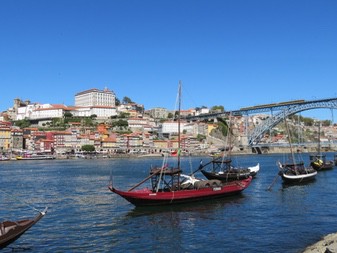
Portuguese Coastal Camino
Porto to Santiago – Portuguese Coastal Camino
- Savour the slower pace of this much quieter Camino
- Memorable encounters with friendly locals along the way
- Rest or explore with a free day in vibrant Porto
- Make an optional visit to Tui or a day trip to the Cies Islands
$3,895.00
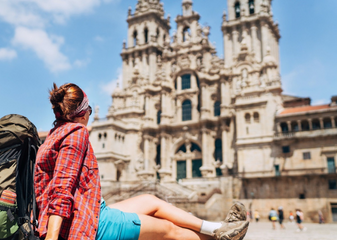
Camino de Santiago
Madrid to Santiago – Camino
- Begin your journey in the exciting city of Madrid
- Free time to explore Spain’s exciting capital
- Walk the final 100km of the Camino Trail; qualify for your Compostela
- Finish in the historic city Santiago; visit the final end point at the Cathedral
$2,750.00
Yoga, Meditation and Hiking
Portuguese Coastal Camino – Yoga & Hiking
- Beautiful coastal scenery on ‘the Friendly Camino’
- Experience solitude, mindfulness and reflection on the ‘Camino less travelled’
- 2 nights in magnificent Paradors (Baiona and Pontevedra)
- Fishing villages, beach walks and excellent seafood and wine on the wild Atlantic coast
$2,690.00
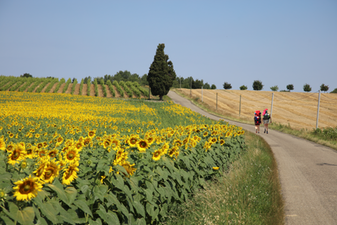
Le Puy Camino (France)
The Full Le Puy Camino: Womens Trip
- One of the best-loved walks in France
- Ideal for single female travellers who prefer company on their walk
- A full immersion into French history, food and hospitality
- Historic towns, medieval abbeys, pilgrim churches and impressive cathedrals
$7,695.00
TRIP date selection
when would you like to travel?
Please select your preferred dates for on-demand trips or select a scheduled date for group departures. If you have booked a self-guided trip please understand that because your trip date is on demand and we must check availability of all properties on your chosen dates before it can be fully confirmed