
length
14 Days
difficulty
Moderate - Challenging
trip cost
FROM $4990 pp
Nature Immersion
Cultural Interest
Overview
St Olav's Way, Norway - Dovre to Trondheim
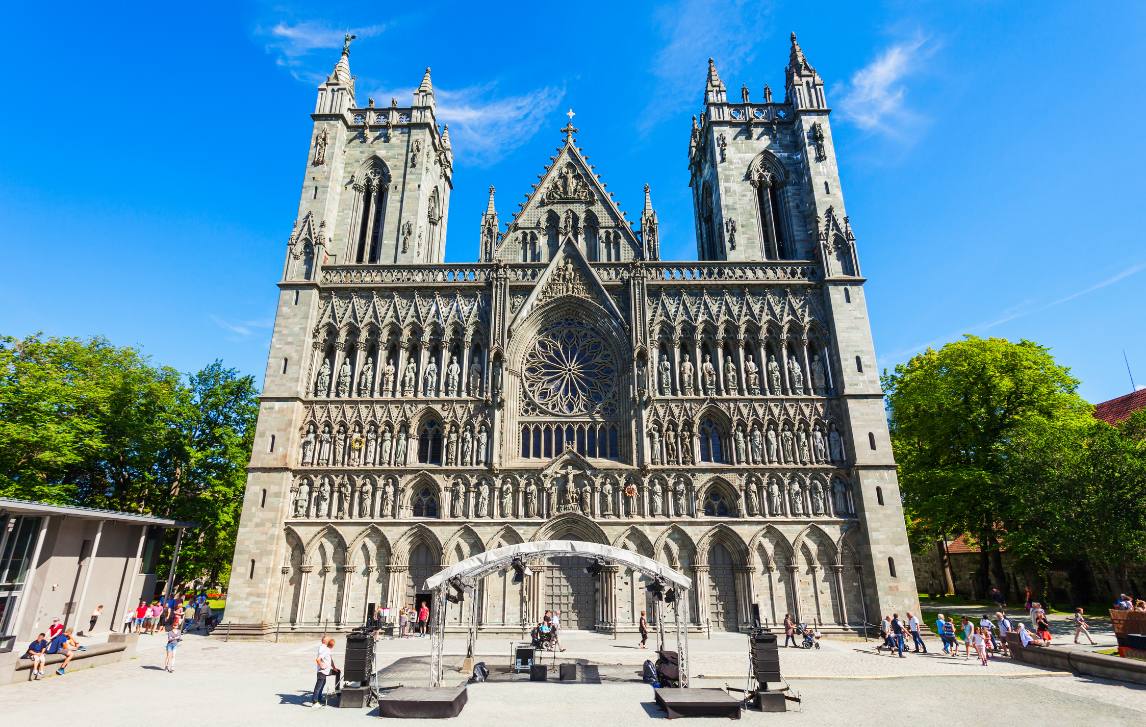
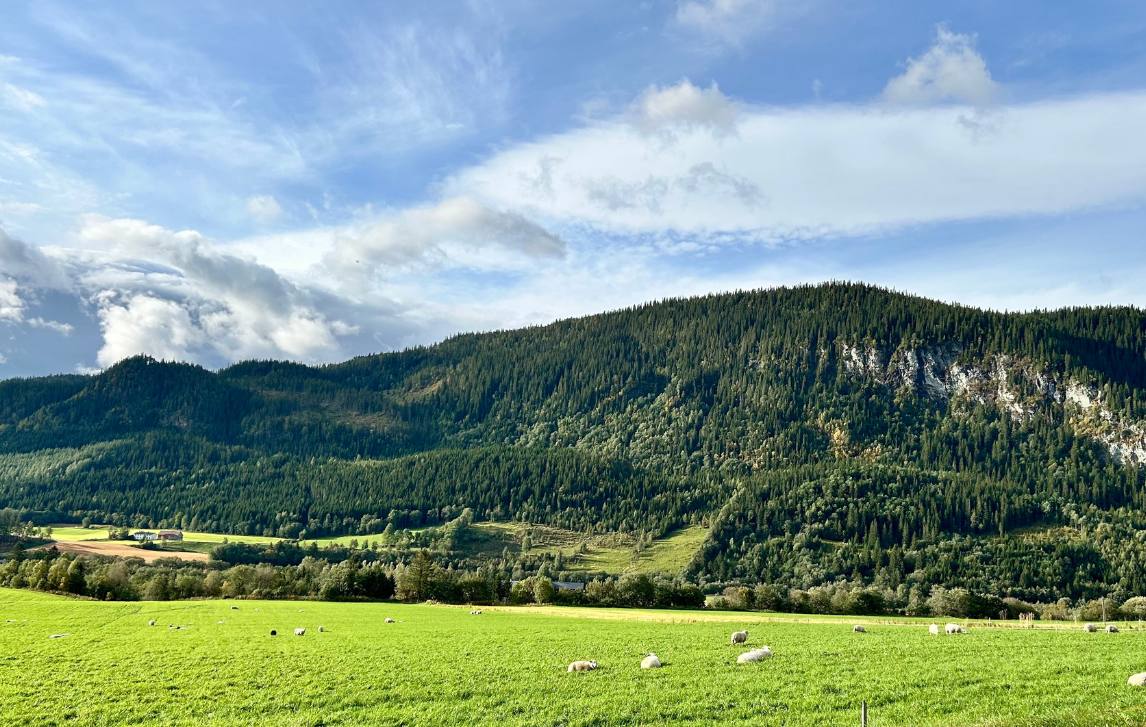
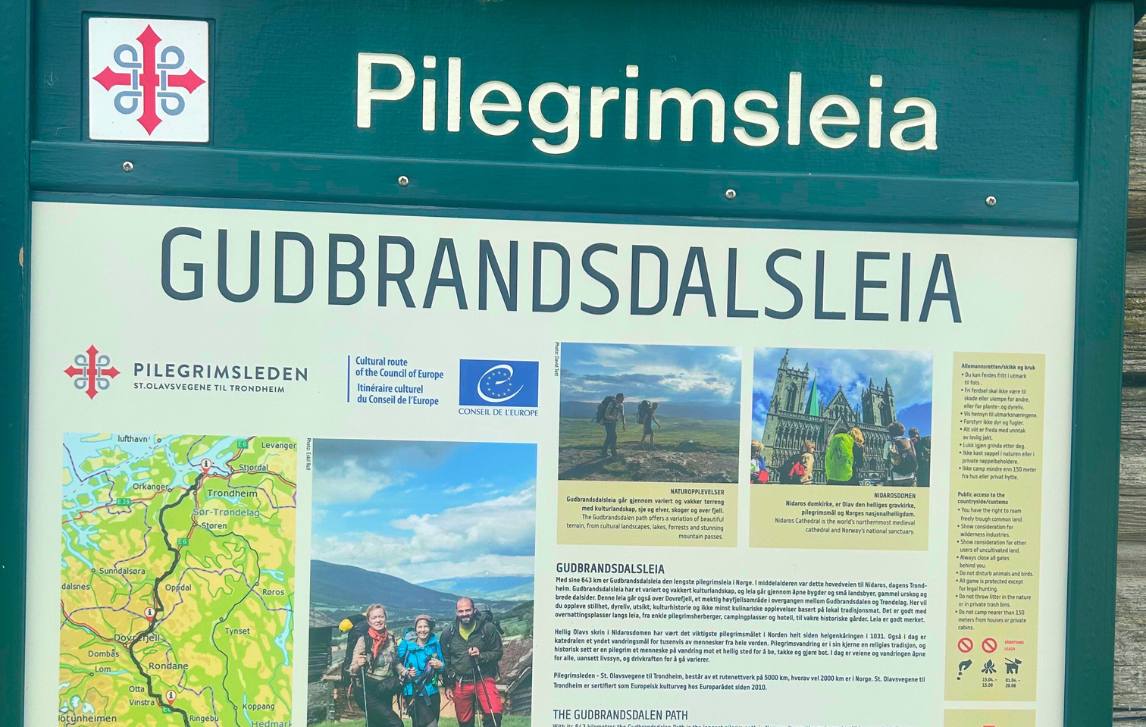
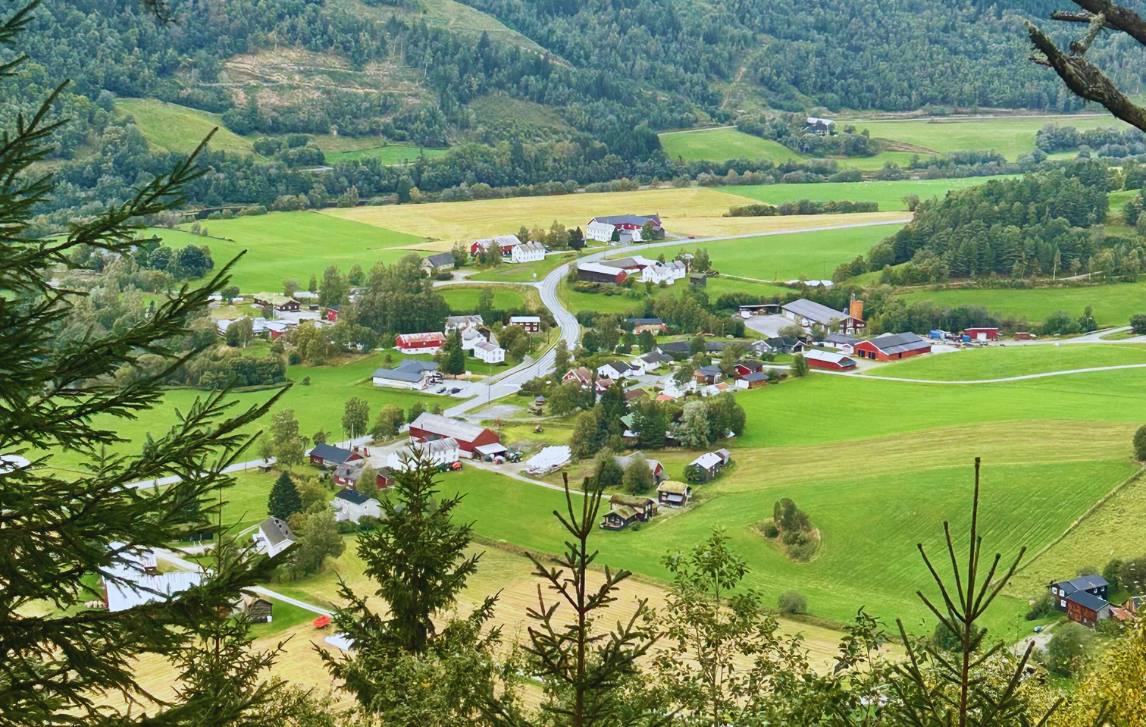
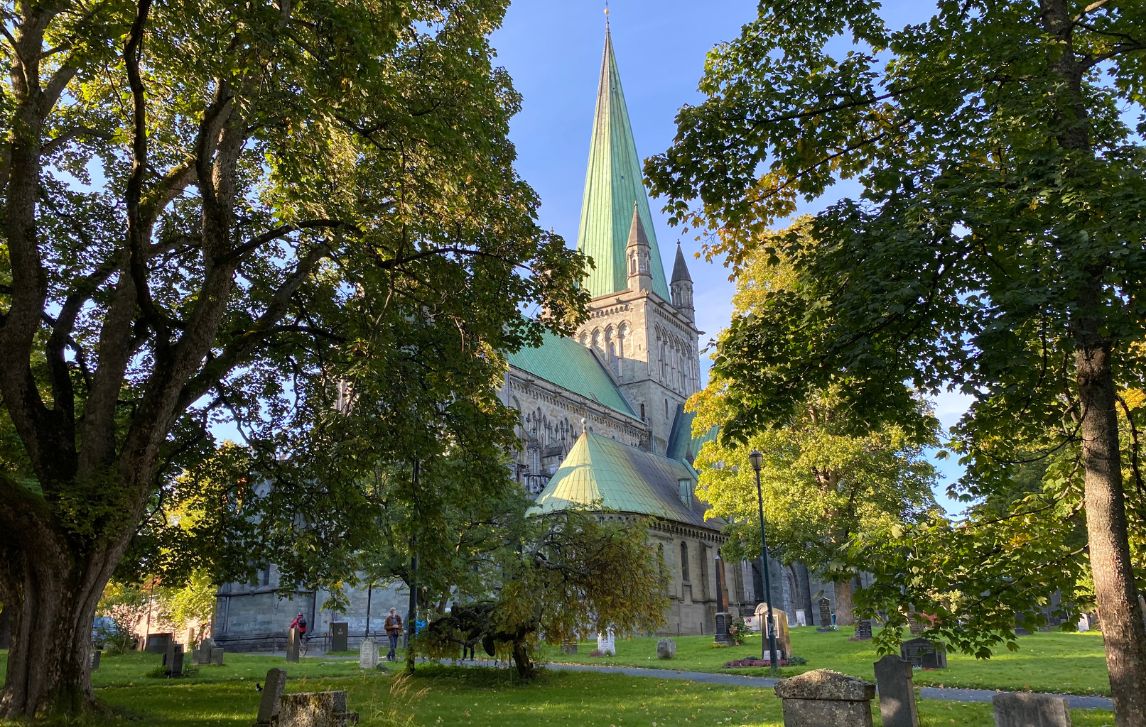
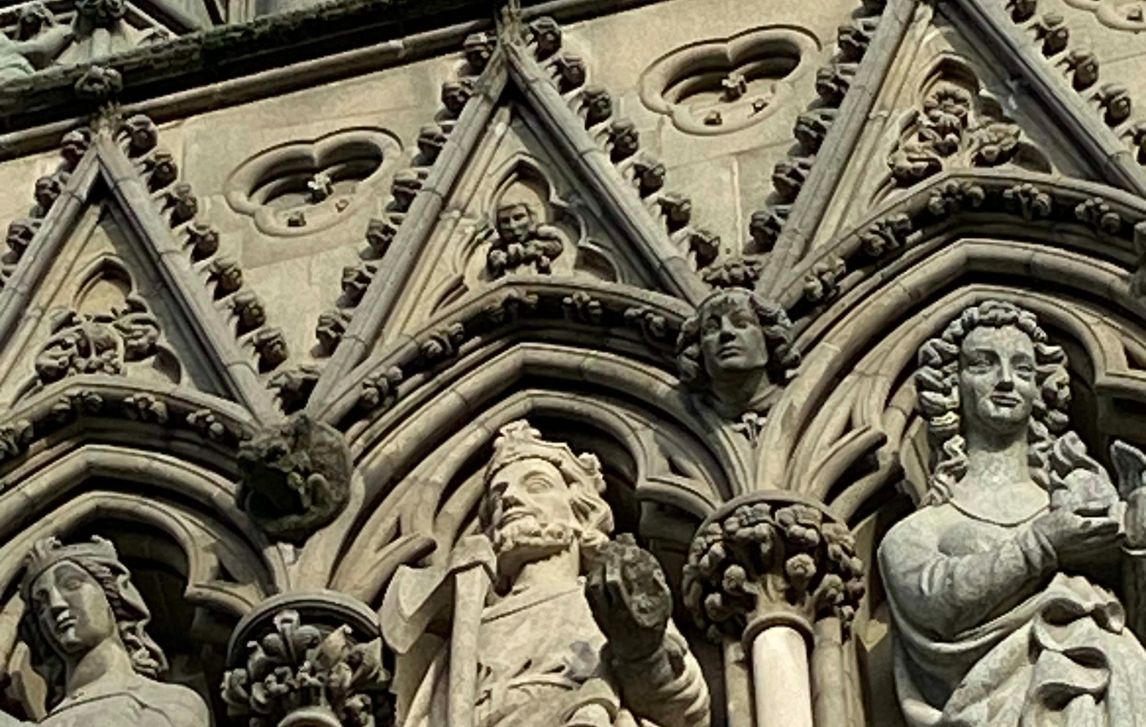
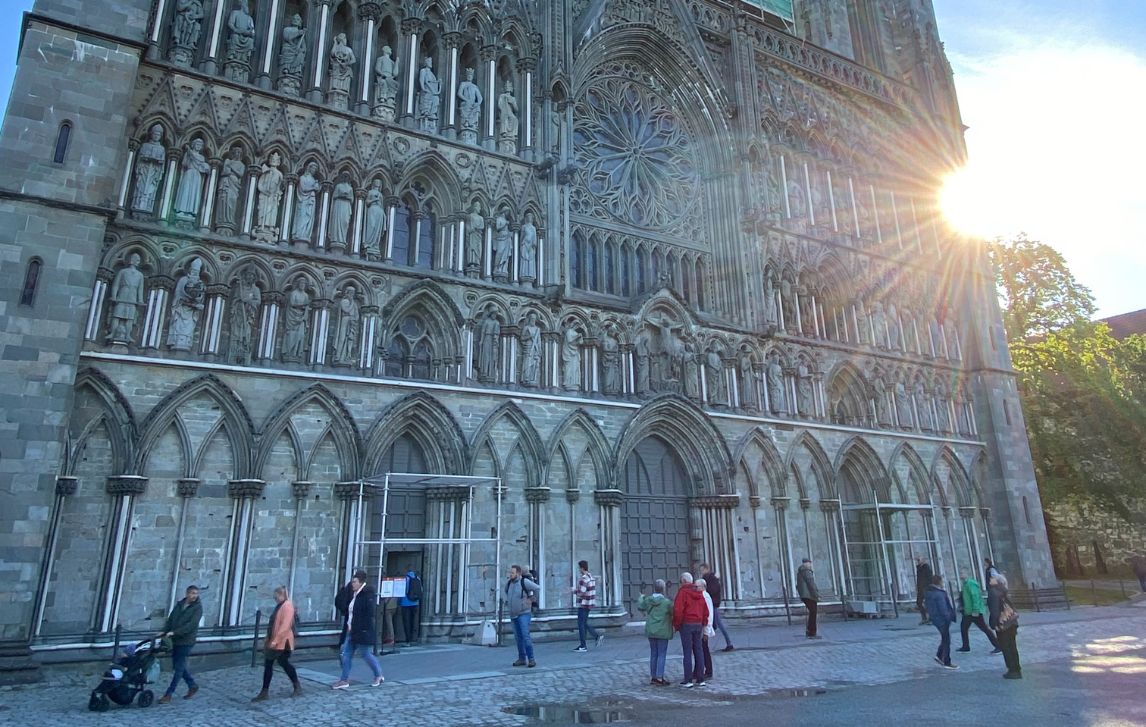
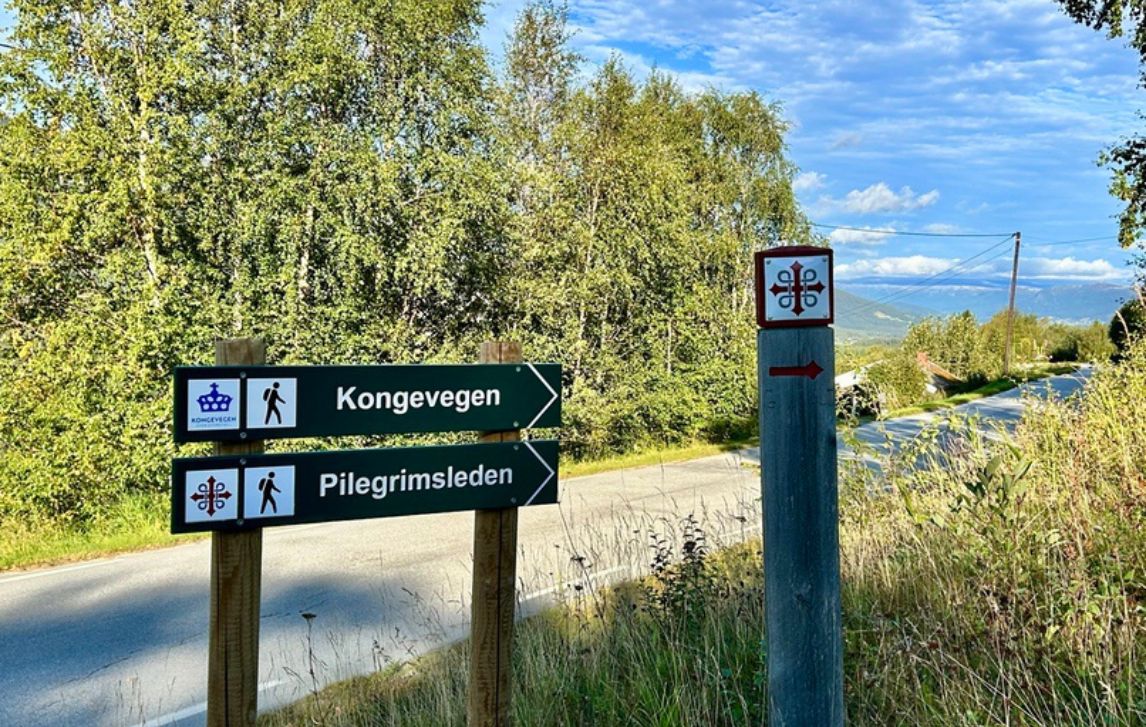
Step back 1000 years into the stunning Norwegian wilderness on this 200km stretch of St Olav’s Way from Dovre to Trondheim. This pilgrimage through some of Norway’s most dramatic landscapes leads you to the resting place of Saint Olav, an 11th century Viking king who turned to christianity and was ultimately declared a saint. Also known as the Gudbrandsdalsleden (Good-brahns-dahls-layden), this walk crosses the rugged Dovre section. The vast plateaus, alpine passes and chance to spot wild musk oxen make for a true adventure. The trail winds north through peaceful valleys, forested hills, and traditional farming country, passing historic mountain lodges, ancient churches and medieval pilgrim sites. Each step brings you closer to the heart of Norway’s Viking and pilgrimage history, culminating at the majestic Nidaros Cathedral in Trondheim, the resting place of St Olav.





Highlights
get ready for
- Set your own pace on this self-guided walking trip, following in the footsteps of medieval pilgrims
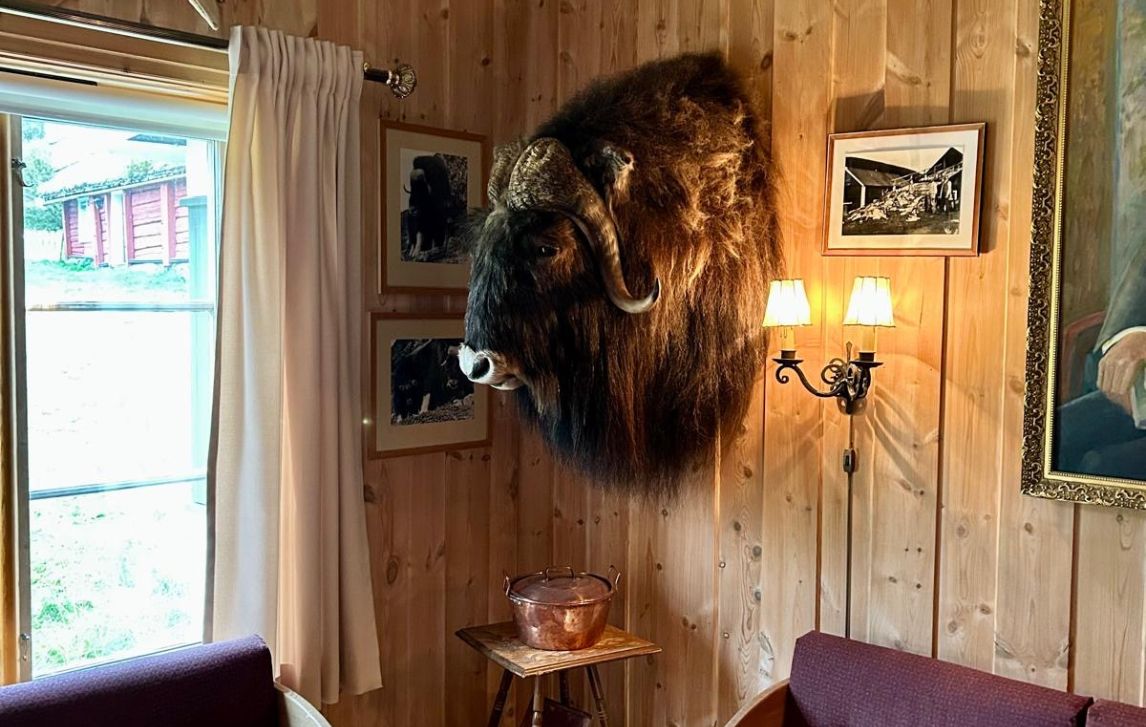
- Cross the wild alpine Dovre Plateau and look out for local wildlife including reindeer
- Explore 1000 years of history through ancient churches and traditional communities
- Soak up the wild beauty of Nordic landscapes once roamed by Vikings
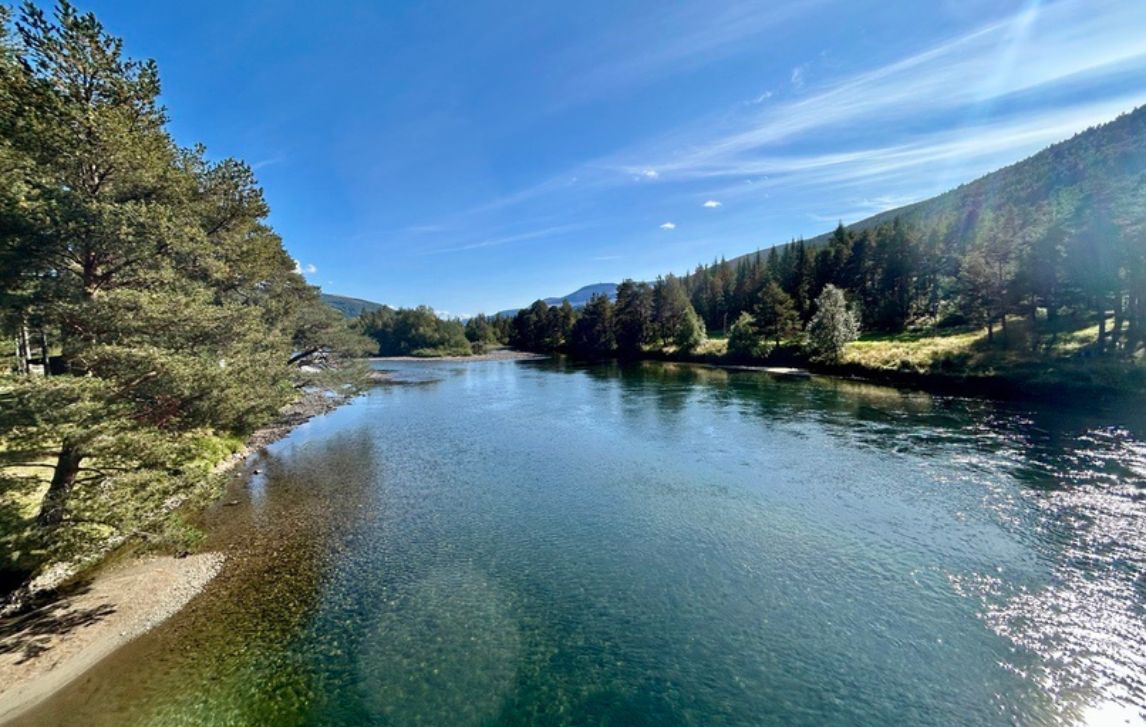
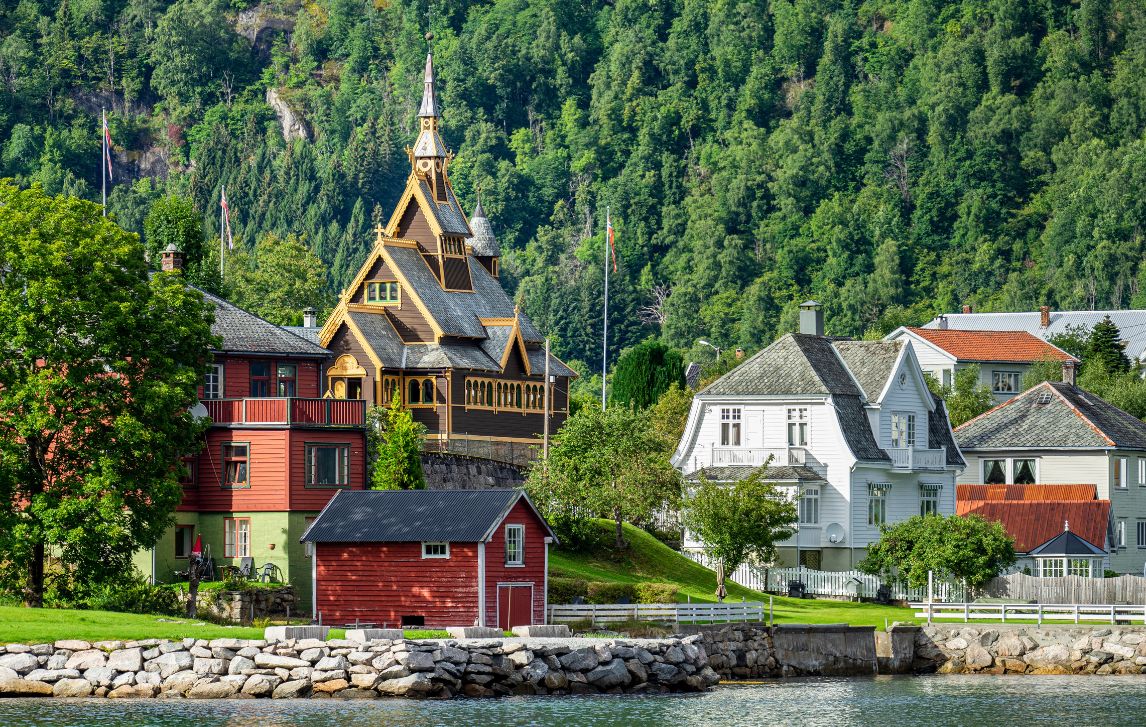
- Experience a scenic mix of forests, rivers, mountain passes and fjord views on the final approach to Trondheim
- Savour the charm of welcoming Norwegian villages, rustic farm stays and the warmth of local hospitality
- Finish your journey at the stunning Nidaros Cathedral, the burial site of St Olav
Itinerary
Daily Details
Day 1: Arrive Budsjord Farm (5km)
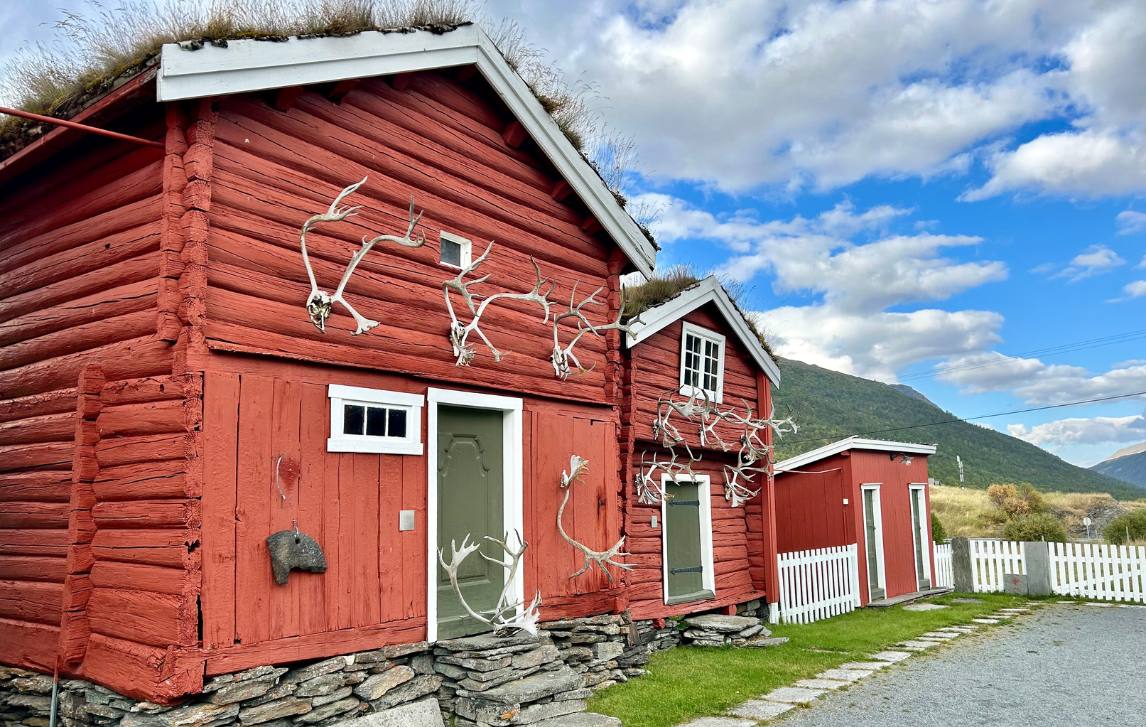
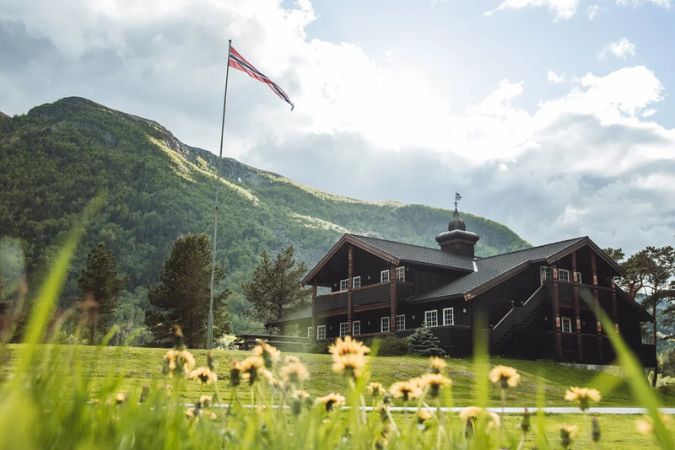
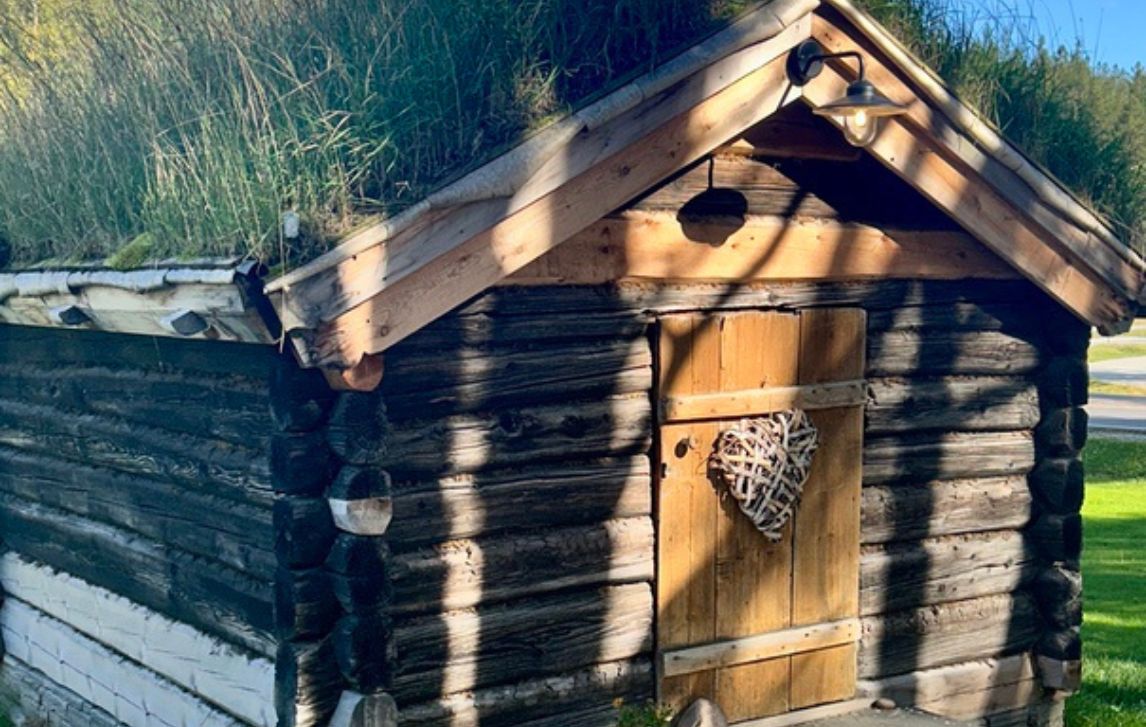
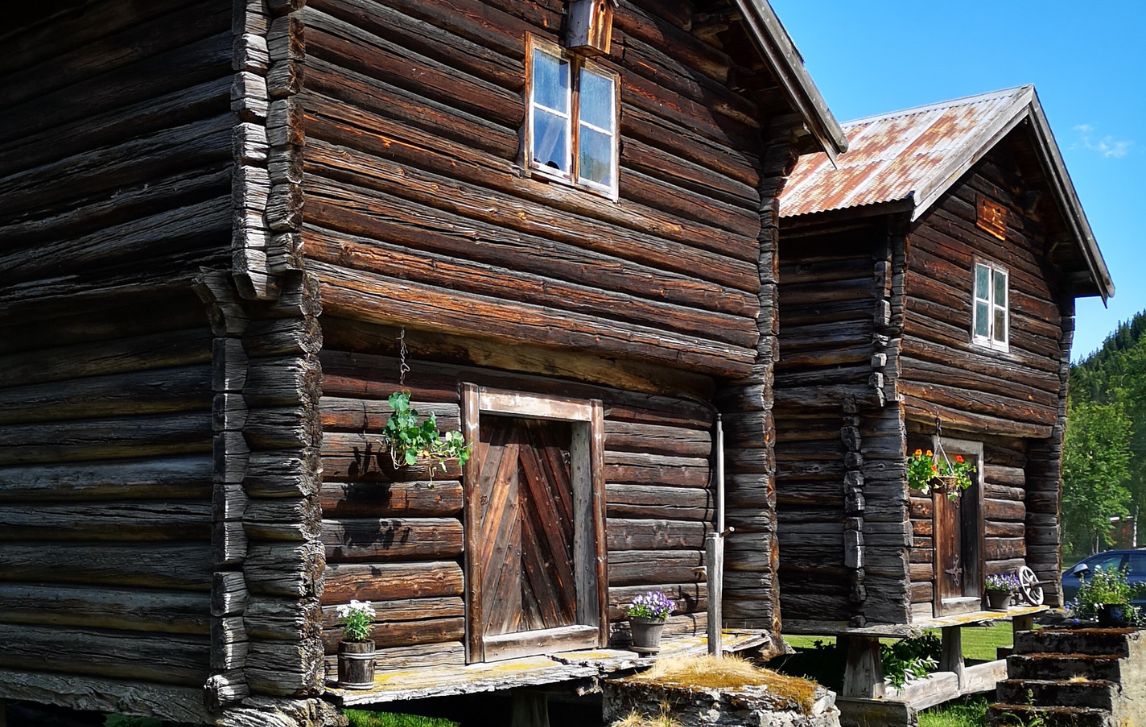
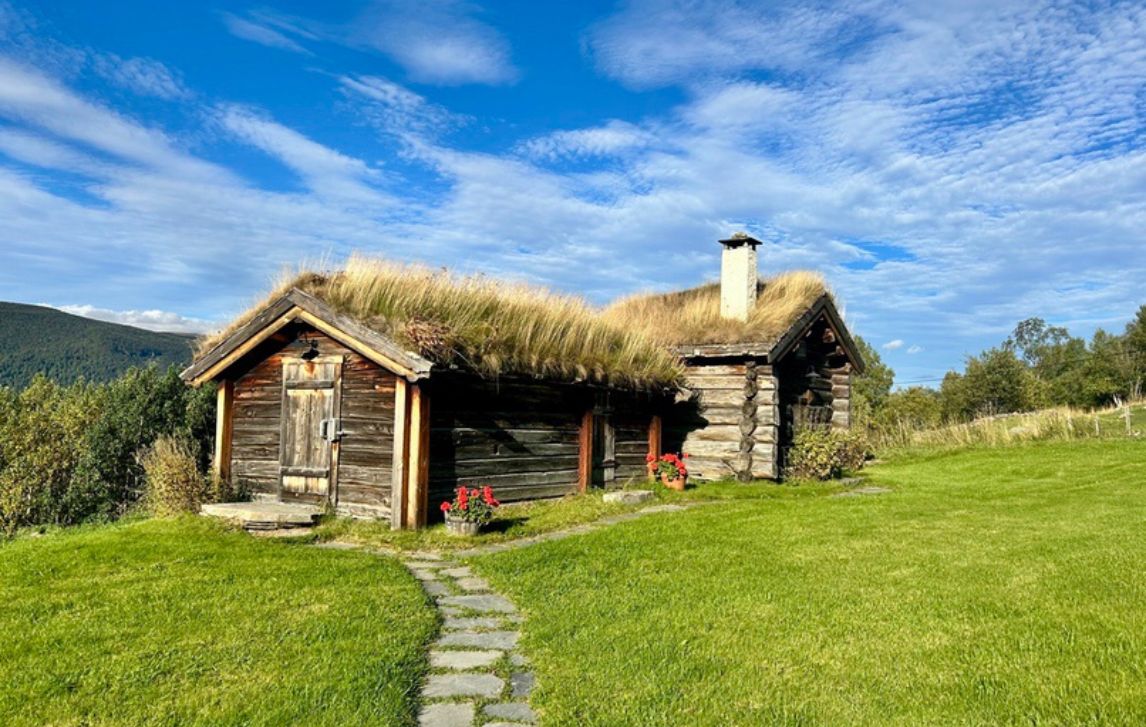
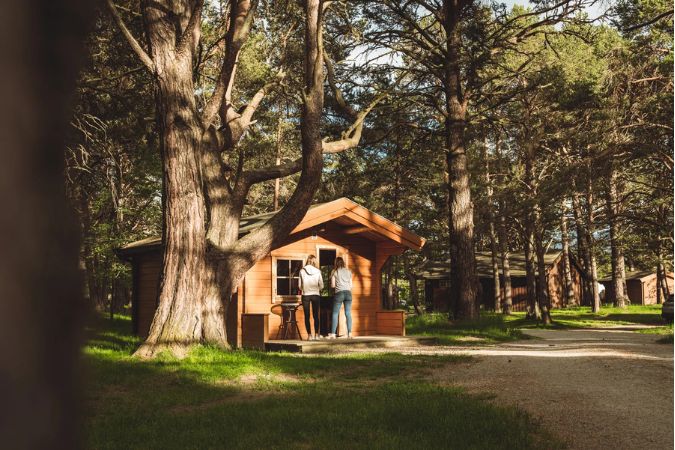
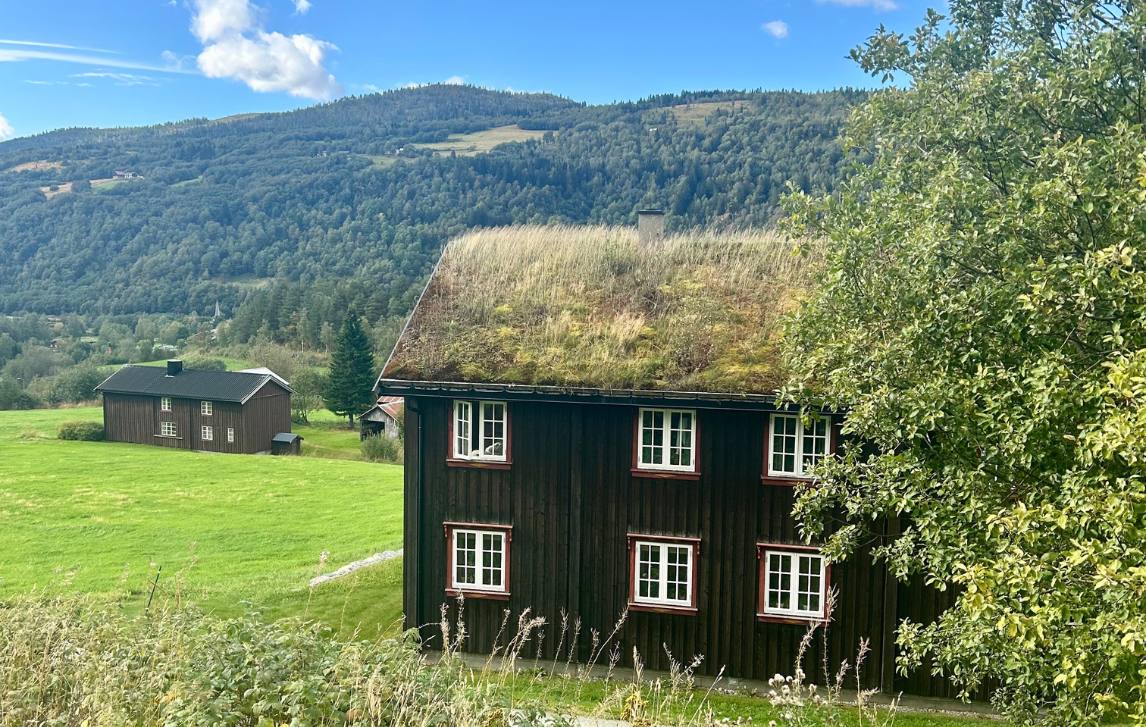
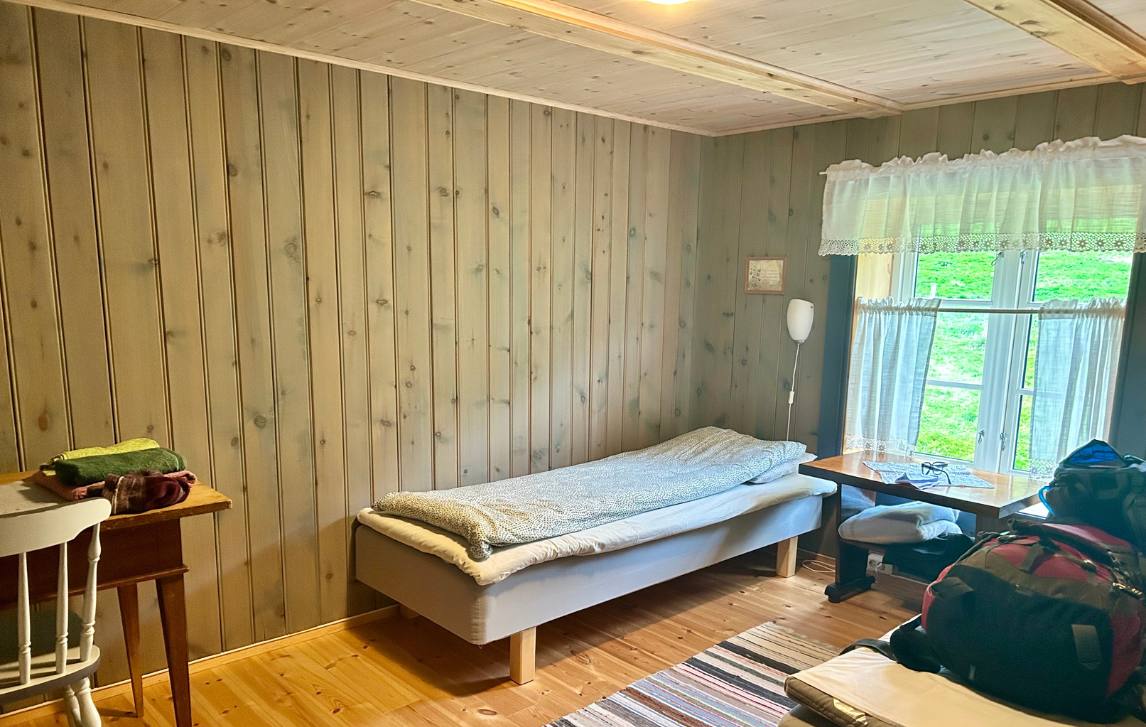
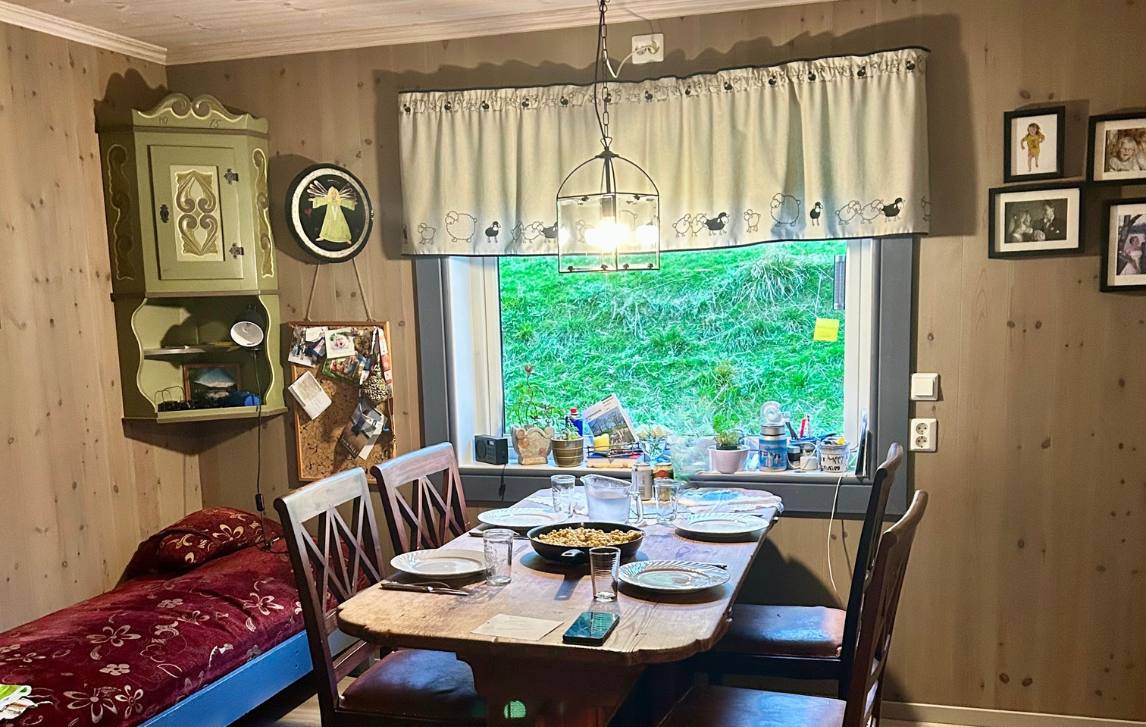
Today is your arrival day and you will need to make your way to Dovre, approximately 4 hours north of Oslo and then on to your overnight accommodation in Budsjord. Budsjord is a national heritage site that has welcomed pilgrims travelling St Olav’s Way for centuries. Nestled in a peaceful mountain valley, it offers a rare glimpse into Norway’s past. The traditional log cottages, complete with their iconic earth-covered roofs, feel as though they have been lifted straight from a storybook, embodying the rustic charm and authenticity of rural Norway. Spending the night here sets the perfect tone for your journey ahead – a blend of history, culture, and natural beauty that will continue to unfold in the days to come.
Meals: D
Day 2: Budsjord to Fokstugu (14.5km)
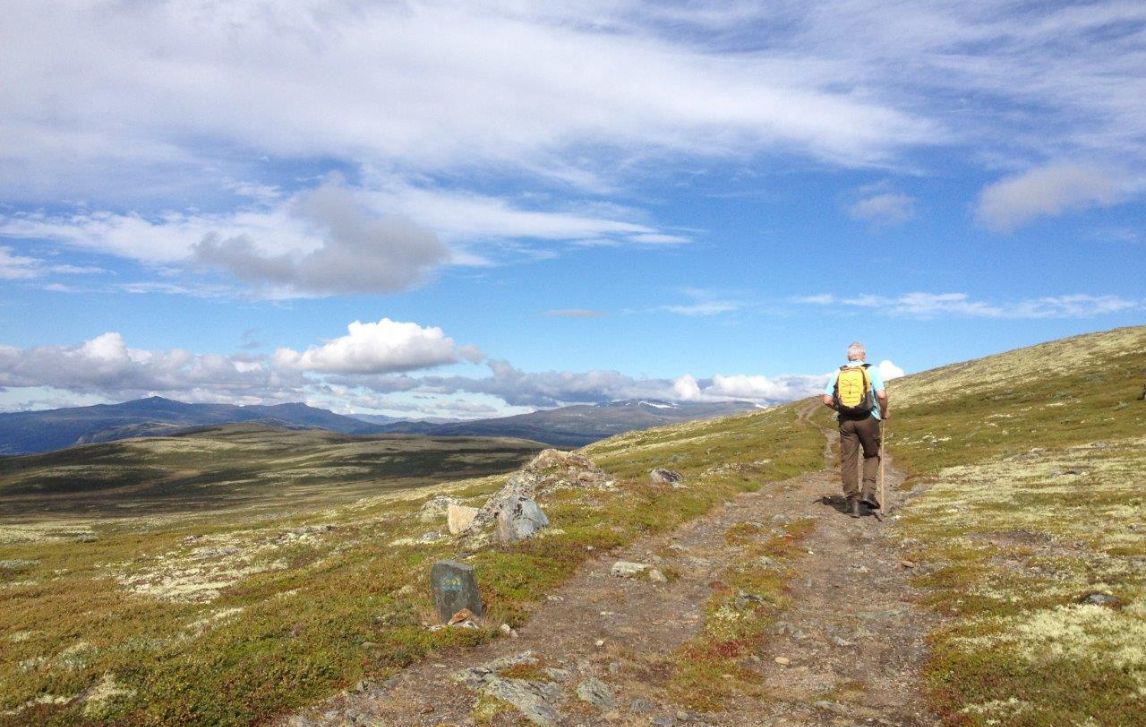
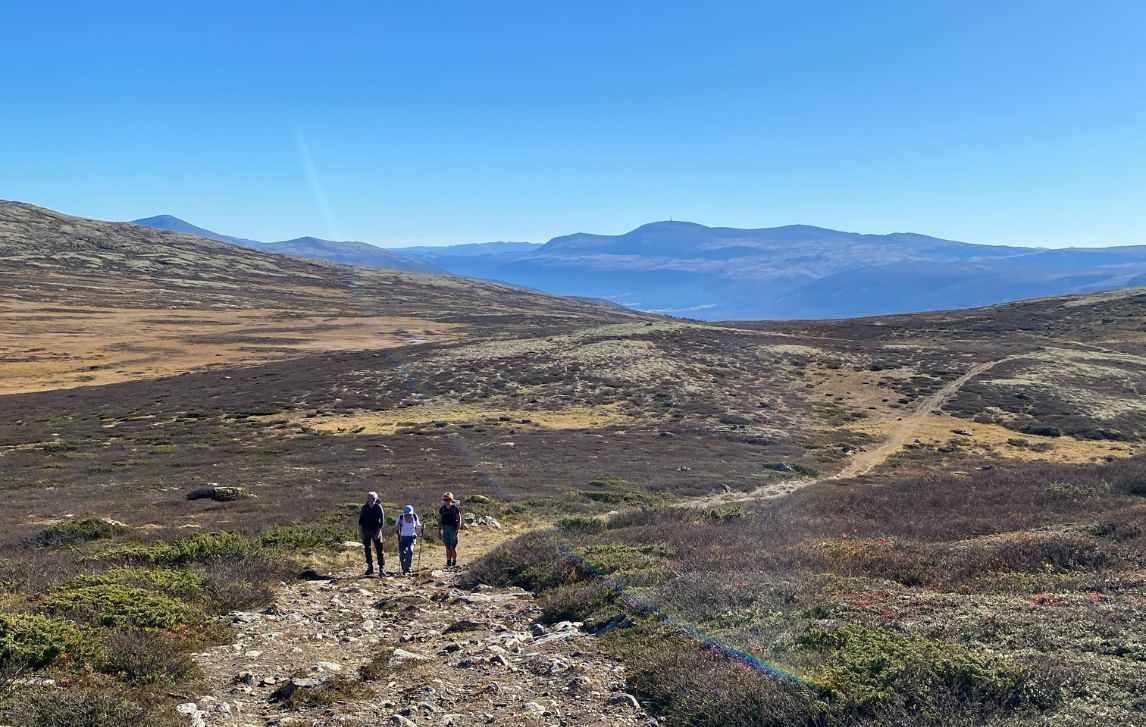
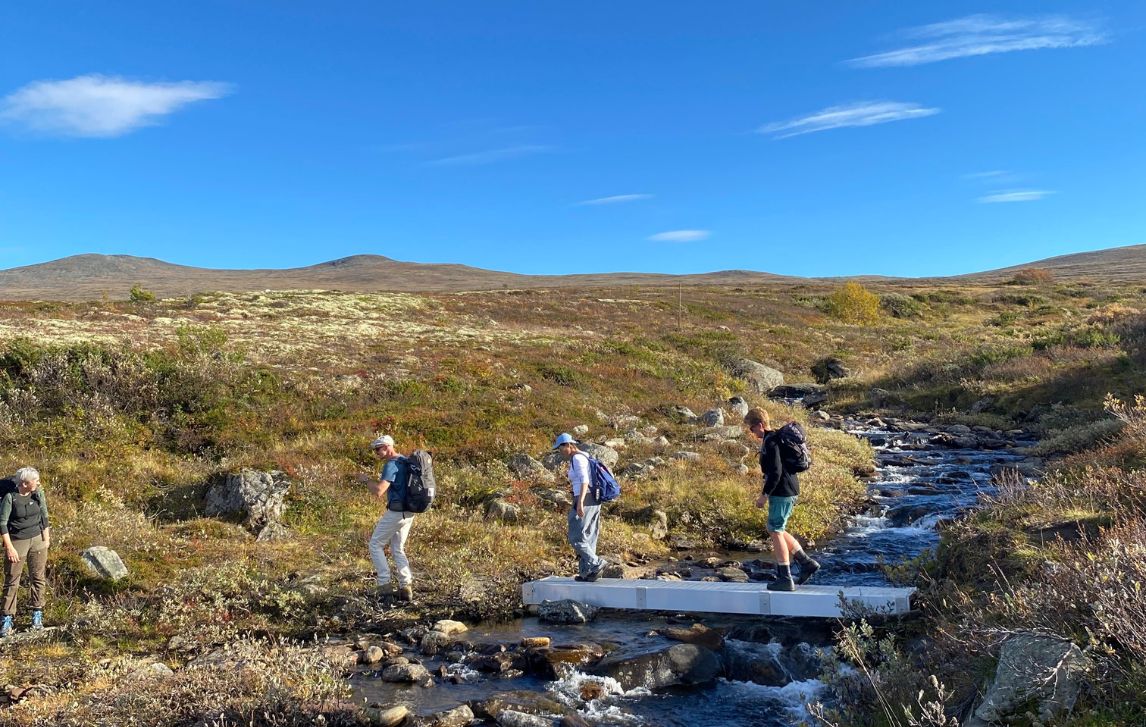
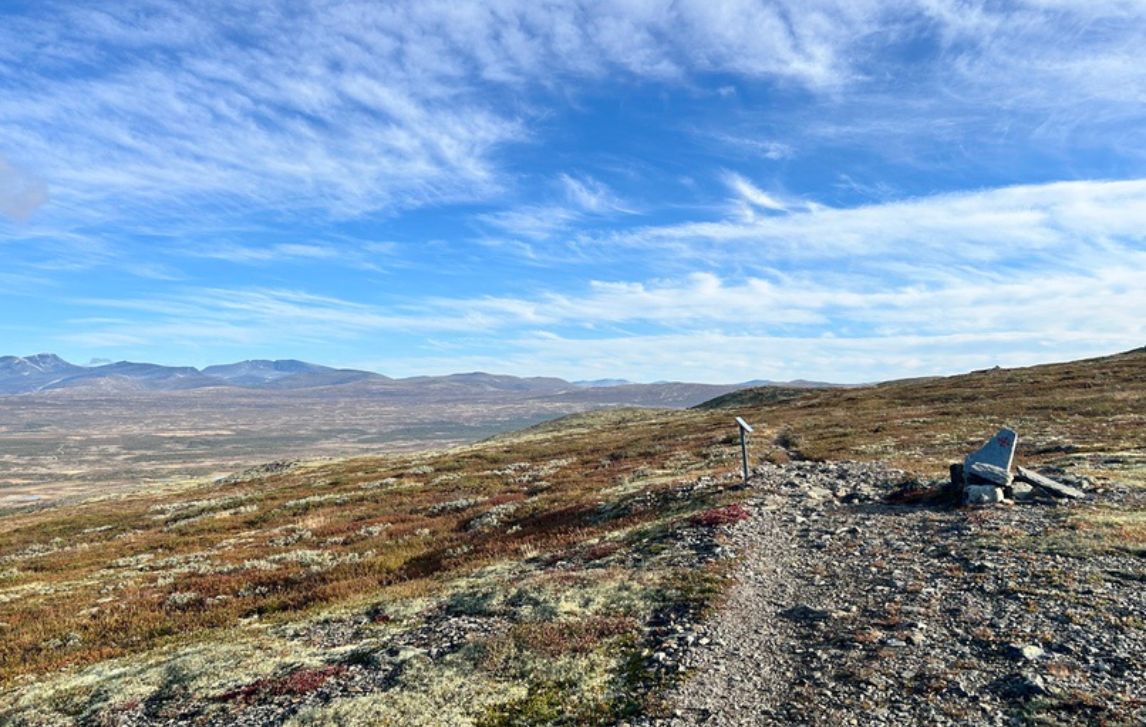
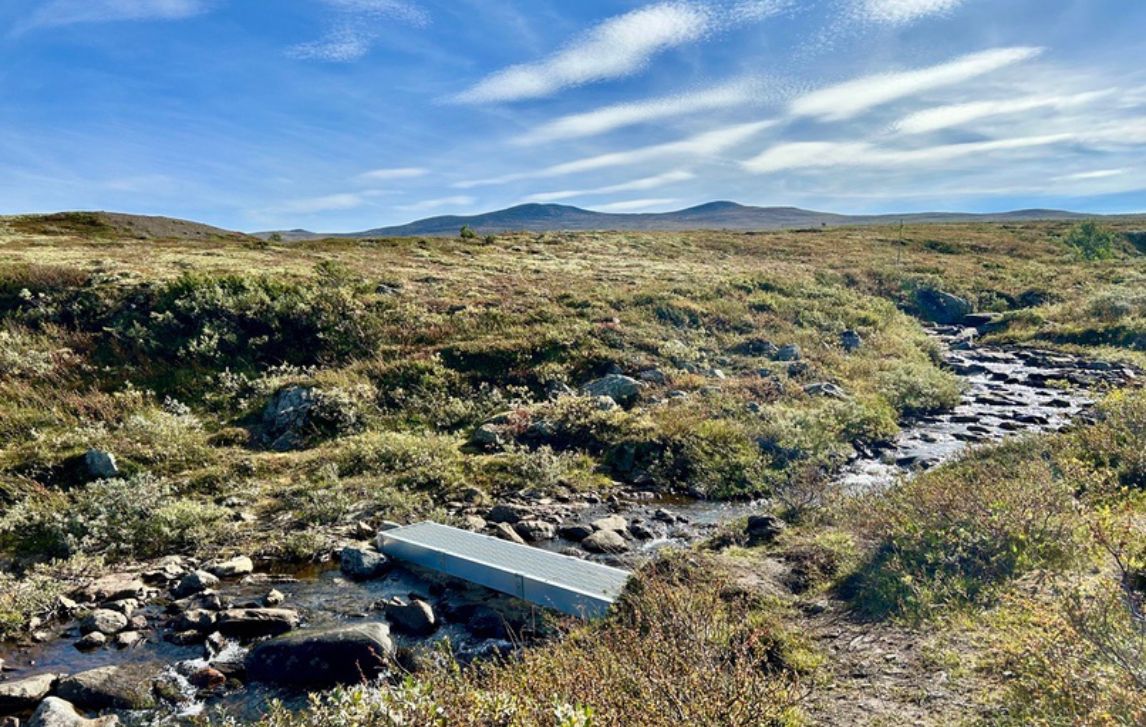
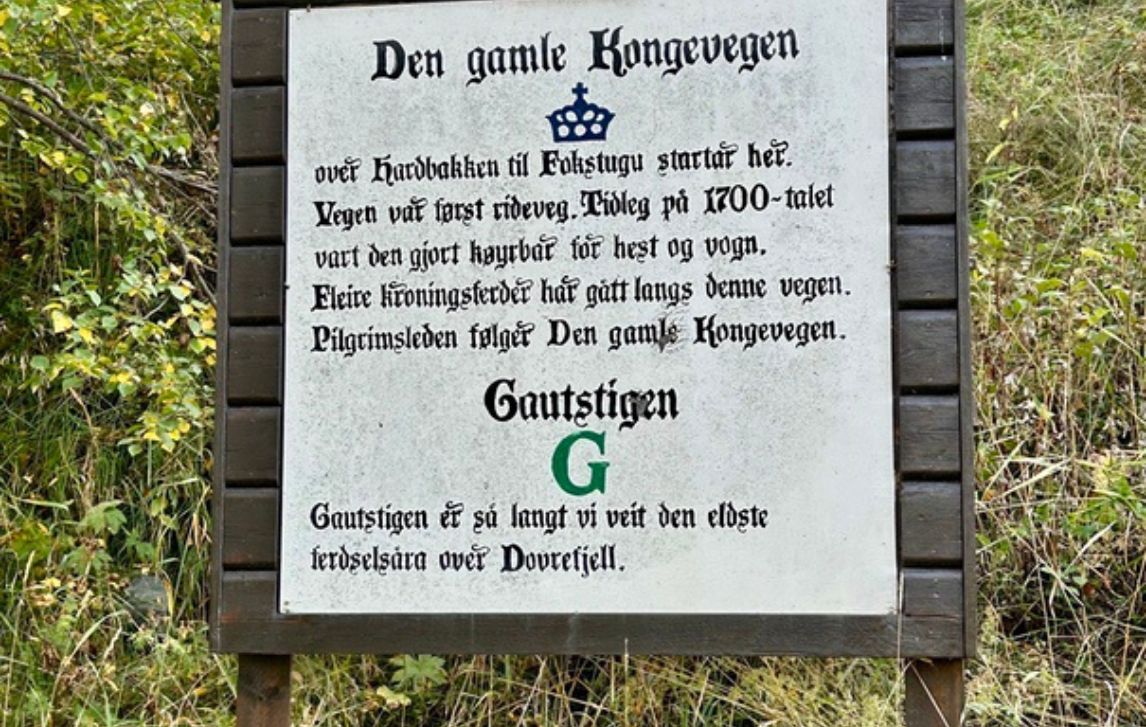
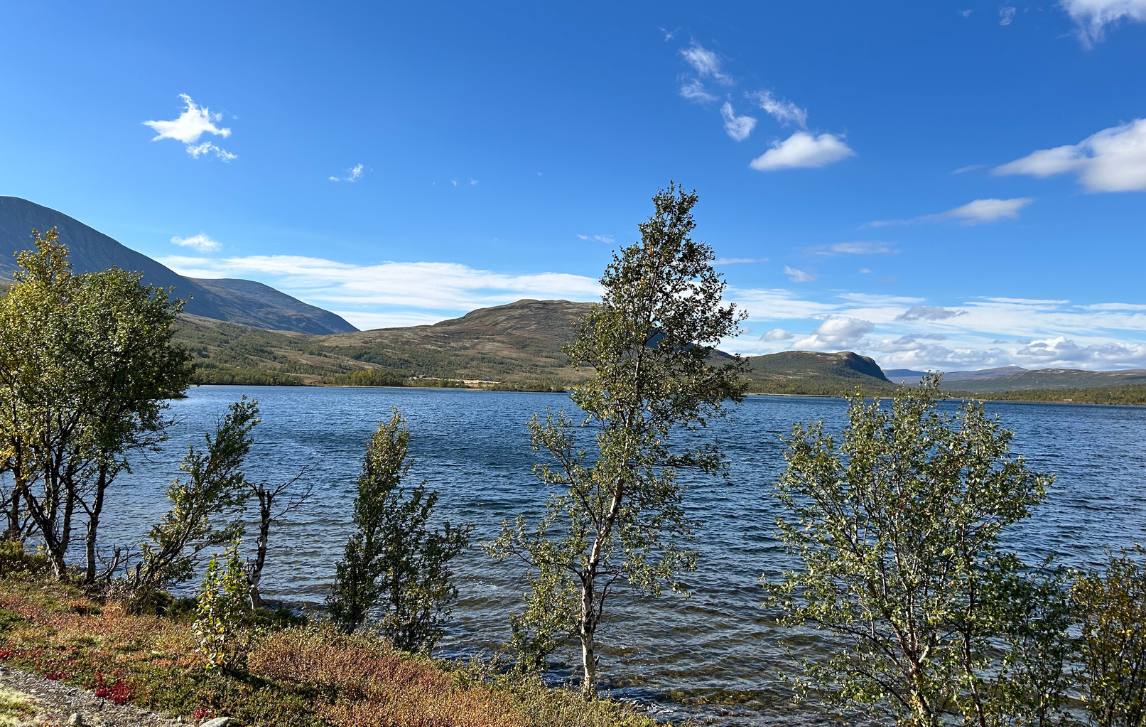
Today’s walk marks the start of the ascent into the Dovrefjell Mountains, one of the most striking and exposed sections of St Olav’s Way. Following the historic Old King’s Road, the trail climbs steadily through open, treeless terrain and into wild Norway with Allmannrøysa (1210m), the day’s highest point. After reaching Allmannrøysa, the path descends gently for over 6km to the traditional mountain lodge at Fokstugu, a historic rest stop for pilgrims and travellers. Expect a mix of gravel tracks and stony paths, with exposure to wind and weather. It’s a memorable introduction to the high plateau and a taste of Norway’s raw, untamed beauty where you can expect to see snow on the tips of the distant mountains.
Ascent 790m / Descent 350m
Meals: B L
**Dinner tonight is at your own convenience. You will have access to a kitchen and cooking equipment at your accommodation. We encourage you to purchase some supplies upon arriving in Dovre and arrange for them to be transferred with your luggage.
Day 3: Fokstugu to Hjerkinn (25km)
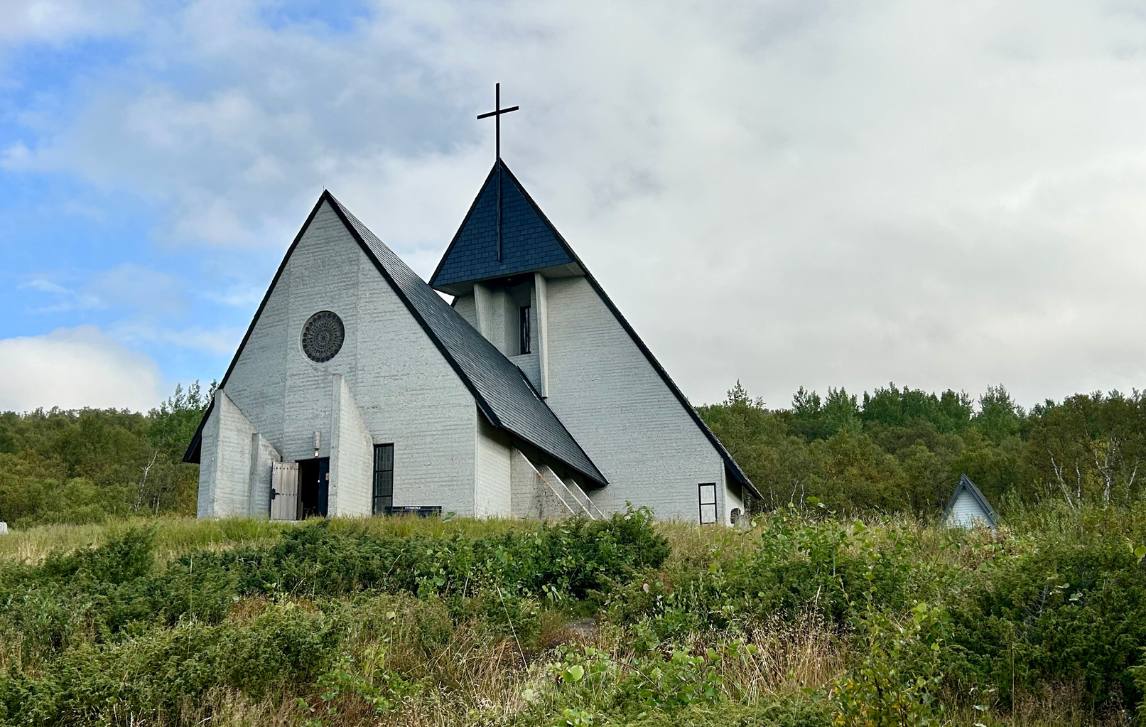
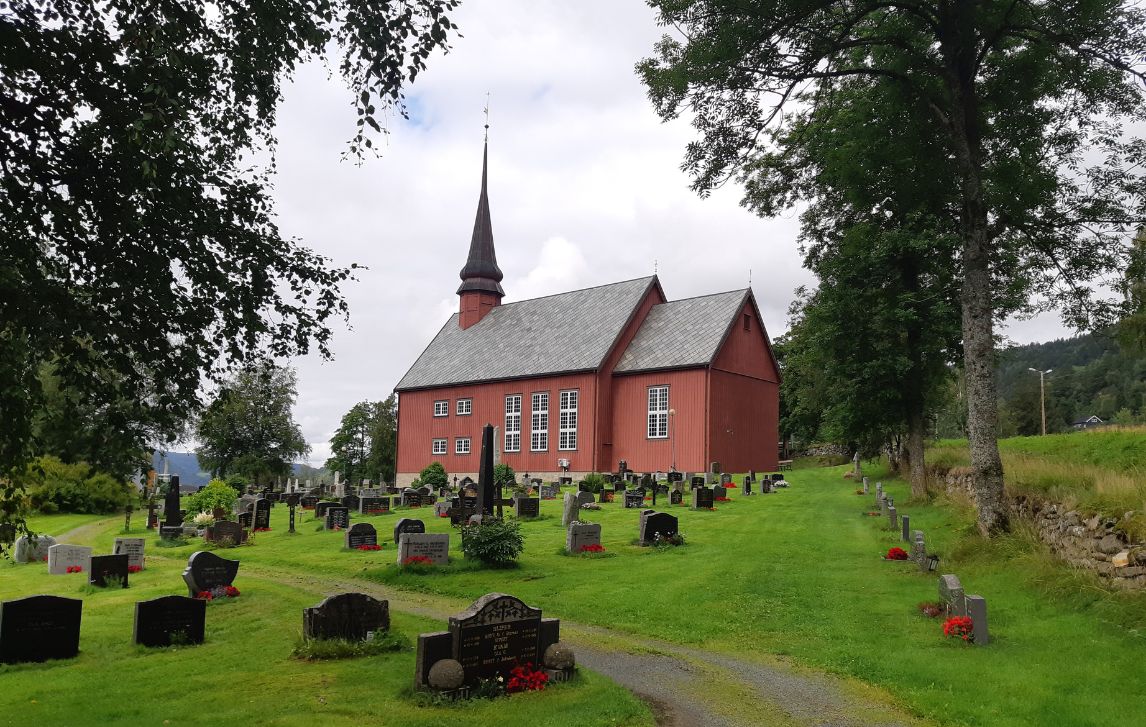
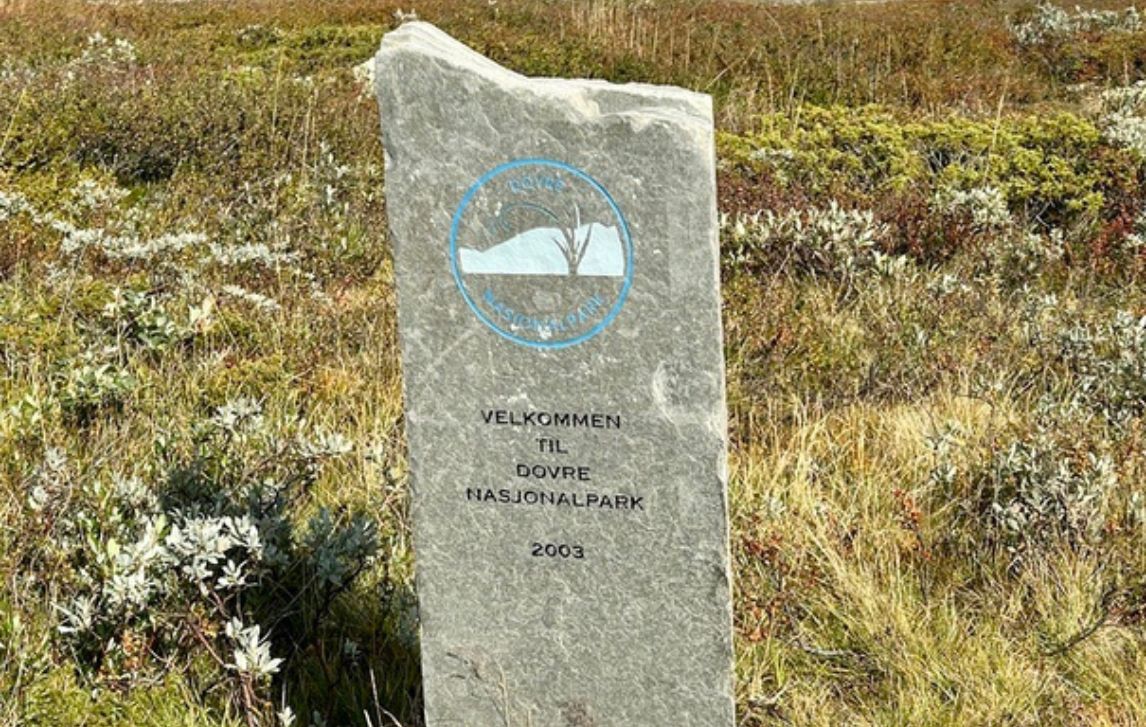
This section offers walkers a journey through the heart of the Dovrefjell National Park including Norway’s most famous bird sanctuary, Fokstumyra nature reserve. Leaving Fokstugu, the trail continues across open, rugged terrain characterised by vast plateaus, moss-covered rocks and alpine flora. You will encounter some marshy peat areas today along with a mix of gravel and well-trodden mountain trails, with gentle undulations and wide-open views of the surrounding peaks. Weather can be unpredictable, so proper gear is essential. Entering Hjerkinn, you will see the Eysteinkyrkja Church from afar standing at 965m above the small village. Tonight’s accommodation is at the beautiful Hjerkinn Fjellstue, which has been accommodating guests for more than 1200 years.
Ascent 500m / Descent 570m
Meals: D
**Breakfast and lunch are at your own arrangements. We encourage you to purchase some supplies upon arriving in Dovre and arrange for them to be transferred with your luggage.
Day 4: Hjerkinn to Kongsvold (12km)
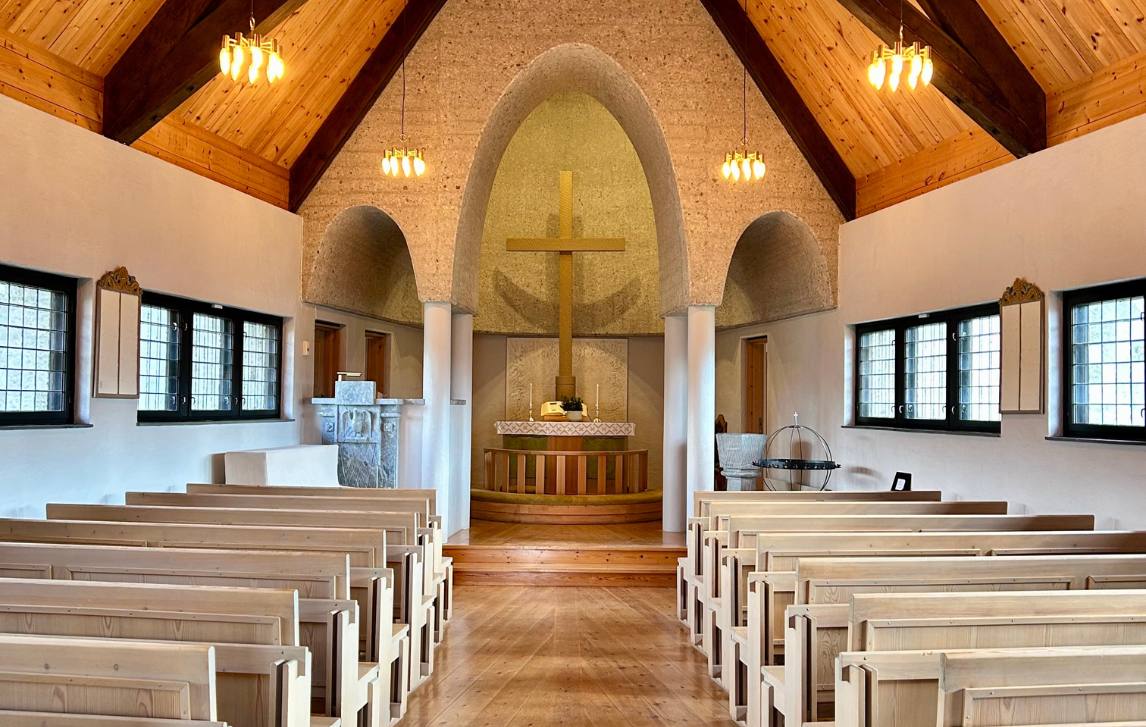
Today is a shorter day giving you time to visit the beautiful Church of Eysteinkyrkja, as you pass through on your way out of town. Be sure to stop in and get your pilgrim stamp on your way through. The building is a striking modern pilgrimage church built in 1969 and named after King Eystein Magnusson (1103–1123), who historically supported travellers over the mountain by building lodges. Leaving Hjerkinn, the trail climbs steadily following a historic route once used by pilgrims and traders. The path is well-marked but can be rocky and uneven in places and there is an option to take a side trip up to Hjerkinnshøe (1288m) before a long descent. Your day ends at the welcoming Kongsvold Fjeldstue, a mountain lodge dating to the 18th century, known for its warm hospitality and cosy atmosphere. This traditional stop provides a perfect place to enjoy local cuisine, and soak in the serene mountain environment.
Ascent 330m / Descent 340m
Meals: B L D
Day 5: Train from Kongsvold to Oppdal
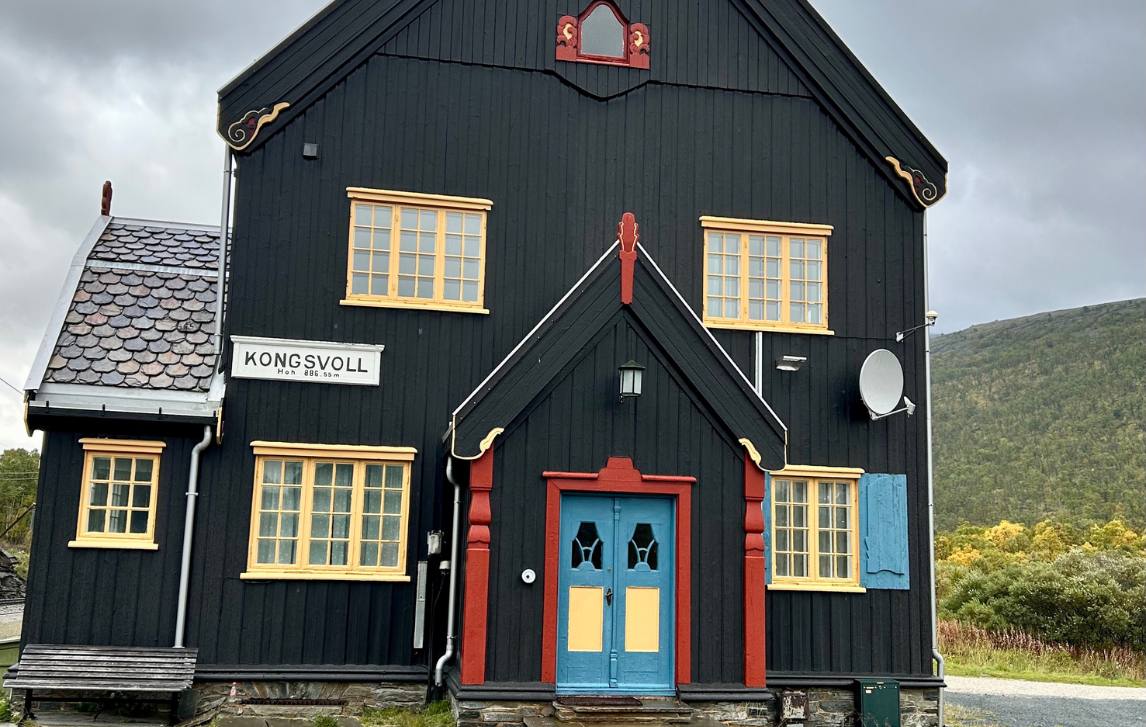
Today is a travel and rest day, offering a more relaxed pace after your recent days of walking. Take the scenic train journey from the historic Kongsvoll Station to Oppdal, enjoying the beautiful views of the Dovrefjell mountain region along the way. Upon arrival, you’ll have ample time to explore the charming town of Oppdal at your leisure and perhaps visit the historic Oppdal Church, browse local shops, or simply unwind at one of the town’s cafés. Overnight in Oppdal
Meals: B L
**Dinner at your own arrangements.
Day 6: Oppdal to Havdal (27km)
Today is one of the longer walking days, taking you on a scenic journey as you leave Oppdal behind and make your way through gently rolling farmland and peaceful forest landscapes surrounded by majestic mountains. The trail follows a mix of grusveier (gravel farm roads) and grassy paths, providing a pleasant variety underfoot. Along the way, you’ll enjoy frequent panoramic views across the wide valley and glimpses of traditional Norwegian farmsteads that highlight the area’s rural charm. Take time to pause and appreciate the serenity of the countryside as you make steady progress through this scenic and varied terrain.
Ascent 470m / Descent 530m
**This day may be shortened by utilising public transportation.
Meals: B L D
Day 7: Havdal to Stamnan (16km)
You continue your journey through the stunning Orkla Valley, where the river winds through a picturesque landscape of scattered farms, pine-covered hills, and open fields. The valley’s natural beauty is complemented by glimpses of local life and traditional farmsteads, giving a sense of the region’s cultural heritage. After crossing the river at Skjepphaugen, you have the option to tackle a steeper path that rewards you with expansive panoramic views, or to follow a gentler route along the riverbank, offering a more relaxed pace. The final stretch of the day leads along road 700 into the village of Stamnan for your overnight stay.
Ascent 400m / Descent 640m
Meals: B L D
Day 8: Stamnan to Rennebu (14km)
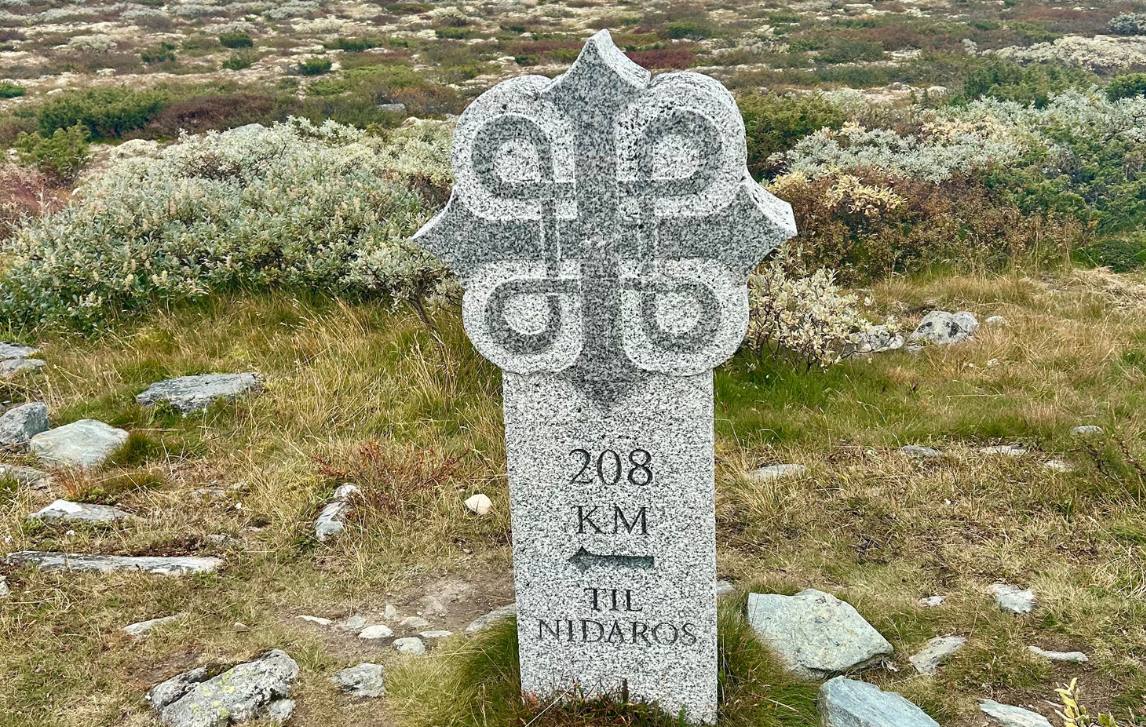
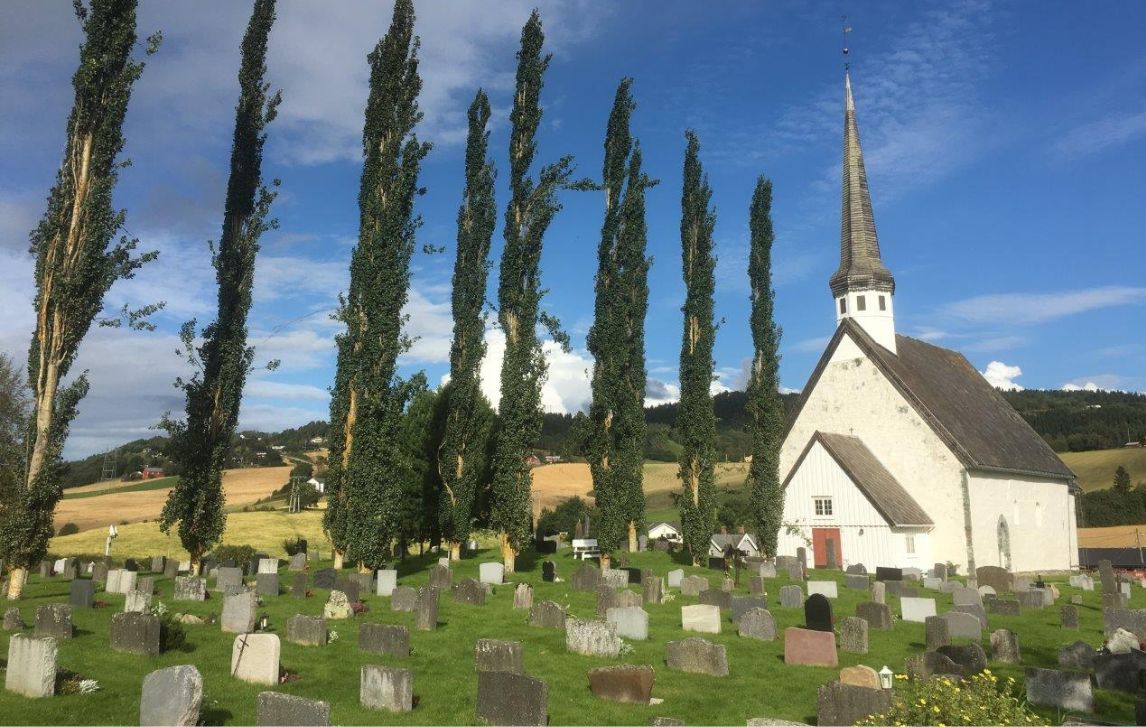
Setting out from the Meslo Gard you will walk 1km or so alongside the road before you head back up through cultivated landscapes and forests, making your way through the valley of the river Orkla before reaching the small town of Voll. Voll is home to the historic Rennebu Church, built in 1669, it is the oldest of Norway’s five Y-shaped churches and marks the milestone of 101km to Nidaros – an ideal spot for a photo before making your way to your overnight accommodation.
Ascent 400m / Descent 400m
Meals: B L D
Day 9: Rennebu to Meldal (18km)
Today’s walk follows the Orkla River all the way to the town of Meldal. The route primarily consists of dirt country roads with some sections of asphalt, making for a moderately easy and enjoyable day of walking. Once in Meldal, take time to visit the local church before continuing through the village to the Meldal Bygdemuseum. Nestled in Bergslia, on the hillside above the town, the open-air museum features around 20 historic buildings, offering a fascinating glimpse into the traditional architecture and rural lifestyle of this region of Norway. Strolling through the museum grounds provides a vivid sense of the area’s cultural heritage and charming local history.
Ascent 270m / Descent 370m
Meals: B L
**Dinner this evening is at your own arrangements. You will have access to a kitchen and cooking equipment at your accommodation. We encourage you to purchase some supplies upon arrival in Meldal
Day 10: Meldal to Gumdalen (19km)
Today offers a tranquil walk through the classic countryside of Trøndelag, passing through the historic town of Løkken Verk. The town bears many reminders of its long mining heritage, with copper ore first discovered here in 1652 and the first mine opening in 1654. Mining continued in the area for an impressive 333 years, with operations only ceasing in 1987. In Løkken Verk, you can stop at the local supermarket to pick up any supplies you may need before continuing to your overnight accommodation at Gumdal Gård, located just outside Svorkmo and conveniently close to the hiking trail. Gumdal Gård has a rich history of welcoming travelers, a tradition that stretches back to the 18th century, offering a warm and authentic experience of rural Norwegian hospitality
Ascent 400m / Descent 400m
Meals: None
** Breakfast, lunch and dinner are at your own arrangements today. Lunch and dinner supplies can be purchased at Løkken Verk.
Day 11: Gumdalen to Skaun (21km)
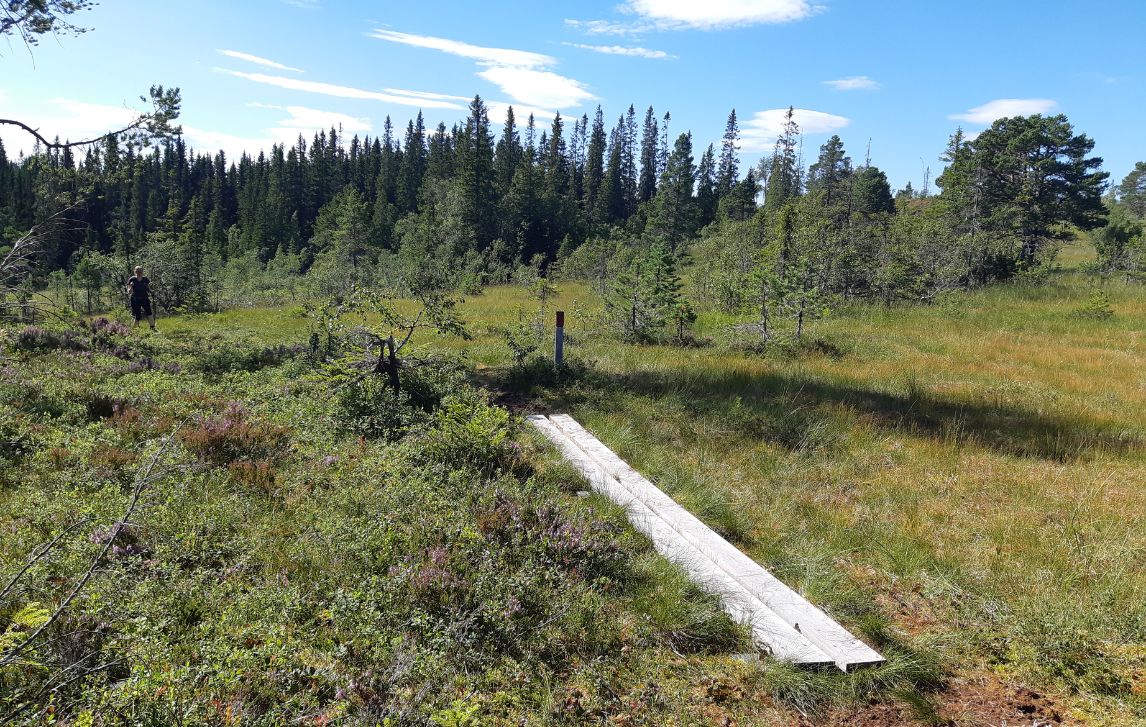
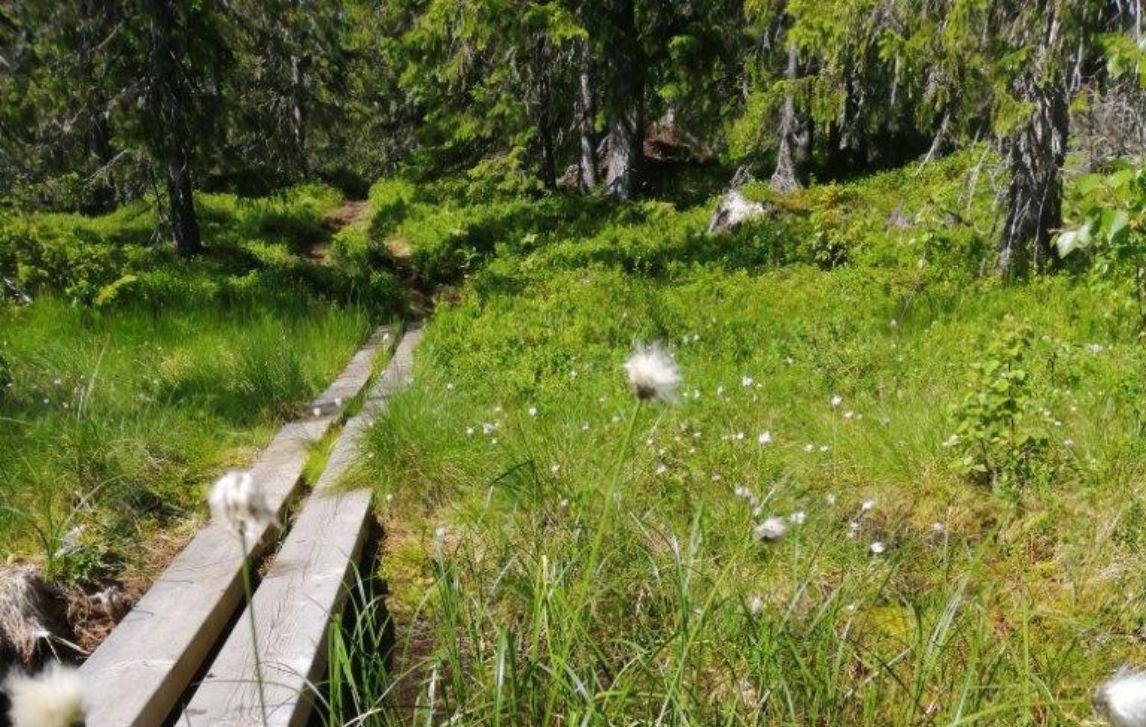
Today’s hike takes you across a variety of terrain, including peat bogs, fire trails, and dirt country roads. The trail gradually rises after Lake Solsjøen, rewarding you with magnificent views over the farmland below. Along the way, you’ll come to a shelter designed as a ‘living room’ – a welcoming spot for pilgrims to pause and rest. The path then winds through a beautiful, remote peatland, with boardwalks keeping your feet mostly dry. This was the traditional summer route for pilgrims; in winter, they would take a higher path along the snowy slopes. After a few kilometres, the trail leaves the marshy area and continues along forest paths and gravel roads, leading you to Skaun for your overnight accommodation.
Ascent 460m / Descent 500m
Meals: D
** Breakfast and lunch are at your own arrangements today. Be sure to purchase supplies when traveling through Løkken Verk.
Day 12: Skaun to Øysand (18km)
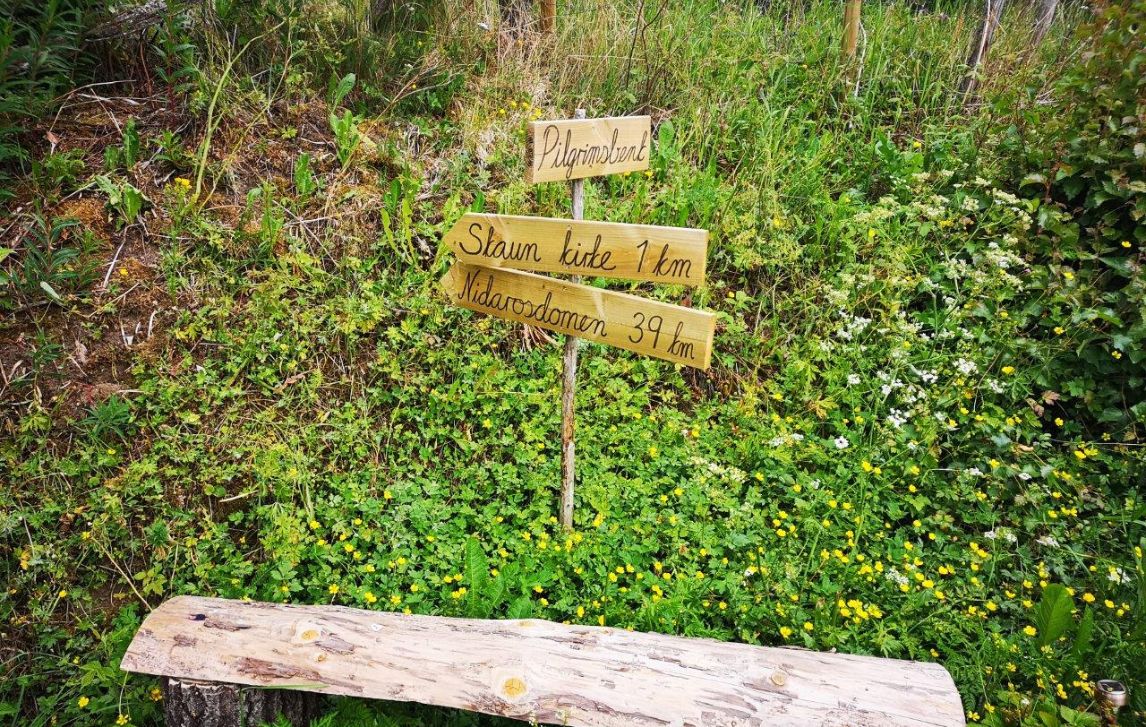
The milestone in Skaun states that it is 38km to Nidarosdom in Trondheim and today’s walk takes you past fields, peat bogs and meadows as you make your way toward the River Gaula. Leaving Skaun behind, the trail follows the asphalt road in the direction of Husaby. Although the ruins of the medieval church are not directly on the pilgrimage route, it’s well worth a short detour to visit them. From here, you’ll also enjoy a lovely view over the village of Skaun. This path continues through forest trails via Gammelsetra to Djupdalsvollen. From Djupdalsvollen, the route continues through woodlands before opening up into more expansive landscapes, where you catch your first glimpse of Trondheim from the top. Overnight Øysand.
Be aware that the descent on the forest path here is fairly steep and can be slippery, particularly after rain. Just past Snefugl farm, where the road bends to the left, the route veers right. A rope has been fixed along the wooded slope to assist with the descent, but as an alternative, you can follow the road down instead – both options rejoin at the bottom.
Ascent 150m / Descent 100m
Meals: B L D
Day 13: Øysand to Trondheim (21km)
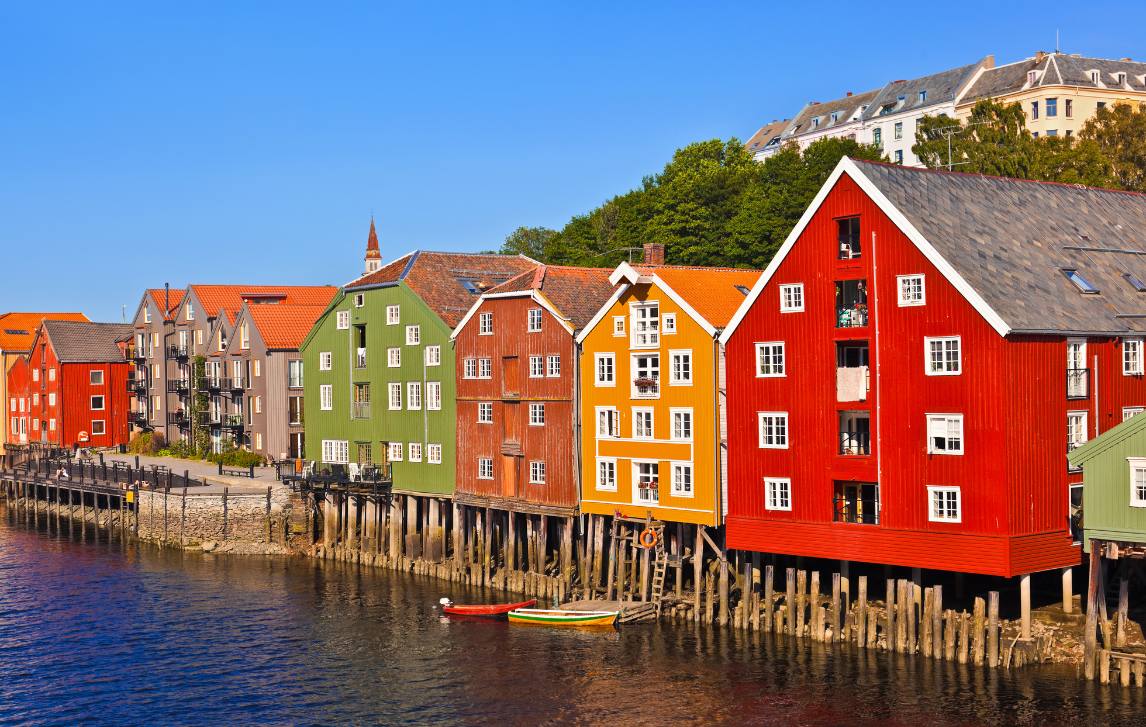
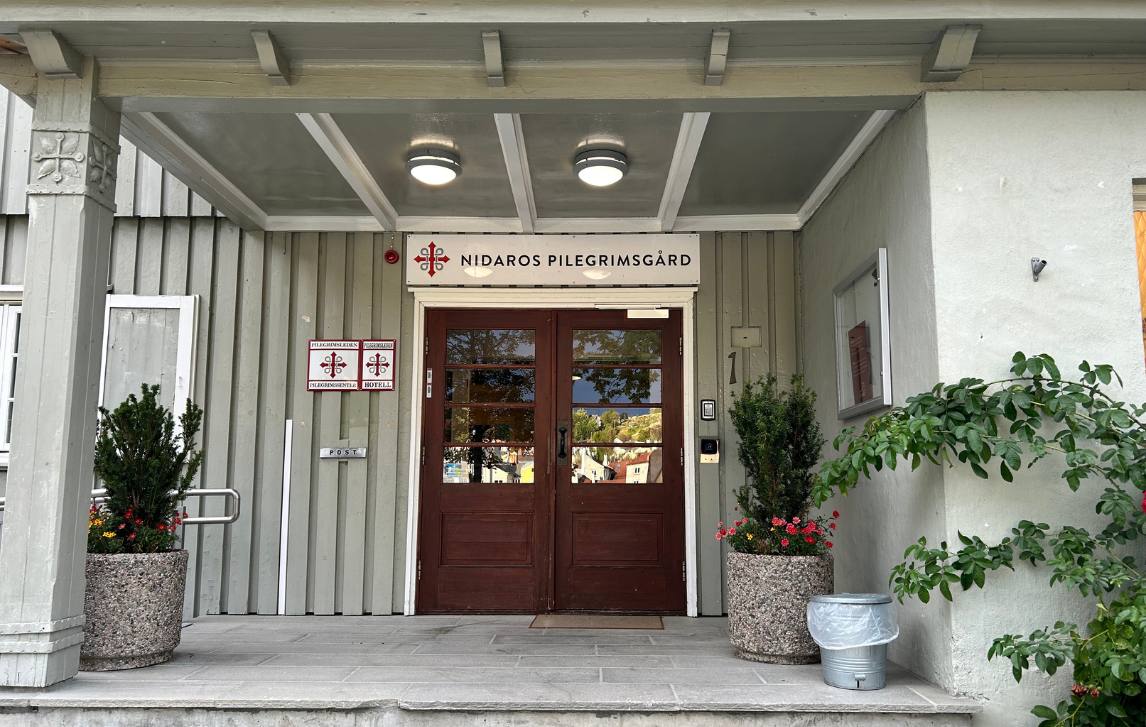
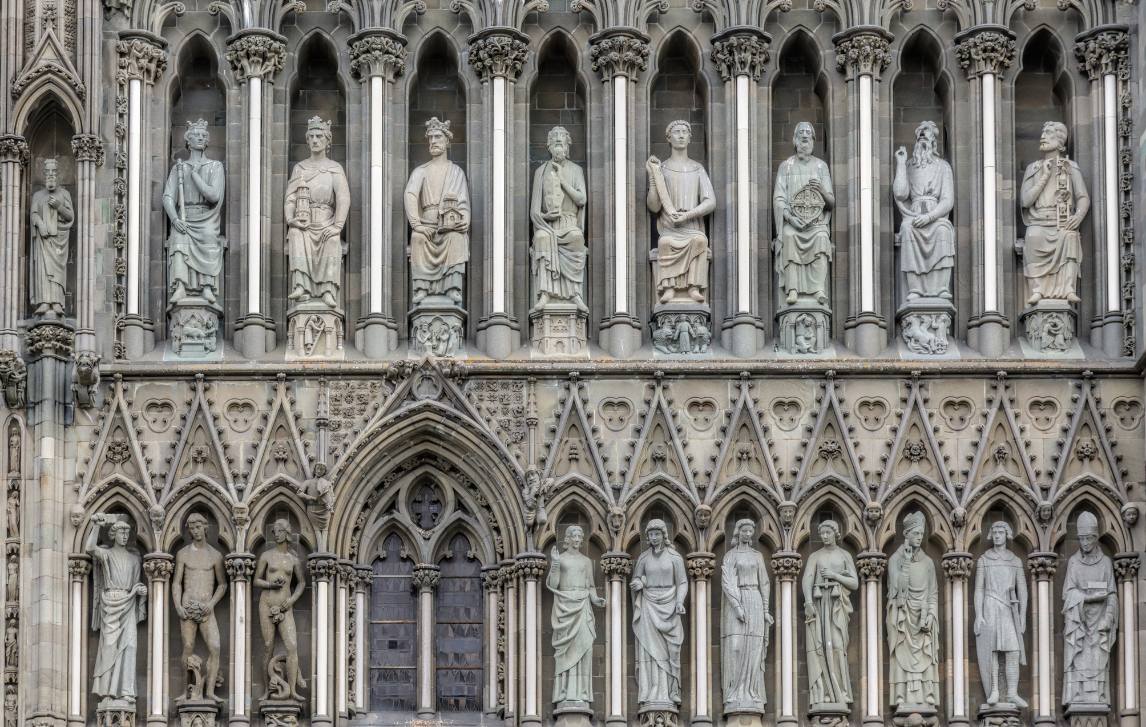
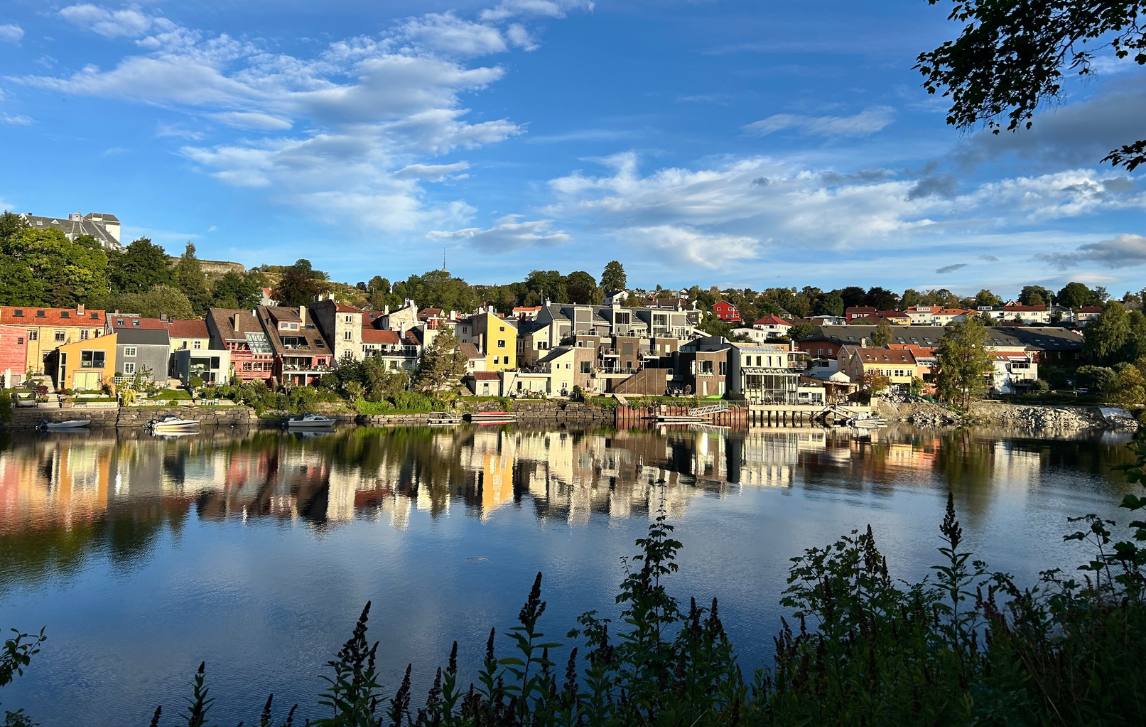
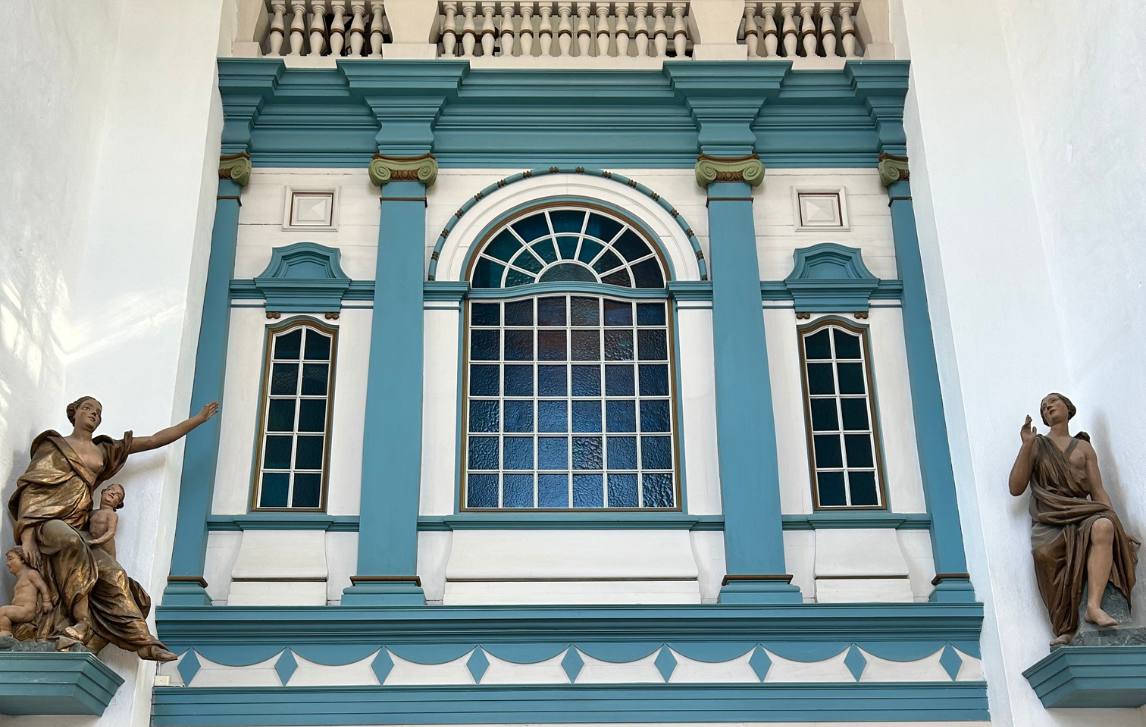
Today marks the final stage of your journey as you make your way to Trondheim and the renowned Nidaros Cathedral, the resting place of St Olav. The trail leads you through a mix of farmland and forest paths, with an early short but demanding climb to set the pace for the day. As you draw closer, the landscape gradually shifts, and soon you find yourself entering the suburbs of Trondheim, Norway’s third-largest city. Be sure to leave time to explore the charming Bakklandet neighbourhood, with its pastel-painted wooden houses, cobblestone streets and inviting cafés. Other highlights include the 17th-century Kristiansten Fortress and the picturesque Old Town Bridge. At Nidaros Cathedral, daily prayer services are held, with meditations on Saturdays and mass on Sundays, offering a meaningful conclusion to your pilgrimage.
Ascent 150m / Descent 150m
Meals: B L
**Dinner tonight is at your own arrangements.
Day 14: Depart Trondheim
Take some time to enjoy a peaceful morning before checking out of your accommodation anytime before 10am for your onwards travels.
Meals: B
Map
St Olav's Way Map
Budsjord Farm
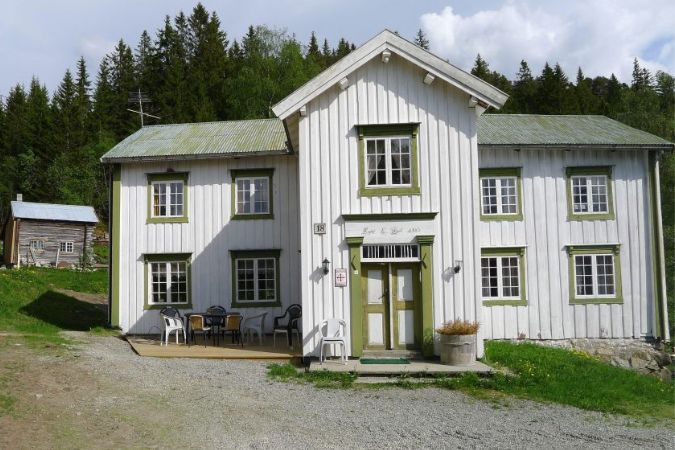
Budsjord is a unique farm with many well-preserved houses and buildings. Just as it was in the old days, it is the last stop before the tough hike across the Dovrefjell mountain range.
CLICK ON A PIN TO REVEAL INFORMATION ABOUT THAT LOCATION
Fokstugu
This traditional mountain lodge set on the Dovrefjell plateau is surrounded by vast wilderness and rich birdlife. It’s Norway’s oldest family-run lodge, welcoming travellers with warm hospitality, hearty local food and direct access to spectacular hiking.
Hjerkinn
Hjerkinn sits high on the Dovrefjell plateau, once a historic crossroads for pilgrims, traders and royalty travelling between Oslo and Trondheim. Today it’s a gateway to Dovrefjell-Sunndalsfjella National Park, known for sweeping mountain views and the chance to spot wild musk oxen.
Kongsvold
Kongsvold is a historic mountain lodge on the Dovrefjell, welcoming travelers since the 12th century. Once a pilgrim station on the route to Trondheim, it now offers cosy accommodation, hearty Norwegian cuisine and a base for exploring the surrounding national park.
Oppdal
This charming town is a key stop on St Olav’s Way. Set amid dramatic mountain scenery, forests, and rivers, it offers pilgrims a blend of natural beauty and small-town life.
Gjesteheim Havdal
This cosy guesthouse along St Olav’s Way offers comfortable rooms and a warm welcome for hikers.
Stamnan
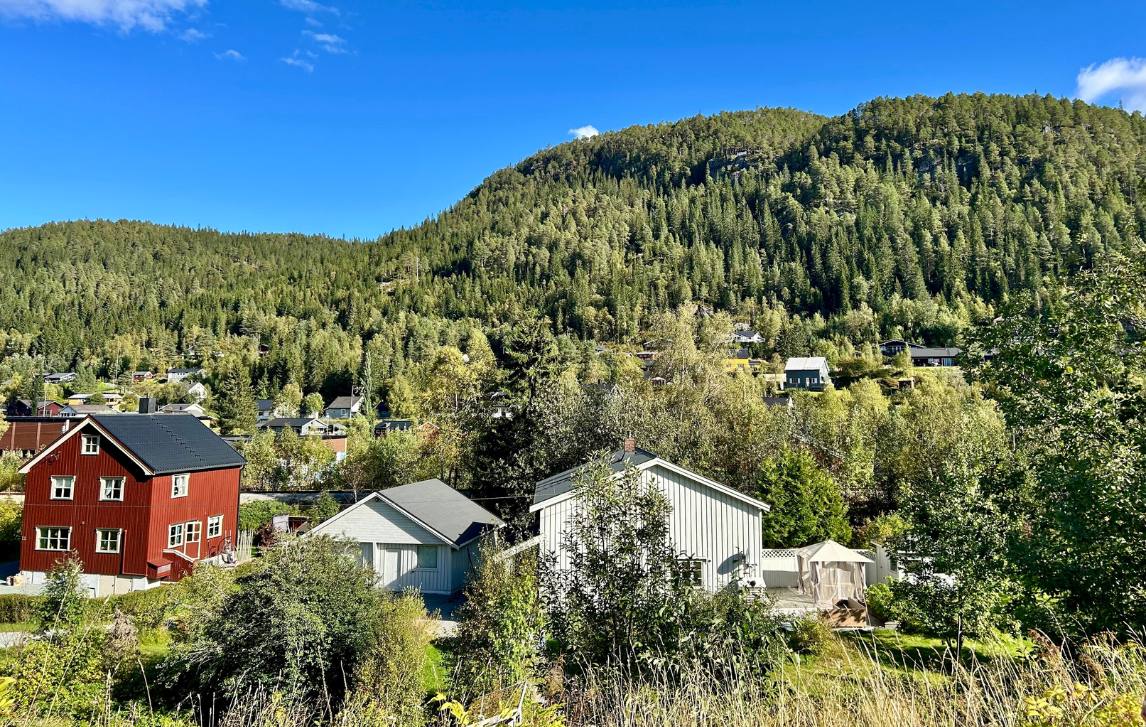
This small village is surrounded by tranquil forests, rivers and farmland. The village exudes authentic rural charm, with traditional Norwegian homes and a close-knit community atmosphere.
Rennebu
This peaceful village is surrounded by rolling hills, forests and the Gaula River. The village is dotted with charming wooden houses and traditional farms, providing a glimpse of rural Norwegian life.
Meldal
Meldal is a scenic stop along St Olav’s Way. Nestled among gentle hills, rivers, and farmland, it offers pilgrims a peaceful retreat surrounded by classic Norwegian landscapes.
Løkken Verk
The village of Løkken Verk is known for its copper mining heritage, with old buildings and local museums giving a glimpse into its past.
Gumdalen
This serene valley is a scenic and tranquil stop along St Olav’s Way and surrounded by rolling hills, rivers and farmland.
Skaun
Charming Skaun is known for its lush countryside, rolling hills and traditional villages, offering visitors a taste of authentic rural life.
Oysand
This small coastal village is nestled along the shores of the Trondheimsfjord. It’s a peaceful spot, known for its scenic beaches, calm waters and open landscapes.
Trondheim
This vibrant city blends rich history with modern culture. It’s famous for the iconic Nidaros Cathedral, charming wooden wharves along the river, and lively cafés and restaurants.
Inclusions
What's included?
Included
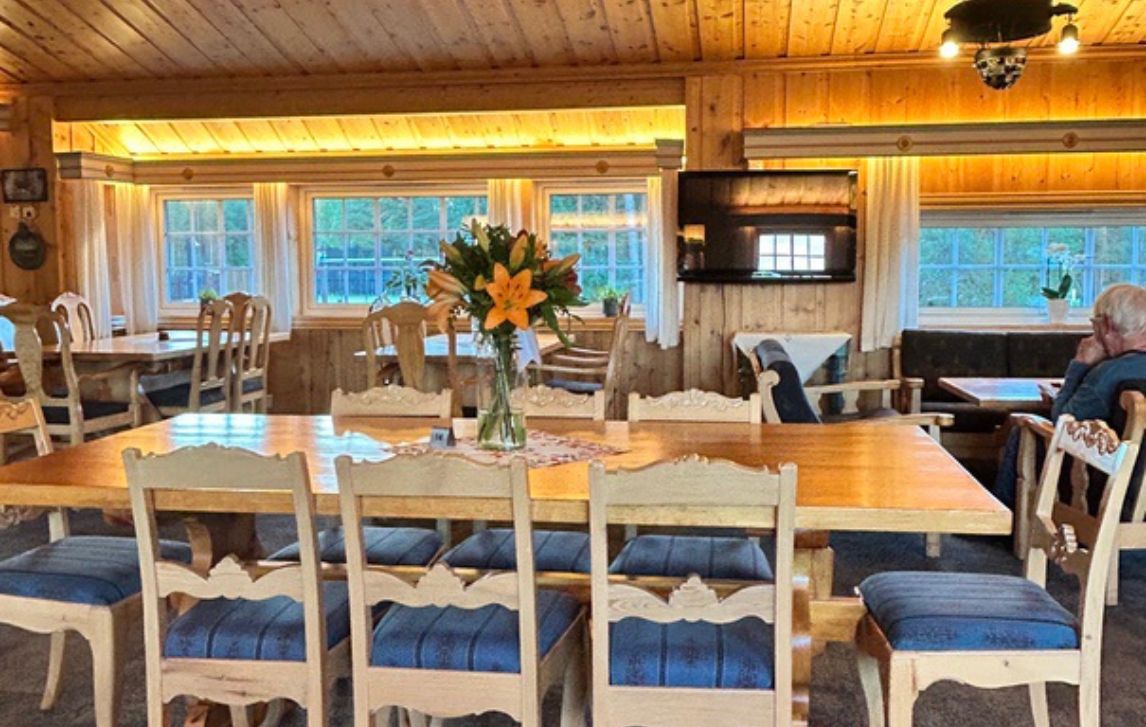
- 13 nights accommodation in a variety of properties, including rustic cabins and comfortable hotels
- Train from Kongsvold to Oppdal
- Meals as indicated on the itinerary
- Luggage transfer each day from hotel to hotel (1 x 20kg bag per person)
- RAW Travel App with route mapping, accommodation details, emergency contact numbers and more
- Pre-trip guidance and planning
- Dedicated support person
- Carbon offset for your trip and a native tree planted for every walker
Excluded
- Single supplement
- Meals not indicated on itinerary
- Travel insurance
- Flights
- Transport to and from the start / finish

On the trail
What it's like underfoot
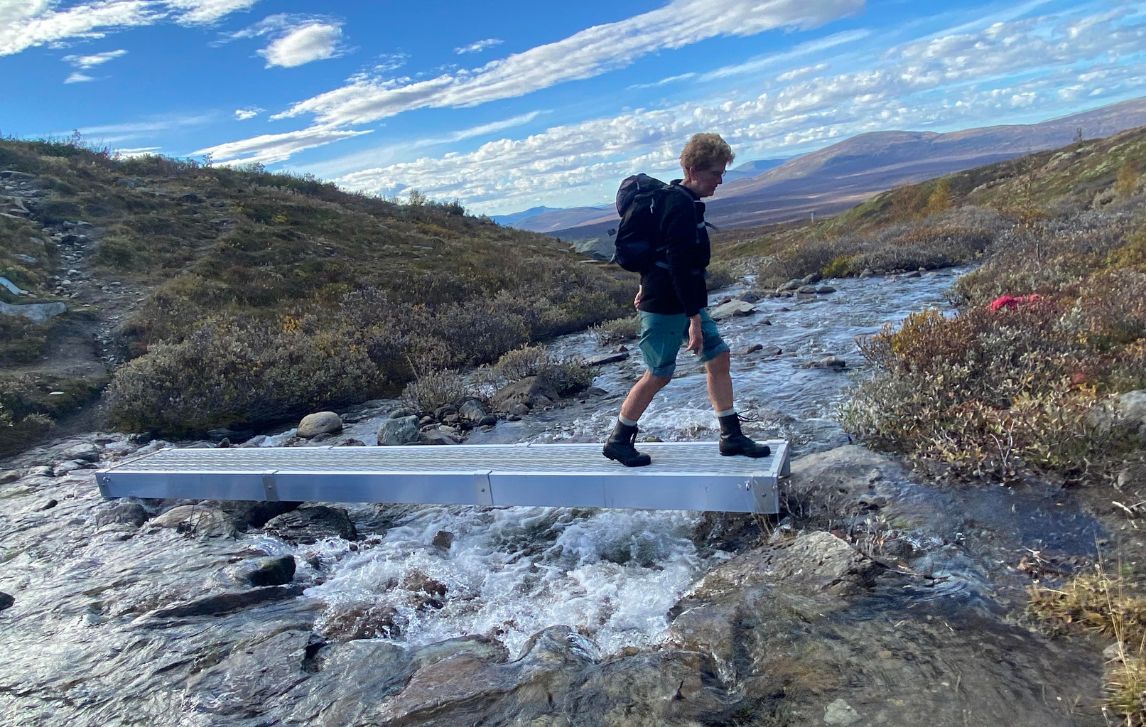
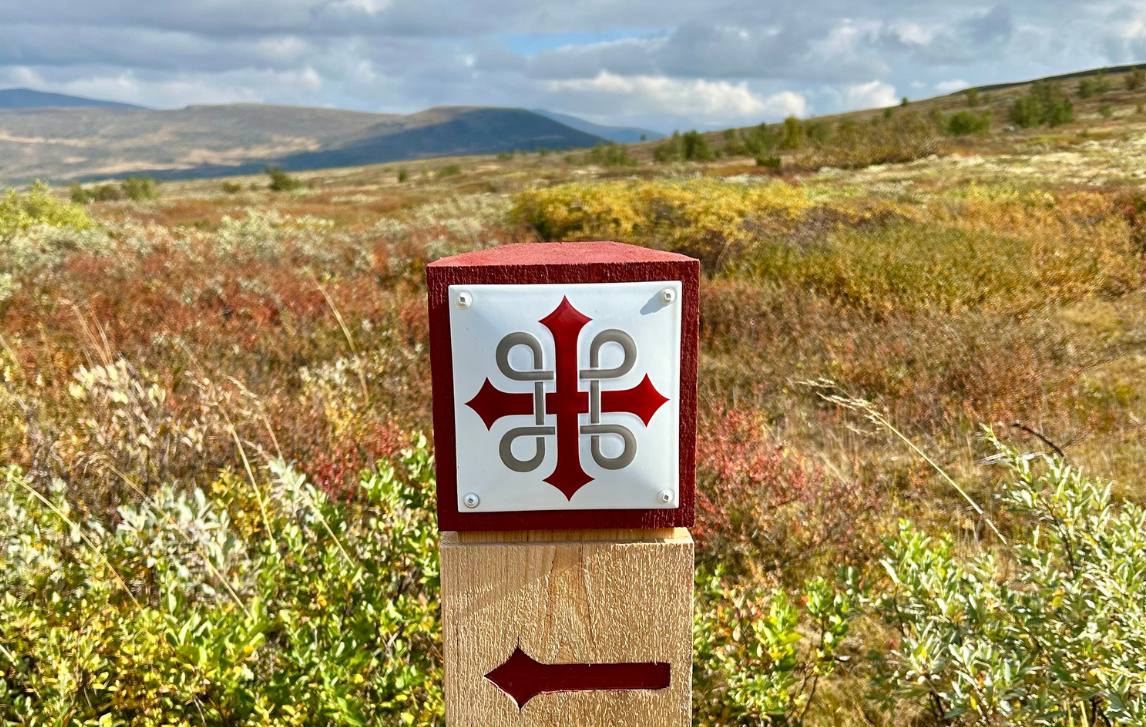
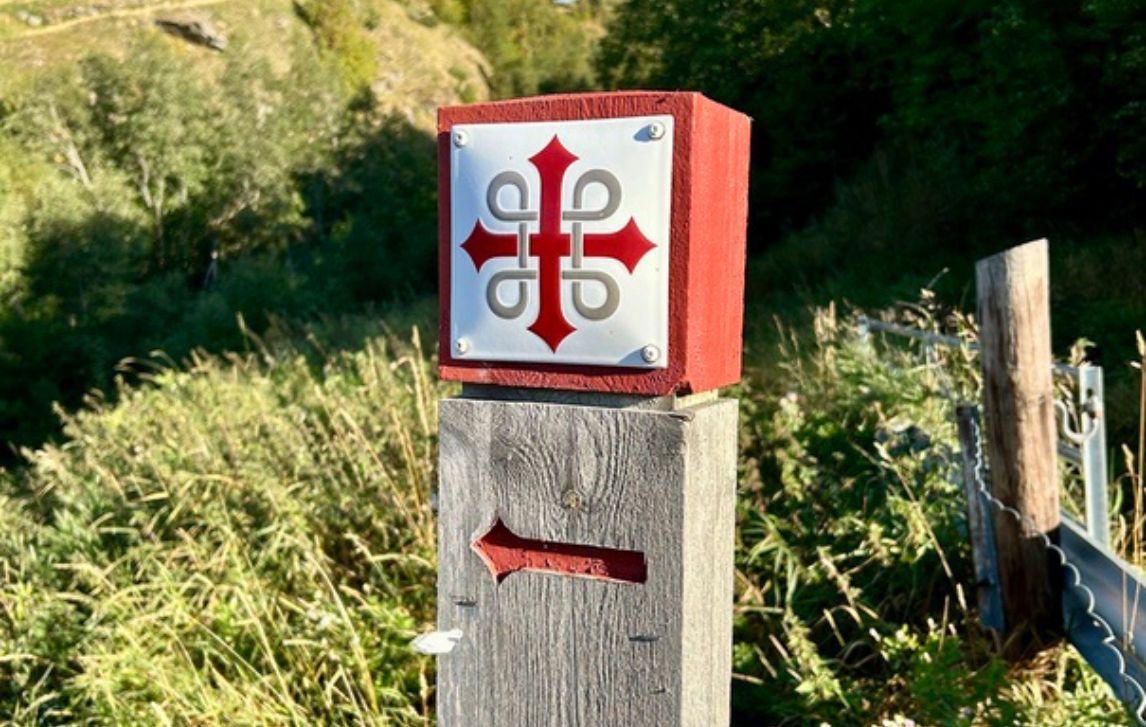
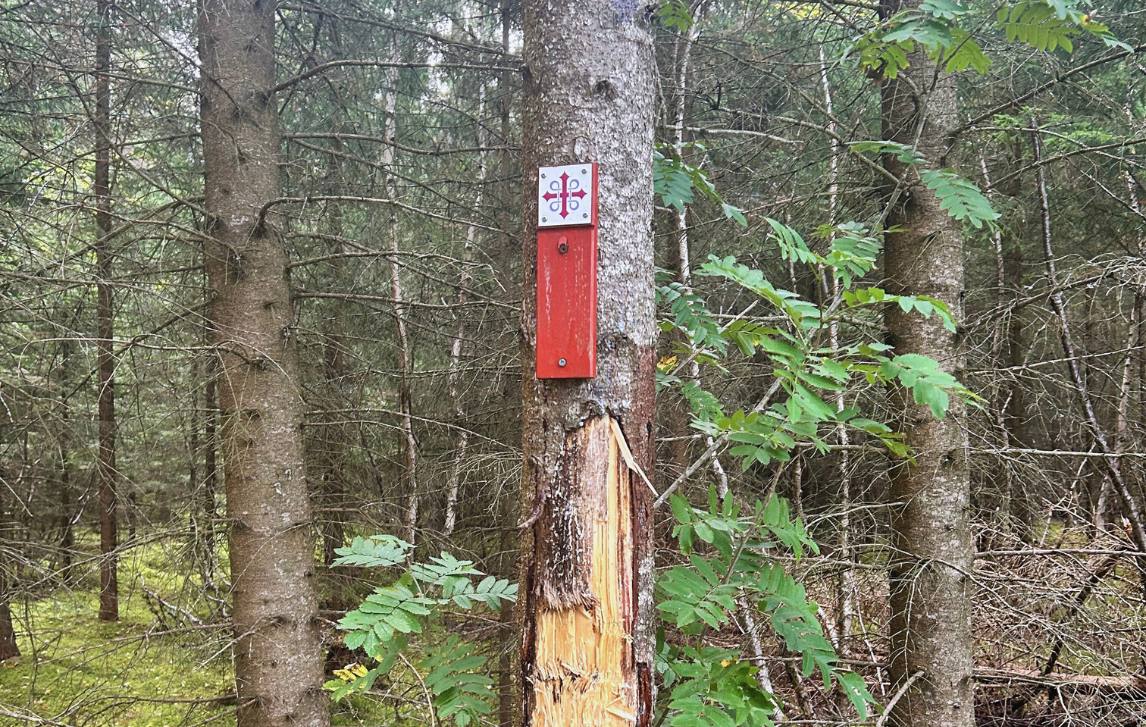
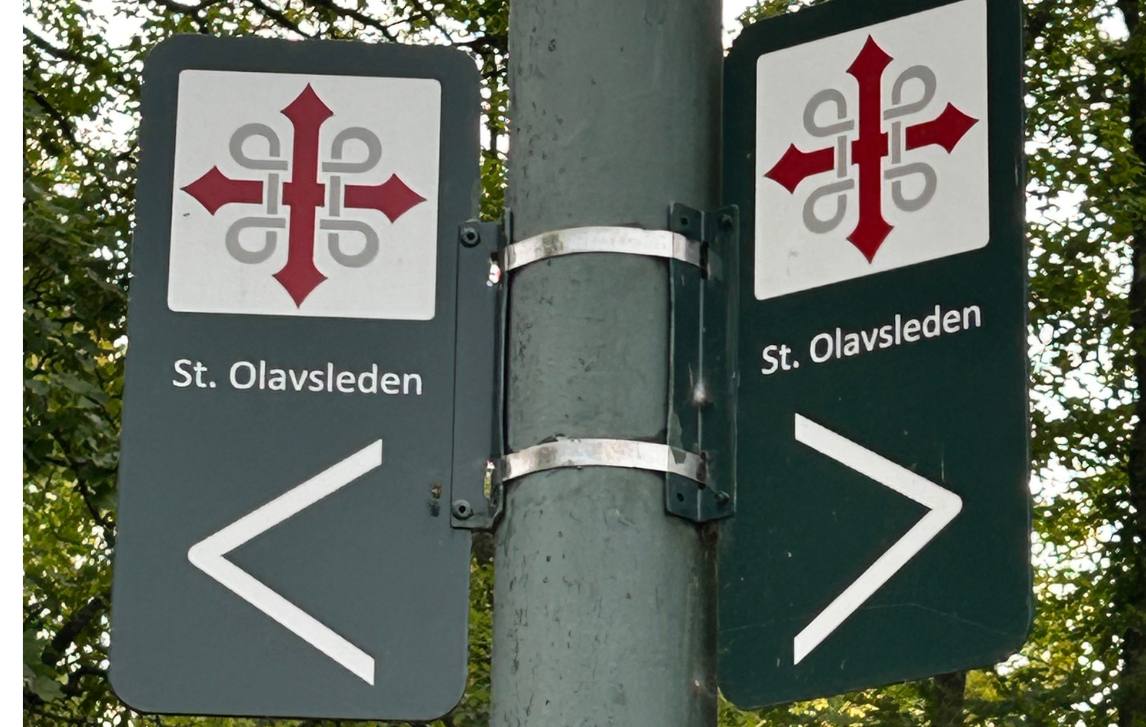
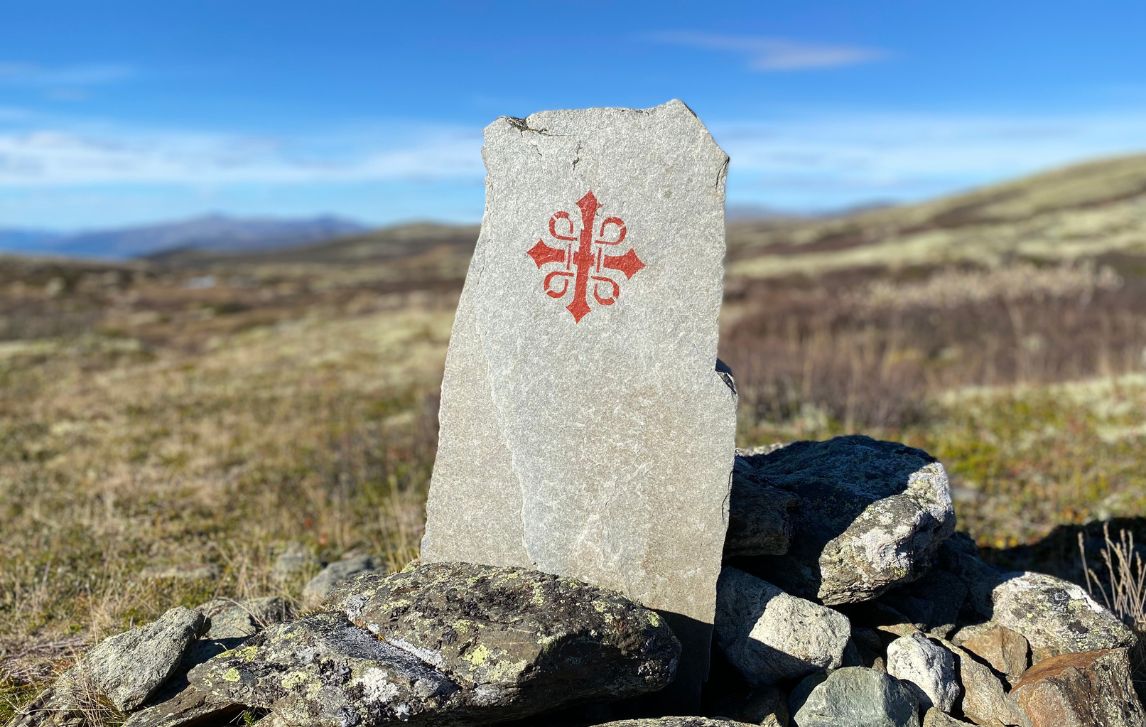
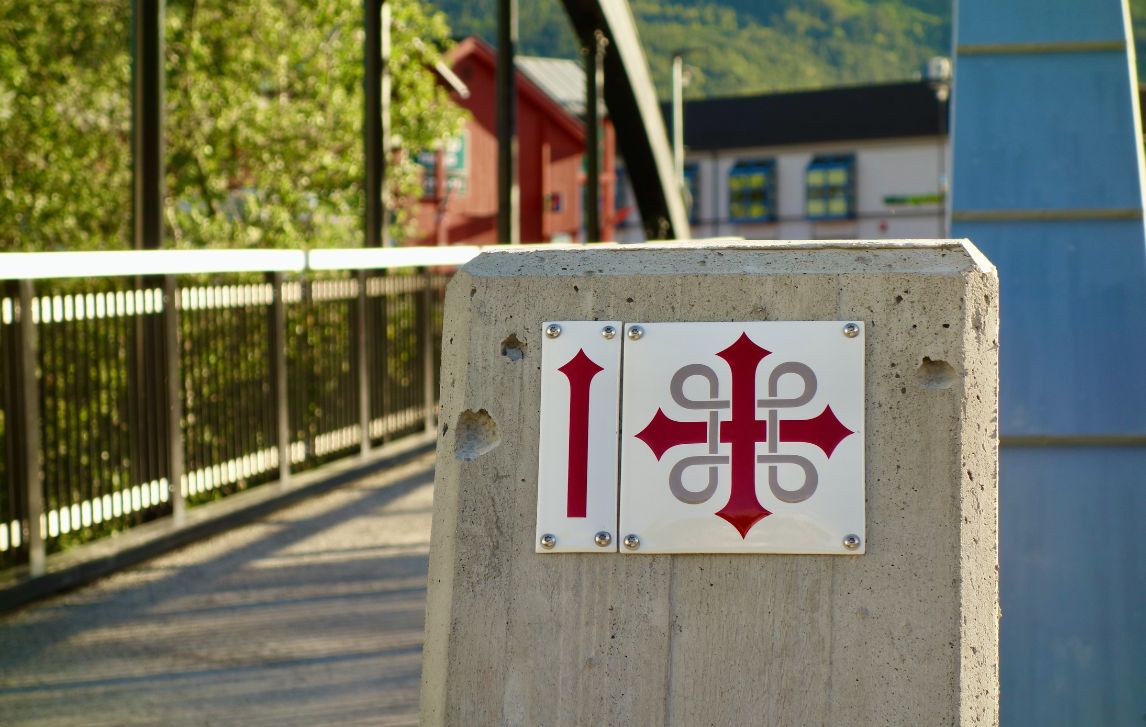
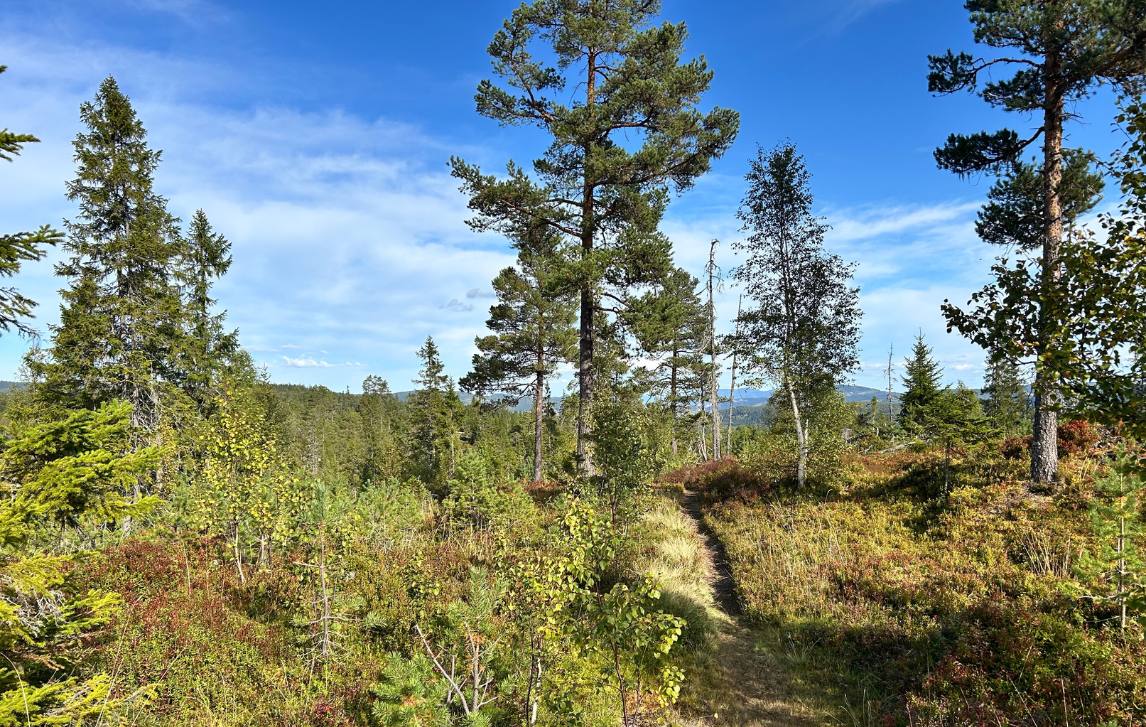
On St Olav’s Way you’ll encounter a varied mix of farm tracks, forest paths, gravel roads, bridges, narrow boardwalks and occasional paved sections. At the beginning of the walk you’ll traverse the Dovre plateau where the trail is remote, stony and more physically demanding than the second half of the itinerary. While much of the route involves moderate rolling terrain, there are some good climbs along the way and the mountain crossings and longer daily distances require a good level of fitness. You should be comfortable walking 20km – 25km per day. Trail conditions can vary with weather. Forest tracks and peat bogs may be muddy, and elevated sections exposed to wind and sudden changes. The route is very well marked but passes through remote areas where self-reliance is important. Phone reception is generally reliable but may be patchy in places.

History
The Legacy of St Olav
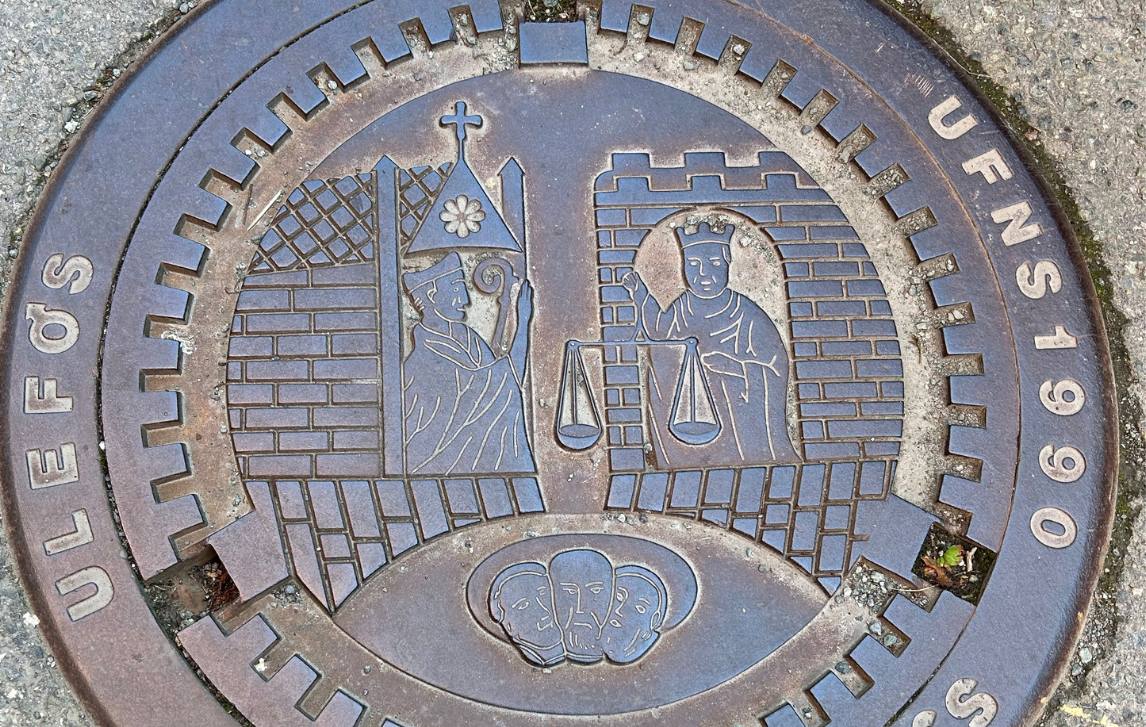
St Olav’s Way traces its origins to King Olav Haraldsson, later canonised as St Olav, who brought Christianity to Norway in the 11th century. After his death at the Battle of Stiklestad in 1030, miraculous events were reported at his grave, and he was declared a saint the following year. Trondheim became a major pilgrimage destination, with Nidaros Cathedral built over his burial site. During the Middle Ages, tens of thousands journeyed along these routes across Scandinavia and beyond, making it one of Europe’s most important pilgrimages. Today, St Olav’s Way revives this centuries-old tradition for modern pilgrims.

Accommodation
Where you stay
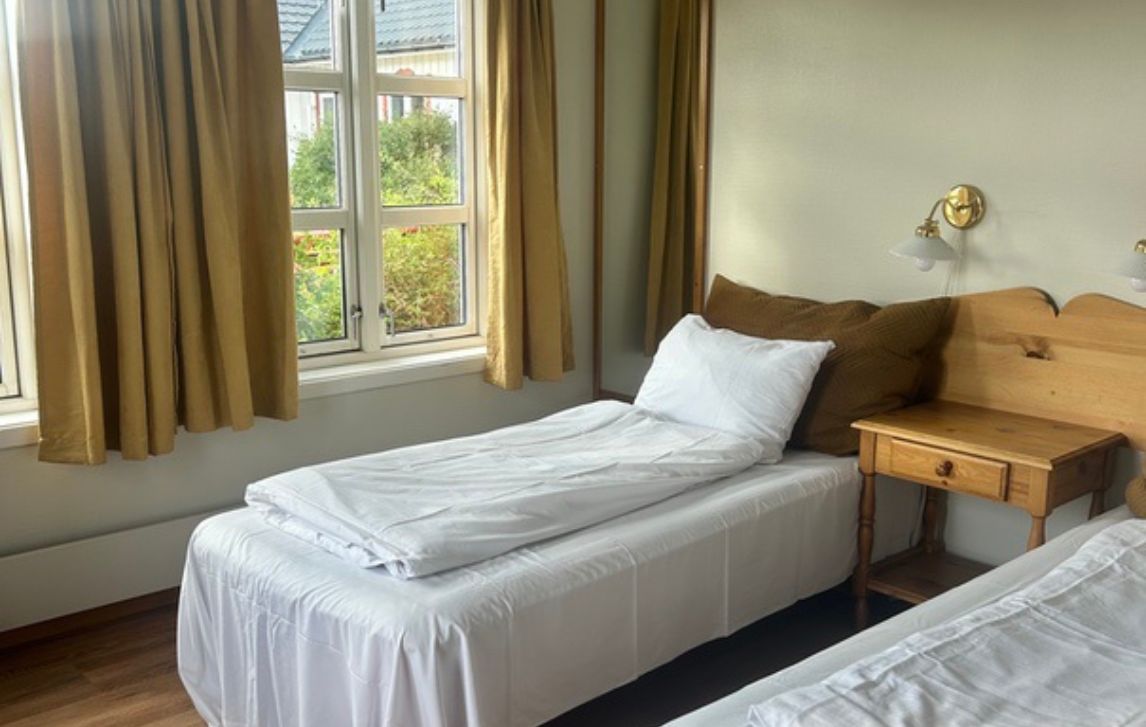
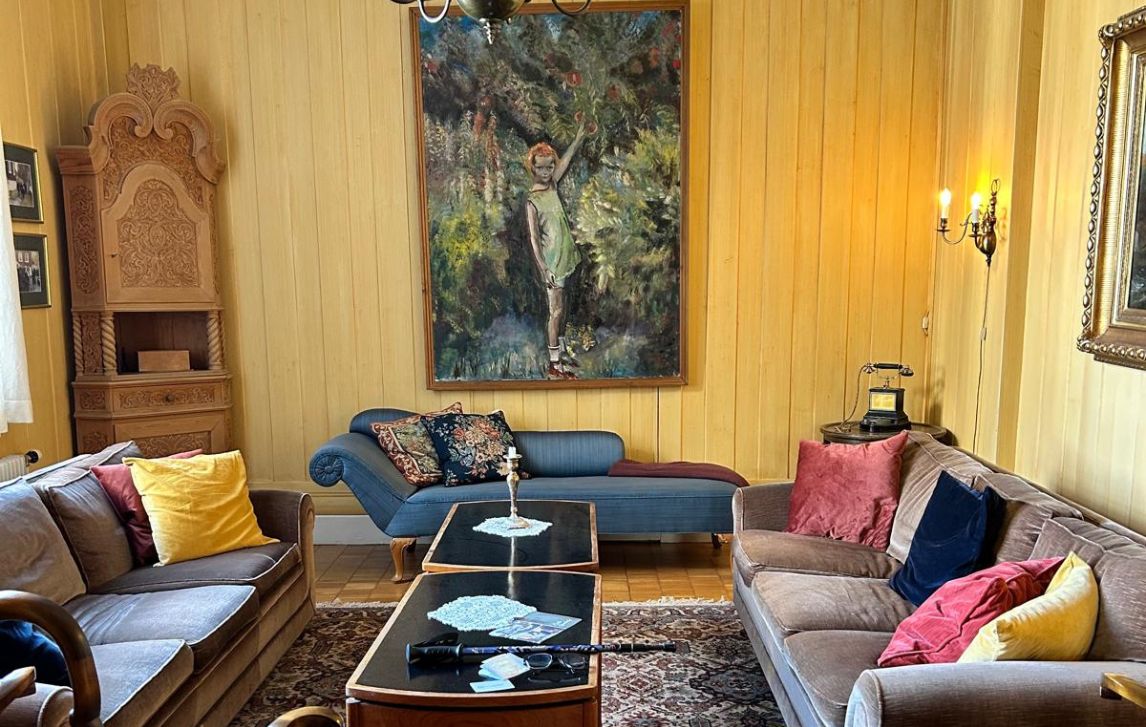
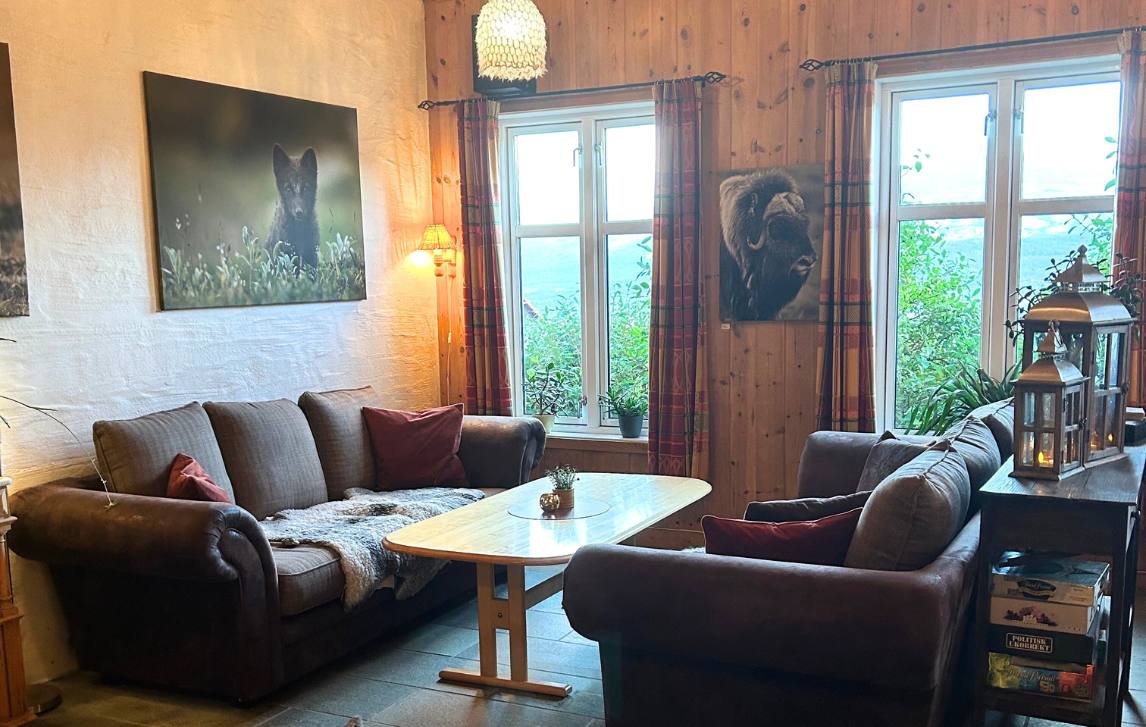
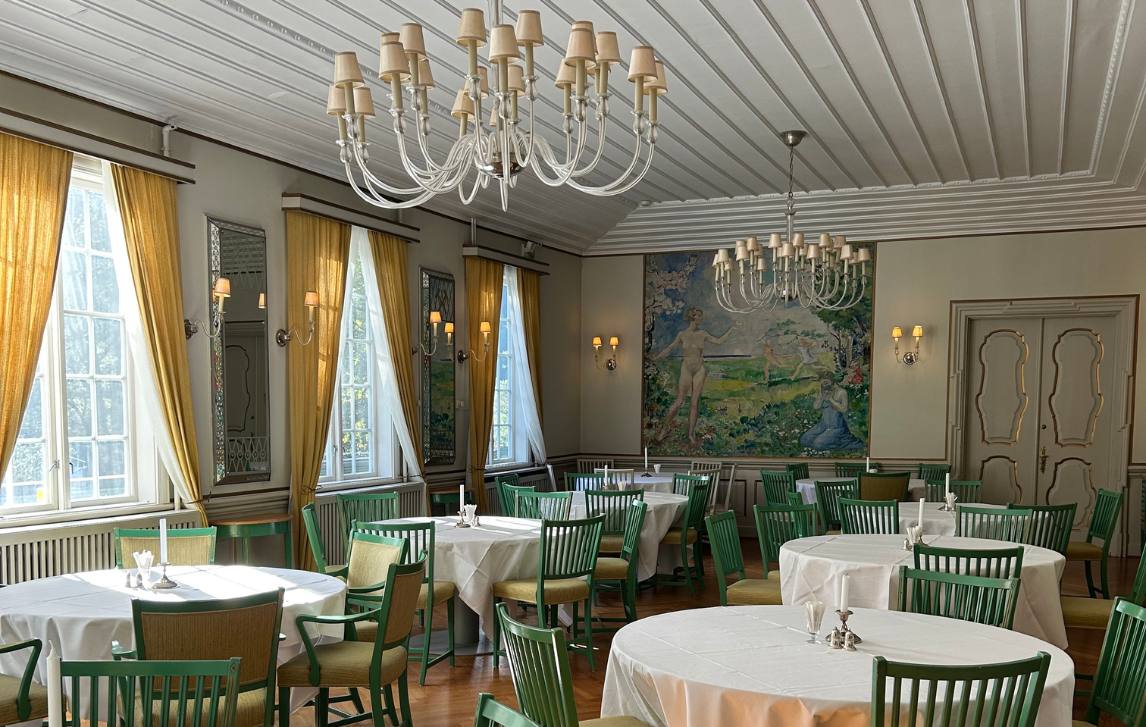
Along St Olav’s Way, pilgrims are welcomed with warm hospitality and a variety of charming places to stay. Accommodation ranges from comfortable hotels, and guesthouses to traditional lodges and cosy cabins or farmstays, each offering a glimpse into Norwegian culture and countryside life. Many are set in peaceful villages, by lakes or among forests, creating a sense of tranquillity after a day of walking. Hosts are known for their friendliness and care, providing hearty meals and cosy spaces to rest. Whether simple or more refined, the lodgings combine comfort with character, making each overnight stop a memorable part of the journey.

TRIP INFO & NAVIGATION
RAW TRAVEL APP
Our app gives you access to your itinerary, accommodation details, emergency contacts and weather information in one handy place. The ‘Route Maps’ feature helps with navigation when trail markings or signage is unclear or not available. You can also use it to find your accommodation and key points of interest. You still need to be self-reliant with wayfinding. As with any phone app, it’s not intended to be used constantly as you walk. For the best results with trail navigation, we recommend that you follow trail and road signs, and as a backup refer to a paper map or guidebook and our app. It’s essential to download and explore the RAW Travel app before your trip – it’s full of handy features to support your journey. Find out more here.

Norway
St Olav’s Way – Oppdal to Trondheim
- Serenity of peaceful trails and open farmland
- Welcoming Norwegian villages and warm hospitality
- Charming Oppdal, surrounded by stunning mountain scenery
- Moose, reindeer and a variety of birdlife
$3,590.00

Norway
Norway’s Lofoten Islands
- Spectacular Arctic landscapes and the magic of the Midnight Sun
- Charming stays in traditional waterfront rorbuer cabins
- Rich Norwegian culture and the freshest Nordic seafood
- Immersive and expertly guided small-group tours
$6,595.00

Switzerland
Walker’s Haute Route – Switzerland
- Fully guided walk from Martigny to Zermatt
- View the north face of the breathtaking Matterhorn
- Enjoy local Swiss cuisine and meeting fellow trekkers
- Trek with our English-speaking International Mountain Leader
$5,695.00

European Alps
Dolomites Circular Trek
- Best of the central and eastern Dolomites
- Spectacular Cinque Torri and WWI trenches
- Italian hospitality and local specialities
- Walk with an experienced International Mountain Leader
$4,390.00

Slovenia
Triglav Hut-to-Hut Hike – Slovenia
- Enjoy the rugged landscape of Triglav National Park
- Hike through the heart of the Julian Alps
- Share amazing stories with mountain hut keepers
- Understand the area’s rich natural and cultural history
$2,295.00

Slovenia
Julian Alps Highlights – Slovenia
- Slovenia’s best hiking trails
- Lake Bled, Julian Alps, Soča Valley, Triglav National Park
- Local cheeses, cherries and decadent desserts
- Stunning and tranquil Lake Bohinj and quaint villages
$3,995.00
FAQs
St Olav's Way – Frequently asked questions
How long is St Olav's Way?
The full route from Oslo to Trondheim is approximately 640km. Our itinerary from Dovre to Trondheim covers approximately 215km.
How do I get to the start of St Olav's Way?
From Australia, fly to Oslo. Then train to Lillehammer and take a bus to Dovre, or alternatively take a train from Oslo to Dovre.
When is the best time to walk St Olav's Way?
St Olav’s Way is best experienced in summer (June, July, August), when Norway’s long days, mild temperatures, and lush landscapes make walking a joy. While other European pilgrim routes can be hot and crowded at this time of year, here you’ll find cool mountain air, peaceful trails, and space to truly immerse yourself in the journey.
How does St Olav’s Way compare to the Camino de Santiago?
St Olav’s Way is often seen as the Camino’s quieter northern counterpart, and it was once one of the four great medieval pilgrimages among Rome, Santiago, and Jerusalem. Just like Japan’s Kumano Kodo and Spain’s Camino de Santiago, Norway’s St Olav’s isn’t one route. There are seven different paths through Norway’s countryside (some begin in Sweden), all leading to the famous Nidaros Cathedral in Trondheim. Where the Camino is rich in social connection, cafés and bustling pilgrim towns, St Olav’s Way offers solitude, wilderness, and a chance to experience an ancient pilgrimage before it becomes widely known.
Can I get a pilgrim passport or certificate?
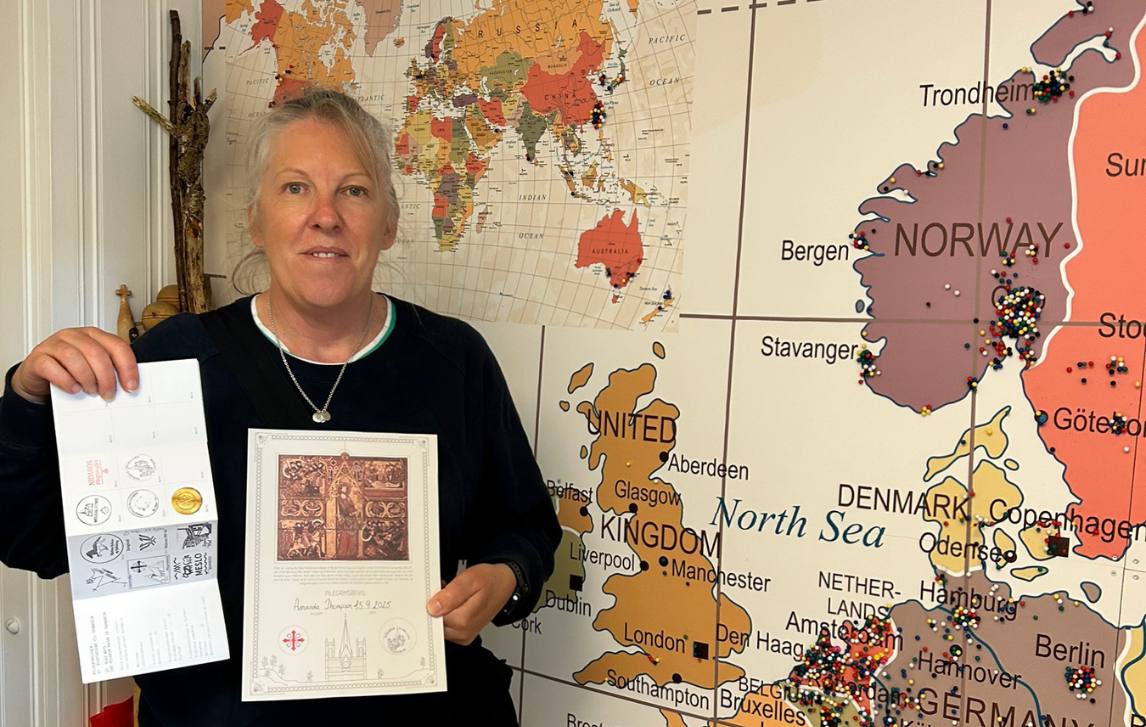
Like the Camino pilgrimage, the trail offers a pilgrim certificate to those who complete the journey. Walkers carry a pilgrim passport, or credential, and collect stamps at designated points – usually churches, hostels, or local businesses. Pilgrims who walk at least the last 100km to Trondheim can receive an official Olav Letter at Nidaros Cathedral.
TRIP date selection
when would you like to travel?
Please select your preferred dates for on-demand trips or select a scheduled date for group departures. If you have booked a self-guided trip please understand that because your trip date is on demand and we must check availability of all properties on your chosen dates before it can be fully confirmed