
Camino Inglés
Walk a quieter path to Santiago on the Camino Inglés – the English Way
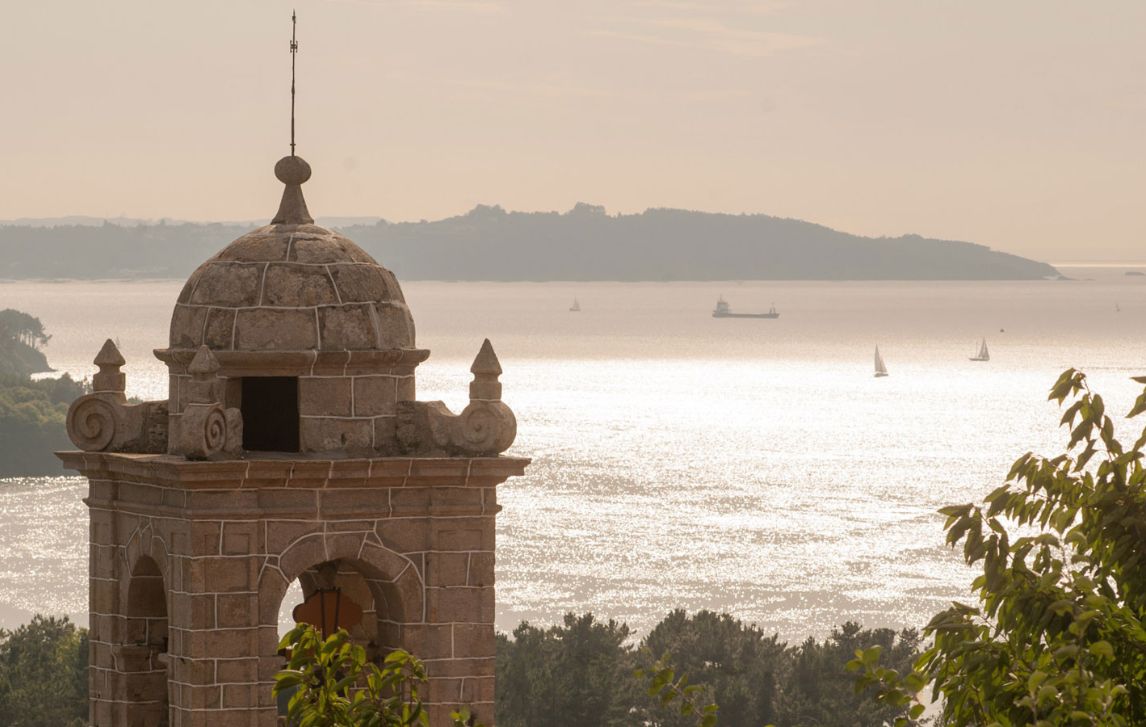
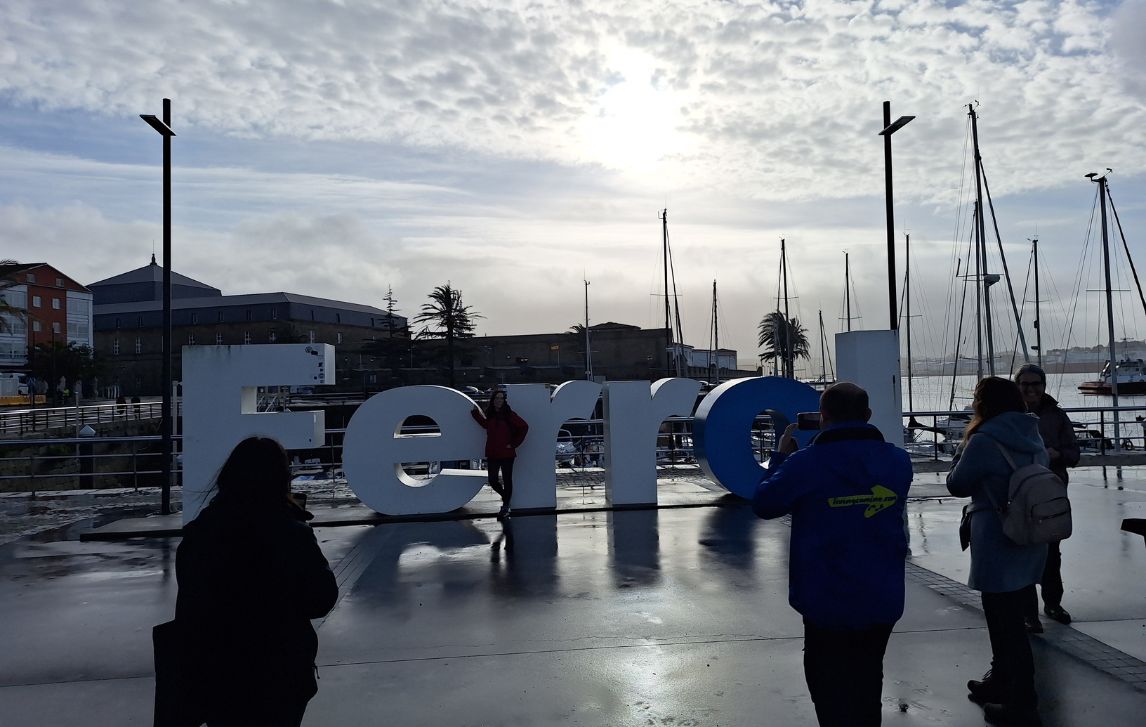
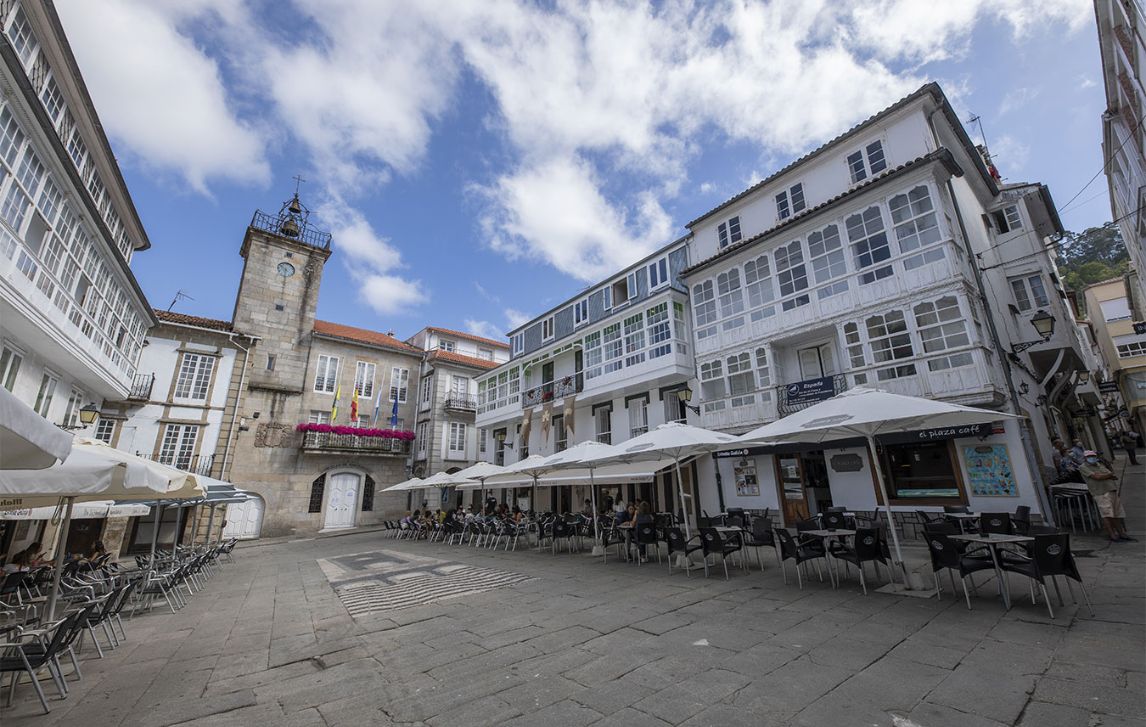
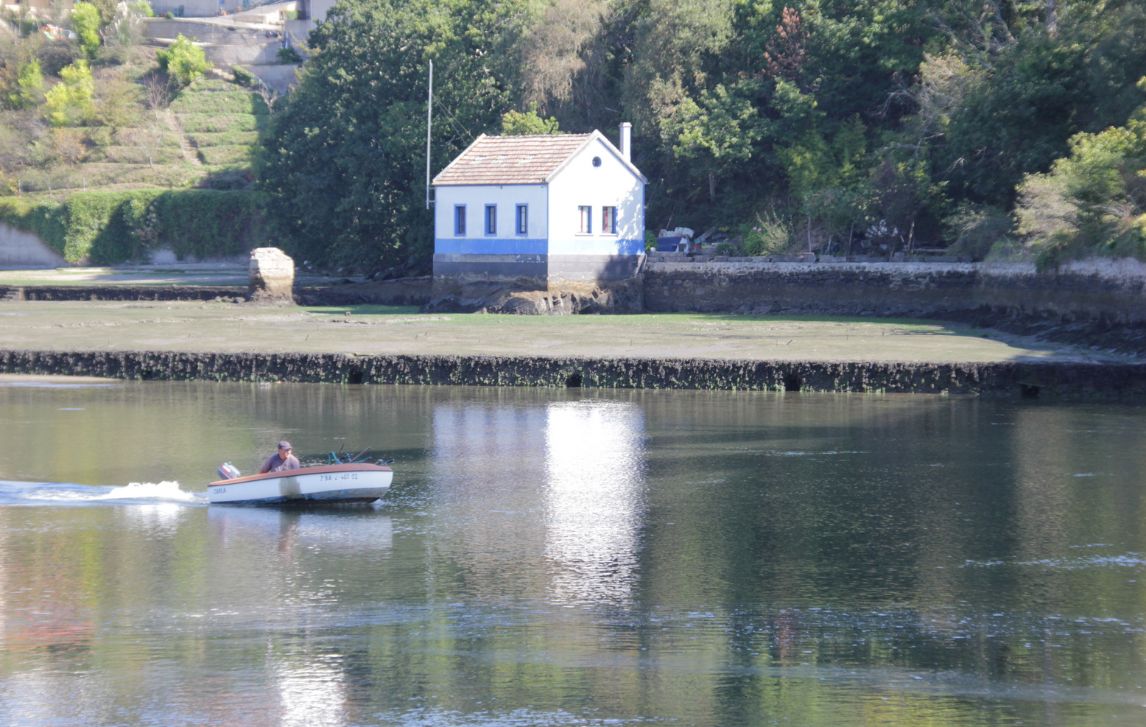
The Camino Inglés, or English Way, is one of the shortest and most peaceful routes of the Camino de Santiago. Beginning on Spain’s north coast in Galicia, it follows the historic inland paths once taken by pilgrims arriving by sea from England, Ireland and northern Europe. After landing at the ports of Ferrol or A Coruña, these travellers continued their journey on foot to Santiago de Compostela, a tradition that continues today.
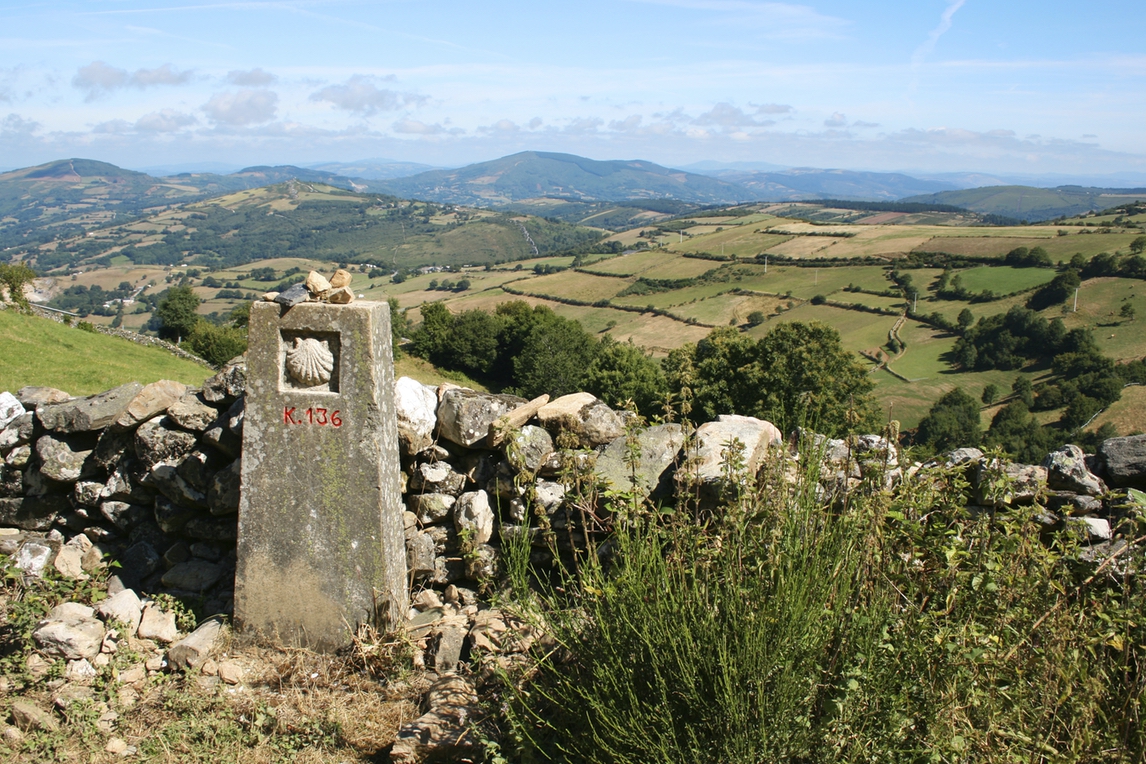
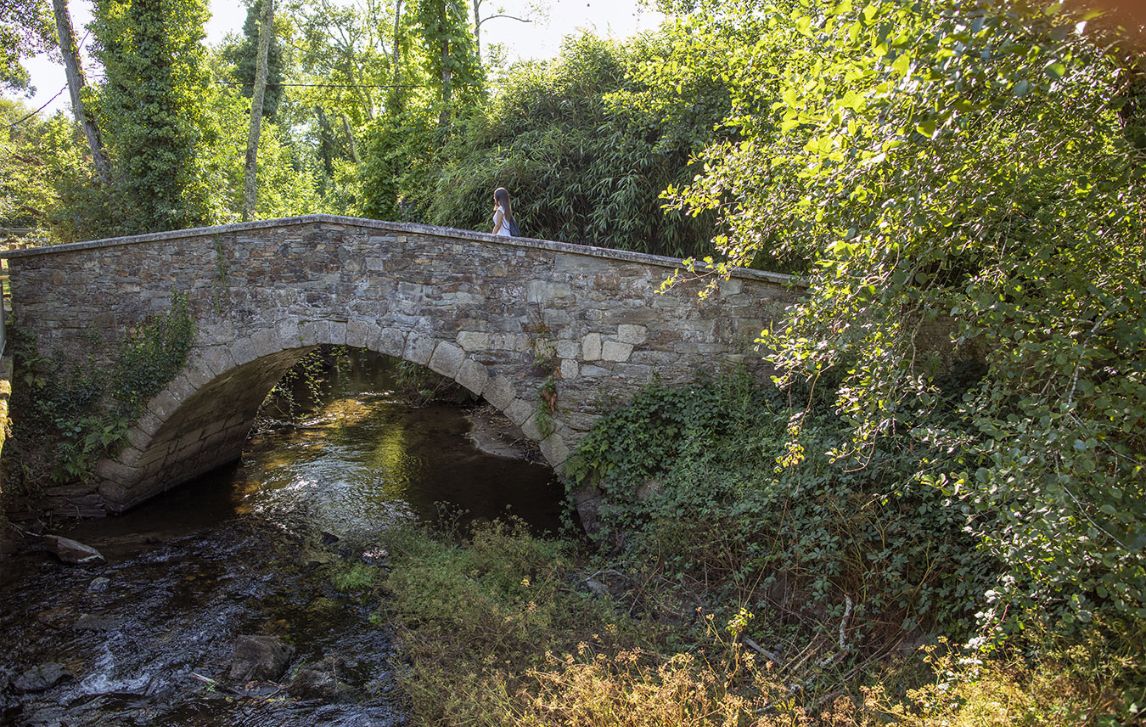
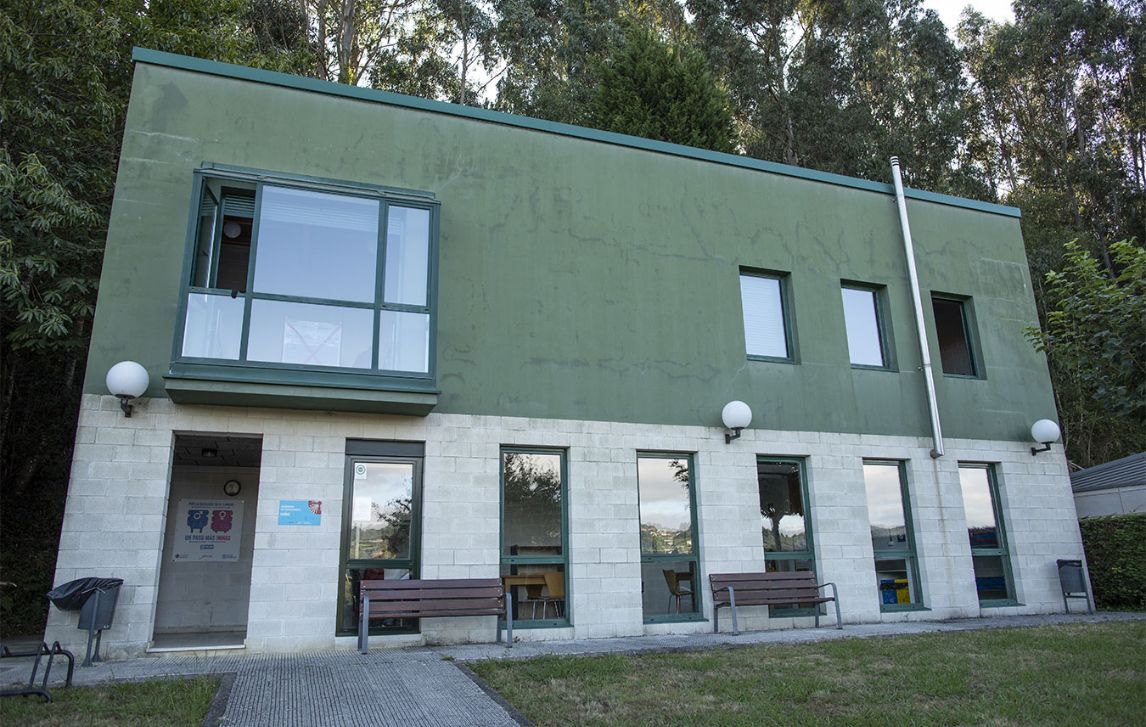
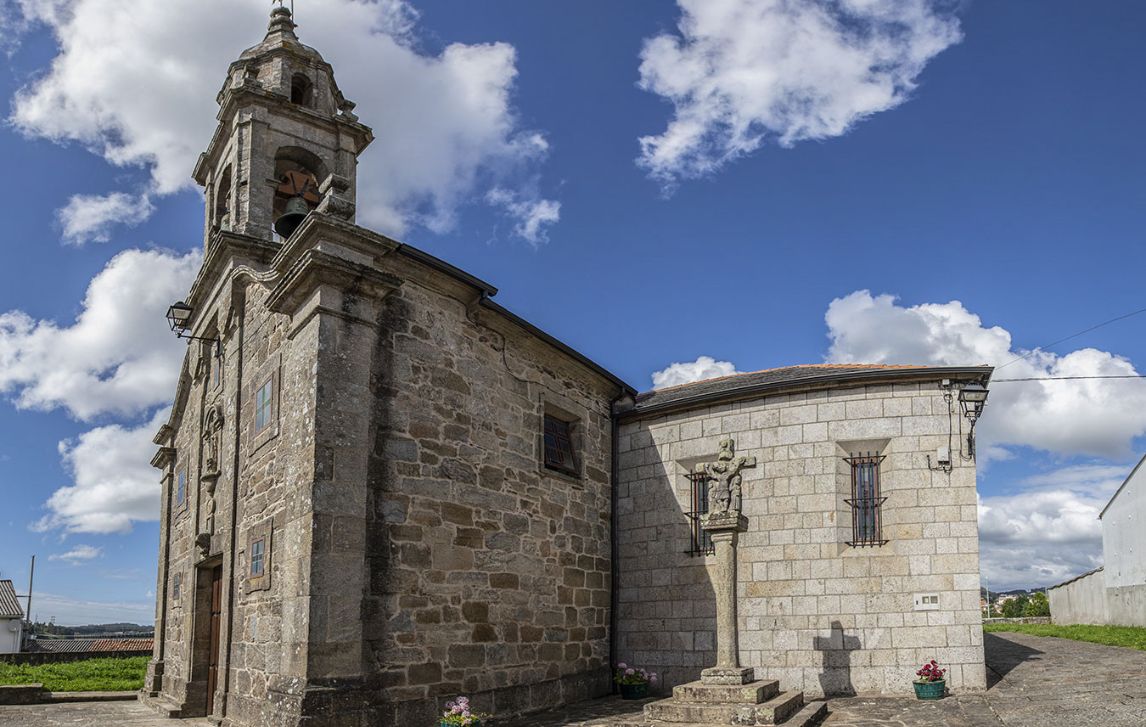
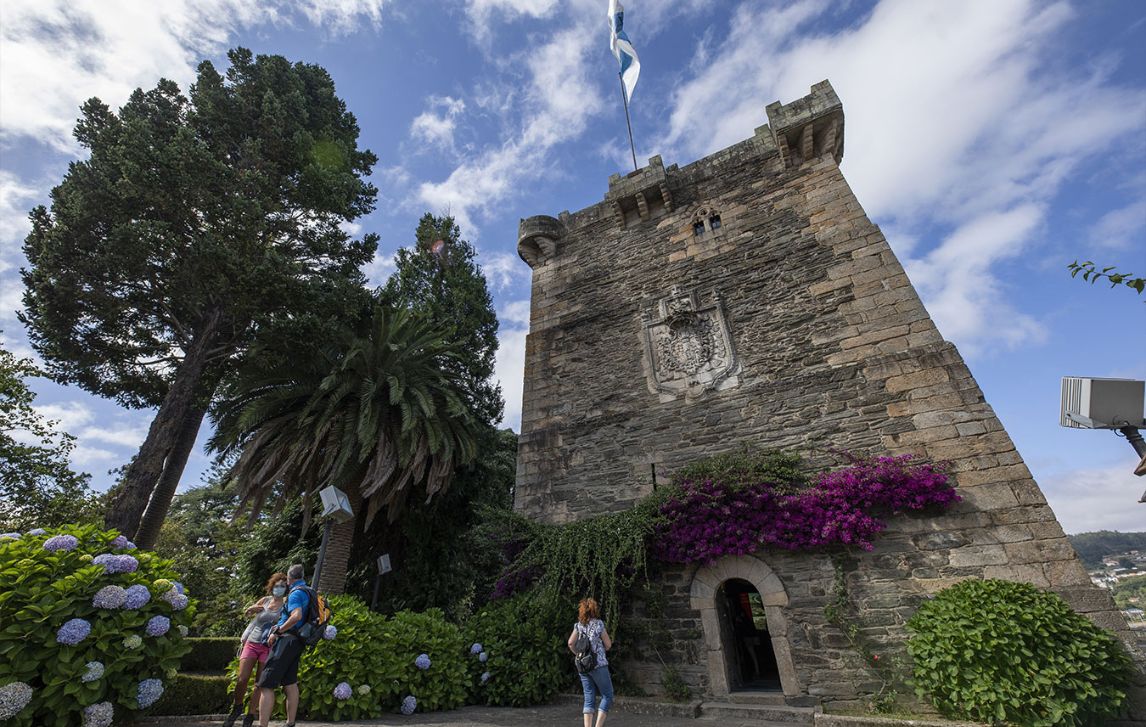
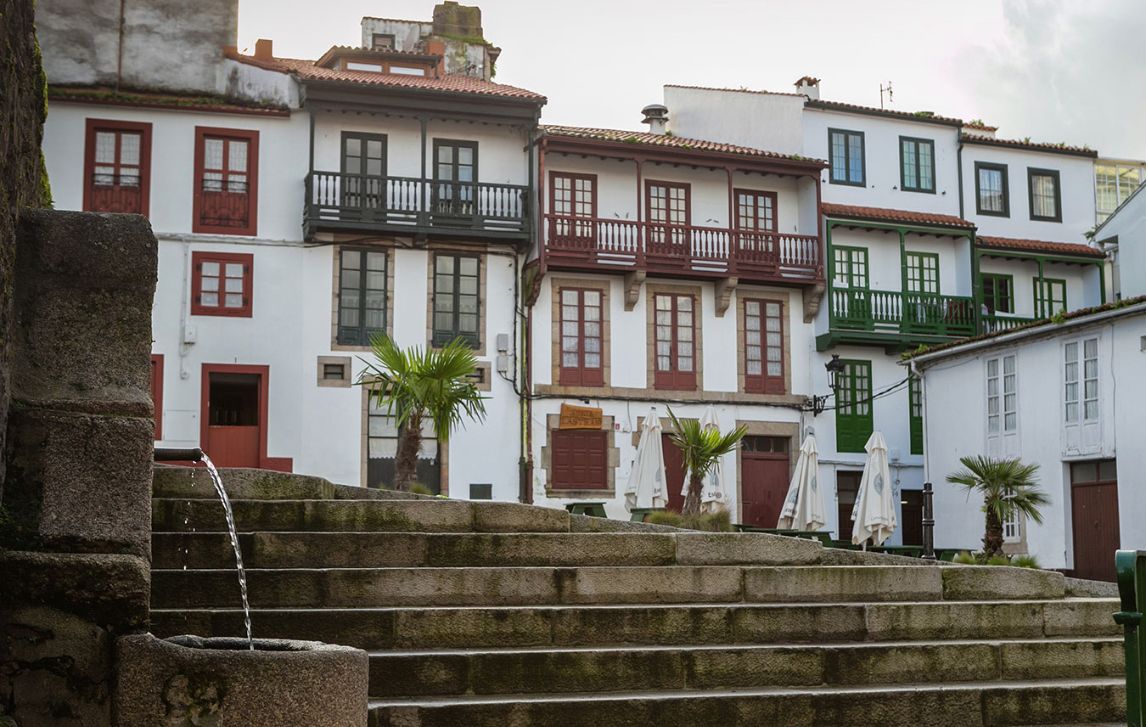
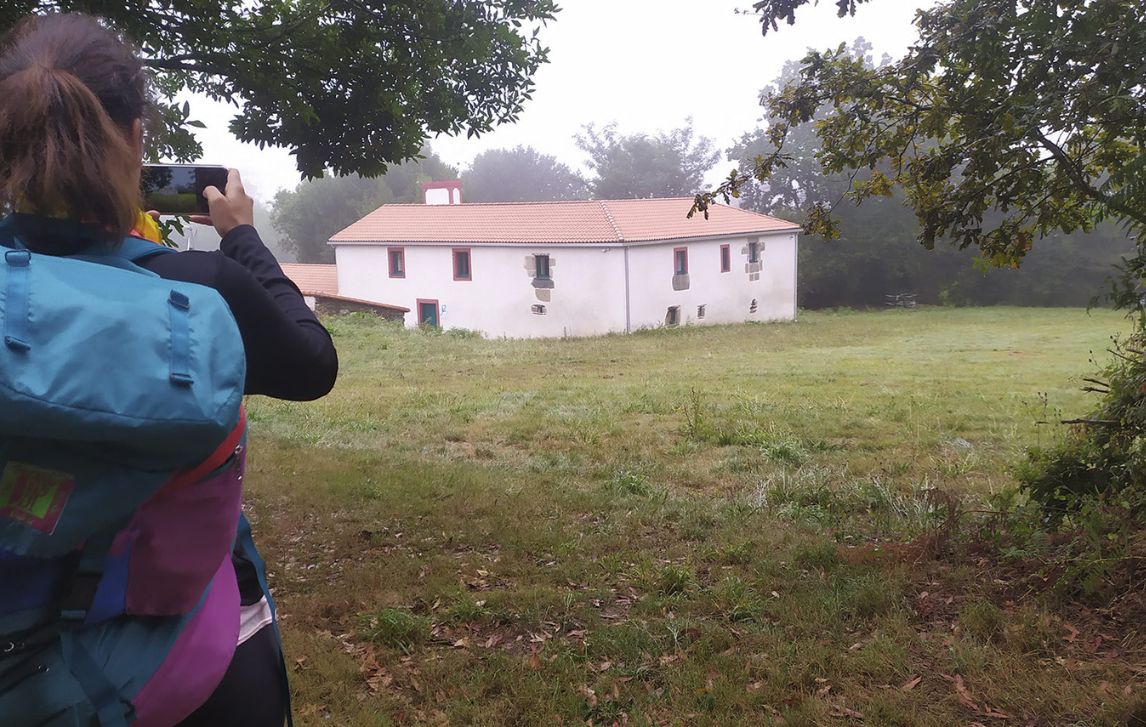
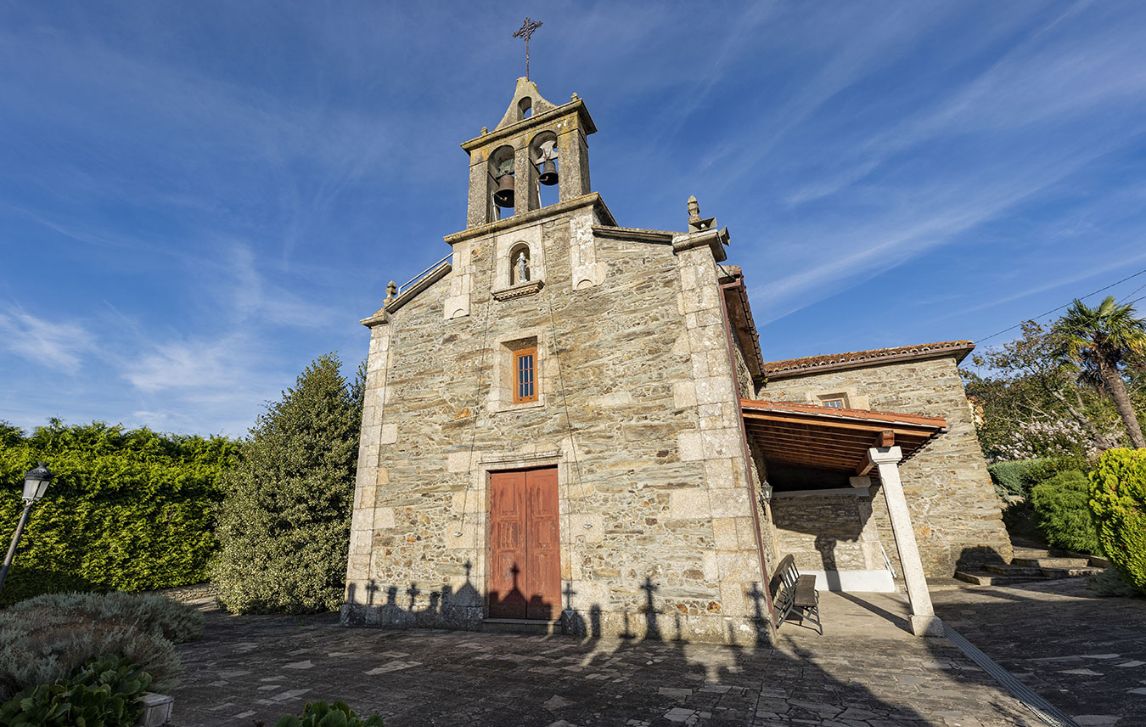
Unlike the busier Camino Francés, the Camino Inglés offers a more intimate walking experience through Galicia’s green countryside, forests and rural villages. With fewer pilgrims on the trail, the atmosphere is calm and reflective, allowing time to connect more deeply with the landscape, local culture and rhythm of daily life along the route.
This route is well suited to travellers seeking a shorter Camino that still finishes in Santiago, or those drawn to quieter trails and a more authentic, local feel. The walking is varied yet manageable, with gentle rolling terrain and well-marked paths that lead from coastal towns into the heart of rural Galicia.
Whether you choose the longer Ferrol to Santiago route, which meets the traditional distance required for the Compostela, or the shorter A Coruña option, the Camino Inglés offers a rewarding journey rich in history and character. It is a path that invites you to slow down, embrace simplicity and experience the Camino in a more peaceful and personal way, where the focus is less on crowds and more on the journey itself.



Camino Ingles
The RAW Travel Difference

%20-%20https://sketch.com%20--%3E%20%20%20%20%3Ctitle%3E2BEF0861-EB1D-425C-9FAF-B3E1770476BC%3C/title%3E%20%20%20%20%3Cdesc%3ECreated%20with%20sketchtool.%3C/desc%3E%20%20%20%20%3Cg%20id=%22Desktop%22%20stroke=%22none%22%20stroke-width=%221%22%20fill=%22none%22%20fill-rule=%22evenodd%22%3E%20%20%20%20%20%20%20%20%3Cg%20id=%22Homepage-2-(1920)-Video%22%20transform=%22translate(-217.000000,%20-4546.000000)%22%20fill=%22%2325408F%22%20fill-rule=%22nonzero%22%3E%20%20%20%20%20%20%20%20%20%20%20%20%3Cg%20id=%22feature-trips%22%20transform=%22translate(0.000000,%203380.000000)%22%3E%20%20%20%20%20%20%20%20%20%20%20%20%20%20%20%20%3Cg%20id=%22modules-/-feature-trip-2%22%20transform=%22translate(216.000000,%201160.000000)%22%3E%20%20%20%20%20%20%20%20%20%20%20%20%20%20%20%20%20%20%20%20%3Cg%20id=%22feature-trip-1%22%3E%20%20%20%20%20%20%20%20%20%20%20%20%20%20%20%20%20%20%20%20%20%20%20%20%3Cg%20id=%22Icons-/-stylised-/-boot%22%20transform=%22translate(1.000000,%200.000000)%22%3E%20%20%20%20%20%20%20%20%20%20%20%20%20%20%20%20%20%20%20%20%20%20%20%20%20%20%20%20%3Cg%20id=%22002-hiking%22%20transform=%22translate(0.000000,%205.400000)%22%3E%20%20%20%20%20%20%20%20%20%20%20%20%20%20%20%20%20%20%20%20%20%20%20%20%20%20%20%20%20%20%20%20%3Cpath%20d=%22M59.707,35.0751424%20L55.707,31.0537817%20C55.554,30.8999647%2055.355,30.800436%2055.142,30.7692705%20L48.345,29.7930852%20L31.704,19.6099945%20L25.953,1.30174465%20C25.873,1.0453829%2025.693,0.831245448%2025.454,0.709599287%20C25.217,0.586947786%2024.939,0.566840982%2024.683,0.651289557%20L21.419,1.74509967%20C19.374,2.42973632%2018,4.34692003%2018,6.51342811%20L18,6.63105291%20L13,6.63105291%20C12.868,6.63105291%2012.737,6.65719175%2012.615,6.7084641%20L6,9.47918162%20L6,8.64173325%20C6,6.97890061%204.654,5.62571273%203,5.62571273%20C1.346,5.62571273%200,6.97890061%200,8.64173325%20L0,12.6630939%20L0.014,12.6630939%20C0.014,12.7445265%200.009,12.8249537%200.03,12.9073916%20C1.953,20.6404682%201.953,28.8148892%200.03,36.5479658%20C0.01,36.6273876%200,36.7088202%200,36.7912581%20L0,42.8232991%20C0,45.595022%202.243,47.85%205,47.85%20L18,47.85%20C18.323,47.85%2018.626,47.6931669%2018.813,47.4287625%20L20.925,44.4559716%20L26.316,45.7066148%20L27.105,47.2940469%20C27.275,47.6348572%2027.621,47.85%2028,47.85%20L39.184,47.85%20C46.458,47.85%2053.502,45.7056094%2059.555,41.6490618%20C59.833,41.4620685%2060,41.1484024%2060,40.8126188%20L60,35.7859179%20C60,35.5195028%2059.895,35.263141%2059.707,35.0751424%20Z%20M25.591,6.82307288%20L29.109,18.0215571%20L25.709,15.9415082%20L24,13.363816%20L24,7.35489783%20L25.591,6.82307288%20Z%20M20,6.51342811%20C20,5.21352326%2020.824,4.0634141%2022.052,3.65222997%20L24.353,2.88113406%20L24.989,4.90488383%20L22.684,5.67698508%20C22.275,5.81471669%2022,6.19775129%2022,6.63105291%20L22,10.3477955%20L20,7.33177501%20L20,6.51342811%20Z%20M18,14.6737743%20L18,8.64173325%20L18.465,8.64173325%20L24.168,17.2424184%20C24.249,17.3650699%2024.356,17.4676146%2024.48,17.5430151%20L26.501,18.7795836%20L23.292,22.0057202%20L24.706,23.4272712%20L28.259,19.8552975%20L30.023,20.9350329%20L30.046,21.0084227%20L30.11,20.9883159%20L31.474,21.8227483%20L28.292,25.0217407%20L29.706,26.4432917%20L33.232,22.8984622%20L36.447,24.865913%20L33.292,28.0377612%20L34.706,29.4593122%20L38.205,25.9416269%20L41.42,27.9090777%20L38.292,31.0537817%20L39.706,32.4753327%20L43.178,28.9847917%20L46.393,30.9522424%20L43.292,34.0698022%20L44.706,35.4913533%20L48.353,31.8248776%20L54.528,32.7115877%20L57.148,35.3455789%20L43.946,39.770081%20L26.217,35.8090407%20C26.092,35.7818966%2025.962,35.7778752%2025.836,35.7989873%20L20.941,36.6193449%20C20.546,30.1529969%2016.948,24.5572735%2011.714,21.4095534%20L17.708,15.3835445%20C17.895,15.1965512%2018,14.9401894%2018,14.6737743%20Z%20M3.298,20.7721678%20C11.636,21.4095534%2018.3,28.1091404%2018.934,36.4926721%20L12.242,34.810738%20C12.04,34.7594656%2011.823,34.775551%2011.629,34.8529622%20L6.969,36.7269163%20L2.372,35.1857298%20C3.362,30.4505776%203.67,25.5897579%203.298,20.7721678%20Z%20M13.2,8.64173325%20L16,8.64173325%20L16,14.2575635%20L9.862,20.4283414%20C7.784,19.4732683%205.509,18.8921817%203.113,18.7524394%20C2.897,16.9076402%202.59,15.0738997%202.172,13.2622767%20L13.2,8.64173325%20Z%20M2,8.64173325%20C2,8.08779082%202.448,7.63639308%203,7.63639308%20C3.552,7.63639308%204,8.08779082%204,8.64173325%20L4,10.3176353%20L2,11.1550837%20L2,8.64173325%20Z%20M58,40.2697351%20C57.346,40.6939886%2056.677,41.0900927%2056,41.4670952%20L56,40.8126188%20L54,40.8126188%20L54,42.4915369%20C53.342,42.8041977%2052.674,43.0897143%2052,43.3591454%20L52,42.8232991%20L50,42.8232991%20L50,44.0850011%20C49.339,44.3031599%2048.673,44.5012119%2048,44.6781518%20L48,43.8286393%20L46,43.8286393%20L46,45.1476456%20C45.337,45.2803505%2044.672,45.4050127%2044,45.4995147%20L44,44.8339795%20L42,44.8339795%20L42,45.7156628%20C41.336,45.7699512%2040.669,45.7940793%2040,45.8101648%20L40,44.8339795%20L38,44.8339795%20L38,45.8393197%20L36,45.8393197%20L36,44.8339795%20L34,44.8339795%20L34,45.8393197%20L32,45.8393197%20L32,44.8339795%20L30,44.8339795%20L30,45.8393197%20L28.618,45.8393197%20L27.894,44.3845924%20C27.76,44.1161666%2027.515,43.9221359%2027.224,43.8547782%20L20.724,42.3467679%20C20.332,42.2572926%2019.92,42.412115%2019.686,42.7428719%20L17.485,45.8393197%20L17,45.8393197%20L17,43.8286393%20L15,43.8286393%20L15,45.8393197%20L13,45.8393197%20L13,43.8286393%20L11,43.8286393%20L11,45.8393197%20L9,45.8393197%20L9,43.8286393%20L7,43.8286393%20L7,45.8393197%20L5,45.8393197%20L5,43.8286393%20L3,43.8286393%20L3,45.0551543%20C2.391,44.5022172%202,43.7110145%202,42.8232991%20L2,37.1813301%20L6.684,38.7506661%20C6.908,38.8260666%207.152,38.8180239%207.372,38.7305593%20L12.072,36.8405198%20L19.759,38.7727836%20C19.89,38.8059598%2020.03,38.8119918%2020.165,38.788869%20L25.974,37.8156997%20L43.785,41.7948361%20C43.854,41.8099162%2043.928,41.817959%2044,41.817959%20C44.107,41.817959%2044.214,41.8008682%2044.316,41.7666866%20L58,37.1813301%20L58,40.2697351%20Z%22%20id=%22Shape%22%3E%3C/path%3E%20%20%20%20%20%20%20%20%20%20%20%20%20%20%20%20%20%20%20%20%20%20%20%20%20%20%20%20%3C/g%3E%20%20%20%20%20%20%20%20%20%20%20%20%20%20%20%20%20%20%20%20%20%20%20%20%3C/g%3E%20%20%20%20%20%20%20%20%20%20%20%20%20%20%20%20%20%20%20%20%3C/g%3E%20%20%20%20%20%20%20%20%20%20%20%20%20%20%20%20%3C/g%3E%20%20%20%20%20%20%20%20%20%20%20%20%3C/g%3E%20%20%20%20%20%20%20%20%3C/g%3E%20%20%20%20%3C/g%3E%3C/svg%3E "Boot icon")
AUSTRALIA'S MOST EXPERIENCED CAMINO OPERATOR
More people travel with RAW Travel to the Camino than any other operator in Australia and NZ. We take care of all the details: accommodation, luggage transfers, maps, breakfasts and transport. You can just relax and concentrate on your Camino knowing you have a secure booking each night with luggage transfers, so all you carry is your daypack.
%20-%20https://sketch.com%20--%3E%20%20%20%20%3Ctitle%3EIcons%20/%20stylised%20/%20location%3C/title%3E%20%20%20%20%3Cdesc%3ECreated%20with%20Sketch.%3C/desc%3E%20%20%20%20%3Cg%20id=%22Icons-/-stylised-/-location%22%20stroke=%22none%22%20stroke-width=%221%22%20fill=%22none%22%20fill-rule=%22evenodd%22%3E%20%20%20%20%20%20%20%20%3Cg%20id=%22016-location%22%20transform=%22translate(5.000000,%200.000000)%22%20fill=%22%2325408F%22%20fill-rule=%22nonzero%22%3E%20%20%20%20%20%20%20%20%20%20%20%20%3Cpath%20d=%22M46.372437,52.6810084%20C46.5277311,52.4282353%2046.6830252,52.1801681%2046.8383193,51.9226891%20C53.822521,40.3596639%2057.3371429,30.2447059%2057.2867227,21.8621849%20C57.2221533,9.85625337%2047.472303,0.157054924%2035.466198,0.155020517%20C23.4600931,0.15298675%2013.7069569,9.84888098%2013.6383193,21.8547899%20C13.5872269,30.2447059%2017.102521,40.3610084%2024.0867227,51.9226891%20C24.2420168,52.1801681%2024.3973109,52.4282353%2024.552605,52.6810084%20C9.8487395,54.4981513%200.100840336,59.7532773%200.100840336,65.992605%20C0.100840336,73.8258824%2015.6302521,79.9616807%2035.4621849,79.9616807%20C55.2941176,79.9616807%2070.8235294,73.8258824%2070.8235294,65.992605%20C70.8235294,59.7532773%2061.0756303,54.4981513%2046.372437,52.6810084%20Z%20M15.9912605,21.8621849%20C15.9515727,14.8785229%2019.6550067,8.40844263%2025.696951,4.90586941%20C31.7388954,1.4032962%2039.1939178,1.40471186%2045.2345315,4.90957948%20C51.2751451,8.41444711%2054.9761217,14.8859334%2054.9337815,21.8695798%20C55.0346218,38.5808403%2039.4110924,59.1919328%2035.4621849,64.1344538%20C31.5132773,59.1919328%2015.8890756,38.5801681%2015.9912605,21.8621849%20L15.9912605,21.8621849%20Z%20M35.4621849,77.6087395%20C15.7169748,77.6087395%202.45378151,71.6020168%202.45378151,65.992605%20C2.45378151,61.0178151%2012.2884034,56.3892437%2025.9388235,54.8880672%20C28.5788836,59.0102153%2031.4596216,62.973166%2034.5660504,66.7563025%20C34.7893269,67.0195131%2035.1170295,67.1712547%2035.4621849,67.1712547%20C35.8073402,67.1712547%2036.1350428,67.0195131%2036.3583193,66.7563025%20C39.4649782,62.973184%2042.3459409,59.0102329%2044.9862185,54.8880672%20C58.6332773,56.3892437%2068.4712605,61.0151261%2068.4712605,65.992605%20C68.4705882,71.6020168%2055.207395,77.6087395%2035.4621849,77.6087395%20L35.4621849,77.6087395%20Z%22%20id=%22Shape%22%3E%3C/path%3E%20%20%20%20%20%20%20%20%20%20%20%20%3Cpath%20d=%22M25.8433613,70.7946218%20C20.622521,70.1263866%2016.4315966,68.949916%2014.0463866,67.4836975%20C13.6881182,67.2546666%2013.2341436,67.2367865%2012.8589719,67.4369303%20C12.4838002,67.6370742%2012.2458265,68.0240899%2012.2365285,68.4492074%20C12.2272305,68.8743249%2012.4480555,69.2713753%2012.8141176,69.4877311%20C15.4783193,71.1253782%2020,72.4188235%2025.5448739,73.1280672%20C25.5948079,73.1345182%2025.6451136,73.1376623%2025.6954622,73.1374866%20C26.3142249,73.1344802%2026.82491,72.6526832%2026.8638939,72.0351425%20C26.9028778,71.4176019%2026.4568348,70.8754089%2025.8433613,70.7946218%20L25.8433613,70.7946218%20Z%22%20id=%22Path%22%3E%3C/path%3E%20%20%20%20%20%20%20%20%20%20%20%20%3Cpath%20d=%22M37.4379832,71.3566387%20C35.7983193,71.3942857%2034.0907563,71.3855462%2032.4242017,71.3243697%20C32.0038892,71.3088782%2031.6072398,71.5187975%2031.3836675,71.875053%20C31.1600953,72.2313085%2031.143566,72.6797766%2031.3403062,73.0515236%20C31.5370464,73.4232707%2031.9171665,73.6618194%2032.337479,73.6773109%20C33.3714286,73.714958%2034.4215126,73.7344538%2035.4621849,73.7344538%20C36.1465546,73.7344538%2036.8235294,73.7263866%2037.4931092,73.7102521%20C38.1426653,73.6952036%2038.6570421,73.1564473%2038.6420168,72.5068908%20C38.6387694,72.193421%2038.509114,71.8945365%2038.2824408,71.6779883%20C38.0557676,71.46144%2037.7512743,71.3455683%2037.4379832,71.3566387%20L37.4379832,71.3566387%20Z%22%20id=%22Path%22%3E%3C/path%3E%20%20%20%20%20%20%20%20%20%20%20%20%3Cpath%20d=%22M45.3963025,21.8621849%20C45.39556,16.3754395%2040.9471377,11.9281208%2035.4603923,11.9287396%20C29.9736469,11.9293584%2025.5262278,16.3776803%2025.5267228,21.8644257%20C25.5272178,27.3511712%2029.9754395,31.7986906%2035.4621849,31.7983193%20C40.9466687,31.7916496%2045.3907461,27.34667%2045.3963025,21.8621849%20L45.3963025,21.8621849%20Z%20M27.8803361,21.8621849%20C27.8810787,17.6750205%2031.2759167,14.2811857%2035.4630811,14.2816807%20C39.6502454,14.2821757%2043.0442809,17.6768131%2043.0440335,21.8639775%20C43.043786,26.0511419%2039.6493493,29.4453782%2035.4621849,29.4453782%20C31.2761642,29.4409305%2027.8840415,26.0482063%2027.8803361,21.8621849%20Z%22%20id=%22Shape%22%3E%3C/path%3E%20%20%20%20%20%20%20%20%3C/g%3E%20%20%20%20%3C/g%3E%3C/svg%3E "location icon")
DIRECT OPERATIONS & LOCAL ON-GROUND SUPPORT
We don't outsource your trip so we maintain full quality control over your experience. We also have our own ground managers in-country at key points along the Camino to give you any assistance you might need it. You can't beat having local back-up on your Camino when you need it.
%20-%20https://sketch.com%20--%3E%20%20%20%20%3Ctitle%3EIcons%20/%20stylised%20/%20signs%3C/title%3E%20%20%20%20%3Cdesc%3ECreated%20with%20Sketch.%3C/desc%3E%20%20%20%20%3Cg%20id=%22Icons-/-stylised-/-signs%22%20stroke=%22none%22%20stroke-width=%221%22%20fill=%22none%22%20fill-rule=%22evenodd%22%3E%20%20%20%20%20%20%20%20%3Cg%20id=%22020-directional-sign%22%20transform=%22translate(7.000000,%200.000000)%22%20fill=%22%2325408F%22%20fill-rule=%22nonzero%22%3E%20%20%20%20%20%20%20%20%20%20%20%20%3Cpolygon%20id=%22Path%22%20points=%2247.9689062%2072.96875%2050.3126562%2072.96875%2050.3126562%2075.3125%2047.9689062%2075.3125%22%3E%3C/polygon%3E%20%20%20%20%20%20%20%20%20%20%20%20%3Cpath%20d=%22M67.794375,40.3726562%20L38.59375,40.3726562%20L38.59375,28.8703125%20L59.5653125,28.8703125%20L66.7657812,20.6671875%20L59.5653125,12.4640625%20L38.59375,12.4640625%20L38.59375,3.0303125%20L35.5634375,0%20L32.2489063,0%20L29.21875,3.0303125%20L29.21875,12.4640625%20L11.9810938,12.4640625%20L11.9810938,14.8078125%20L58.5039062,14.8078125%20L63.6471875,20.6671875%20L58.5039062,26.5265625%20L5.19390625,26.5265625%20L10.3371875,20.6671875%20L5.19390625,14.8078125%20L9.6371875,14.8078125%20L9.6371875,12.4640625%20L0.018125,12.4640625%20L7.21859375,20.6671875%20L0.018125,28.8703125%20L29.21875,28.8703125%20L29.21875,40.3726562%20L8.2471875,40.3726562%20L1.04671875,48.5757812%20L8.2471875,56.7789062%20L29.21875,56.7789062%20L29.21875,68.28125%20L15.9876562,68.28125%20L11.9829687,73.758125%20L11.9829687,80%20L21.5834375,80%20L21.5834375,77.65625%20L14.3267187,77.65625%20L14.3267187,74.5234375%20L17.1773437,70.625%20L29.21875,70.625%20L29.21875,73.1923437%20L26.875,73.1923437%20L26.875,75.5360937%20L29.21875,75.5360937%20L38.59375,75.5360937%20L40.9375,75.5360937%20L40.9375,73.1923437%20L38.59375,73.1923437%20L38.59375,70.625%20L50.6353125,70.625%20L53.4857812,74.5234375%20L53.4857812,77.65625%20L23.9275,77.65625%20L23.9275,80%20L55.8296875,80%20L55.8296875,73.758125%20L51.825,68.28125%20L38.59375,68.28125%20L38.59375,56.7789062%20L55.8315625,56.7789062%20L55.8315625,54.4351562%20L38.59375,54.4351562%20L38.59375,42.7164062%20L62.6185937,42.7164062%20L57.4753125,48.5757812%20L62.6185937,54.4351562%20L58.1753125,54.4351562%20L58.1753125,56.7789062%20L67.794375,56.7789062%20L60.5939062,48.5757812%20L67.794375,40.3726562%20Z%20M31.5625,4.0009375%20L33.2196875,2.34375%20L34.5926563,2.34375%20L36.25,4.0009375%20L36.25,12.4640625%20L31.5625,12.4640625%20L31.5625,4.0009375%20Z%20M9.30859375,54.4351562%20L4.1653125,48.5757812%20L9.30859375,42.7164062%20L29.21875,42.7164062%20L29.21875,54.4351562%20L9.30859375,54.4351562%20Z%20M36.25,70.625%20L36.25,73.1923437%20L31.5625,73.1923437%20L31.5625,70.625%20L31.5626562,70.625%20L31.5626562,68.28125%20L31.5625,68.28125%20L31.5625,28.8703125%20L36.25,28.8703125%20L36.25,68.28125%20L36.25,70.625%20Z%22%20id=%22Shape%22%3E%3C/path%3E%20%20%20%20%20%20%20%20%20%20%20%20%3Cpolygon%20id=%22Path%22%20points=%2246.1439063%2017.1515625%2048.4876563%2017.1515625%2048.4876563%2019.4953125%2046.1439063%2019.4953125%22%3E%3C/polygon%3E%20%20%20%20%20%20%20%20%20%20%20%20%3Cpolygon%20id=%22Path%22%20points=%2250.8314063%2017.1515625%2057.8626563%2017.1515625%2057.8626563%2019.4953125%2050.8314063%2019.4953125%22%3E%3C/polygon%3E%20%20%20%20%20%20%20%20%20%20%20%20%3Cpolygon%20id=%22Path%22%20points=%2241.45625%2017.1515625%2043.8001562%2017.1515625%2043.8001562%2019.4953125%2041.45625%2019.4953125%22%3E%3C/polygon%3E%20%20%20%20%20%20%20%20%20%20%20%20%3Cpolygon%20id=%22Path%22%20points=%2224.0123438%2049.7478125%2026.35625%2049.7478125%2026.35625%2052.0915625%2024.0123438%2052.0915625%22%3E%3C/polygon%3E%20%20%20%20%20%20%20%20%20%20%20%20%3Cpolygon%20id=%22Path%22%20points=%2219.3248437%2049.7478125%2021.6685937%2049.7478125%2021.6685937%2052.0915625%2019.3248437%2052.0915625%22%3E%3C/polygon%3E%20%20%20%20%20%20%20%20%20%20%20%20%3Cpolygon%20id=%22Path%22%20points=%229.94984375%2049.7478125%2016.9810937%2049.7478125%2016.9810937%2052.0915625%209.94984375%2052.0915625%22%3E%3C/polygon%3E%20%20%20%20%20%20%20%20%3C/g%3E%20%20%20%20%3C/g%3E%3C/svg%3E "signs icon")
FLEXIBLE TRIPS TAILORED TO YOUR NEEDS
Flexibility is at the heart of our offer. We listen to what you want and tailor the daily walking distances to your ability and timeframes, giving you the experience you want. We can vary the length of stages and find the accommodation that best suits your individual needs and budget.

UNIQUE & HISTORIC ACCOMMODATION
We book all our arrangements directly. With our long-standing relationships with hotels, you'll be well looked after. You'll stay in authentic, quality accommodation from grand Parador hotels to charming casa rurales. We have chosen the most interesting and centrally located lodgings right along the Camino route.

Camino Inglés
Camino Inglés – Ferrol to Santiago
- Walk the full 120 km Camino Inglés from Ferrol to Santiago
- Follow a historic maritime pilgrimage route into the heart of Galicia
- Meet the 100 km requirement to receive your Compostela certificate
- Arrive in Santiago and attend Pilgrim Mass at the famous Cathedral.
$1,595.00

Camino Inglés
Camino Inglés – Ferrol to Santiago Slow Walk
- Complete the 120 km Camino Inglés at a relaxed, comfortable pace
- Shorter daily stages allow deeper immersion in Galicia’s rural landscapes
- Extra time to explore villages, local culture and regional traditions
- Reach Santiago refreshed, with your Compostela earned along the way
$2,395.00
Camino Inglés
Camino Ingles – A Coruna to Santiago
- Walk 75 km from A Coruña to Santiago through coastal Galicia
- Ideal shorter Camino for travellers limited on time
- Experience peaceful trails linking seaside scenery with rural countryside
- Finish in Santiago de Compostela, a UNESCO World Heritage city
$1,395.00
Explore
Camino Ingles Route Map
Ferrol
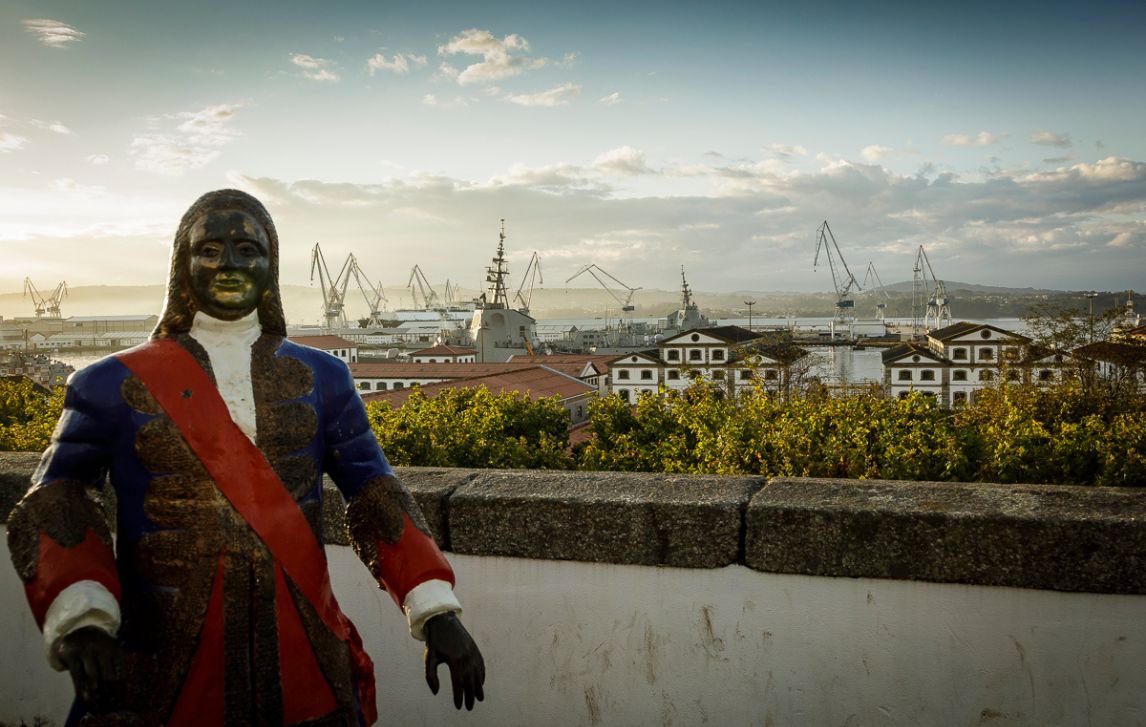
Ferrol is a historic port city on Galicia’s northern coast and the traditional starting point of the Camino Inglés. Shaped by its strong naval heritage, the city combines maritime character with elegant architecture and a lively waterfront. With its coastal setting and rich history, Ferrol offers a memorable and atmospheric beginning to the journey towards Santiago.
CLICK ON A PIN TO REVEAL INFORMATION ABOUT THAT LOCATION
Neda
Neda is a historic riverside town long known for its baking tradition, shaped by pure river water and the mills that once supplied sailors and passing pilgrims. This heritage continues today in its local bakeries, giving the town a warm and welcoming atmosphere. With its strong connection to Camino history, Neda offers a rewarding and characterful place to pause for the night.
Cabanas
Cabanas is a peaceful coastal town overlooking the wide estuary of the River Eume. Known for its long sandy beach and open views, it has a relaxed seaside atmosphere shaped by the rhythms of the Atlantic. Calm and spacious, Cabanas provides a refreshing and scenic stop along the Camino Inglés.
Pontedeume
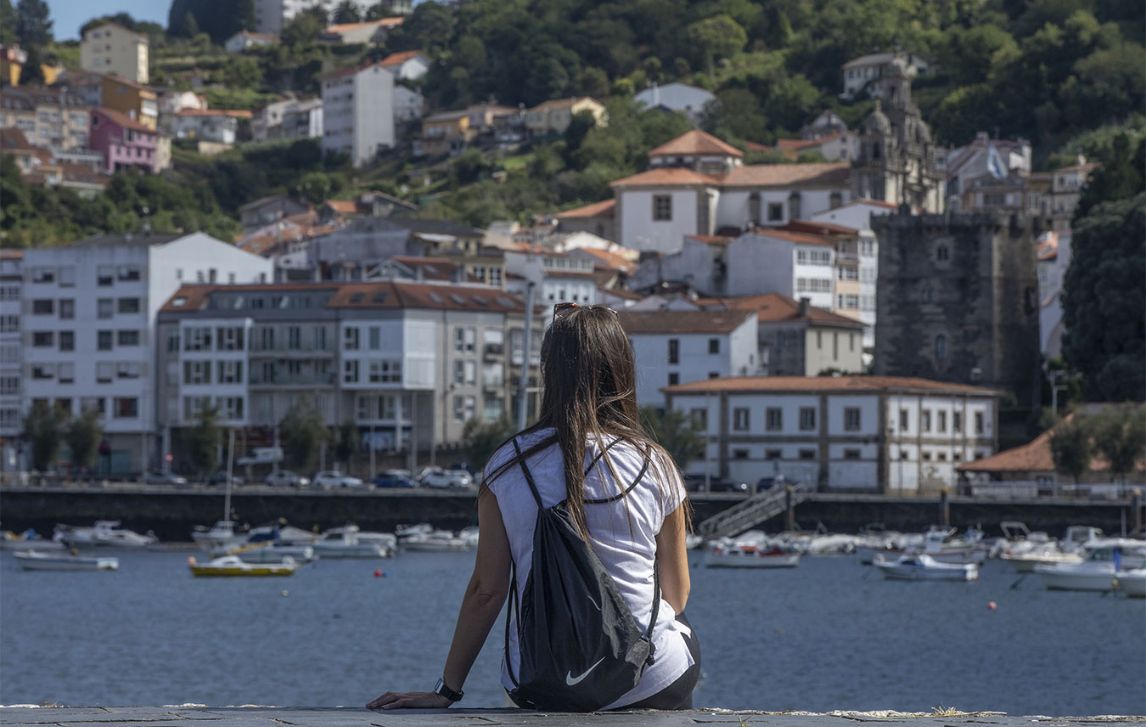
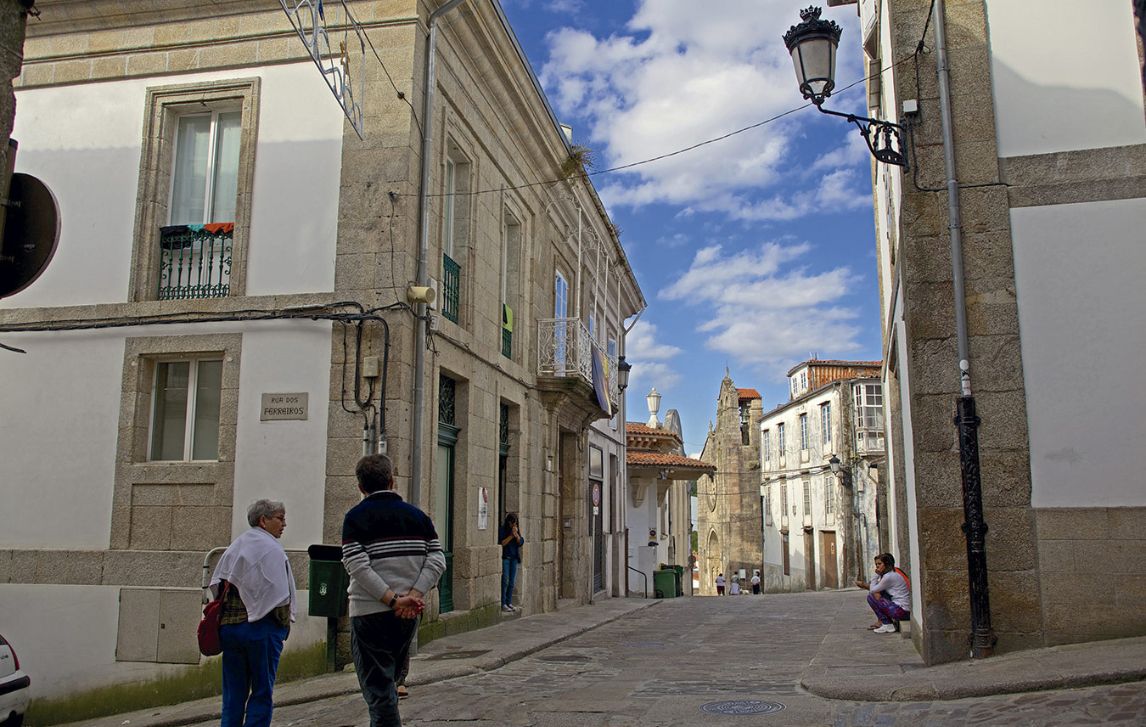
Pontedeume is a charming historic town set at the mouth of the River Eume. Its medieval bridge, narrow streets and traditional arcaded buildings reflect centuries of local history. Lively yet welcoming, Pontedeume blends riverside beauty with authentic Galician character.
Miño
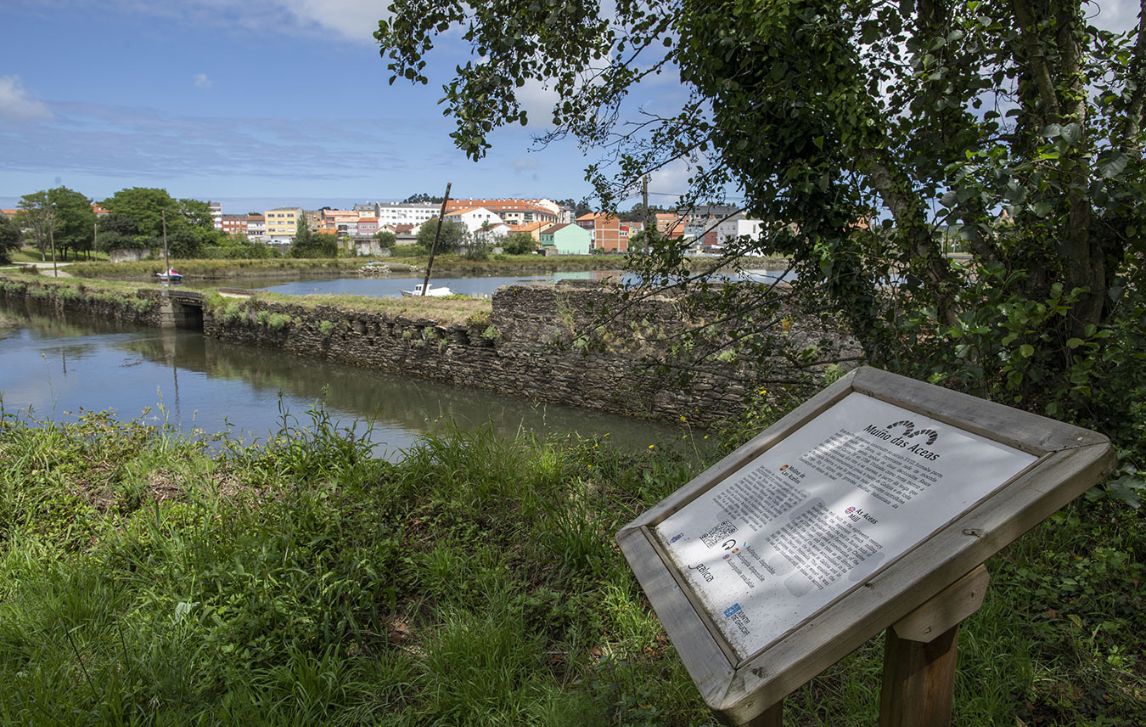
Miño is a relaxed coastal town known for its wide sandy beaches and tranquil estuary views. Surrounded by natural beauty, it offers a gentle seaside atmosphere and open landscapes. It is a peaceful place to pause and enjoy Galicia’s connection to the Atlantic.
Betanzos
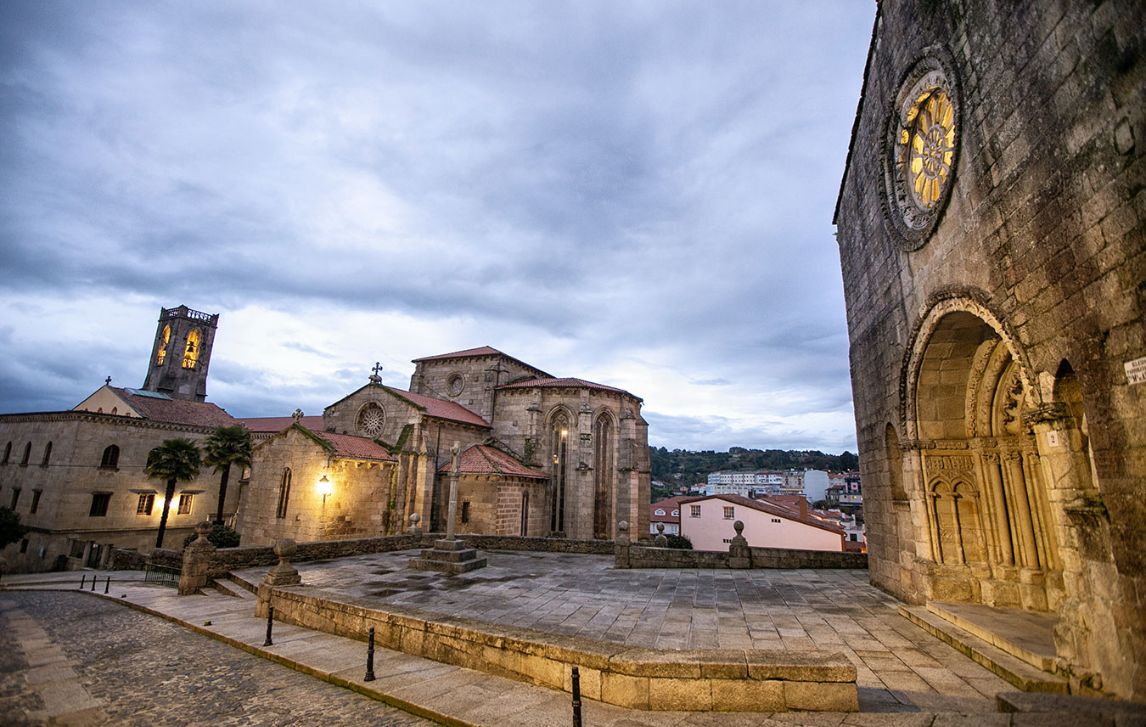
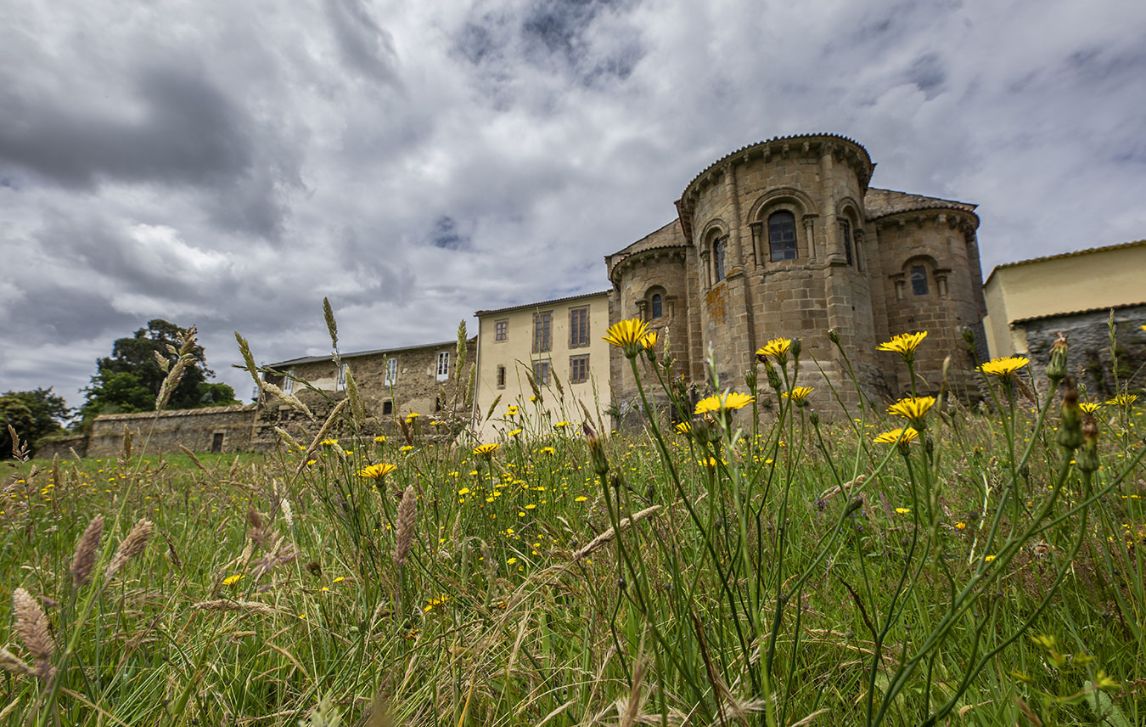
Betanzos is one of Galicia’s most historic towns, renowned for its beautifully preserved medieval centre. Stone churches, elegant squares and winding streets reveal its importance in centuries past. Rich in heritage and local tradition, Betanzos offers a vibrant cultural stop along the Camino Inglés.
Presedo
Presedo is a quiet rural village set among rolling farmland and wooded countryside. Its peaceful setting reflects the slower rhythm of life in inland Galicia, where landscapes unfold gently in every direction.
Sergude
Sergude is a small rural village set among the gentle green landscapes of Galicia. Surrounded by farmland, woodland and quiet country lanes, it offers a peaceful glimpse into traditional village life along the Camino Inglés. With its calm atmosphere and simple charm, Sergude provides a restful pause in the journey, a place to slow down, recharge and enjoy the tranquillity of the Galician countryside.
A Coruña
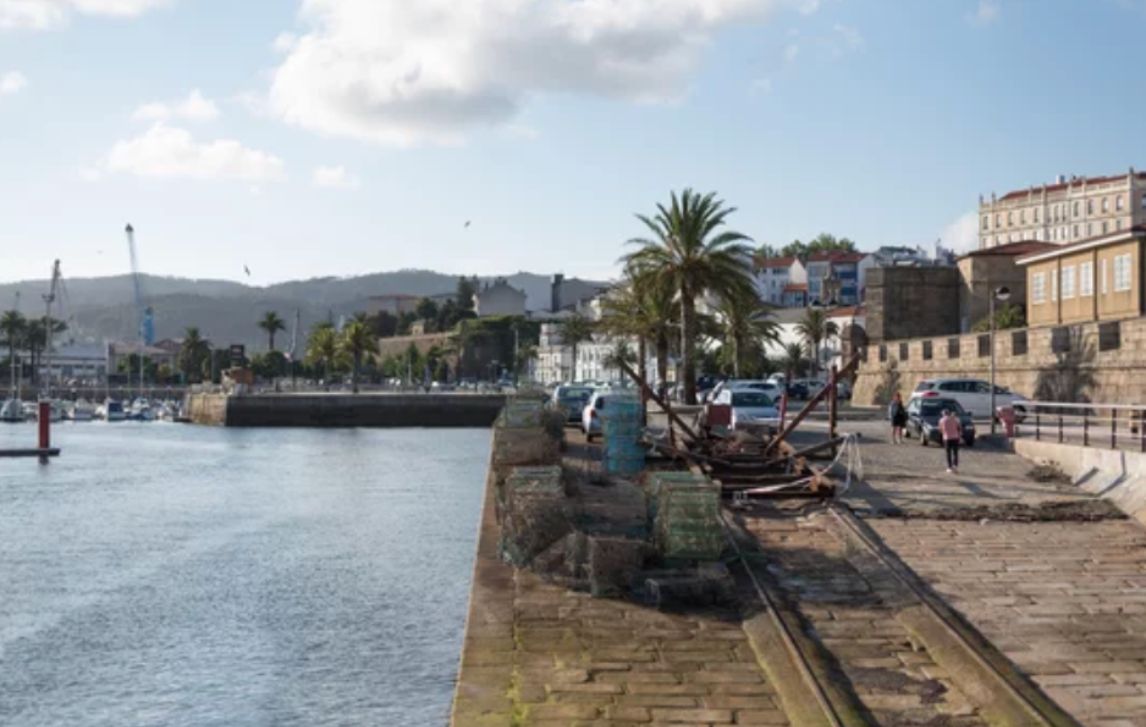
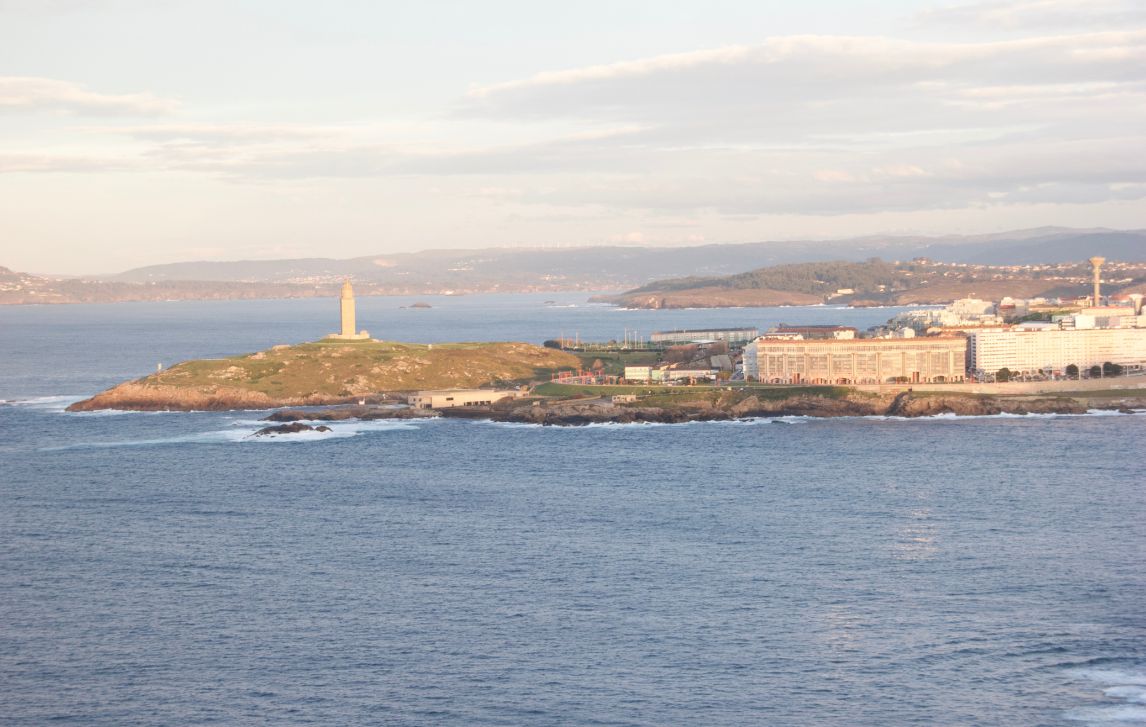
A Coruña is a vibrant coastal city in north-west Spain, is set on a narrow peninsula stretching into the Atlantic Ocean. Known for its sweeping oceanfront promenades and rich maritime heritage, A Coruña blends lively modern culture with centuries of history. Architectural highlights include the elegant Plaza de María Pita, the historic San Antón Castle and the Romanesque Igrexa de Santiago, while the iconic Tower of Hercules, a UNESCO World Heritage Site, stands proudly along the rugged coastline. The city offers a dynamic cultural scene, excellent seafood and an unmistakably Galician atmosphere.
Hospital de Bruma
Hospital de Bruma is a small rural settlement with longstanding connections to the Camino. Once a place of shelter for medieval pilgrims, it remains an important meeting point where routes come together.
Poulo
Poulo is a small Galician village surrounded by green fields and gentle rural landscapes. Quiet and welcoming, it reflects the everyday rhythms of countryside life. Its peaceful setting makes it a comfortable place to rest before continuing towards Santiago.
Sigüeiro
Sigüeiro is a lively riverside town marking the final stage before Santiago de Compostela. Set along the Tambre River, it blends modern local life with the anticipation of arrival. It is a natural place to pause, reflect and prepare for the final walk into Santiago.
Santiago de Compostela
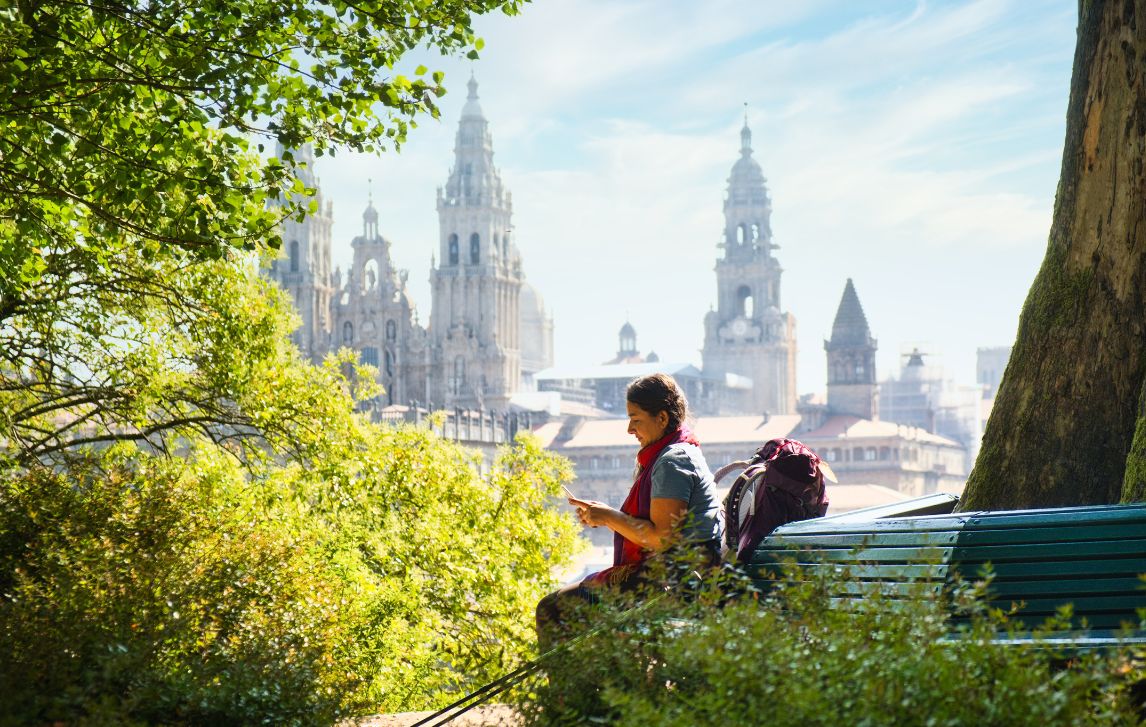
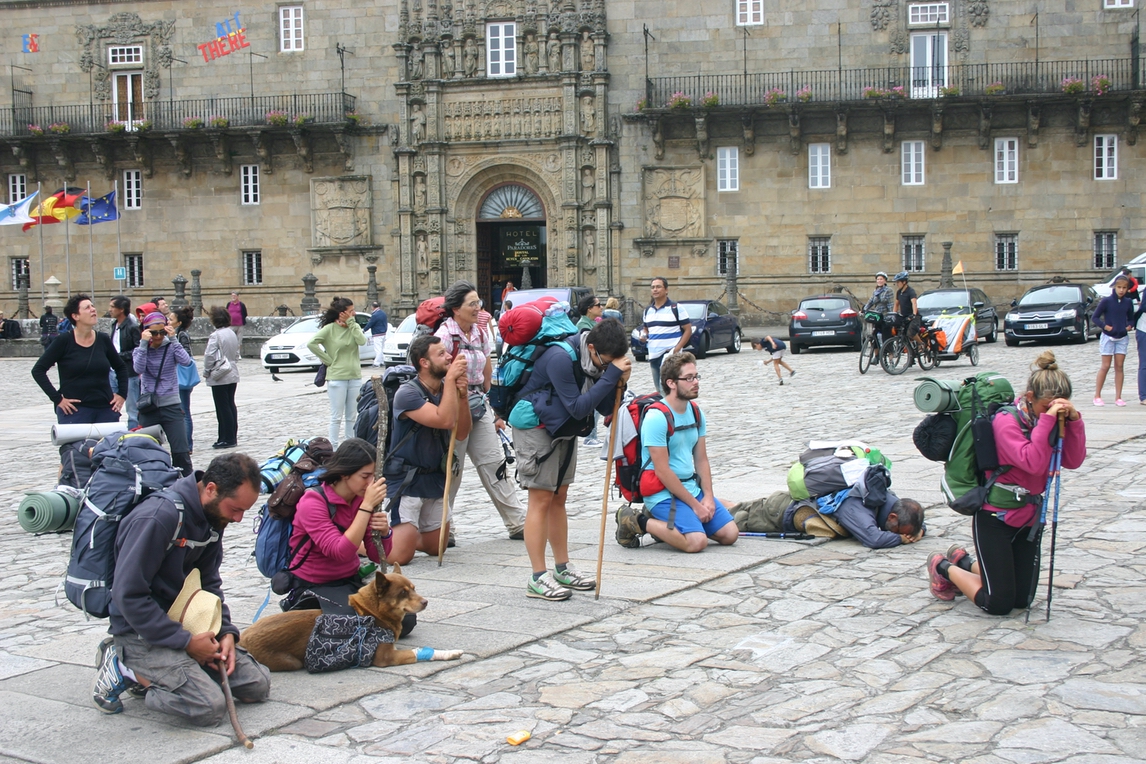
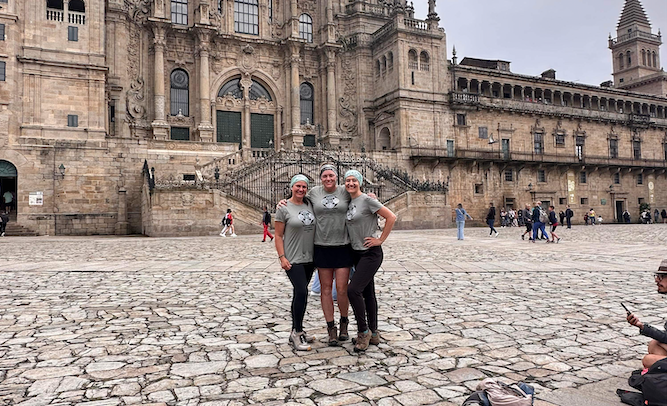
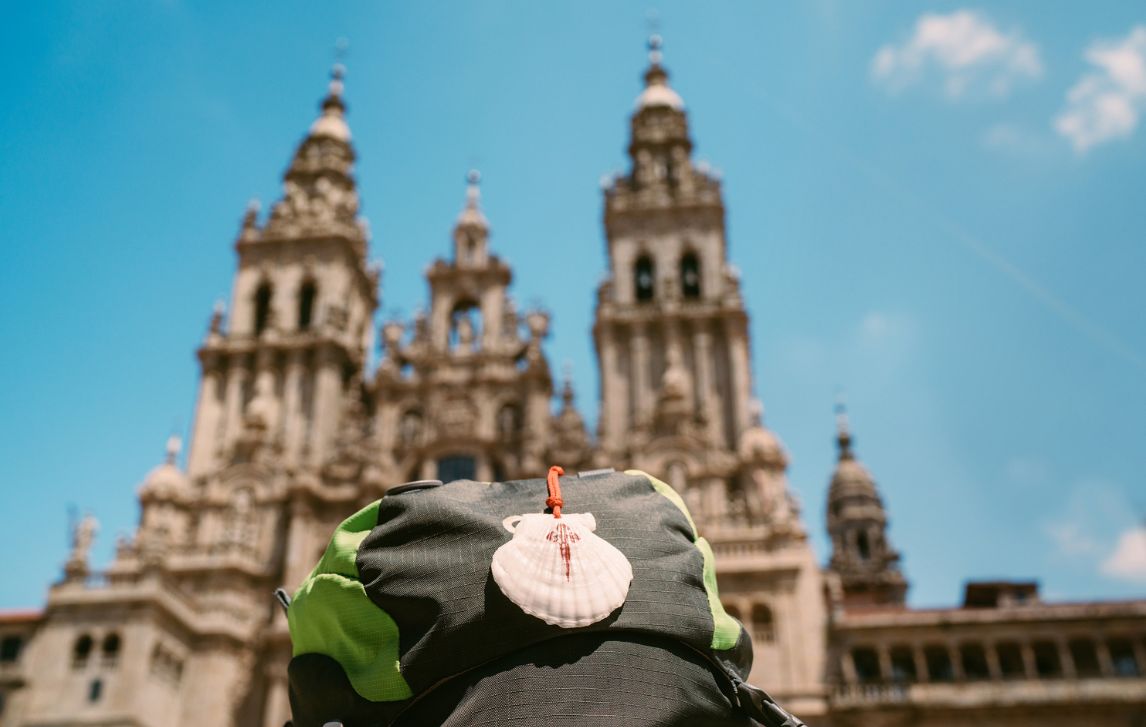
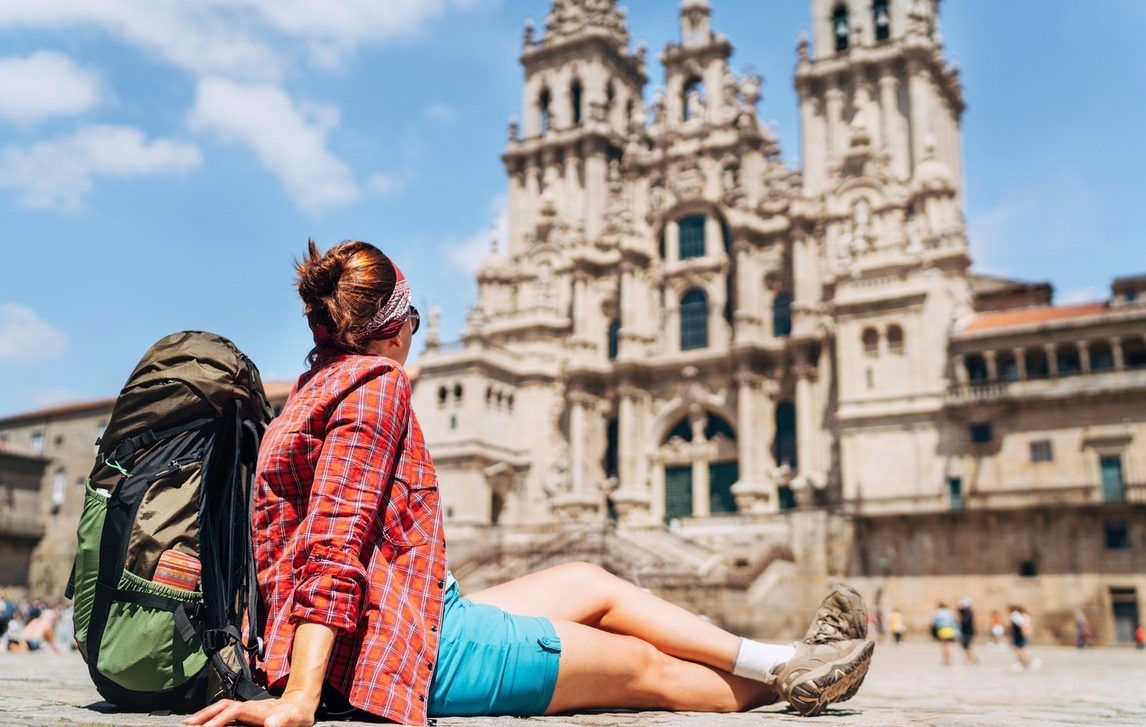
The wonderful and historic city of Santiago is the end of the Camino journey for most pilgrims. Praza do Obradoiro and the wonderful ancient Cathedral form the city’s heart. Attend the midday pilgrims mass and watch the steady stream of pilgrims arriving into the square as they finish their epic journey. There are many enticing tapas bars and restaurants in which to celebrate your journey.
ON THE TRAIL
Camino Terrain
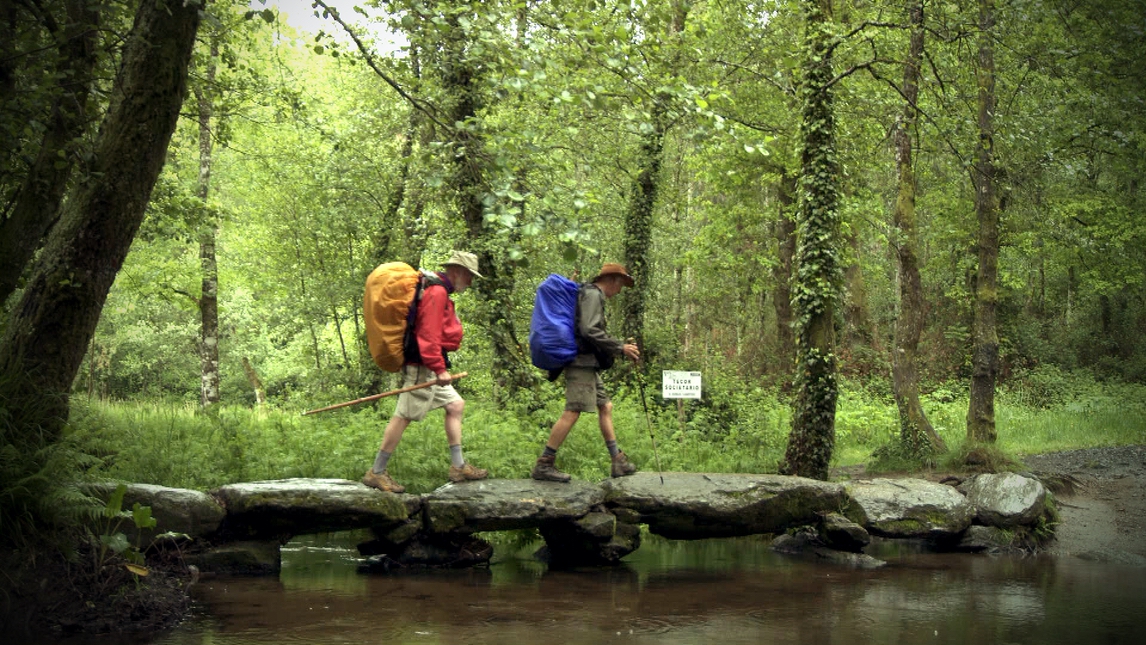
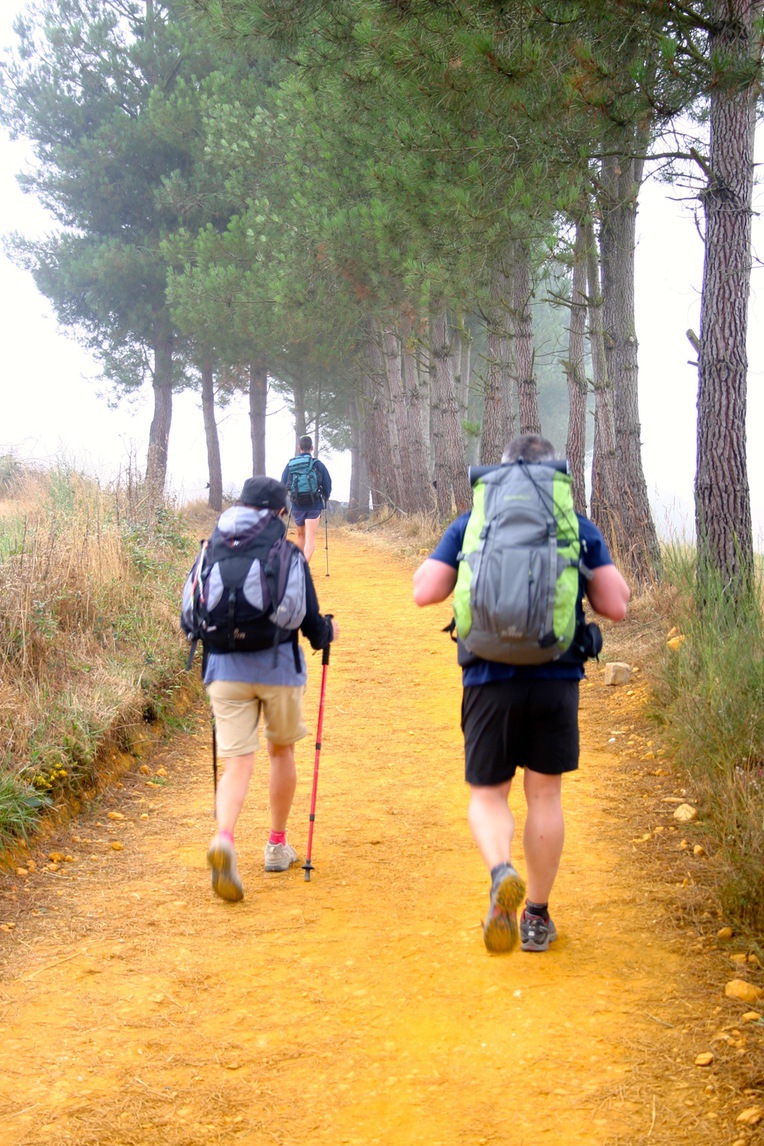
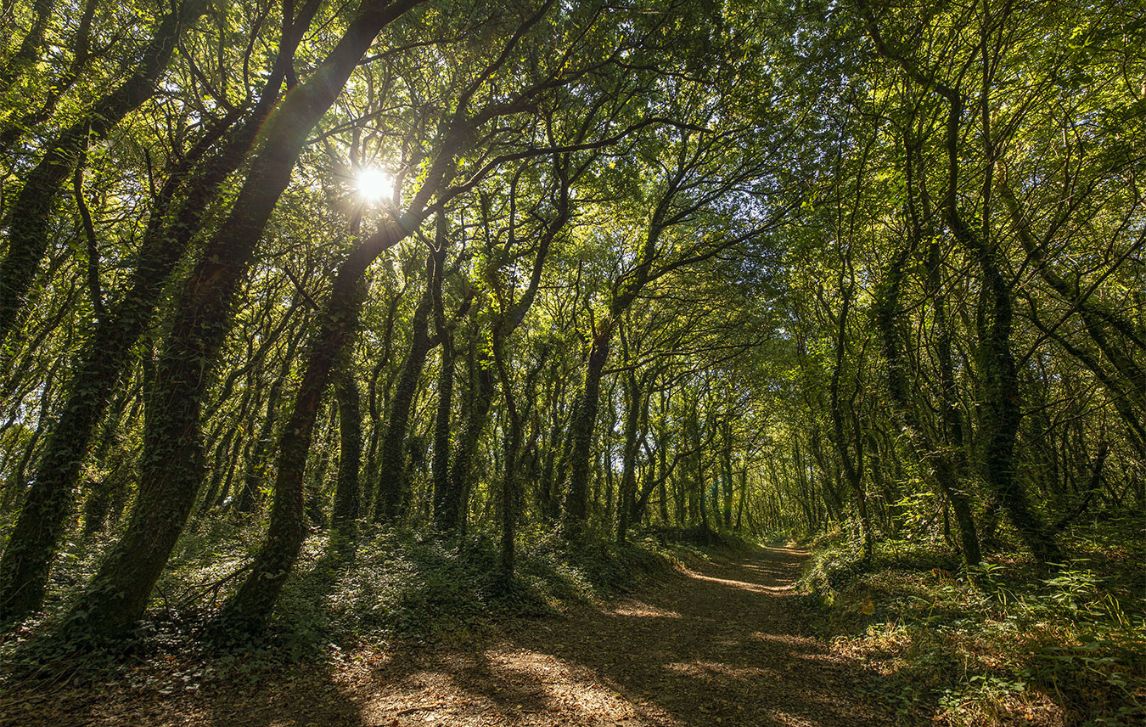
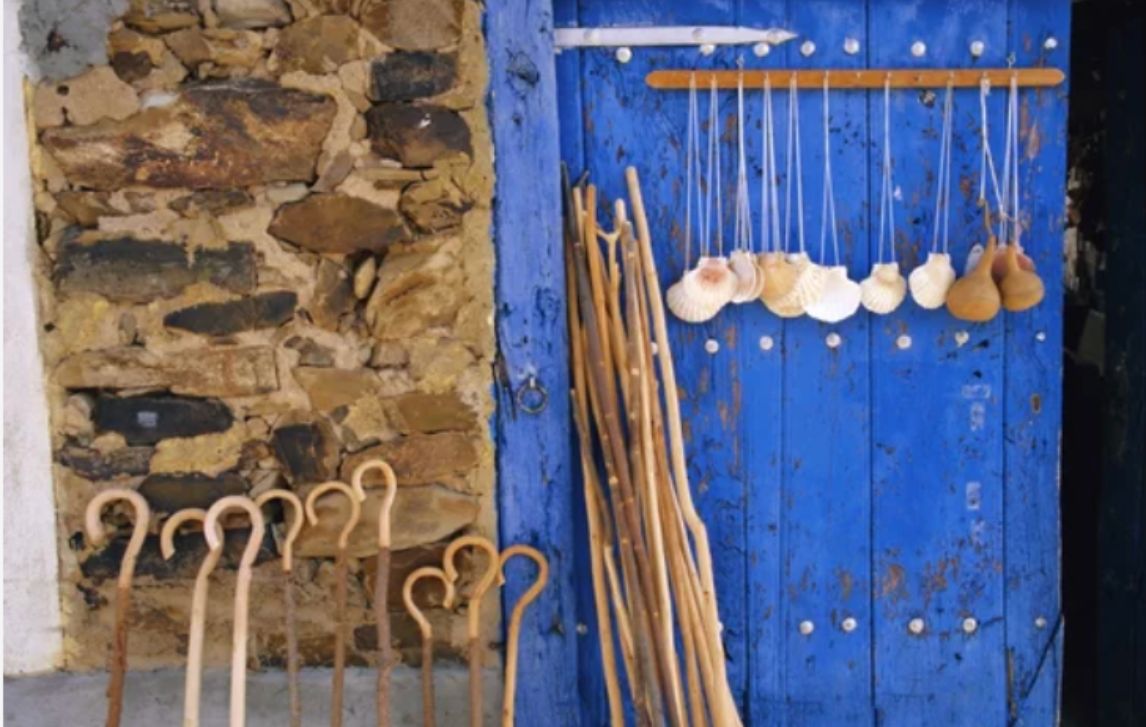
Walking the Camino Inglés is varied and enjoyable, following a mix of quiet country roads, forest tracks, rural paths and paved sections through towns and villages. The terrain is mostly gentle and rolling rather than steep, making it comfortable for steady day-to-day walking as the route leads inland through Galicia’s green countryside. With the Atlantic close by, weather can be changeable and light rain is always possible. Supportive waterproof walking shoes are recommended for comfort on damp or uneven ground. Walking poles can also be helpful, particularly after rainfall or on longer descents. Overall, the Camino Inglés offers manageable walking through peaceful rural landscapes with a strong sense of place.
CAMINO INGLES
FREQUENTLY ASKED QUESTIONS
What is the Camino Inglés (English Way)?
The Camino Inglés, or English Way, is one of the shorter and quieter routes of the Camino de Santiago, beginning on Spain’s north coast in Galicia. Historically, it was used by pilgrims arriving by sea from England, Ireland and northern Europe, who would disembark at ports such as Ferrol or A Coruña before walking inland to Santiago de Compostela. Today, the route offers a peaceful Camino experience through green countryside, forests and rural villages. With fewer pilgrims and a more local feel, it appeals to walkers seeking a gentler, less crowded introduction to the Camino tradition.
How long is the Camino Inglés?
The Camino Inglés can be walked from two different starting points:
- A Coruña to Santiago: approximately 75 km
- Ferrol to Santiago: approximately 115–120 km
Both routes follow the same final approach into Santiago, with the Ferrol option meeting the A Coruña route at Hospital de Bruma.
Can you earn a Compostela on the Camino Inglés?
To receive the Compostela, pilgrims must walk a minimum of 100km before arriving in Santiago de Compostela. Starting from A Coruña covers approximately 75 km and therefore does not meet this requirement. To be eligible for the Compostela on the Camino Inglés, you must start in Ferrol, which meets the minimum distance requirement.
Is the Camino Inglés quieter than other Camino routes?
Yes. The Camino Inglés is one of the quieter Camino routes, with significantly fewer walkers than the Camino Francés. This route is well suited to pilgrims who enjoy walking in quieter surroundings and value personal reflection over a highly social Camino experience. As the distance from A Coruña does not meet the 100 km requirement for the Compostela, many pilgrims choose to begin from Ferrol instead, leaving the early stages from A Coruña particularly quieter. While you will still encounter fellow pilgrims, numbers remain low, creating an intimate atmosphere through rural Galicia. With fewer services and accommodation options than on larger Camino routes, advance planning is important.
Who is the Camino Inglés best suited for?
This walk is ideal for pilgrims seeking a quieter Camino experience, with fewer crowds and a greater sense of solitude along the trail, or for those short on time who would still like to finish in Santiago de Compostela. It suits experienced or adaptable walkers who are comfortable with limited infrastructure and simpler services, and who value flexibility while travelling through more remote areas. Culturally curious travellers will appreciate the opportunity to explore Galicia’s rural landscapes, villages and traditions, making this a rewarding choice for those drawn to a slower, more reflective Camino journey.
Is the Camino Inglés difficult?
Walking on the Camino Inglés is generally gentle and manageable, with a well-balanced mix of paved lanes, country tracks and quiet rural roads. The opening stages involve firmer surfaces as you leave the industrial port areas, before the route gradually softens into forest paths and rolling Galician countryside. While there are some moderate climbs and descents, nothing is overly steep or technical. Clear way-marking and varied scenery make the walking straightforward, comfortable and rewarding.
What accommodation and other services are available on the Camino Inglés?
It’s important to note that accommodation and services along this route are simpler and more modest than on busier Caminos, reflecting its quieter and more remote character. With fewer pilgrims, accommodation and dining options are more limited in some villages, making this route best suited to adaptable walkers who are comfortable with limited infrastructure and modest, basic lodging. Some accommodation may be located slightly off trail, either within a short walking distance (approximately 1.5–2.5km) or requiring a transfer, which we will organise where needed.
That said, you’ll stay in comfortable private accommodation, providing a welcoming place to rest and recover for the following day’s walk.
Is the Camino Inglés suitable for solo walkers?
For travellers who enjoy quieter trails and are confident walking independently, the Camino Inglés can be a safe and rewarding journey. Its peaceful nature allows time for reflection and a strong sense of personal achievement.
For those new to solo hiking, or seeking a more social experience with minimal preparation, a more well-travelled Camino may be a better first introduction. With fewer walkers and limited infrastructure, this route suits those who are prepared and comfortable navigating a quieter path. Gaining experience on routes with more services can help build confidence before tackling a more remote Camino.
For solo travellers, we always recommend the following tips:
- Stay connected: Keep your phone fully charged and share your itinerary and daily updates with friends or family.
- Walk during daylight hours: Start your walk early enough to avoid being out after dark.
- Stay on well-marked paths: Stick to the trail to ensure you don’t get lost in more remote areas.
- Be prepared: Have the necessary gear for any weather condition and carry sufficient water, snacks, and a basic first aid kit.
As RAW Travel will be organising your services, we are always aware of your hiking schedule. Our staff in Spain oversees our hikers on the ground and is available for assistance in case of emergencies.
Is the Camino Inglés well signposted?
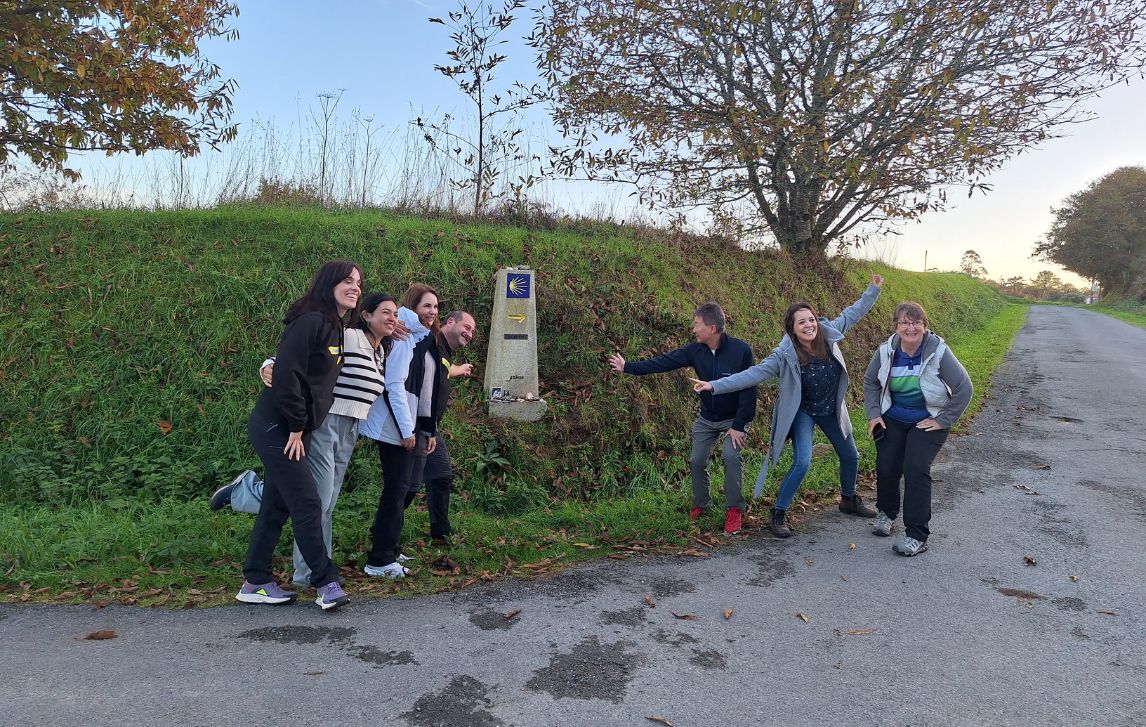
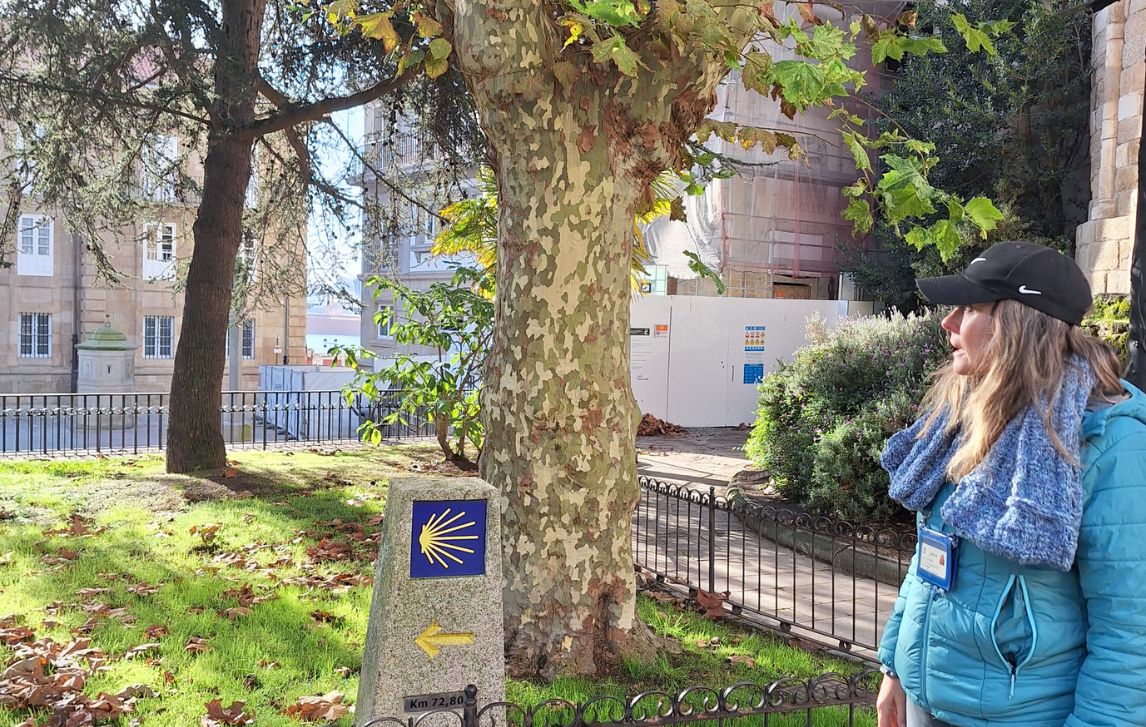
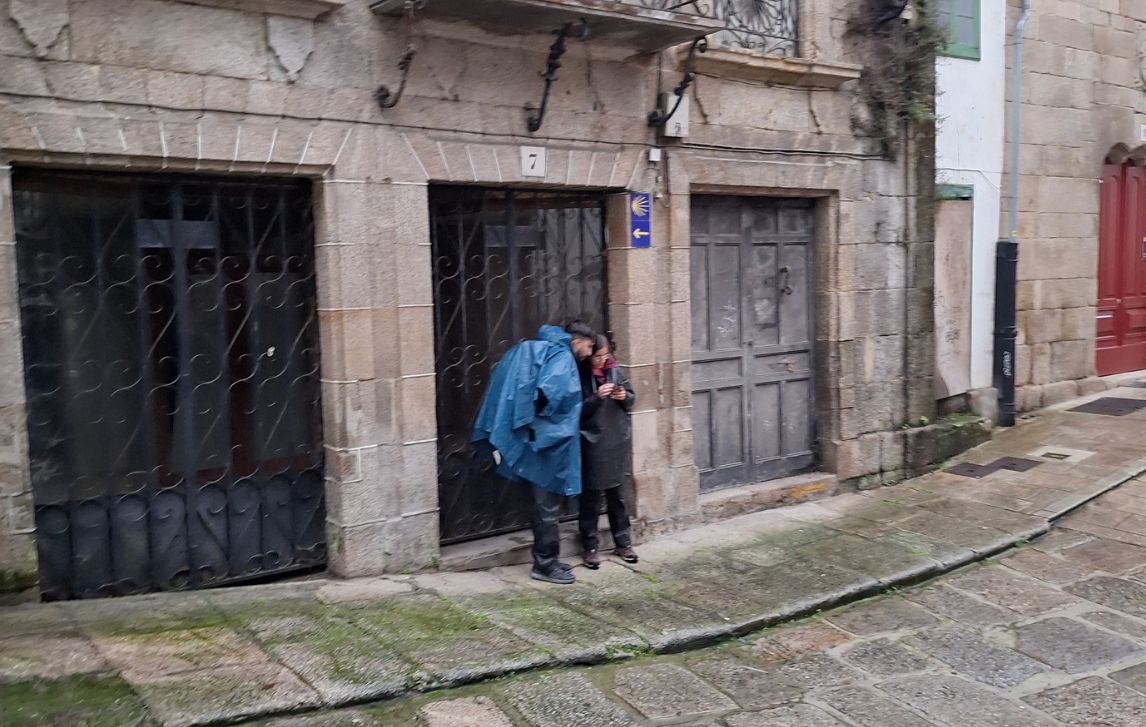
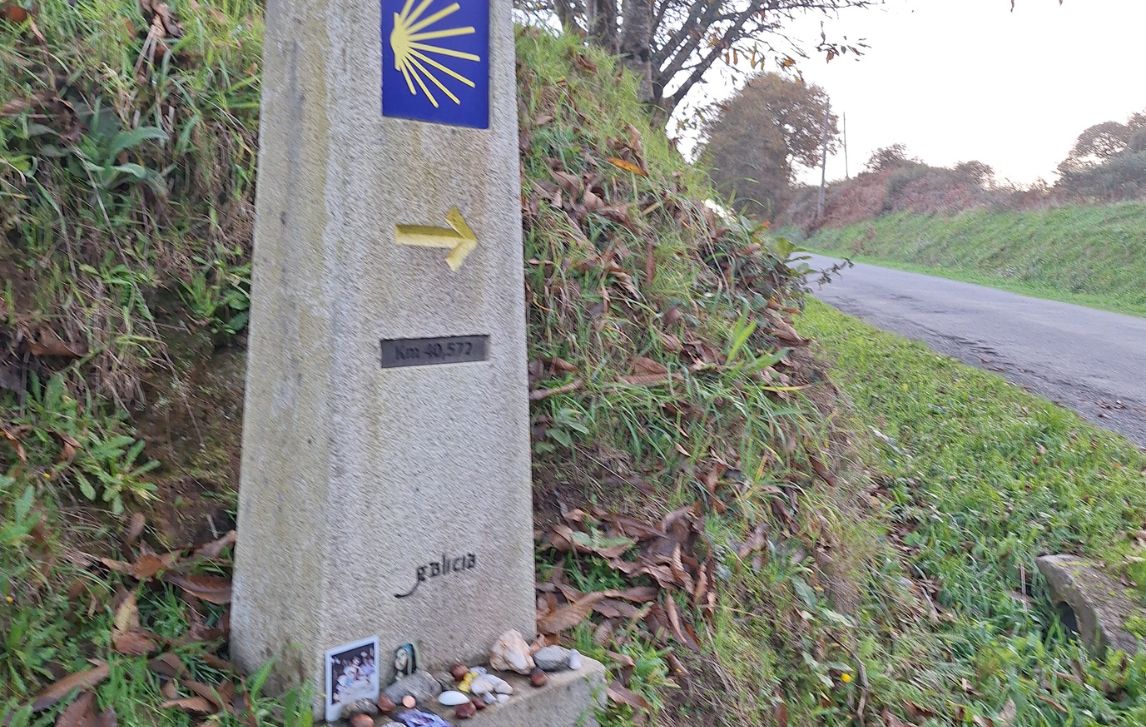
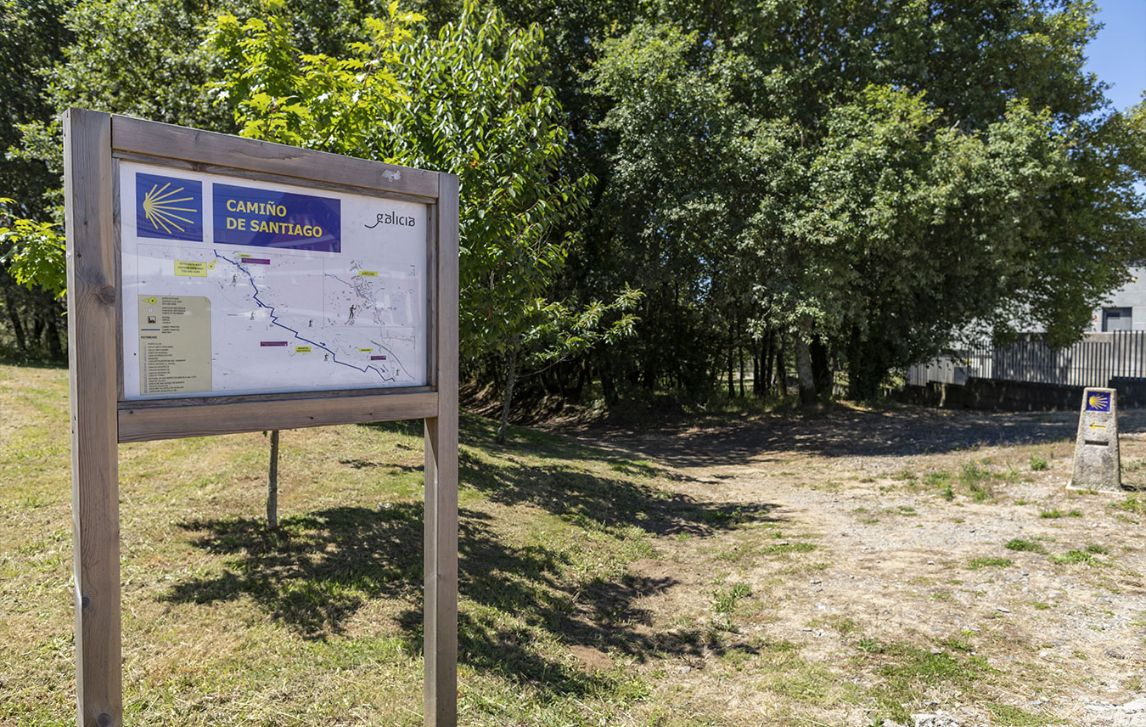
Yes. The Camino Inglés is generally well signposted with yellow arrows and Camino markers along the route. For self-guided walkers, our RAW Travel Navigation app provides reliable navigation support in sections where signage may be less clear, ensuring you can follow the trail with confidence.
What is the best time of year to walk the Camino Inglés?
The Camino Inglés season runs from 1 April to 31 October each year, so your Camino trip must fall within this period.
The Camino Inglés can be walked from April to October, offering generally mild conditions well suited to long-distance walking. With the Atlantic nearby, the route enjoys a temperate climate throughout the season. The busiest period is June through August, when longer daylight hours, lower rainfall and local festivals across Spain attract more walkers. For a quieter and more relaxed experience, we recommend the shoulder seasons of mid April to early June and September to October, when cooler temperatures and fewer crowds create ideal conditions for an enjoyable and unrushed journey.
How do you get to the Camino Inglés?
Below are the main arrival airports we recommend if travelling from overseas:
- Madrid (MAD)
- Bilbao (BIO)
- Santiago de Compostela (SCQ)
- A Coruña (LCG) – the closest to the trail
How to reach Ferrol: From Madrid, Bilbao or Barcelona: connect to a domestic flight to Santiago de Compostela or A Coruña, then continue by train or bus to Ferrol. From Santiago de Compostela: travel by train or bus directly to Ferrol (around 1.5–2 hours)
How to reach A Coruña: From Madrid, Bilbao or Barcelona: connect to a domestic flight into A Coruña Airport. From Santiago de Compostela: travel by train or bus to A Coruña (around 45–60 minutes)
Can you cycle the Camino Inglés?
RAW Travel does not offer cycling itineraries on the Camino Inglés. You can learn more about other Camino cycling options here.
What other Camino itineraries do you offer?
RAW Travel is Australia’s leading walking tour operator for walking the Camino. We offer options for all of the Camino routes in France, Portugal and Spain. Whether you want to take the inland route via Camino Frances, walk through France on Le Puy Camino, take in the coastal scenery on Portuguese Coastal Camino, or walk the Camino del Norte, we have an array of self-guided walking holidays for you to choose from. Get in touch with our team to enquire more.

Exclusive Guide
Camino destination guide
Discover inspiration, travel essentials, practical information and more in our free Destination Guide. All you need to know about walking the Camino de Santiago routes through Spain, Portugal and France!
Walking the Camino is an incredible journey that will immerse you not only in Europe’s grand history, food and culture but most importantly the extraordinary camaraderie that exists along these routes. The spirit of the Camino de Santiago is alive and well among people from all over the world. It is a ‘bucket list’ experience you will never forget!
Not quite what you're after?
Tailor-made trips
If you don’t see the exact trip you’re looking for then consider a customised trip, individually tailored to your ideal walking distances and timeframes. Have a look at our tailor-made trips page on the link below and drop us a line: