30 Sep 25
Walking St Olav’s Way – Norway’s pilgrim path to Trondheim
If you think of Europe’s great pilgrimages, the Camino de Santiago likely comes to mind. Yet far to the north there is an equally ancient route – Norway’s St Olav’s Way. Steeped in legend and beauty, the world’s northernmost pilgrimage has quietly drawn walkers for centuries. It’s centred on Trondheim’s Nidaros Cathedral – built over the tomb of Norway’s most famous medieval king – St Olav – who brought Christianity to Norway.
Back in the Middle Ages, St Olav’s Way was among the four great pilgrim routes, along with Rome, Jerusalem and Santiago. The revival and signposting of the ancient trail was completed in the late 1990s. While St Olav’s Way has yet to achieve the fame of the Camino, that is precisely its allure: here is a chance to experience a pilgrimage before it becomes widely discovered, to walk trails steeped in history and serenity without crowds.
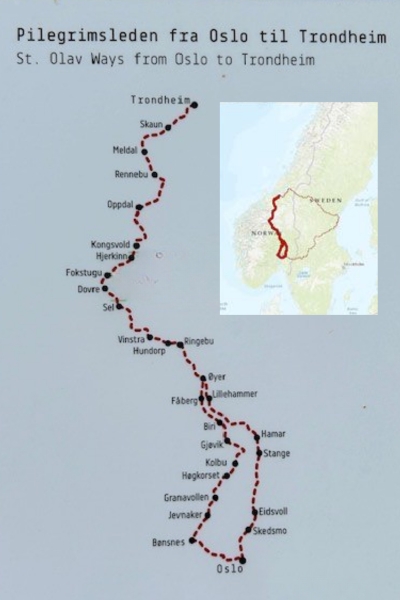
Just like Japan’s Kumano Kodo and Spain’s Camino de Santiago, Norway’s St Olav’s isn’t one route. There are seven different paths through Norway’s gorgeous countryside (some begin in Sweden) – all leading to the famous Nidaros Cathedral in Trondheim. The largest and most popular of these Nordic paths is the 643km-long Gudbrandsdalsleden, named for the valley it travels through. It extends from Oslo to Trondheim – Norway’s third-largest city.
This fabled route was the main medieval road to Nidaros, a lifeline connecting Norway’s capital to its spiritual heart. On the Gudbrandsdalsleden route, the trail opens up in quiet, unassuming ways. You follow the footsteps of pilgrims who came centuries before, moving through villages where time seems to linger, past stave churches that have stood for hundreds of years, and across mountain passes that stretch in peaceful solitude. There are times when your hike might feel like a quest straight out of The Lord of the Rings.
Walkers love the combination of challenge and serenity. This route is less about show-stopping highlights and more a journey that feels both timeless and undiscovered, a chance to connect with history, nature and your own rhythm. The path invites you to slow down, tune in. The quiet stretches, mountain passes, and early morning mist make it one of Norway’s most reflective hikes, giving hikers both an inner and outer journey. Even in its more remote sections, the trail is well marked and accommodations are spaced conveniently along the route.
And although Norway has historically been considered expensive, you can now get much more for your euros than you might think! Compared to 10 or even 5 years ago, Norway is more affordable than you might expect, with prices similar to many Western European countries and major cities.
Here’s what to expect on the Nordic pilgrimage you didn’t know existed…
ST OLAV’S WAY – AT A GLANCE
- Also called: Gudbrandsdalsleden, Pilegrimsleden
- Walking season: Summer – June, July, August. Book well in advance
- Best for: Walkers seeking culture, history and quiet trails
- Distance: Our itinerary covers 180km to Trondheim
- Duration: Typically 10–14 days
- Difficulty: Moderate to challenging (especially in the Dovre National Park)
- High point: Allmannrøysa (1210m); there is also an option to walk up to Hjerkinnshøe (1288m)
- Accommodation style: Guesthouses and hotels
- Navigation: The trail is well-marked with frequent waymarkers
- Food & water: Most meals are included; limited options to purchase water along the way (fill up in the morning)
- Getting there: From Australia, fly to Oslo. Then train to Lillehammer and a bus to Dovre or train from Oslo to Dovre
Walk through history
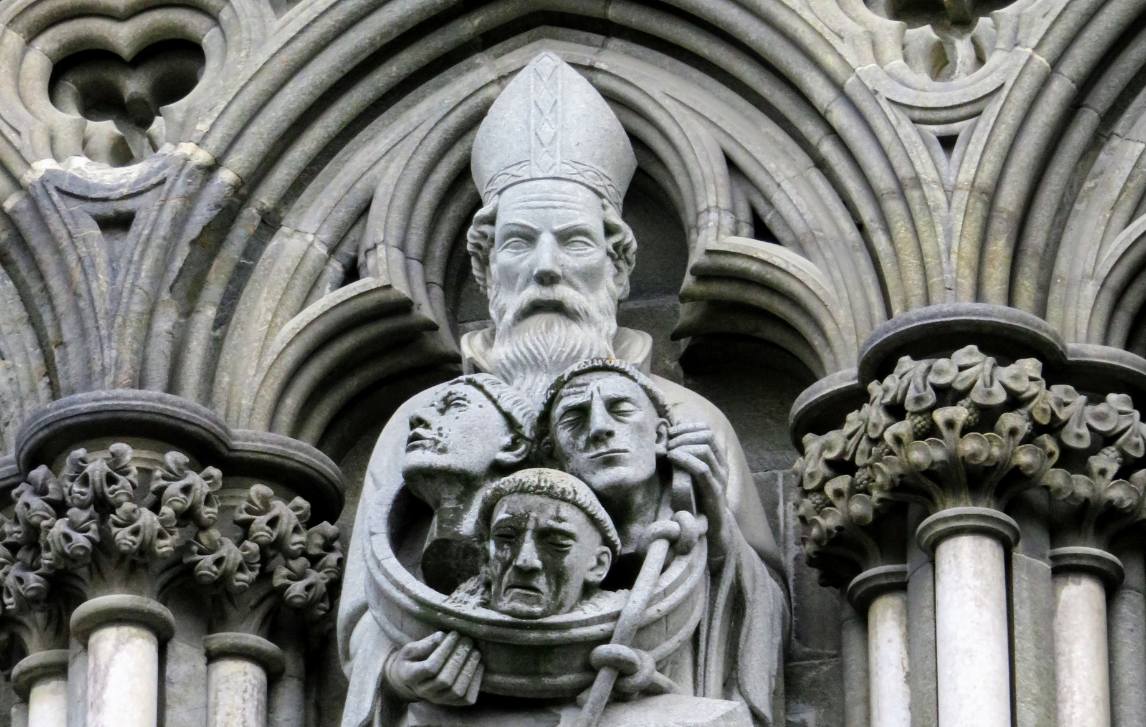
The Gudbrandsdalsleden route follows the path that King Olav II is believed to have taken in 1030. This Viking king significantly contributed to the introduction of Christianity in Norway and later became the country’s patron saint. It was his tragic death that caused the trail to gain notoriety throughout Norway. When the beloved King perished at the Battle of Stiklestad, his death was treated as a national tragedy. As a sign of respect, his body was carried from the location of the battle to the Trondheim community of Bakklandet, where the body was then buried at the site of what is now the Nidaros Cathedral in Trondheim. As you walk in the footsteps of St Olav and medieval pilgrims, you’ll encounter historic churches, medieval stone crosses, and small villages that have retained their centuries-old charm. Each step connects you to Norway’s rich cultural and religious heritage, giving a sense of walking through time.
Immense and awe-inspiring landscapes
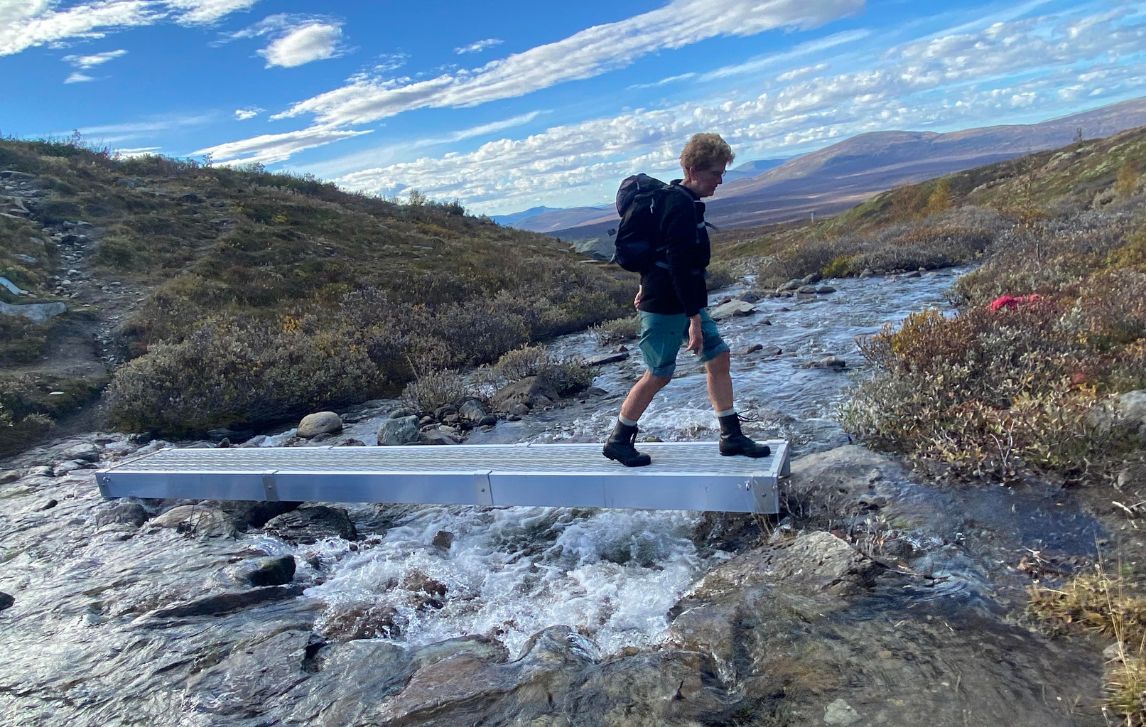
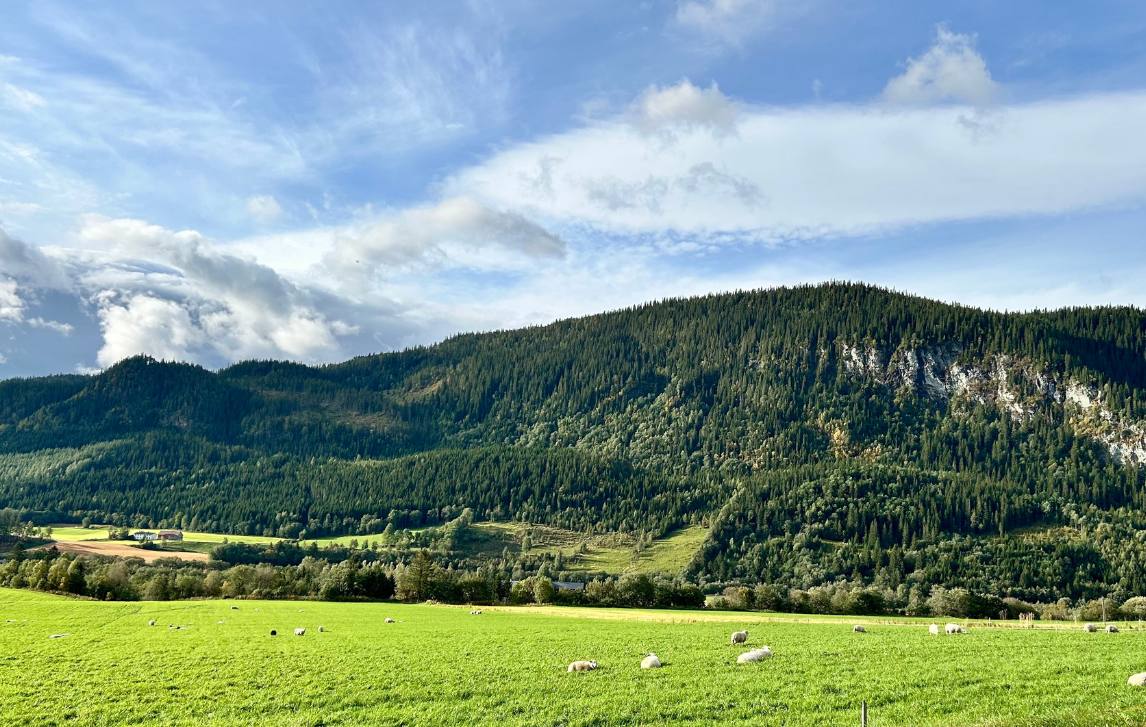
Norway is a nature-loving nation and walkers on St Olav’s Way will feel this everywhere. The mountains, forests and valleys aren’t just scenery – they’re part of a culture built on friluftsliv, the Norwegian art of de-stressing in nature. This commitment to outdoor life, embraced at every age and ability, may help explain why Norway consistently ranks among the happiest countries in the world. Along St Olav’s Way, you’ll see how deeply this ethos runs. The trail immerses hikers in some of Norway’s most tranquil landscapes. From pristine lakes and dense forests scented with pine and moss to fertile rolling valleys and the expansive tundra-like vistas of the Dovrefjell national park. In the Gudbrandsdalen Valley, the gentle flow of the river Orkla and the surrounding landscapes create a peaceful backdrop for reflection and connection with nature. You might catch sight of deer grazing in the distance or hear the soothing sounds of streams winding through the valley.
Dovrefjell National Park
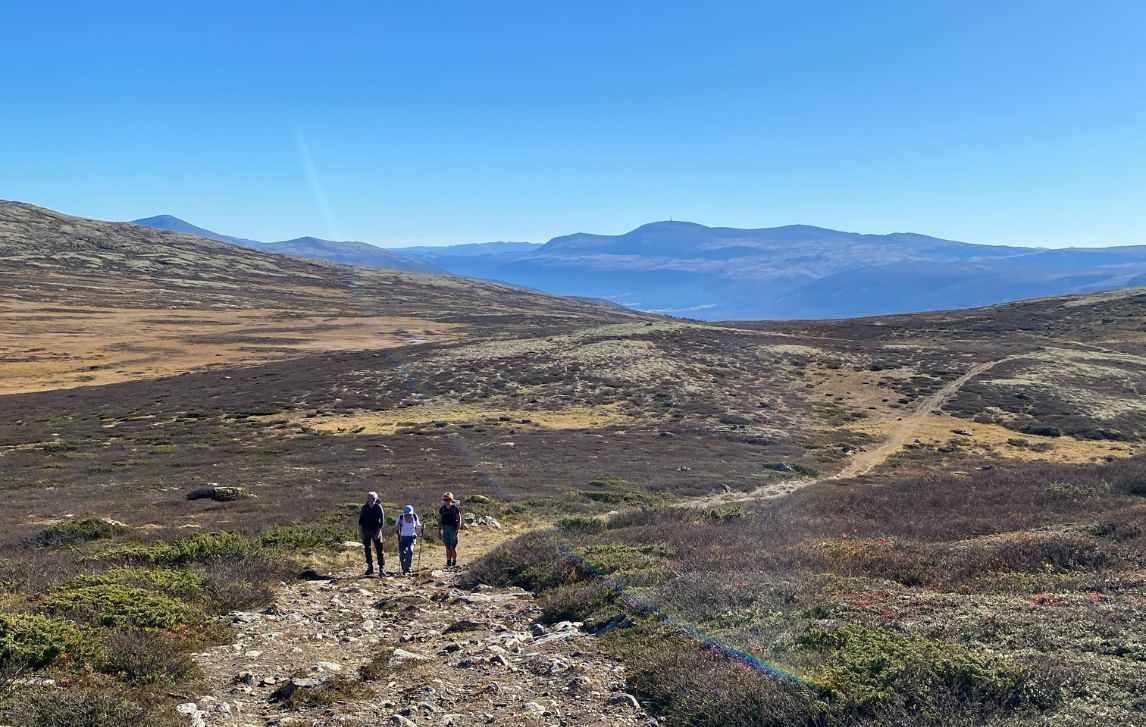
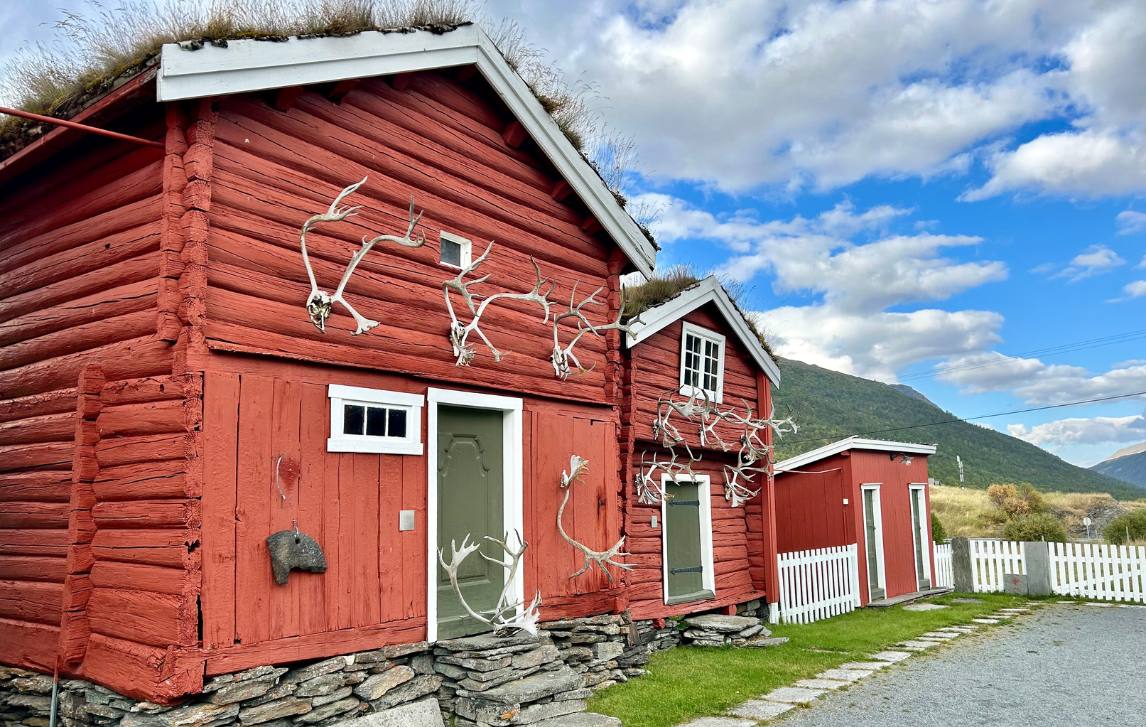
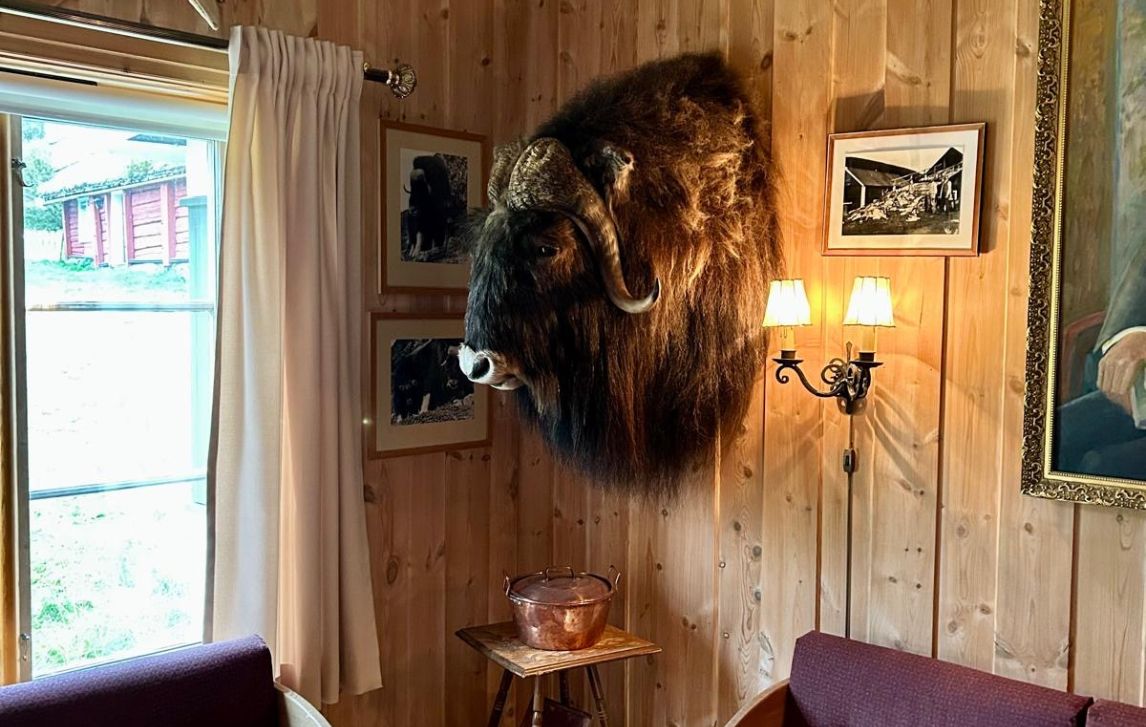
The Dovrefjell is one of three main mountain ranges in Norway. It’s a wild and windswept landscape of high plateaus and rolling tundra. This rugged wilderness is home to an impressive array of wildlife, including arctic fox, moose, wild reindeer, and the mighty musk ox – a prehistoric giant that still roams freely here. Walking through the park, you’ll experience vast open skies, sweeping views, and a powerful sense of solitude, making it one of the most memorable sections of St Olav’s Way. Historic Budsjord Farm is the last stop before the tough hike across the Dovrefjell mountain range. This unique old homestead has many well-preserved houses and farm buildings. It was opened for local events and pilgrim accommodation in 1995.
Pilgrim culture
St Olav’s Way has a rich pilgrim culture that links modern walkers to centuries of spiritual travellers. Along the route, many pilgrims leave tokens, notes or small stones at markers. Like the Camino de Santiago pilgrimage, the trail offers a pilgrim certificate to those who complete the journey. Walkers carry a pilgrim passport, or credential, and collect stamps at designated points – usually churches, hostels, or local businesses. Each stamp records the location and date, creating a tangible memento of the journey and a connection to the long history of pilgrimage in Norway. In Trondheim, look out for the distinctive drain covers featuring stylised motifs inspired by the pilgrimage route. These designs often incorporate elements like the cross, the scallop shell, and other Christian symbols, reflecting the spiritual and historical significance of the path.

Medieval stave churches
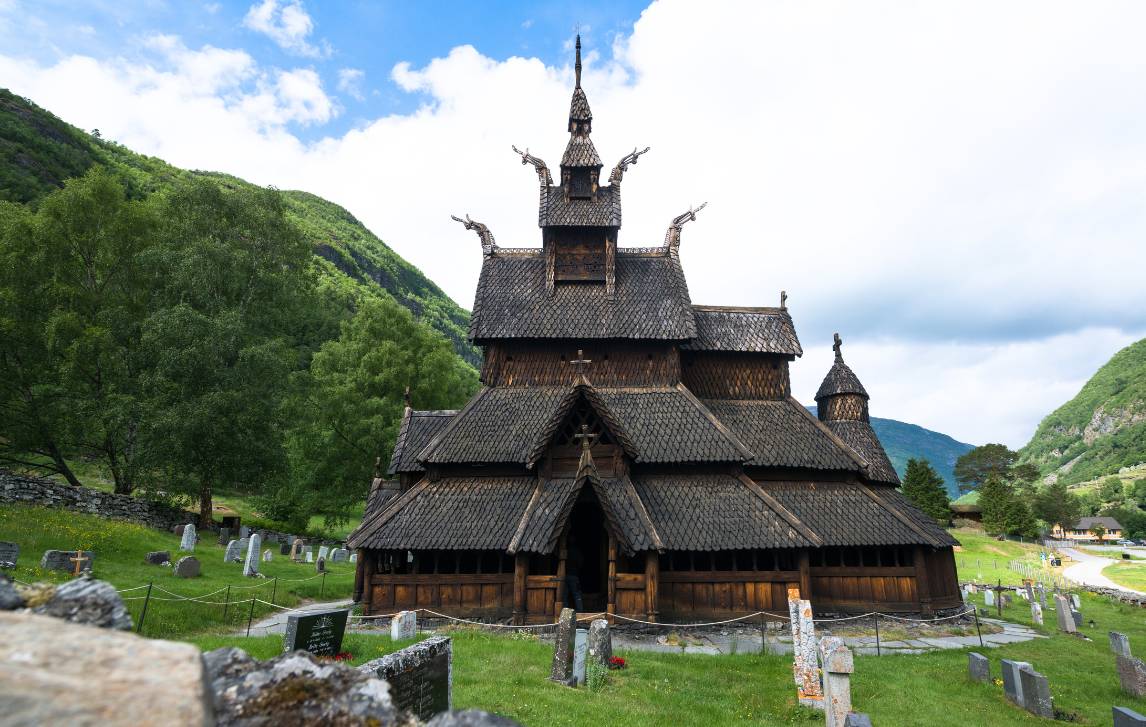
On your pilgrimage you will encounter one cultural treasure after another, including Norway’s remarkable stave churches – medieval wooden masterpieces unlike anything else in Europe. Built between the 12th and 14th centuries, these churches are named for their upright timber posts (or staves) and feature intricate carvings of dragons, vines, and Christian symbols that reflect a blend of Viking and medieval influences. With their dark tarred walls, steep pitched roofs, and ornate portals, they feel both mystical and enduring, connecting pilgrims to a thousand years of history. Visiting one along your journey is like stepping back in time to the earliest days of pilgrimage in Scandinavia.
Fresh salmon and moose tacos
Along St Olav’s Way, you’ll come across restaurants serving Oslo’s famous fresh salmon, known as Laks. Norwegian salmon is one of the most versatile and beloved fish on the planet and the incredibly fresh taste is attributed to the icy cold waters where it is caught. You may even find small cafes and farm restaurants serving moose tacos. Known locally in Dovre as morr, this traditional specialty combines tender moose meat with onions and potatoes, all wrapped in a soft homemade flatbread (lefse) and topped with sour cream.
Olavfest
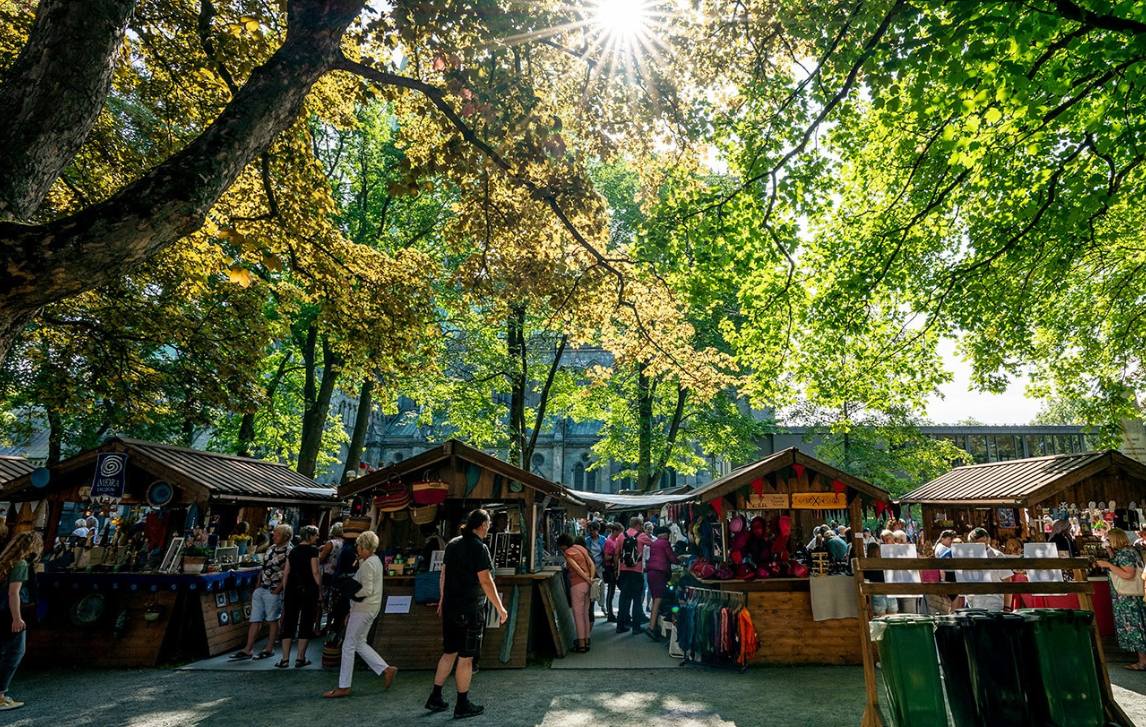
Every summer (around 28 July to 3 August) the Olav’s Festival is in full swing in and around Nidaros Cathedral, the Archbishop’s Palace and the centre of Trondheim. Timing your hike for Olavfest means that you can join in medieval-themed celebrations (jousting tournament, anyone?), concerts and street markets, with arts and crafts booths. The festival honouring St Olav adds a cultural dimension to the journey, and gives walkers a chance to connect with local communities.
Abundant waymarkers
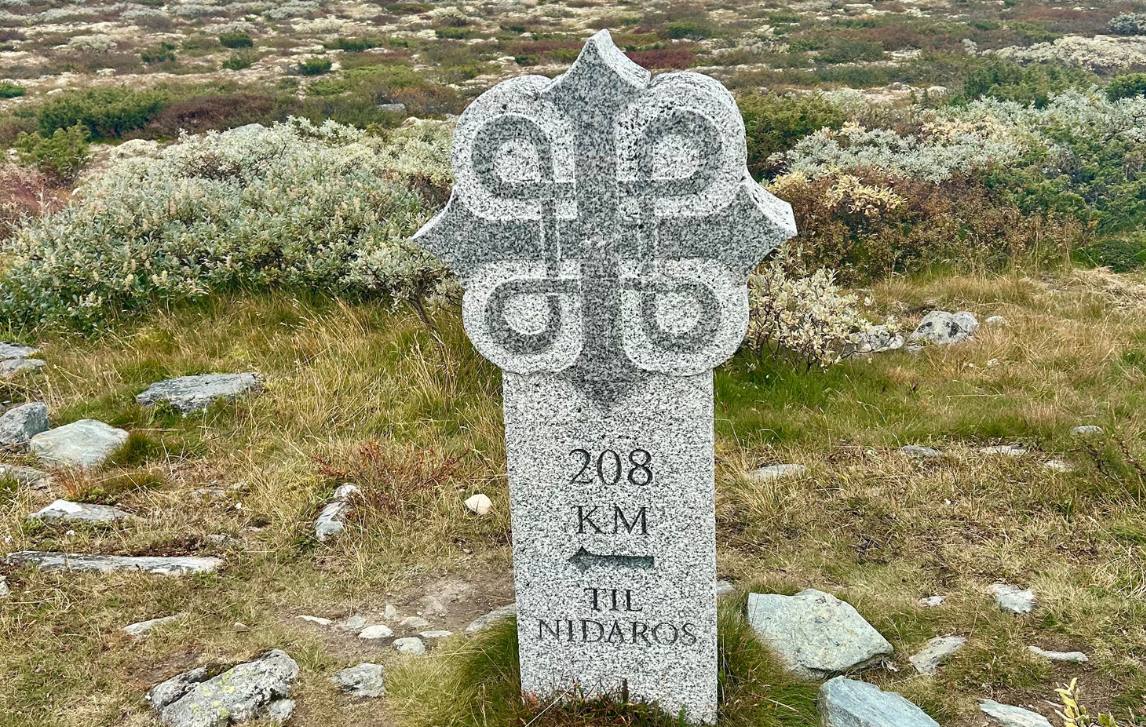
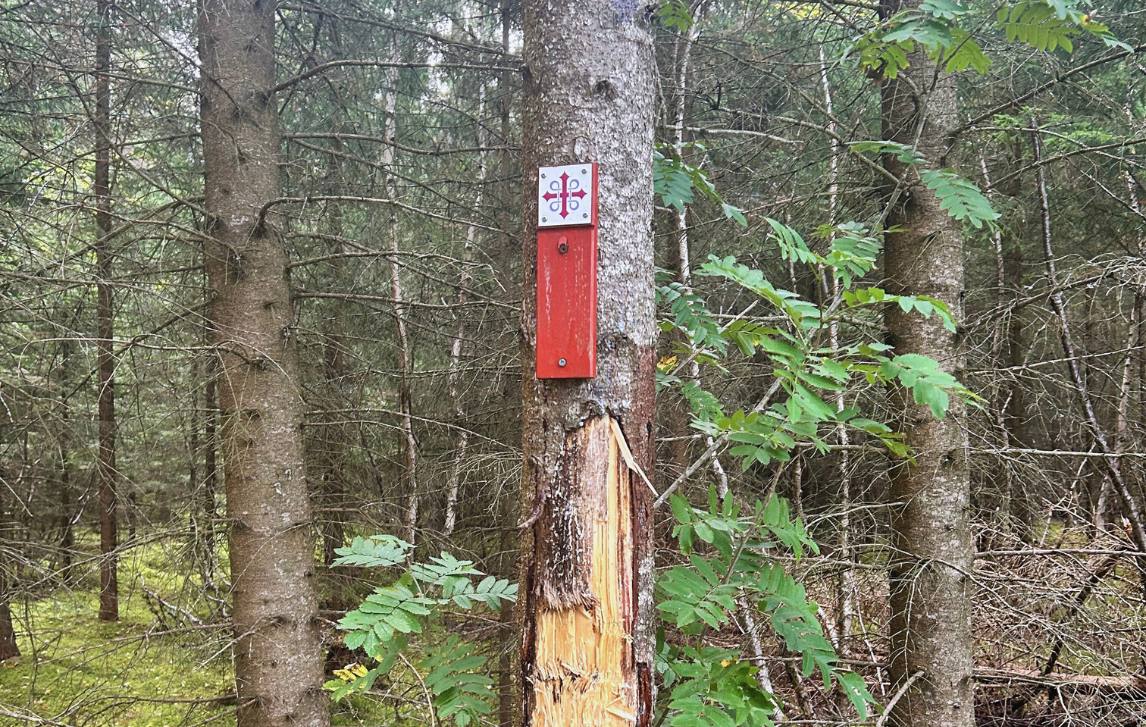
St Olav’s Way is well signed-posted, making navigation easy. You’ll regularly see the symbol of St Olav – a red arrowhead cross design – on metal plaques, stickers, wooden stakes, hanging from trees, painted on stones on the ground. The symbol hints at the ancient trail’s history and pays homage to its namesake. If you need to check your location, you’ll have the security of your route mapped on our bespoke app, which has all your trip info in one handy place. With any self-guided trip you still need to be self-reliant with wayfinding. Experience has taught us that a mixture of using road and trail signs, a backup paper map or guidebook, in combination with our app leads to the best outcomes
 Norwegian hospitality
Norwegian hospitality shines along St Olav’s Way. The trail passes through small towns and villages where you can rest in character-filled hotels, enjoy traditional Norwegian cuisine, and meet friendly locals eager to share stories of their history and culture. Staying in these communities offers comfort after a day on the trail, and an authentic glimpse into Norwegian life beyond the cities.
Olso
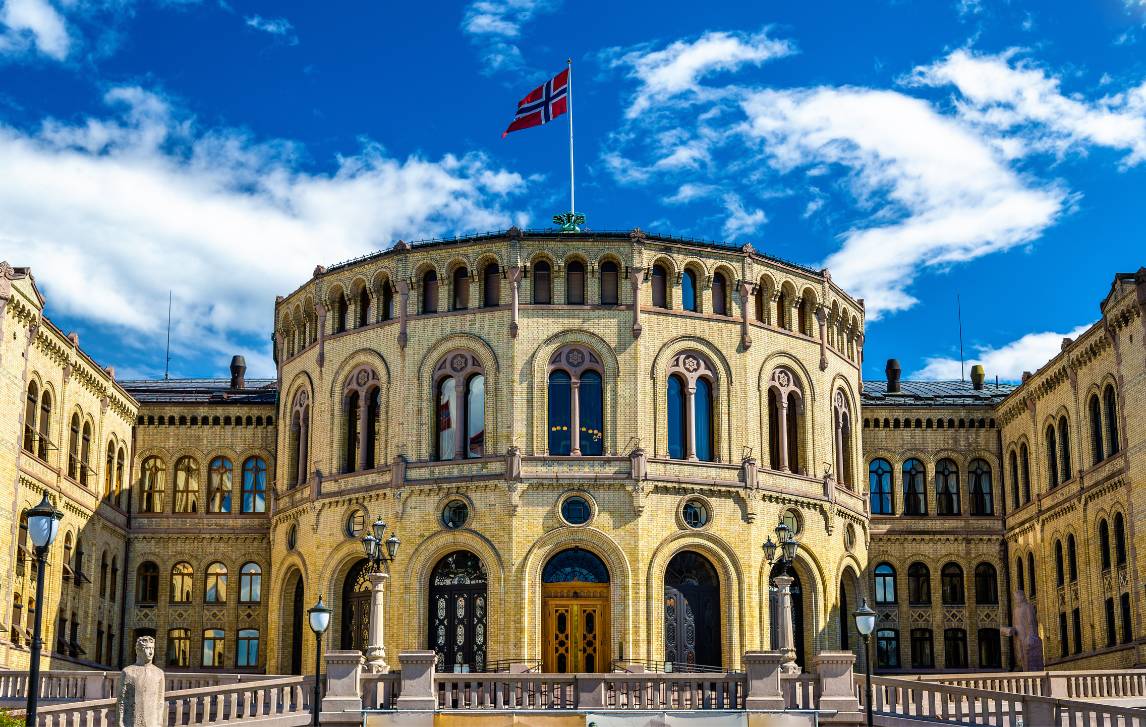
Most hikers will fly into Oslo. The compact waterside Norwegian capital offers a relaxed, welcoming, super walkable escape. You could easily spend 2 days here. Oslo is bursting with history, striking architecture and world-class museums. It’s surrounded by nature, and has an excellent public transport system. You can even book a sauna session in the heart of Oslo overlooking the iconic Opera House, so remember to pack your swimwear! At one of Badstuforening’s communal floating saunas you can join locals and tourists alike as you hop between the sauna and the brisk fjord and back again.
Nidaros Cathedral
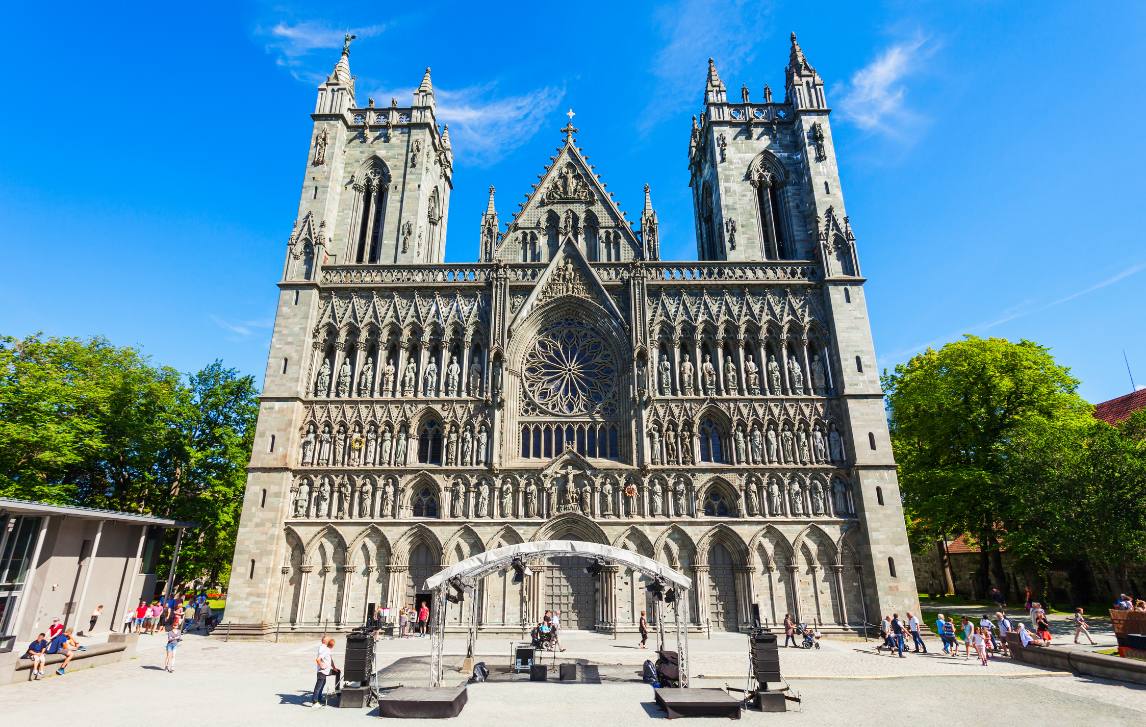
The St Olav’s Way pilgrimage comes to an end at the imposing 700-year-old Gothic Nidaros Cathedral in Trondheim. The cathedral began as a wooden chapel built over the tomb of Saint Olav. It is truly a sight to behold. The striking western façade features masks, angels, gargoyles and various animals said to symbolise all of God’s creation and a 10,000 piece stained-glass rose window. The interior is just as impressive as the exterior and visitors can also explore the crypt. It’s worth paying the extra fee to climb the tower’s 176 narrow steps to see Trondheim from a unique vantage point.
Trondheim
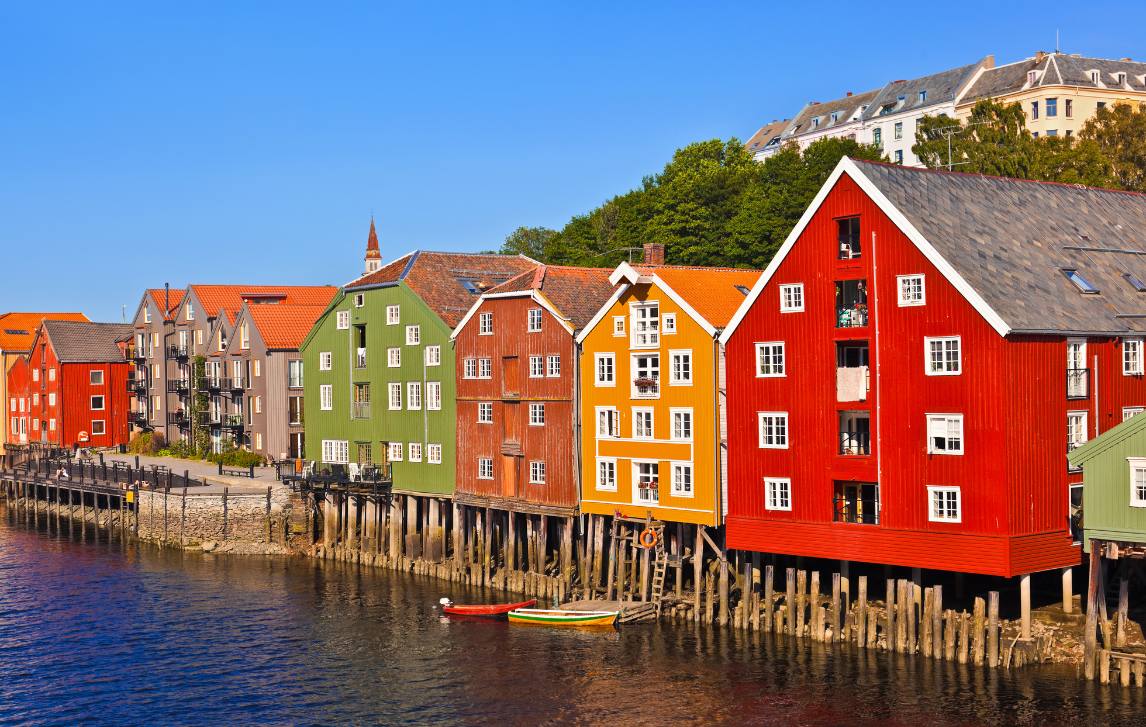
The former Viking capital is a highlight of any trip to Norway and is a pleasure to walk and cycle around. Colourfully painted wooden wharves line the Nidelva River and exploring the quaint cobblestone streets of the car-free Bakklandet neighbourhood is a must-do. The city has a bike-sharing scheme so you can hop on a bike to discover the city. If you’re game, there’s the free Trampe bicycle lift that carries mounted cyclists up Brubakken Hill. About 2km offshore is the little island of Munkholmen. It’s a popular place to wander and enjoy a picnic, and it has the city’s best beach. Ferries leave hourly from the fish market.
Perfect summer hike
St Olav’s Way is best experienced in summer (June, July, August), when Norway’s long days, mild temperatures, and lush landscapes make walking a joy. While other European pilgrim routes can be hot and crowded at this time of year, here you’ll find cool mountain air, peaceful trails, and space to truly immerse yourself in the journey. As a pilgrimage route, St Olav’s Way offers more than just a physical journey – it creates space for stillness and reflection. Many walkers describe the rhythm of the trail as meditative, with long stretches of quiet paths that encourage you to slow down, unplug and simply be present. Surrounded by Norway’s breathtaking landscapes, the experience becomes as much about inner discovery as the miles covered, making it a truly restorative walk.